
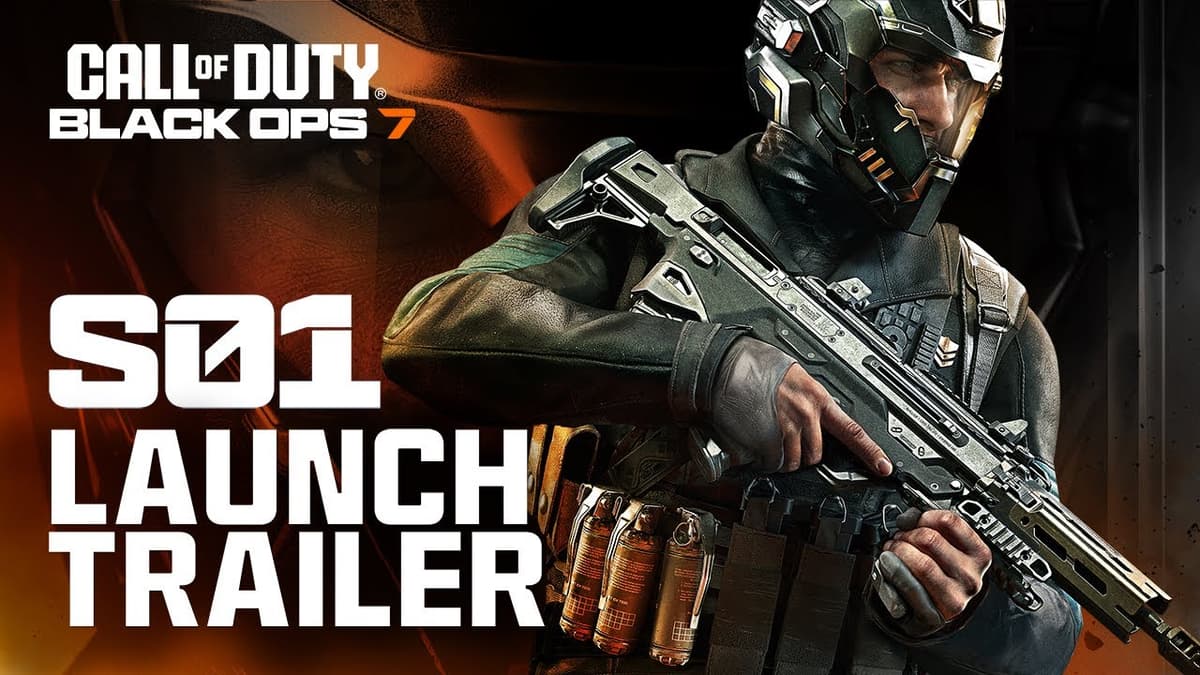
Warzone ditches SBMM for chill lobbies — Raven brings Black Ops 7’s open matchmaking
Game intel
Call of Duty: Warzone
Drop into the new map Al Mazrah in Call of Duty: Warzone 2.0
Why this change actually matters for Warzone players
If you’ve ever queued into Warzone hoping for a casual round and instead received a marathon sweat session, Season 1’s big change is aimed squarely at you. Raven Software is rolling out open matchmaking – the same system Black Ops 7 brought to casual playlists – to Warzone starting Thursday, December 4. That means less aggressive SBMM in unranked lobbies and, theoretically, more relaxed games where you don’t need to take an ice bath after every match.
- Open matchmaking for casual Warzone lobbies lands in Season 1 (Dec. 4).
- Havens Hollow quads increase from 44 to 52; Homestead is reworked into “The Barn”.
- Perk and meta tuning (Survivor now protects vs one-shot headshots) and attachment-focused weapon balancing.
- New experimental modes: Ampred BR (higher base health) and High Octane BR (start with preferred loadout, buy station access anywhere).
Breaking down the announcement – what’s changing
The core headline is simple: Raven is dialing back skill-based matchmaking for casual Warzone play. Game director Peter Actipis put it bluntly: “open matchmaking is coming to Warzone in Season 1.” For veteran players who enjoy hyper-competitive queues, little changes — there’s still room for ranked-style experiences — but the majority of players who complained about being trapped in relentless, sweat-heavy lobbies should see relief.
Map changes are practical and visible. Havens Hollow’s quads now take 52 players (up from 44), which will alter circle pacing and early-game chaos. Homestead has been fully reworked into “The Barn”; Actipis mentioned “several long sight lines” were problematic and have been fixed, with “a lot more intentional rotations to and from this POI” and a redesigned center building to encourage more dynamic fights.
The meta, perks and why this feels different
Raven admits Warzone’s meta had calcified. Instead of leaning solely on blunt nerfs or buffs, the team says it’s “committing to updating the meta more often than we ever have in the past” and will focus on tweaking attachment power. That matters: attachments change weapon feel and loadout variety without flat-out ruining a gun. In practice, expect formerly dominant kits — yes, I’m looking at you, Dresden and Kilo mains — to be nudged so other weapons get a chance.
Perks are getting attention too. Actipis teased that “Survivor is now going to be able to protect you against oneshot headshots.” That’s a concrete quality-of-life shift for ground combat and revive windows; it’s likely to upset some sniper purists but could reduce some of the frustration new or casual players feel after a single lucky hit ends a match.
Experimental modes — fun sandbox or temporary gimmick?
Raven is rolling out weekend experimentals to test big mechanical shifts. Ampred BR boosts base health so the team can “see how this changes the moment-to-moment combat,” while High Octane BR lets you start with your chosen loadout and “access the buy station anywhere at any time with a press of a button.” Both look fun on paper: Ampred will slow down duels and favor sustained fights, High Octane removes the usual early-game scramble for cash.
My caveat: these experimental weekends are invaluable for tuning, but they can also highlight balance blind spots quickly. Will Ampred make long-range spam worse? Will universal buy stations trivialize certain risk/reward choices? Those are the exact questions Raven needs player data to answer.
Want to Level Up Your Gaming?
Get access to exclusive strategies, hidden tips, and pro-level insights that we don't share publicly.
Ultimate Gaming Strategy Guide + Weekly Pro Tips
Why now — and what this means for Warzone’s future
This move feels like a straight response to the community fatigue that’s been growing for years. Call of Duty has flirted with open matchmaking in the past, but Black Ops 7 showed it could land cleanly in modern playlists. Bringing it to Warzone recognizes a basic truth: not every player wants to be ranked-level competitive every time they drop in.
Practically, expect more varied lobby skill spreads, fewer perfectly optimized sweats, and a slightly more chaotic — but often more fun — battlefield. Couple that with more frequent meta adjustments and targeted perk changes, and you get a game that can pivot faster to keep things fresh.
Looking ahead: Rebirth Island gets a winter coat
Actipis closed with a tease for Season 2: “winter is coming” to Rebirth Island. He says the island’s been hit by a snowstorm and that “geo changes” will alter rotations and combat. That sort of map-seasonal change is exactly the kind of environmental storytelling and gameplay impact Warzone needs to keep long-term players invested.