
Tracks 1-7 in Wax Heads get much easier once you stop treating customer requests like loose mood prompts and start treating them like clue stacks. Read every request for its strongest anchor first — usually a band name, a scene reference, or a very specific sound — then use the softer “vibe” words only to confirm the pick. That is the difference between wandering Repeater Records and clearing the opening tracks with the ratings you want.
Table of Contents (9)
The short version
- Part 1 covers the first 7 of the game’s 19 tracks; it is where the puzzle teaches its real rules.
- Read the full customer request before you leave the counter — the key clue is often the last thing they say.
- Prioritize names and references (like Jarhead or Kerri Krow) over adjectives like “weird,” “warm,” or “angry.”
- When two records fit the same mood, the correct one usually matches the harder, more specific clue.
- Serve active customers before browsing, chatting, or poking around the shop if you are chasing a perfect day.
How Part 1 actually works
Wax Heads is a cozy-punk record-store sim, but the puzzle layer under the charm is stricter than it looks: one wrong record can sink an otherwise perfect day. Customers sound casual, yet their dialogue almost always carries one clue that matters far more than the rest — a direct namedrop, a clear genre tag, a label-style descriptor, or a specific artist association. Search the shop on tone alone and you will keep landing on records that feel right but still count as wrong.
The mindset that clears Tracks 1-7 is simple: strip each request into one hard clue and one soft clue. The hard clue gets you to the right shelf or album family. The soft clue confirms you have the right record once you have narrowed the options. With dozens of hand-drawn albums on the shelves and a layout that is easy to lose time in, a plan beats browsing every single time.
Tracks 1-2: learn the store, don’t just clear it
The first two tracks are your onboarding window. Even when the answers feel obvious, don’t sprint. Use these days to build a mental map of Repeater Records: where the main browsing lanes are, where side shelves pull you off route, and how long it takes to get back to the counter after chasing a bad lead. That store knowledge pays off far more later than shaving a few seconds off an easy request.
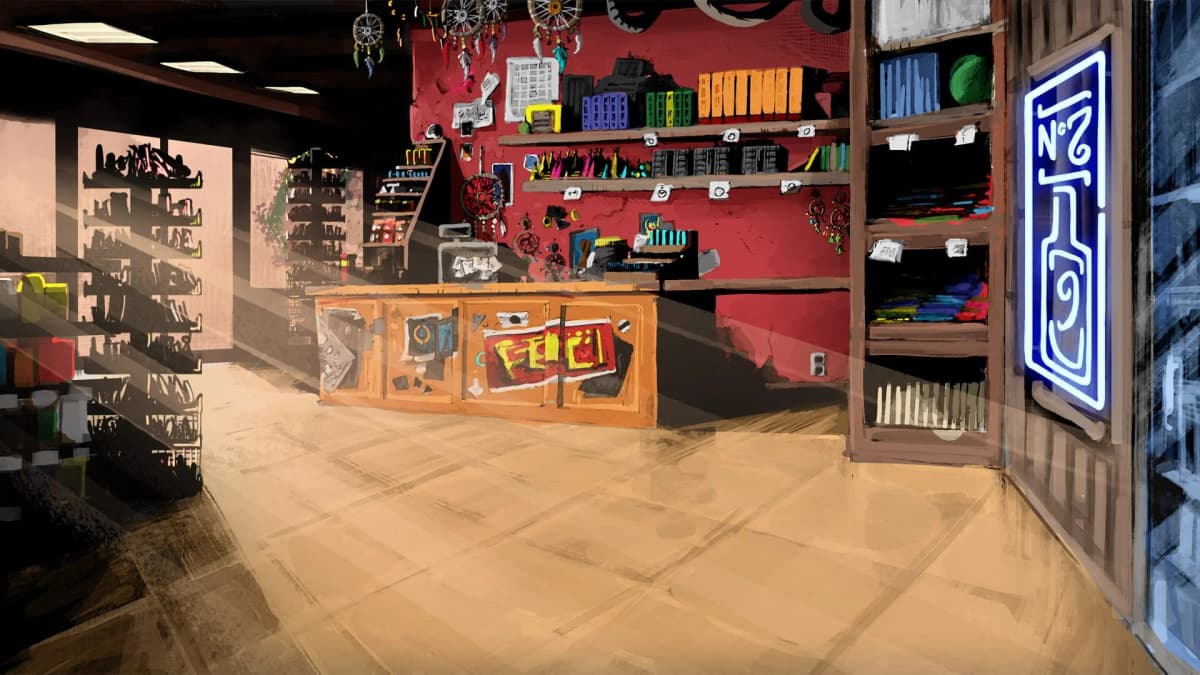
These early tracks are also where you learn how the writing encodes answers. If a customer gives you a straightforward genre or artist-style reference, trust it — don’t upgrade the puzzle into something deeper than it is. A common opening mistake is over-reading the flavor text and convincing yourself the game wants a more poetic answer than it actually does. In Part 1, the cleaner read is almost always the better read. When a request sounds broad, ask which word in the sentence is hardest to replace: “loud,” “sad,” or “offbeat” describe a lot of albums, but a specific name, scene, or comparison points at one. That is the piece you carry into the aisles.
Tracks 3-5: vague requests start punishing lazy reads
By the middle of Part 1, the customers get quirkier and the phrasing gets more cryptic. This is where clean runs fall apart. Stop hunting for a perfect sentence-to-album match and rank the clues by reliability instead. When a customer drops something that sounds like a band, an artist, or a scene breadcrumb, that is not decoration — it is the spine of the answer.
- Highest-value clues: named bands, artist comparisons, very specific sonic tags.
- Medium-value clues: mood descriptions that narrow the field but don’t identify one record on their own.
- Low-value clues: personality chatter, jokes, and story color that make a customer memorable but don’t help you pick.
That order matters most for references like Jarhead or Kerri Krow. When a customer namedrops a band like that, treat it as a shelf-finding tool first and a mood note second. Plenty of players reverse the logic — they hear the emotional tone, grab a matching-vibe album, and only later realize the name reference was the real key. In a game built on record-store culture, those band references are exactly how the puzzle text stops being vague.
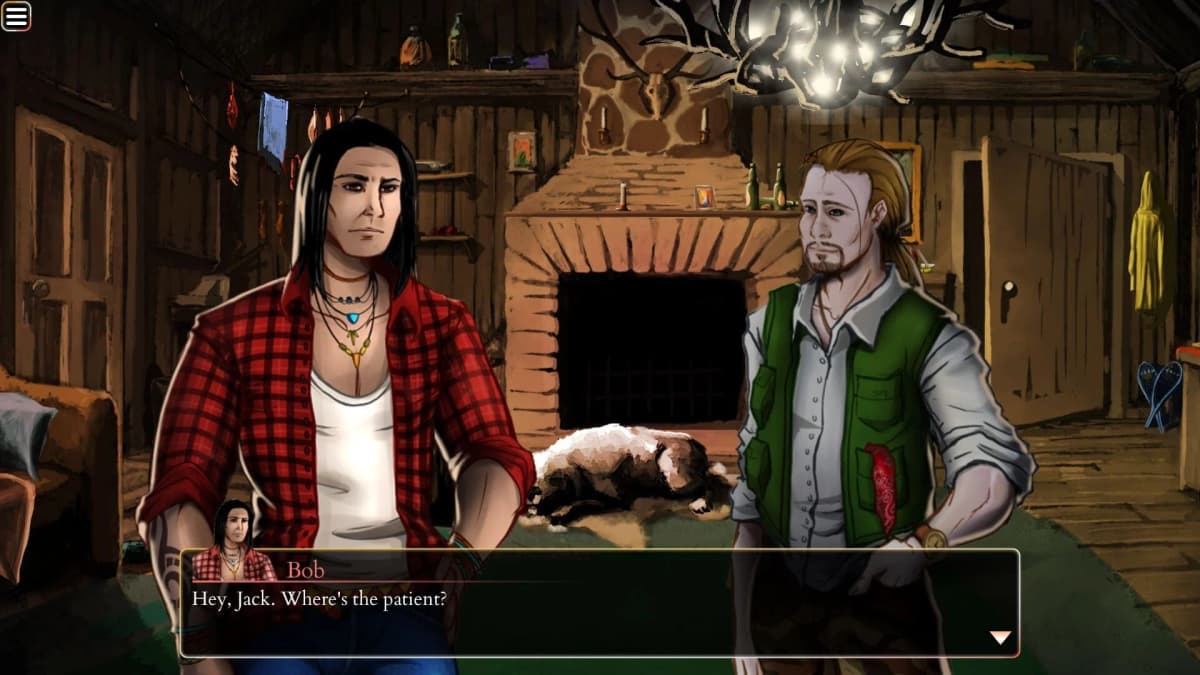
If two records still look plausible, pick the one that matches more of the request exactly, not the one that matches more of it aesthetically. The right answer in Part 1 usually wins because it fits one precise clue better, not because it is the record you would personally recommend.
Tracks 6-7: protect your rating by controlling your attention
The end of Part 1 doesn’t introduce a new mechanic — it applies the same logic under more pressure. Customer flow feels busier, confidence pushes you toward snap decisions, and the store’s side details get more tempting when you are chasing a perfect day. Wax Heads is full of personality, but if you want top ratings, the active request comes before wandering, banter, or browsing for flavor.
This is where discipline beats speed: take the current request, identify the hard clue, go straight to the likely section, check the sleeve against the softer details, and return. If you start half-solving one customer while holding another customer’s dialogue in your head, the odds of mixing up the clues spike. Part 1’s late tracks reward clean single-tasking over improvisation.
Common mistakes
- Leaving the counter before reading the whole request — the deciding clue is often the last line.
- Browsing every interesting record you pass on the way to an answer.
- Handing over a “close enough” album just to keep the queue moving.
- Letting colleague chatter or shop interactions wipe your memory of the current clue.
- Grabbing the most obscure-looking album on instinct — early tracks still resolve through readable logic.
When a customer request keeps failing
On a repeat attempt, don’t just run the same route faster — change how you read the dialogue. Split the request into two parts: the one element that feels unique, and the one element that feels atmospheric. If your last answer only matched the atmospheric half, you already know why it failed. That review step fixes most Track 1-7 mistakes without needing a full spoiler table.
It helps to remember what these early tracks are actually testing. It is not deep inventory management, and it is not a branching narrative “choices” system. The choice that matters moment to moment is whether you identified the intended record from a messy human description. Frame the puzzle that way and the opening days stop feeling arbitrary. For how Part 1 fits into the full game and how perfect ratings carry through later tracks, see our complete Wax Heads walkthrough hub.
Practical takeaway
The shortest version of this walkthrough: across Wax Heads Tracks 1-7, named references beat mood words, precise matches beat stylish guesses, and perfect ratings come from ignoring distractions until the current customer is solved. Read every request to the end, anchor on the hardest clue, move with purpose, and confirm the sleeve before you hand it over. Do that and Part 1 stops feeling like a maze of vinyl and starts feeling like a consistent puzzle you can solve on demand.
FinalBoss // Gear
Level up your setup
01Top-rated gaming headsetson Amazon→02High-refresh gaming monitorson Amazon→03Gaming chairson Amazon→04Discounted game keyson Kinguin→Affiliate links · As an Amazon Associate, FinalBoss earns from qualifying purchases.
Want to Level Up Your Gaming?
Get access to exclusive strategies, hidden tips, and pro-level insights that we don't share publicly.
Ultimate Guide Strategy Guide + Weekly Pro Tips