
We Played Shiro Games’ Farever: A Premium Co‑op ARPG With MMO Ambitions
Game intel
Farever
Forge your legend in a forgotten realm! Farever is an online co-op action RPG set in a vast fantasy open world. Alone or with allies, explore wild landscapes a…
Why Farever Caught My Eye
Shiro Games has a habit of jumping genres without face-planting-Northgard’s icy 4X, Dune: Spice Wars’ strategy chops, Wartales’ gritty tactics, even the smaller Darksburg experiment. Farever is their boldest swing yet: a premium, always-online, co-op action RPG set in a fully handcrafted open world. I went hands-on at Gamescom and came away thinking, “This could be the Diablo/Genshin alternative I’ve wanted-if the always-online bet doesn’t bite them.”
Key Takeaways
- Premium PC game (no subscription), always online, 1-4 player co-op with shared servers and instanced dungeons.
- 10 classes, 100+ unique weapons, roles and an “Arsenal” layer for deep buildcraft; reactive combat with parry, dash, block, and stuns.
- Handcrafted open world (not procedural): 3 regions at launch, each with 6 subregions, one boss per subregion, and 25 activities per subregion.
- Heavy loot and crafting focus; exploration-driven progression with obelisks, world events, platforming and puzzles.
Breaking Down the Pitch
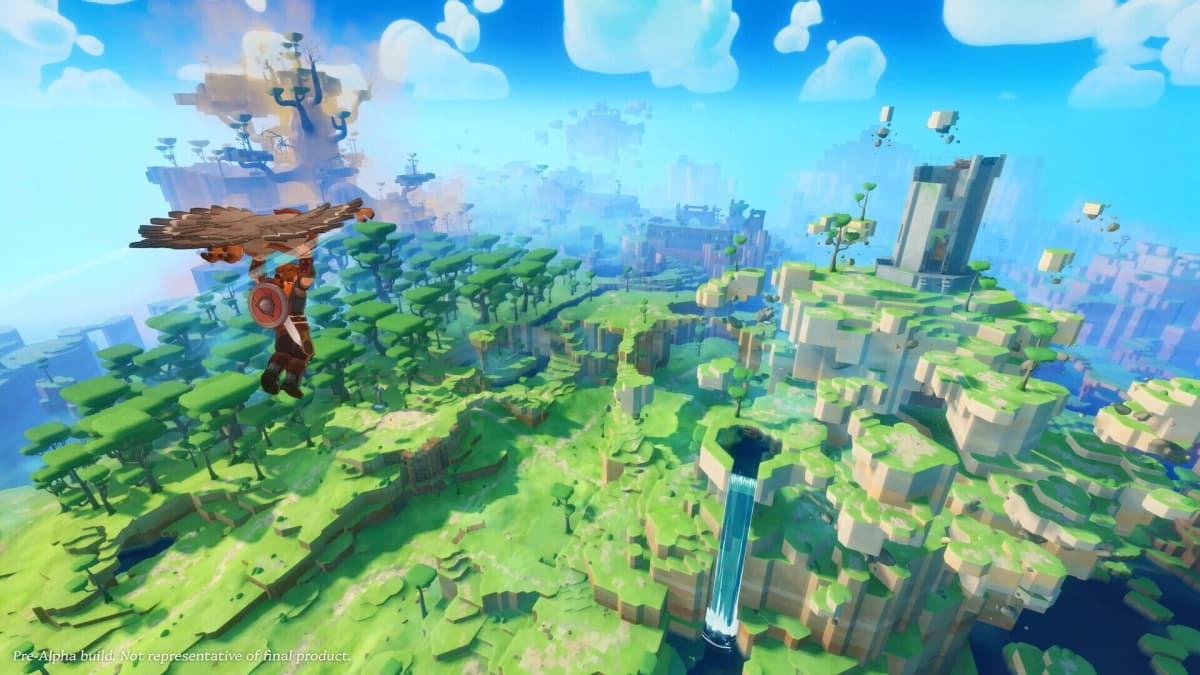
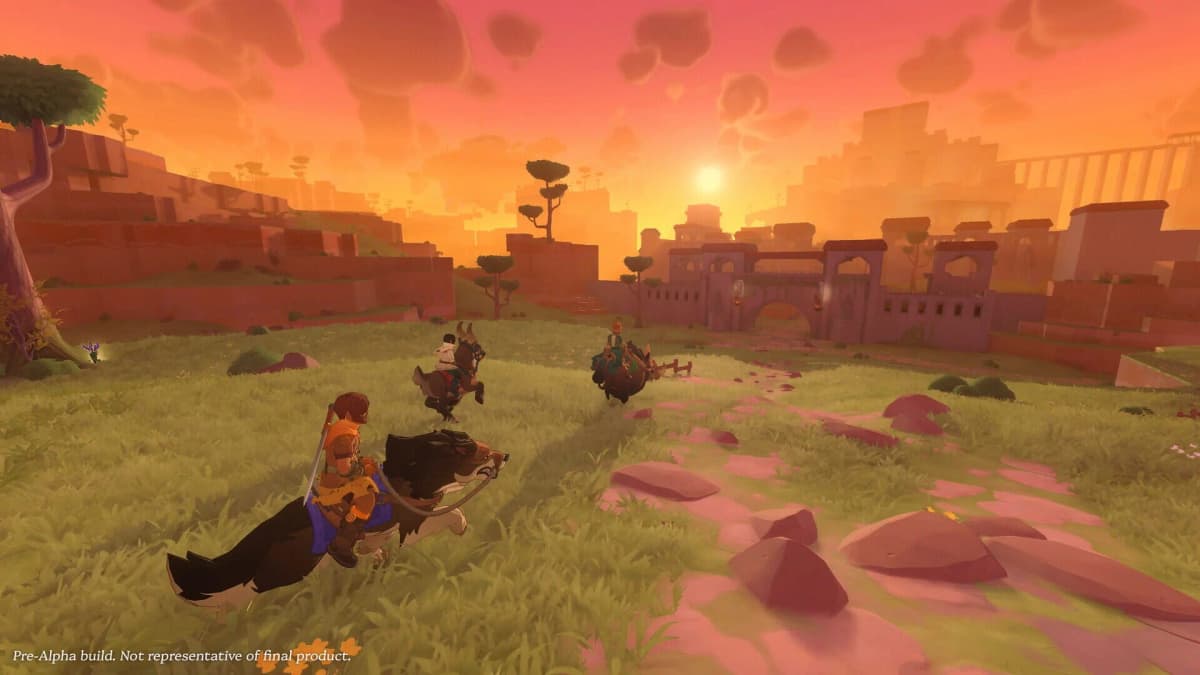
Farever drops you into Siagarta, a colorful shared world that’s always connected-there’s no offline mode. Whether solo or with friends, you’re on common servers with regional “layers” to prevent overcrowding. That shared-world design fuels world events, exploration races, and a social vibe, while dungeons are private instances you can tackle alone or as a small squad.
The loop leans heavily on exploration: discover obelisks to reveal the map, hunt down events, and poke into handcrafted nooks for secrets and side quests. It’s refreshingly not procedural. At launch, Shiro is promising three regions, each split into six subregions with their own boss, plus 25 activities per subregion ranging from platforming and treasure hunts to puzzles and elite encounters. Throw in a glider for traversal—with the team toying with customization—and it’s clear the world isn’t just set dressing for loot runs.
Combat And Buildcraft: Depth Without Gacha Strings
Character identity starts with your class—there are 10 planned (we saw staples like Mage, Warrior, Priest, Rogue). Roles and equipment then twist that base into unique flavors (think Assassin, Sorcerer, Cleric), and the real spice comes from weapons. There are 100+ unique weapons, each packing skills, buffs, and charge timings that define your rhythm. Your class might build rage as a Warrior, but your sword or spear determines how you spend it. In short: class sets the silhouette; weapons and accessories draw the details.
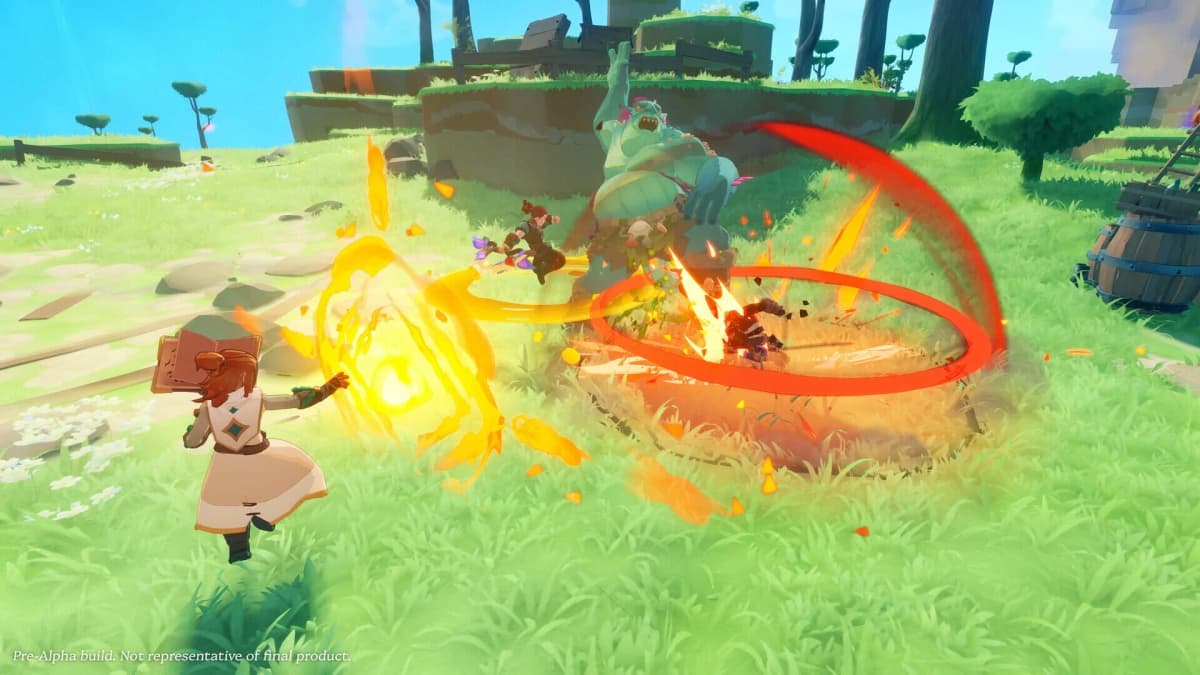
Beyond class and weapon skills, the team teased an “Arsenal” system—a further layer that slots in extra abilities and synergies. They’re still cagey on specifics, but the goal is clear: avoid cookie-cutter meta builds by giving players multiple axes to tinker with. During the demo, the fundamentals landed: parries, dashes, blocks, and stuns all matter, and enemies telegraph enough to reward reads over button mashing. Bosses scale to party size—our duel with a gooey menace named “Blob Dylan” was a cheeky tone-setter and a legit mechanical check.
The important bit: it feels good on a controller. Timing windows, impact, and mobility all synced in a way that suggests Shiro’s aiming for that Monster Hunter/Diablo sweet spot—simple to start, expressive once you master your kit.
Exploration That Actually Matters
Farever’s world is designed, not generated. That’s a big promise and a bigger workload, but it changes how you play. Verticality and environmental storytelling make movement and curiosity part of progression, not just a path between fights. Secrets, chests, and side quests are tucked into clever spaces, and the activity variety suggests this isn’t only a combat treadmill. Loot feeds an extensive crafting system—less “build a base,” more “build your build”—with resources improving your own and your squad’s performance. If you love min-maxing and fashioning a playstyle piece by piece, you’ll feel at home.
Want to Level Up Your Gaming?
Get access to exclusive strategies, hidden tips, and pro-level insights that we don't share publicly.
Ultimate Gaming Strategy Guide + Weekly Pro Tips
The Business Model—and The Risks
Farever is premium on PC, no subscription. Shiro says regular free updates will evolve the world post-launch, with Early Access planned on Steam this year and a full release date still TBD. That alone sets it apart from gacha-driven shared worlds like Genshin Impact and the F2P cash shops that so often distort buildcraft.
But “always online” is a double-edged sword. We’ve seen promising co-op ARPGs stumble on server issues (Wayfinder), content cadence (New World at launch), or unclear endgame loops (Anthem). Farever’s shard-based regions should help crowding, but success hinges on day-one stability, how viable solo play truly feels, and whether the activity mix stays fresh after the first dozen hours. Monetization clarity matters too—Shiro says premium, no sub; great. Is there a cosmetic shop? Battle pass? None of that was spelled out.
The good news: Shiro’s track record on post-launch support is solid. Northgard matured beautifully with meaningful expansions, and Wartales kept iterating into a far sharper game. If the studio brings that steady hand here, Farever has a real shot.
What Gamers Should Watch Next
– How flexible the 10 classes and “Arsenal” really are once theorycrafters dig in.
– Dungeon variety, boss mechanics per subregion, and whether world events evolve over time.
– Drop rates and crafting depth: can you target-farm builds without soul-crushing RNG?
– Quality-of-life at launch: cross-play/cross-save (not confirmed), solo tuning, and opt-in instancing for a quieter experience.
TL;DR
Farever is Shiro’s stab at a premium, shared-world co-op ARPG: 10 classes, 100+ weapons, reactive combat, and a handcrafted world brimming with activities. The hands-on felt tight and expressive, and the no-gacha/no-sub model is refreshing. If the always-online backbone, content cadence, and endgame hold up, this could be a new co-op staple on PC.