

When Sako & Itazan Turned Street Fighter V into a Fireball Ballet
Game intel
Street Fighter V
Experience the intensity of head-to-head battle with Street Fighter V! Choose from 16 iconic characters, each with their own personal story and unique training…
When Ranked Matches Become Performance Art
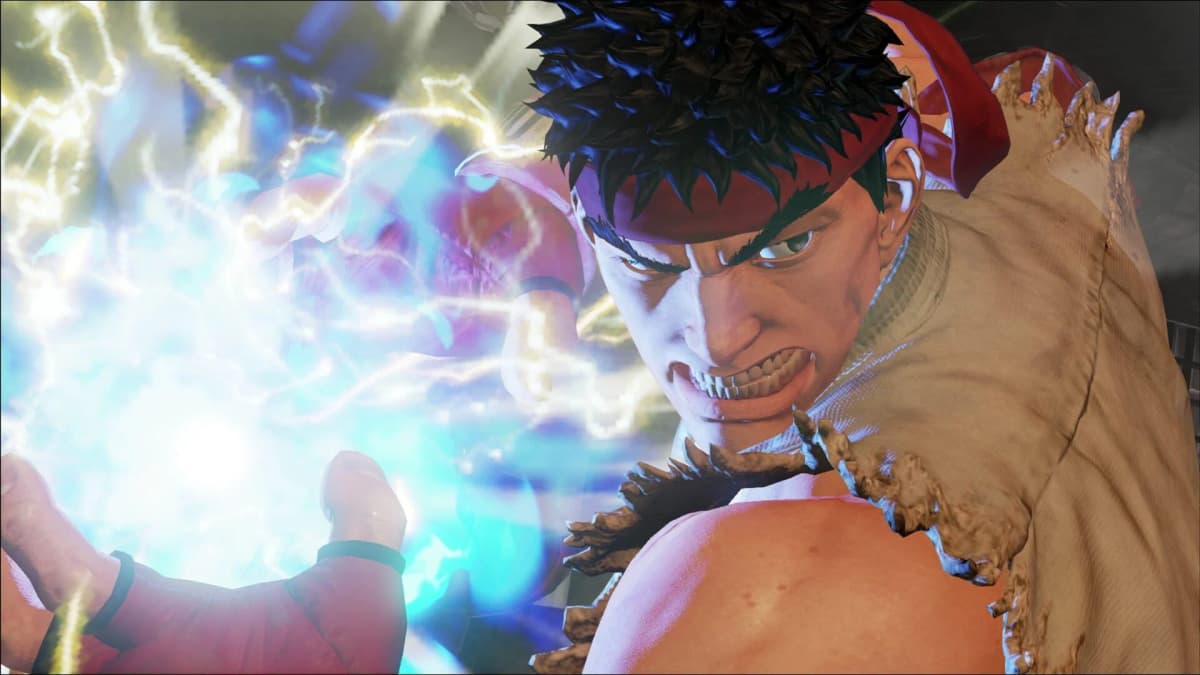
Imagine logging into Street Fighter V Ranked, expecting the usual nerves and scramble, only to find yourself watching a polished dance of fireballs. That’s exactly what happened when two of the FGC’s most renowned players—Sako and Itabashi Zangief (Itazan)—agreed to a best-of-three exhibition match. Far from a random trade of punishes, they delivered a seamless showcase of frame-data fundamentals, precision spacing, and rhythmic timing. Every hadouken, jump-in and counter felt like part of a grand choreography, culminating in a breathtaking double K.O. finale.
From Lobby Demo to Masterclass
On the surface, this was just another casual lobby session. Yet within seconds, Sako’s perfectly spaced fireballs met Itazan’s textbook jump-in spacing, and fans realized they were witnessing something special. Unlike high-stakes tournament play—where pressure, bracket dynamics and unfamiliar matchups inject unpredictability—this was a planned exhibition, designed to highlight Street Fighter V’s deeper mechanics. The two veterans mapped out key touchpoints in advance: optimal fireball ranges, safe-jump timings and setup drills. They then refined each moment in private lobbies until every buffer window and frame trap flowed effortlessly.
What Is a Fighting Game Exhibition?
In the Fighting Game Community (FGC), an exhibition match refers to a prearranged demonstration where players choreograph sequences to teach or entertain. Sometimes also called an “FGC dance,” these matches prioritize precision and narrative over competition’s inherent volatility. Think of each fireball volley as a musical beat, each anti-air as a flourish—together they tell a story of offense and defense in perfect harmony.
A Brief History of Choreographed Showdowns
Choreographed exhibition matches date back to late-’90s arcades, when organizers and arcade owners staged side bouts to thrill spectators. Legends like Daigo “The Beast” Umehara and Alex Valle would craft scripted demos, trading frame-perfect combos to illustrate advanced techniques. With the rise of livestreaming in the 2010s, highlight reels of cross-ups, kara-throws and frame traps earned millions of views, inspiring players to bring those polished routines to live audiences. Today, exhibitions grace major event pre-shows, charity fundraisers and impromptu online streams, offering a contrast to bracket chaos by showcasing the art of execution.
Meet the Virtuosos: Sako and Itazan
Sako, often dubbed “the god of execution,” is renowned for his impeccable input buffering, meaty attacks and frame-perfect links. His gameplay resembles a virtuoso pianist, hitting every note with exact timing and velocity.
Itabashi Zangief (Itazan) counters with a grappler’s instinct, reading opponents’ options and punishing whiffs with command grabs or Crush Counters. His approach feels like a conductor guiding powerful crescendos, using spacing and timing to control the stage.
When these two met in rehearsal, their contrasting strengths—precision versus aggression—merged into a performance that transcended mere competition.
Breaking Down the Ballet
The match’s artistry rested on three core pillars:
- Predetermined Cues: From Ryu’s opening hadouken to Zangief’s final splash, every action was preselected. Sako dialed in fireball ranges and anti-air windows, while Itazan matched jump-in angles and whiff punishes.
- Metronomic Timing: At 60 frames per second, each frame is a 16.67 ms slice of time. The duo assigned internal “beats” to land inputs on specific frames, effectively creating a musical score of button presses.
- Call-and-Response: Like jazz musicians improvising, one player’s offensive surge triggered a defensive counter that looped back into a new sequence—keeping the dialogue dynamic and engaging.
The grand finale was a synchronized Critical Art clash, meticulously rehearsed to ensure both finishes connected simultaneously, producing a slow-motion double K.O. that stunned viewers worldwide.
Frame Data as Performance
Street Fighter V is, at its core, a game of numbers: active frames, recovery frames, hit stun durations and block stun timers dictate every exchange. Most players study these values abstractly through charts and training mode. But in this exhibition, those dry stats came alive. Fireballs rebounded with surgical spacing, jump attacks landed just outside anti-air windows, and kara-throws added unexpected flourishes. Each frame trap was a tempo shift, each link combo a lyrical passage. The match served as a live tutorial on execution excellence.
Community Reaction and Legacy
Clips of the match exploded across Twitch, Twitter and FGC forums. Veterans hailed it as “the purest expression of Street Fighter fundamentals,” while newcomers marveled, “I never knew a hadouken could look this beautiful.” Purists debated the merits of preplanned bouts versus live competition, but consensus held that exhibitions enrich the community by distilling complexity into digestible, awe-inspiring segments.
Content creators quickly dissected the footage, overlaying inputs, marking timing windows and crafting tutorials. Fan artists captured key frames—especially the double K.O.—turning them into dynamic fanart that celebrated the intersection of science and art.
Teaching Through Performance
The FGC’s reputation for steep learning curves can intimidate newcomers. Terms like “hit confirm” and “buffer window” often feel like jargon. Exhibition matches bridge that gap by embedding technical lessons within compelling narratives. Coaches now pause the Sako vs. Itazan match to highlight precise moments, challenge students to replicate fireball spacing or kara-throw setups, and transform abstract theory into interactive puzzles.
The Future of FGC Dance
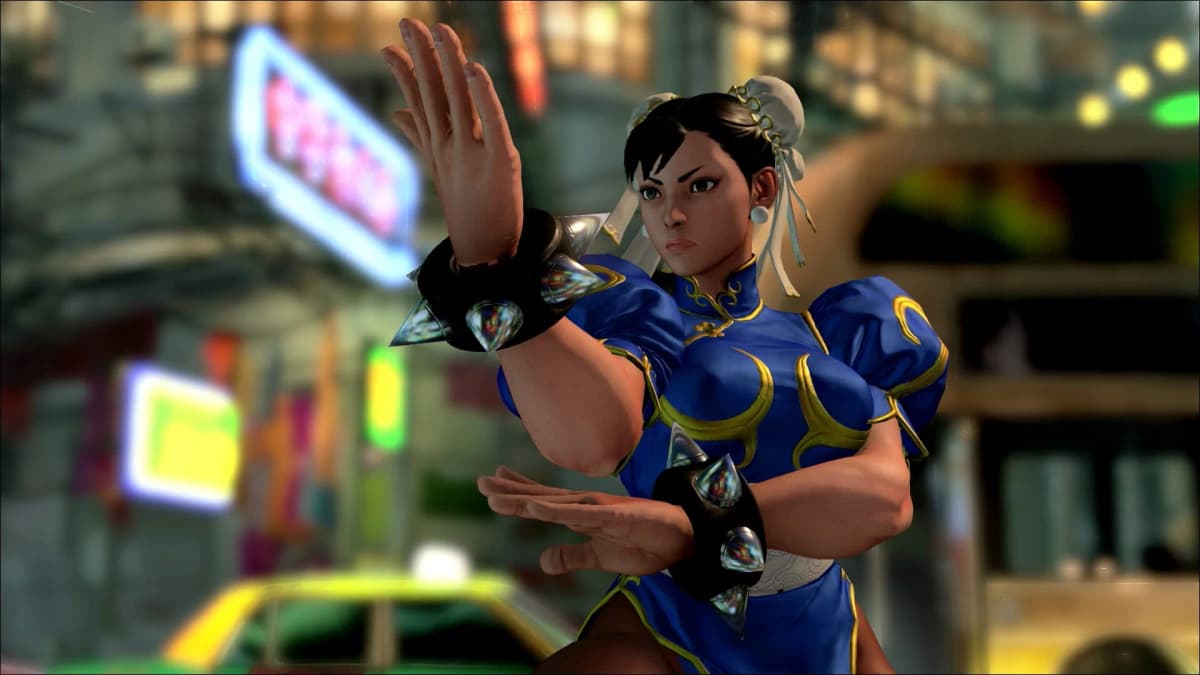
As esports production embraces storytelling—with animated overlays, player cams and analyst commentary—exhibitions could become marquee pre-show or halftime events. Imagine champions unveiling choreographed routines, complete with custom audio tracks and live breakdowns by popular commentators. Sponsors might commission themed showcases—like a Ryu vs. Sagat duel that visualizes their iconic rivalry through synchronized frame traps or a Chun-Li routine illuminating her Lightning Kick inputs with on-screen effects.
A balanced mix of spontaneous upsets and choreographed spectacles could broaden the FGC’s appeal, marrying the adrenaline of competition with the spectacle of performance art.
Final Thoughts: When Science Meets Art
The Sako & Itazan exhibition wasn’t just a viral highlight—it was a statement. By treating frame data like brush strokes on a digital canvas, they revealed the hidden artistry in fighting games. Their fireball ballet reminds us that execution isn’t just about consistency—it’s a form of expression. Whether you’re a seasoned competitor or a curious newcomer, this match invites you to look beyond win-loss records and marvel at the delicate interplay of timing, spacing and creativity. And as the FGC evolves, we can look forward to more masterpieces that blur the line between battle and ballet.