
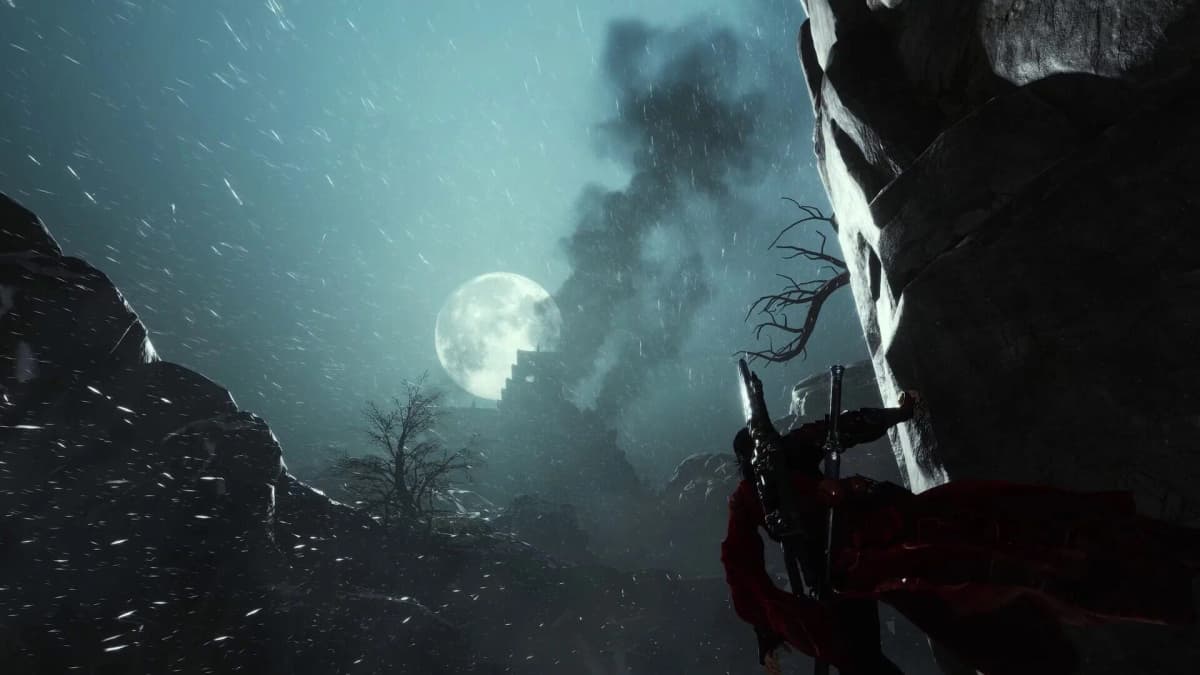
Where Winds Meet hits 5M pre-registrations — hype, wuxia dreams, and the real questions before
Game intel
Where Winds Meet
Where Winds Meet is an open world RPG set in the Ten Kingdoms period of medieval China. You take on the role of a swordsman who has grown up during war and con…
Wuxia goes open-world at scale-now show us the substance
Where Winds Meet just crossed 5 million pre-registrations ahead of its November 14 launch on PC and PS5, and the new trailer is a buffet of wuxia fantasy: 20+ regions, 10,000 NPCs, and 40+ “Martial Mystic Arts” that double as combat techniques and traversal tools. This caught my attention because true wuxia sandboxes are rare in the West, and when they hit, they hit hard-think the first time you saw wire-fu acrobatics in a game and realized you could actually sprint across water or vault along bamboo poles. But big numbers and big promises cut both ways, especially a month from launch.
Key takeaways
- 5M pre-registrations is massive, but “pre-reg” on PC/console often equals marketing sign-ups, not paid preorders.
- The trailer leans into wuxia fantasy: Tai Chi counters, Lion’s Roar shockwaves, lightness skills for traversal.
- 10,000 NPCs sounds impressive-until you’ve met 9,500 of their template cousins. Reactivity will make or break it.
- Difficulty options and mix-and-match styles signal accessibility, but balance and feel will decide staying power.
Breaking down the announcement (beyond the sizzle)
Everstone Studio’s pitch is clear: an open-world wuxia RPG where combat styles aren’t just flashy; they’re part of how you move through the world and solve problems. “Martial Mystic Arts” like Tai Chi and Toad Style aren’t only for duels—they’re keys to traversal and puzzle routes. If that system is genuinely integrated, it could avoid the Ubisoft-style map clutter where tools are siloed into minigames. The promise of learning techniques from sects, infiltrations, and wanderers in the wild also hints at a Breath of the Wild-style discovery loop, not just a skill tree grind.
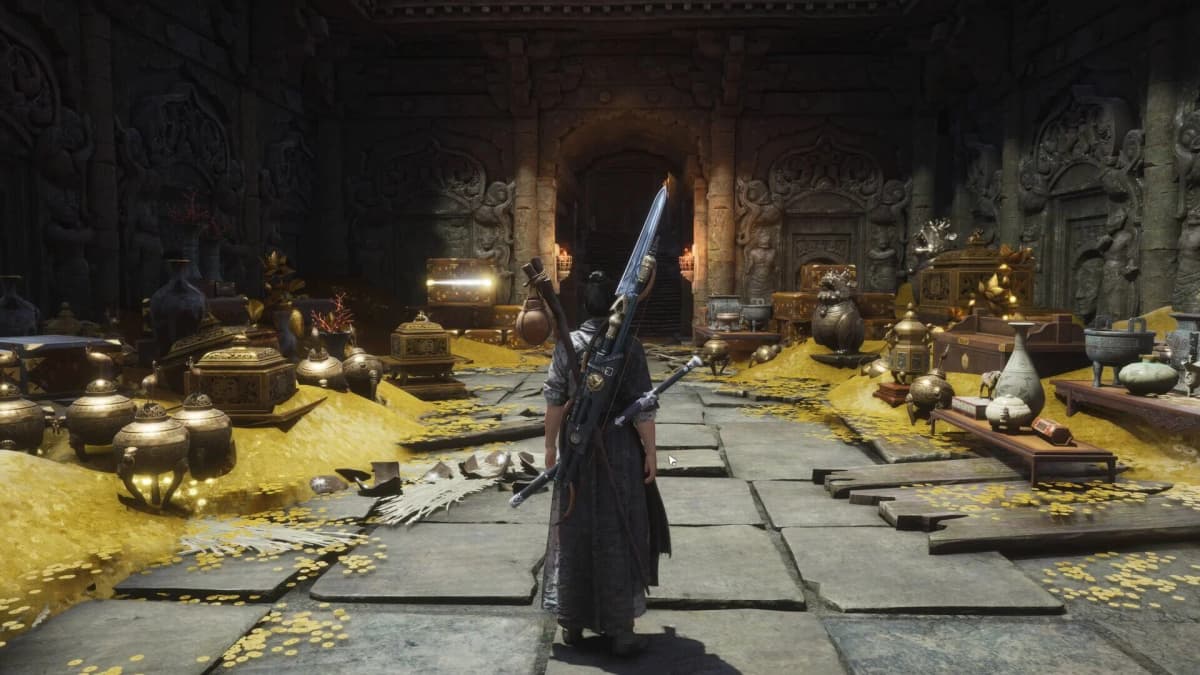
The setting spans more than 20 regions, from a gilded capital to a ghost market and desert ruins. That variety matters in a genre where biomes can blur together. The contrast between Fanlou Golden Street and slums is great flavor, but I’m more interested in whether those spaces change because of your actions. The studio touts 10,000 “unique” NPCs that react to you—if that means named routines, faction memory, and consequences that ripple, I’m in. If it means slightly different barks on a schedule, we’ve been there before.
Combat leans into traditional kung fu rhythm—deflections, positioning, and reads—layered with fantastical wuxia flair. Mixing weapons with sect techniques could land somewhere between Sekiro’s deliberate timing and the expressive combo-building of character action, ideally without turning into cooldown roulette. Multiple difficulty options are smart if they’re tuned for clarity and not just HP sponges.
Industry context: NetEase has the chops, but scope is the boss fight
NetEase isn’t new to martial arts sandboxes—its MMO lineage (think sprawling wuxia worlds with social systems and acrobatics) shows in the DNA here. We’ve also watched Chinese-developed action RPGs break through in the West lately, from stylish brawlers to mythic epics. Where Winds Meet aims to be the wuxia counterpart: grounded in jianghu—those liminal spaces “outside the court” where wandering swordsmen make their own justice. That’s a compelling fantasy. But scope is where projects collapse. Vast biomes, systemic combat, reactive NPCs, and a scattershot narrative all at once is a recipe that demands ruthless focus.
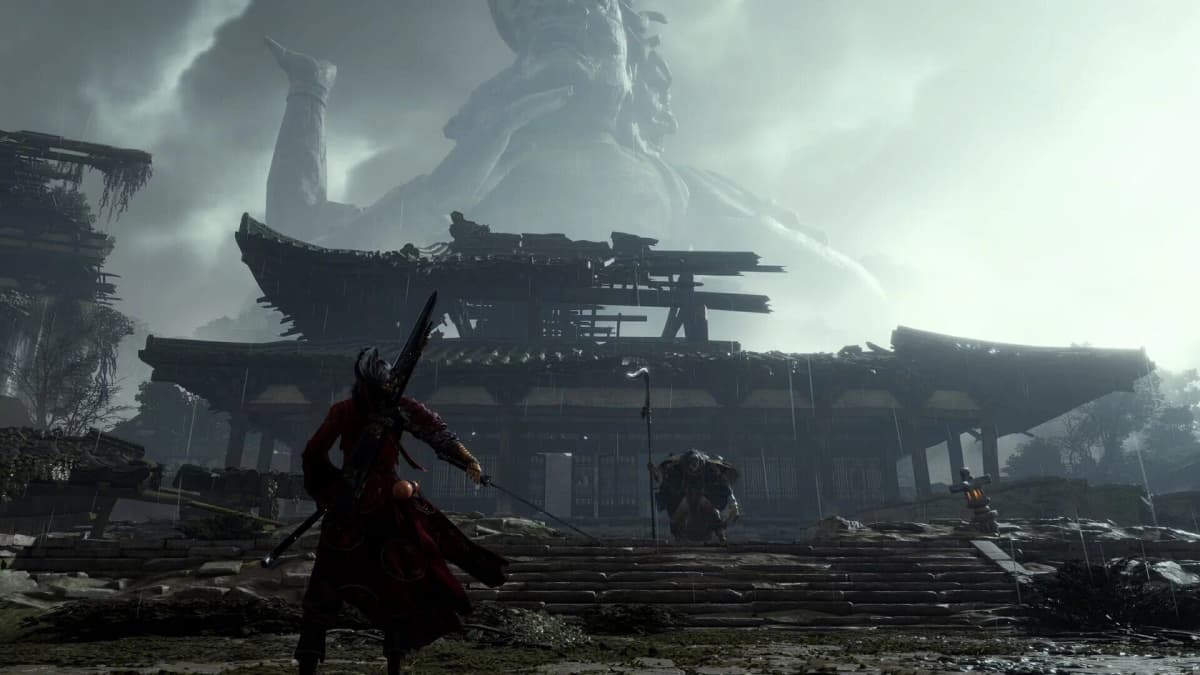
The game first turned heads years ago with a flashy debut trailer, and the new footage doubles down on breadth: rooftop chases, desert duels, eerie markets, and wire-fu traversal. We’ve seen teams promise “no barriers, true freedom” before. The difference between a great open world and a checklist is friction. Do skills open truly alternate routes, or do they just unlock color-coded doors? Do factions matter past a reputation meter? Those answers are usually invisible in trailers—and crucial at launch.
Want to Level Up Your Gaming?
Get access to exclusive strategies, hidden tips, and pro-level insights that we don't share publicly.
Ultimate Gaming Strategy Guide + Weekly Pro Tips
The gamer’s perspective: what matters on day one
Five things I’ll look for the minute I boot it:
- Combat feel: Is timing readable? Do parries, counters, and style switches flow or clunk? Input buffer and animation priority matter.
- Traversal depth: Can lightness skills chain in interesting ways (wall-run into glide into rope swing), or are they set-piece triggers?
- Quest design: Are “scattered” stories actually reactive vignettes, or just collectible lore with dramatic lighting?
- NPC reactivity: Will a botched infiltration change patrols and merchant attitudes hours later, or reset after a nap?
- Performance and stability: Open-world action lives or dies on frame pacing, especially on PS5 Performance Mode and mid-tier PCs.
I’m also watching localization closely. Wuxia relies on nuance—honor codes, sect politics, the weight of a single phrase. Strong English writing and VO direction can carry that; weak localization flattens it into fortune-cookie mysticism. Accessibility matters too: remappable controls, subtitle size, colorblind options, and aim assist for players who want the story without the sweat.
The big unknowns (and potential red flags)
- Monetization: Console preorders with cosmetics suggest a premium release—but are there microtransactions, time savers, or a battle pass lurking? Be clear.
- Online requirements: Is it fully playable offline, or “online for progression” like some recent releases?
- Balance: With 40+ styles, will a handful trivialize the game? Hybrid builds need counters and trade-offs, not just bigger numbers.
- Content density: 20+ regions can feel empty fast. Smart systemic encounters beat map icons every time.
- Camera and lock-on: Wire-fu fights live in verticality. A bad camera can turn heroics into nausea.
To be fair, some of these concerns may be addressed in the final month. But 5 million “pre-registrations” is marketing language we usually see in mobile—on PC/PS5 it often means newsletter sign-ups and wishlists bundled together. It’s hype, not a sales figure. The real test is hands-on feel and how the world reacts once players start poking at its seams.
TL;DR
Where Winds Meet looks like a rare, full-throated wuxia sandbox: expressive combat, traversal tied to martial arts, and a striking variety of regions. If Everstone sticks the landing on reactivity, localization, and performance—and keeps monetization clean—it could be something special. I’m excited, but I’m saving my highest praise for after the first duel, the first rooftop chase, and the first consequence that actually sticks.