
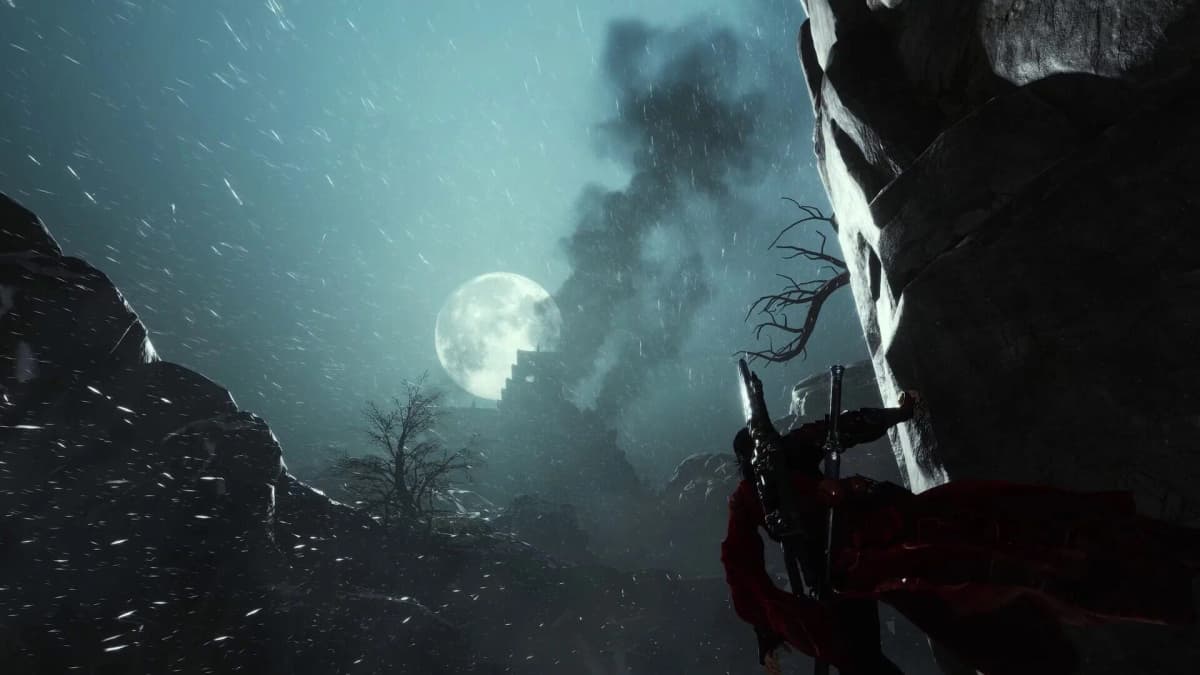
Where Winds Meet just hit 15M players — but should you care?
Game intel
Where Winds Meet
Where Winds Meet is an open world RPG set in the Ten Kingdoms period of medieval China. You take on the role of a swordsman who has grown up during war and con…
Why Where Winds Meet’s surge actually matters for players
This caught my attention because 15 million players in a single month is not just a press-release number – for an open-world Wuxia action-adventure RPG it signals something bigger: a smaller studio, Everstone Studio, backed by NetEase, has created a breakout hit that could reshape expectations for how Chinese-made RPGs launch globally.
- 15 million players across PC and PS5 in the first month is a strong early indicator of market appetite for Wuxia open-world action.
- Mobile’s late-month rollout will almost certainly inflate totals – and raise fresh monetization questions.
- An exploited AI-NPC loot loop shows how quickly live-service systems can be stress-tested by players.
- NetEase’s involvement means this is likely a long-term, cross-platform live service rather than a one-off single-player release.
Key takeaways
- Strong launch traction: 15M players suggests the game resonated beyond a niche audience.
- Mobile rollout is the next inflection point – expect a fresh wave of users and monetization pressure.
- Exploit discovered fast: a reminder that open economies and AI systems are fragile at launch.
- Developers’ gratitude and talk of responsibility is welcome, but players should watch patches and store economics closely.
Breaking down the numbers — what 15 million actually tells us
“15 million players” is a headline that works emotionally and for marketing, but it’s worth unpacking. That figure likely mixes platforms and early adopters across PC and PS5, and with the mobile rollout landing late in the month the overall monthly total is primed to jump again. For players, that early scale equals better matchmaking, more populated public spaces, and a stronger argument for sustained developer support — but it can also mean server strain, rushed balance patches, and a faster move into live-service monetization.
Why the developer’s gratitude matters — and why you should still be cautious
Everstone Studio publicly thanked players and framed the success as both pride and responsibility. That’s a good PR move and feels sincere — smaller teams usually mean more direct lines to the community — but “responsibility” in live-service land often translates to intensive content roadmaps and monetization experiments. With NetEase backing the game, expect the company to treat Where Winds Meet as an evergreen title: seasonal updates, cross-promos, and likely mobile-first revenue strategies that could reshape the experience for PC and console players.
Want to Level Up Your Gaming?
Get access to exclusive strategies, hidden tips, and pro-level insights that we don't share publicly.
Ultimate Gaming Strategy Guide + Weekly Pro Tips
The AI-NPC exploit: harmless fun or a symptom of bigger problems?
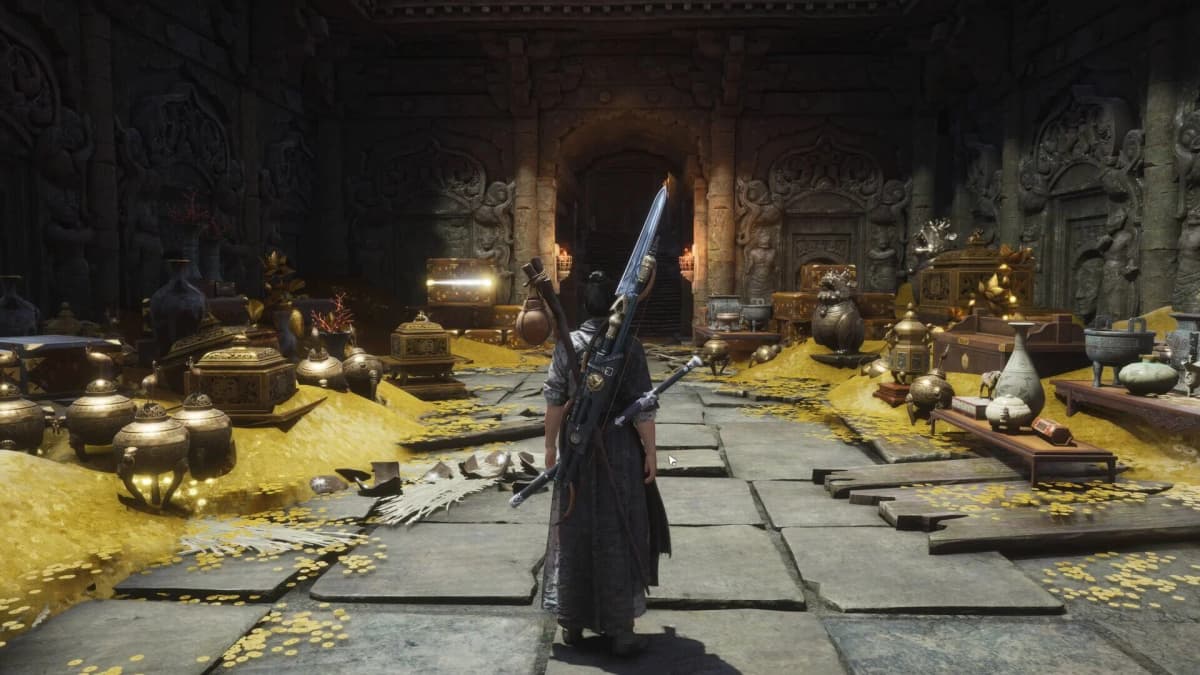
Some players found ways to use AI-controlled NPCs to farm free loot. That’s entertaining in the short term, but it’s also an early-warning light. Exploits like this can wreck in-game economies, unbalance progression, and force developers into hotfixes that break other systems. It also raises questions about how much the team anticipated emergent play: was this an oversight from rushed launch timing, or a predictable consequence of complex AI behavior interacting with loot rules?
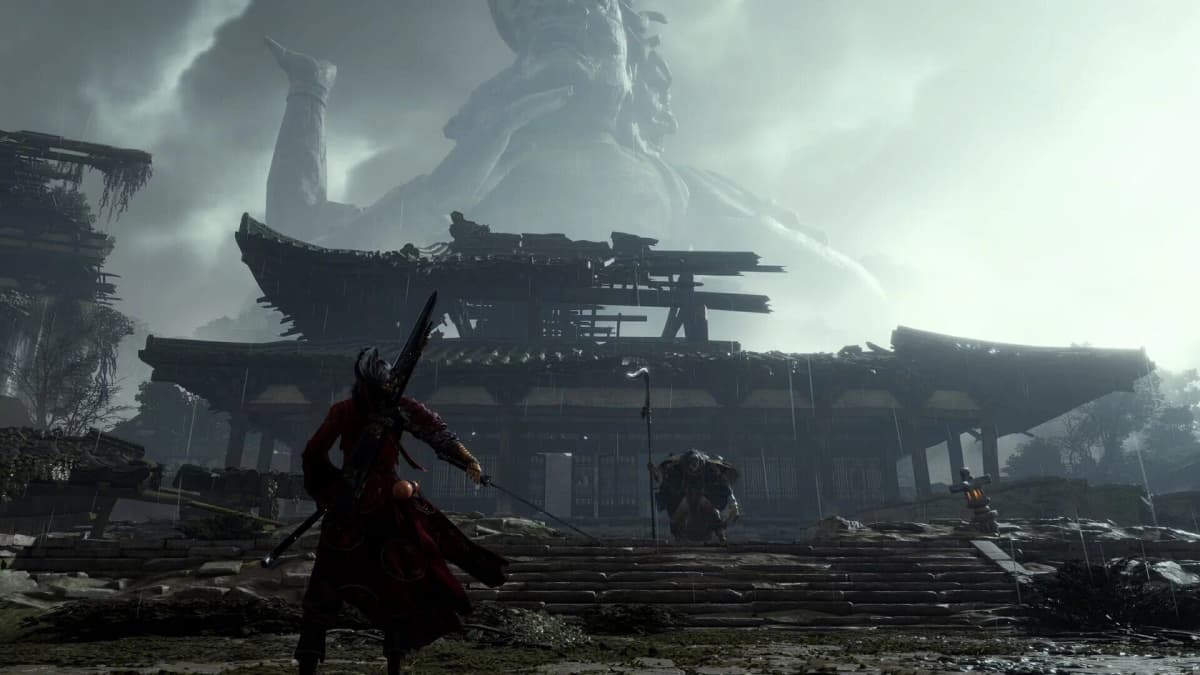
From a gamer’s perspective, quick fixes are fine when they preserve fairness. What’s bad is a patch cycle that punishes honest players to fix exploits, or a store that leverages scarcity created by an exploit patch to sell recovery packs. Pay attention to patch notes and developer transparency — these will tell you whether Everstone and NetEase are treating this as a community-first problem or a profit-first opportunity.
Why now — and what this means for the market
The timing is notable: the market is hungry for well-made action RPGs with strong world and combat hooks, and Where Winds Meet taps into Wuxia themes that Western releases haven’t leaned into as heavily at scale. If this game sustains its community, it could encourage more global launches from mid-sized Chinese developers, and push other publishers to invest in martial-arts-driven open-world titles.
What gamers should watch next
- Mobile launch effects: expect a player spike, UI/UX compromises, and fresh monetization moves.
- Patching cadence: frequent, transparent hotfixes are a good sign; opaque adjustments are not.
- Economy tweaks after exploit fixes — watch whether refunds or compensations are fair.
- Long-term content roadmap and cross-platform progression promises — those reveal intent.
TL;DR
Where Winds Meet hitting 15M players in its first month is impressive and makes this one of the more interesting new IPs in the action-RPG space — but success brings scrutiny. The mobile rollout and an early AI-NPC loot exploit are the two things that will shape how this game grows: expect both improvements and monetization pressure. For now, enjoy the world and the combat, but keep an eye on patches and store practices before committing long-term or spending big.