
Why exactly am I compiling a list of the best modern 4X games on PC? The blunt answer: not just for you, but for me—the self-confessed strategy junkie who’s sacrificed more weekends than I’d care to admit to endless turns, empire micromanagement, and surprise invasions. I’ve plowed through every classic staple and every spicy newcomer, and as we barrel toward 2025, I wanted to spotlight twelve titles that still fascinate, frustrate, and sometimes outright obliterate my productivity. Forget the dusty retrospectives that laude the same old icons—I’m talking about the games that demand your attention from turn one, the ones that keep you plotting midnight betrayals and agonizing over resource allocation past your bedtime.
Whether you’re seeking galactic epics, brutal war machines, or bite-sized diversions, this list has a 4X for every flavor of obsession. Each entry includes what makes it shine, from sprawling sandbox universes to lean tactical loops, and why it deserves a spot in your 4X hall of fame. So grab your favorite beverage, clear your schedule for the foreseeable future, and let’s dive into the twelve modern 4X PC games that will ruin—er, enrich—your 2025.
Table of Contents (13)
1. Stellaris: The Infinite Space Fever Dream
Why it stands out: Stellaris is Paradox Interactive’s sprawling sci-fi sandbox that marries deep empire-building with emergent storytelling and a thriving mod culture. Released in 2016 for PC, Mac, and Linux, it’s become the genre’s living experiment—every campaign can spiral into a unique interstellar saga.
From the moment you customize your empire’s ethics and aesthetics, you’re hooked. Pacifist avian federations sue for peace one moment, rogue AI uprisings erupt the next, all under the looming threat of a galaxy-devouring crisis. The real magic lies in the DLC hooks: Utopia’s megastructures invite Dyson spheres, Apocalypse’s doomsday weapons let you rain orbital destruction, and Federations turns diplomatic pacts into high-stakes backstabs.
Yes, the UI can feel like bureaucratic overkill, and expansion prices sometimes sting, but community mods swoop in to fill gaps—from UI Overhaul Dynamic to fan-made star races that redefine alien aesthetics. Multiplayer sessions are pure drama: alliances form and fracture in minutes, tribal vendettas spark over disputed wormholes, and betrayal deliveries arrive faster than warp speed. If you crave infinite variety and a galaxy that never stops evolving, Stellaris is your fix.
Paradox’s regular free updates and paid expansions ensure you never run out of new crises, story arcs, or strategic toys. Stellaris isn’t just a game—it’s a living galaxy that constantly reinvents itself, and nothing captures the glorious madness of 4X quite like it.
2. Civilization VI: Still the Default—and That’s Okay
Why it stands out: Civilization VI proves you don’t need to reinvent the wheel—just polish it until every turn feels irresistible. Since its 2016 launch, Firaxis Games’ flagship title has remained the most accessible 4X on PC, PS4, Xbox One, and Switch, with a loyal community still chanting “just one more turn.”
Its colorful, cartoony art style masks a ruthlessly deep system: city loyalty can break empires, climate events in Gathering Storm reshape strategies, and district planning forces you to juggle adjacency bonuses like a puzzle master. Sean Bean’s stirring voiceovers for civic unlocks add cinematic flair, and capturing a wonder never stops delivering goosebumps.
Expansions like Rise and Fall and Gathering Storm introduce dynamic eras and environmental consequences, while dozens of DLC packs bring new civilizations, leaders, and game modes. Mods amplify the madness: historical battle recreations, custom scenarios, and UI enhancements keep the “one more turn” curse in full effect. Multiplayer supports hot-seat, LAN, and online matches, so you can rain nuclear fire on your friends or broker peace treaties that blow up spectacularly.
Civ VI isn’t the flashiest newcomer, but its polished design, steady DLC stream, and boundless community creativity make it the reliable old friend you’ll revisit whenever you need a perfectly executed strategy fix.
3. Age of Wonders: Planetfall – XCOM Meets 4X (and It Works)
Why it stands out: Age of Wonders: Planetfall brilliantly fuses grand 4X empire management with XCOM-style tactical skirmishes. Triumph Studios took squad-based firefights and elevated them to an interplanetary scale, creating a hybrid that feels both ambitious and approachable.
On the macro layer, you expand across alien worlds, secure resource hubs, and assign governors to boost research or production. But when you encounter rogue settlements or hostile outposts, the game seamlessly shifts into grid-based combat. I still remember my first clash as a Dvar tank brigade stormed in—until teleporting psionic bugs turned my mechs into scrap. Those nail-biting firefights, where cover and flanking matter, inject visceral punch missing from many 4X titles.
Each faction—holy Oathbound knights, biomechanical Entropic Order, or the amphibious Assemblers—boasts unique units and story missions, so no two campaigns feel alike. Procedural world generation throws surprises like sentient jungles or derelict starships, feeding new lore hooks each playthrough. Co-op and PvP modes deepen replayability, and vibrant mod support has already delivered custom maps and balance tweaks.
Planetfall’s greatest triumph is weaving personal, story-driven combat into sweeping empire management. If you’ve ever wondered what would happen if Sid Meier and XCOM had a cosmic baby, Planetfall is your midnight obsession.
4. Endless Legend: Weird, Broken, and Unforgettable
Why it stands out: Endless Legend proves creative risk-taking pays off, injecting the classic 4X formula with asymmetric factions, a living world, and fantasy flair. Developed by Amplitude Studios and first released in 2014, it remains a marvel of hand-painted art and inventive mechanics.
Choose from factions like the Frost-touched Frostlings, the dust-drinking Broken Lords, or the influence-wielding Cultists. Each plays so differently that switching sides feels like an entirely new game. The hex-based map features vertical terrain, seasonal shifts, and harsh biomes—from volcanic wastes that ravage your units to fungal forests that grant mysterious bonuses.

Diplomacy blends alliances, trade pacts, and narrative quests—betraying a sacred vow can crater your reputation faster than a siege. Strategic resources, agent missions, and quest chains deepen the hooks. The orchestral soundtrack and dramatic visuals sometimes tempt me to idle in the main menu just to admire Auriga’s beauty and menace.
Bugs and balance quirks persist, but passionate community patches and official expansions like Shadows and Tides polish the edges. Endless Legend isn’t for the faint of heart, but if you crave a 4X that lives at the intersection of high fantasy and hardcore strategy, Auriga will chew you up—and spit you out craving more.
5. Galactic Civilizations IV: Civilization in Space, Finally Done Right
Why it stands out: Galactic Civilizations IV is Stardock’s most confident attempt yet at translating Civ-style empire building into a stellar opera. After mixed results with its predecessor, GalCiv IV nails the sector system and modular design that keeps you strategizing galaxy-wide without drowning in spreadsheets.
Each sector houses dozens of star systems overseen by appointed governors whose traits—diplomatic, economic, or military—shape your frontier management. The tech web branches demand real choices: do you chase quicker-than-light drives or invest in psionic warfare? Ship design is equally robust, with modular hulls and interchangeable weapons giving you custom dreadnoughts or nimble scouts.
Faction personalities add narrative spice—you might broker peace with telepathic Altarians one moment and repel an Orz-style invasion the next. Random anomalies like ancient derelict temples or volatile nebula storms drop in emergent events that feel truly surprising. Steam Workshop integration and mod support were baked in at launch, delivering custom races, quality-of-life UI tools, and fresh balance tweaks.
Stardock’s transparent development roadmaps and free content updates prove they’re listening. Galactic Civilizations IV still stumbles on AI treaty logic occasionally, but it captures the “one more sector” energy every space strategist craves.
6. Distant Worlds 2: The Overwhelming Space Opera
Why it stands out: Distant Worlds 2 is the most complex—and rewarding—sandbox in 4X gaming. If Stellaris is a vast galaxy, DW2 is the entire cosmos in a blender, and your job is to make sense of the chaos.
At first glance, the UI is labyrinthine. But once you unlock automation layers, you orchestrate sprawling trade networks, spy rings, and fleet compositions down to individual ship subsystems. I once set up a courier service that ended with my diplomats imprisoned by pirates—rescuing them required tactical finesse and diplomatic bribery that spanned weeks.
Ship customization covers engines, shields, weapons, and modules, letting you field everything from stealthy scouts to planet-shattering dreadnoughts. Diplomatic relations evolve over generations, with alliances, trade pacts, and wars shaped by leader personalities and faction goals. Pirate enclaves, merchant guilds, and dynamic commodity markets spawn emergent narratives that feel truly organic.
Community mods refine the UI and add new civs, while official expansions continue to deepen mechanics. Distant Worlds 2 demands patience, but the payoff is a sandbox so alive it feels more like a living universe than a strategy game.
7. Old World: Character-Driven Empire Drama
Why it stands out: Mohawk Games’ Old World reinvents 4X by weaving dynastic intrigue into empire management. Released in 2022 on PC, this title blends Civilization-style growth with character-driven events that keep family drama center stage.

Every ruler is more than a name—spouses, heirs, generals, and courtiers carry opinions, loyalties, and shady agendas. A beloved queen might push for a golden age, while your ambitious heir plots to seize the throne. Events unfold through narrative cards that force real choices: grant land to an ally and risk civil unrest, or strip titles to curb a usurper and spark rebellion.
On the macro side, you still found cities, research technologies, and field armies. But commanders gain experience, traits, and relationships that affect morale and battle outcomes. Battles play out on tactical maps, letting veteran generals outmaneuver larger foes. Meanwhile, your dynasty’s honor influences other realms’ willingness to forge alliances or declare war.
Old World’s pacing is deliberately slower—emphasis on story and character arcs over breakneck conquest. It’s perfect for those who want a 4X peppered with mini soap operas, where every victory and betrayal feels personal.
8. Humankind: Rewrite History Your Way
Why it stands out: Amplitude’s Humankind (2021) dares to let you blend cultural identities across eras. Instead of fixed civilizations, you choose a culture each era—Greek philosophers in Ancient times, Medieval samurai later, and industrial Brits thereafter, if you like. The result is a unique civilization life cycle every campaign.
Victory comes through Fame points earned by cultural, scientific, or military achievements. The Fame engine pushes you to think cross-era: should you pursue philosophical breakthroughs in the Renaissance or build wonders for late-game tourism? District management, supply lines, and citizen allocation feel familiar to 4X veterans, but the cultural blending mechanic means your civilization’s DNA is always changing.
Diplomacy and alliances hinge on reputation, era score, and emergent crises like starving city-states or climate disasters. Humankind’s soundtrack and art style borrow from history’s greatest epochs, enhancing immersion. Expansions such as Together We Rule introduce narrative-driven quests and faction storytelling, further deepening the late-game.
While some balance issues persist, community mods have patched many quirks, and Amplitude’s roadmap hints at more content. Humankind may not dethrone Civ, but its era-shifting innovation ensures no two playthroughs ever feel the same.
9. Sins of a Solar Empire: Rebellion – Real-Time 4X Warfare
Why it stands out: Sins of a Solar Empire: Rebellion by Ironclad Games marries real-time strategy with 4X scale, delivering epic space battles without turn-based downtime. Released in 2012, it still commands active modding and multiplayer communities more than a decade later.
Three playable factions—the Technocratic Advent, the regal Trader Emergency Coalition, and the bloodthirsty Vasari—offer radically different unit rosters and strategic emphases. Instead of turns, you juggle resources, research, and fleet production on the fly, while giant armadas clash in starry voids. Tactical pause lets you issue complex orders mid-battle, keeping the pace frantic yet controlled.
Planetary conquest is dynamic: siege platforms bombard defenses before boarding parties deploy, and orbital resources require careful protection. Diplomacy and trade are simplified but meaningful, letting you form pacts or pirate alliances that shift power balances. The mod scene adds new factions, quality-of-life UI tweaks, and total conversion packs, ensuring replay value stays sky-high.
Rebellion’s biggest draw is scale: dozen-ship skirmishes can spiral into 200-vessel slugfests, complete with capital ships duking it out under planet-shaking explosions. If you’ve ever wanted a 4X that feels like commanding an entire sci-fi fleet in real time, Sins remains unmatched.
10. Star Dynasties: Political Intrigue Among the Stars
Why it stands out: Star Dynasties by Lunar Ray Games injects 4X breadth with RPG-style family drama and resource scarcity. Released in 2023, it puts you at the helm of a fledgling dynasty seeking to restore your empire’s glory after generations in decline.
Character management takes center stage: each heir has stats, traits, and ambitions that influence decisions on the council. Marriage alliances, regicides, and hostage exchanges shape diplomatic relations. You juggle sector management—tax rates, defense garrisons, and planetary governance—while events like food shortages or starship mutinies force split-second choices.
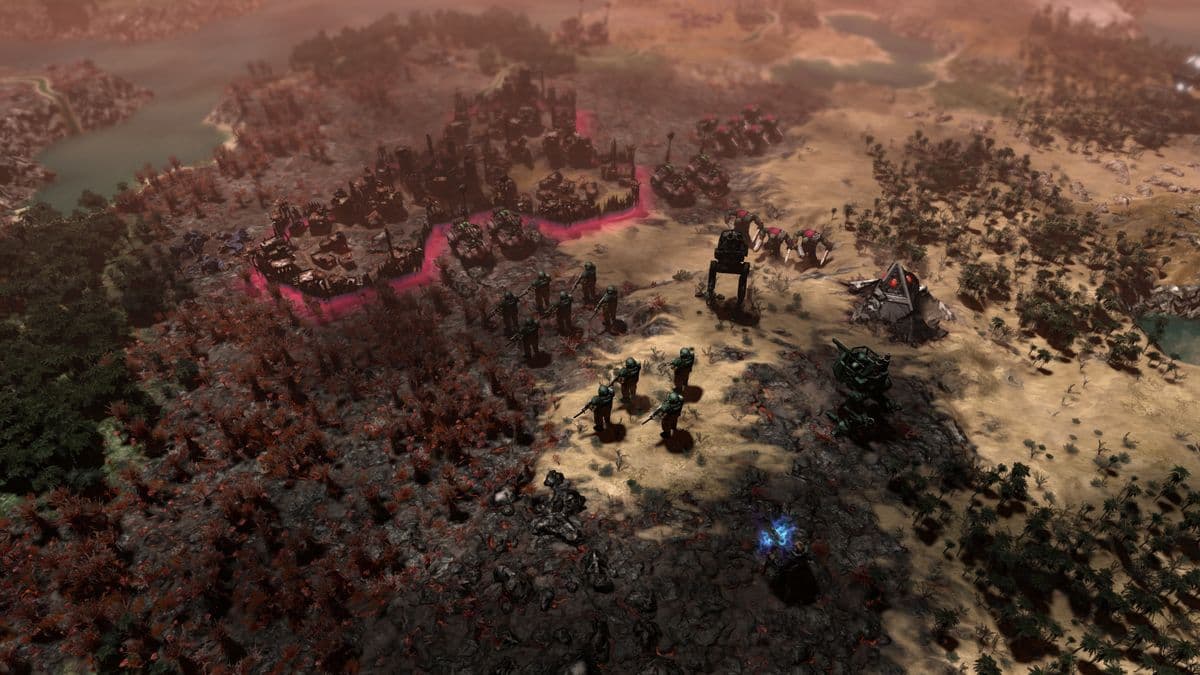
Combat is abstracted to planetary siege screens where generals with unique traits clash, but the real reward lies in navigating intrigue: an ambitious cousin’s coup can tear your realm apart unless you placate or purge them. Procedural narratives—hostile pirate coalitions, mysterious alien refugees, or civil unrest—keep every campaign feeling personal.
Star Dynasties may not boast sprawling tech trees, but its blend of politics, family drama, and strategic layer makes it a standout for players who love schemes as much as sweeping conquest.
11. Star Ruler 2: Infinite Scale, Infinite Chaos
Why it stands out: Star Ruler 2 by Blind Mind Studios pushes the concept of scale to extremes. Ships consist of dozens of modules, galaxies span tens of thousands of star systems, and diplomacy involves thousands of individual starbases—all simulated in real time.
Build ships piece by piece—turrets, engines, shields—then watch physics-based battles where trajectory and inertia matter. Research is handled via a dynamic pool, so you prioritize breakthroughs on the fly. Colonization feels explosive: a single colony rush can spark multi-sector wars when rival empires feel threatened.
Resource management is deep: rare elements fuel advanced modules, while trade networks and pirate economies emerge organically. Alliances are fluid, with AI personalities reacting to your every move. Steam Workshop support has produced mods for new races, UI overhauls, and automation tools that tame the chaos.
Star Ruler 2 isn’t for the faint of heart, but if you crave a 4X that treats you like a cosmic conductor managing an orchestra of star-faring empires, this is your ticket to organized chaos.
12. Age of Wonders 4: Fantasy Empires Reforged
Why it stands out: Triumph Studios returned to its roots in 2023 with Age of Wonders 4, combining deep empire building with tactical battles in a high-fantasy setting. Unlike Planetfall’s sci-fi metal, AoW4 revels in dragons, spellcasting lords, and enchanted forests.
Map exploration and city development feel classic, but customization runs deep: choose your race, ruler archetype, and legendary abilities before each campaign. Tactical combats play out on hex grids enriched by environmental spells—summon lightning from storm clouds or enchant rivers into acid traps. Core mechanics like city allegiance and realm laws let you sculpt an empire’s identity.
Story scenarios and campaign objectives provide narrative hooks, while a sandbox mode invites you to rewrite your own fantasy saga. Multiplayer includes co-op and competitive modes, and the mod community has already delivered new races, artifacts, and UI enhancements.
Age of Wonders 4 masterfully balances nostalgia with modern polish, delivering a fantasy 4X that feels both familiar and fresh. If you want arcane empires and kingdom-scale wars, this is your new obsession.
Conclusion: Seize Your 4X Fate in 2025
There you have it—twelve modern 4X PC games that will demand every ounce of your strategic cunning in 2025. From the living galaxies of Stellaris and Distant Worlds 2 to the familial intrigue of Old World and Star Dynasties, each entry brings its own flavor of obsession. Maybe you’ll rewrite history in Humankind, wage real-time galactic war in Sins of a Solar Empire, or craft fantasy empires in Age of Wonders 4. Whatever your poison, these titles prove the 4X genre remains as vibrant and innovative as ever.
So clear your weekends, stock up on snacks, and prepare for countless “just one more turn” nights. Your empire awaits—go forth and conquer, explore, exploit, and exterminate in 2025’s best 4X adventures.
FinalBoss // Gear
Level up your setup
01Graphics cardson Amazon→02Gaming laptopson Amazon→03High-refresh gaming monitorson Amazon→04Discounted game keyson Kinguin→Affiliate links · As an Amazon Associate, FinalBoss earns from qualifying purchases.
Want to Level Up Your Gaming?
Get access to exclusive strategies, hidden tips, and pro-level insights that we don't share publicly.
Ultimate Top Strategy Guide + Weekly Pro Tips