
10 Jenna Ortega Performances That Will Blow Your Mind
Some actors simply command attention—no matter the genre, time period, or character type. Jenna Ortega has proven herself a master of transformation, whether she’s navigating gothic boarding schools or surviving blood-soaked farmhouses. Below, we count down her top ten roles that linger long after the screen goes dark—and explore why each one cements her status as Hollywood’s most versatile young talent.
Table of Contents (11)
1. X (2022)
Ti West’s retro-splattered horror film X transports us to rural 1979 Texas, where a small crew is determined to shoot an adult movie in an isolated farmhouse. Ortega plays Lorraine, a mild-mannered church-run DVD-shop clerk who stumbles into a fight for her life. Lorraine might look like a by-the-book “final girl,” but Ortega enriches her with inner turmoil, flashes of courage, and unexpected physical grit.
From her first wide-eyed glance down a dark corridor to her final desperate scramble across blood-slick floors, Ortega flips between fragility and ferocity. Critics noted that her silent terror often spoke louder than the film’s signature squibs and splatters. Ti West himself commended her “uncanny ability to shift from vulnerable to vicious in a heartbeat.”
Audiences took to film forums and fan art communities to dissect Lorraine’s ingenious survival tactics—lock-picking with hairpins, strategic distraction maneuvers, and a willpower that feels achingly human. Gamers see echoes of tension in classics like Resident Evil 2 and Until Dawn, where split-second decisions and methodical exploration separate life from bloody demise. In X, Jenna Ortega reminds us that true horror lies not in gore, but in a character’s resilience under unimaginable pressure.
2. The Fallout (2021)
Megan Park’s intimate drama The Fallout confronts the aftermath of a school shooting with unflinching honesty. Ortega stars as Vada Cavell, a teenager whose world shatters in an instant. The film unfolds like a waking nightmare—fractured memories, shockwaves of grief, and the desperate search for connection in a landscape of trauma.
Ortega’s Vada isn’t a walking trope; she’s an emotional terrain that shifts by the second. One moment, she’s racked by panic, pressing trembling fingers to her phone; the next, she shields herself behind gallows humor. Small details—a finger tracing a crack in the wall, a half-smile turning to sobs—carry the weight of mountains.
Audiences and festival panels alike praised Ortega’s grounded performance. Far from soapbox hysteria, she delivers a raw portrait of resilience that sparked conversations about mental health and communal healing. Viewers confessed online that Vada’s insomnia-haunted nights and desperate attempts to find normalcy mirrored their own experiences.
For gamers who cherish emotional storytelling—titles like Life Is Strange or Night in the Woods—Vada’s journey is a lesson in empathy. Ortega proves that a hushed, character-driven narrative can resonate as powerfully as the loudest blockbuster. In her hands, grief becomes a universal language.
3. You – Season 2 (2019)
When Netflix’s You moved from New York to Los Angeles in Season 2, Jenna Ortega joined the cast as Ellie Alves, a foster-care teen with streetwise wit and a sixth sense for danger. From her first quip to her last, Ellie never plays the naïve sidekick—she’s a survivor, sizing up Joe Goldberg’s manipulations with razor-sharp logic.
Ellie’s exchanges crackle: a sarcastic eyebrow raise, a biting retort, a calculating silence that says more than words. Critics applauded how Ortega held her own opposite Penn Badgley’s chilling performance. Their scenes—Ellie confronting Joe’s lies, Joe stalking Ellie’s social media—became water-cooler moments that fueled fan theories and GIFs across Twitter and TikTok.
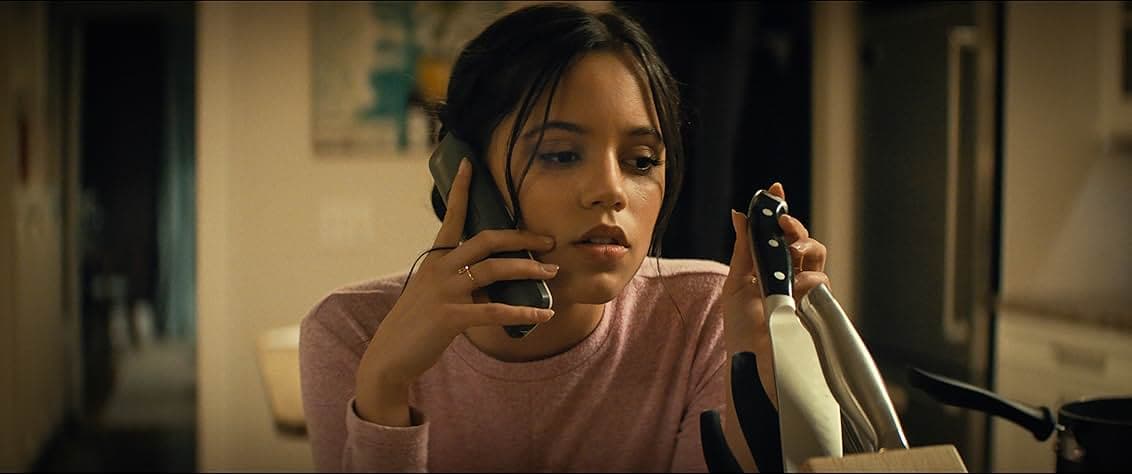
Viewers rallied behind Ellie as Season 2’s moral compass. They rooted for her escape even as they feared the next twist. Gamers who savor detective adventures—think LA Noire or The Wolf Among Us—will recognize Ellie’s blend of intuition and inquiry. In Ellie Alves, Jenna Ortega proves that intelligence and sass can be just as lethal as any supernatural power.
4. Wednesday (2022–Present)
Under Tim Burton’s eerie vision, Netflix’s Wednesday thrusts Ortega into the shoes of Wednesday Addams, now a teen sleuth at Nevermore Academy. Ortega infuses the gothic icon with millennial irony and deadpan swagger, all while honoring the character’s macabre roots. Her stoic one-liners hit like daggers, and her unexpectedly graceful—yet chilling—dance at the Fall Formal became an instant cultural phenomenon.
Beneath the quips and the schoolyard spooks, Ortega conveys Wednesday’s longing for belonging, loyalty to her oddball clan, and a fierce moral code. She transforms every clue-hunting scene into a lesson in cool under pressure. The series clocked more than 341 million viewing hours in its first week—Netflix’s biggest English-language launch to date—and fans flooded social media with cosplay tutorials and reaction breakdowns of Ortega’s most bone-dry expressions.
Gamers designing narrative puzzle titles—echoes of Nancy Drew or hidden-object adventures—already cite Wednesday as a goldmine of inspiration. With Season 2 in active development and Ortega stepping up as co-producer, she’s not just acting the part; she’s shaping a new chapter in the Addams legacy.
5. Scream VI (2023)
Scream VI ups the stakes by moving Ghostface’s hunt to the claustrophobic subways and skyscrapers of New York City. Ortega returns as Tara Carpenter, whose fierce protectiveness of her sister and razor-sharp humor make her one of the franchise’s most engaging new leads. Now hardened by trauma, Tara navigates narrow platforms and shadowy corridors with adrenaline-fueled grit.
Ortega captures the tension of urban survival—every echo in a train tunnel, every glance up at CCTV cameras—with palpable urgency. Yet she never loses her trademark wit, tossing quips at Ghostface that undercut the terror. Critics noted that her bond with Melissa Barrera’s Sam deepens the film’s emotional stakes, giving audiences more than jump scares—they care about these sisters.
Fans declared Tara a modern scream queen, celebrating her resourceful tactics and fearless showdown scenes. Gamers drawn to cooperative horror experiences—like Dead by Daylight—understand that teamwork, timing, and quick thinking separate hunter from hunted. In Scream VI, Jenna Ortega elevates franchise staples into moments of genuine heart-racing excitement.
6. Scream (2022)
The 2022 reboot of Scream dropped Ortega into one of cinema’s most iconic opening sequences. As Tara Carpenter, she transforms terror into empowerment, combining visceral fright with sharp, self-aware humor. From throat-clutching screams to crisp one-liners about horror-movie “rules,” Ortega plays every beat with magnetic authenticity.
Her performance breathed fresh life into a time-honored franchise. Reviewers singled out her ability to honor the series’ lore while carving out a role entirely her own. Memorable fight choreography—think improvised traps and resourceful counterattacks—sparked waves of fan-made reaction videos, all praising Ortega’s blend of vulnerability and grit.
Gamers familiar with jump-scare pacing in titles like Five Nights at Freddy’s will recognize the same pulse-pounding tutorial: learn fast, adapt faster, or you won’t survive the next level. In less than ten minutes of screen time, Ortega engraved herself in horror history.
7. Beetlejuice Beetlejuice (2024)
Returning to the afterlife’s whimsical hellscape, Ortega steps into Lydia Deetz’s shoes once more—now a mother guiding her daughter Astrid through haunted hallways and poltergeist pitfalls. Tim Burton’s signature blend of the macabre and the quirky is the perfect stage, and Ortega honors Winona Ryder’s original performance while charting new emotional territory.
Her Lydia balances deadpan detachment with genuine maternal concern, facing ghostly chaos armed with sardonic wit and surprising warmth. Critics praised Ortega for unearthing new depths in a beloved character, especially in scenes where Lydia confronts past traumas through her child’s eyes. Fan art and theory threads exploded online, dissecting hidden Burtonian easter eggs—and Ortega’s knowing glances.
Though no official game adaptation has surfaced, the sequel’s puzzle-ridden afterlife looks ripe for interactive exploration. Imagine guiding Lydia—and by extension, Ortega’s nuanced performance—through ghost-fuelled side quests and nostalgic callbacks to Burton’s original vision.
8. American Carnage (2022)
American Carnage thrusts Ortega into a high-concept social thriller. She plays Liv, a college student touring a politically charged museum exhibit called Blade & Bone—until the doors lock and the debate morphs into a live-action escape room. Corridors shutter, power flickers, and tensions spike.
Ortega keeps the pace blistering. Liv’s sarcasm punctures the film’s tension, only to be replaced by raw terror as unseen forces tighten their grip. Reviewers credited Ortega with grounding the premise in human stakes—her quick observations and empathetic moments transform a gimmick into a commentary on collective responsibility.

Viewers praised Liv as a heroine you genuinely root for, even as the thermometer climbs and time runs out. Gamers who love multiplayer horror labs—titles like Phasmophobia—will recognize the same blend of collaboration and dread. Ortega’s performance reminds us that leadership often emerges under unthinkable pressure.
9. Studio 666 (2022)
In the Foo Fighters’ horror-comedy Studio 666, Ortega makes a show-stealing cameo as Skye Willow, the caretaker’s daughter. When the band’s mansion gets possessed, Skye’s brief but unforgettable possession scene steals the spotlight with over-the-top facial contortions and pitch-perfect comedic timing.
Ortega leans fully into B-movie cheesiness—one moment shrieking in demonic glee, the next flipping to tender innocence. Critics and fans alike lauded her for squeezing maximum laughs and screams into limited screentime. It’s a masterclass in how to make a cameo truly count: unforgettable, uproarious, and just a touch sinister.
Gamers who appreciate horror-comedy mash-ups—think Deadly Premonition or High on Life—will find echoes of Ortega’s turn in Skye’s wild tonal swings. She proves that even a quick appearance can leave a lasting mark.
10. Yes Day (2019)
Before her horror-queen era, Ortega charmed audiences in Netflix’s family comedy Yes Day. As Katie Torres, the teen who pushes her parents to loosen the rules for one 24-hour spree, Ortega balances teenage rebellion with genuine heart. Her comedic timing—delivering exasperated eye rolls and spontaneous lip-sync battles—lights up every scene.
But it’s her quieter moments that stick: Katie’s bittersweet longing for deeper family bonds, captured in a single lingering glance after a chaotic obstacle course. Critics noted that Ortega grounded the film’s high-concept premise in relatable teen emotions—loneliness, excitement, and that earnest want to be heard.
For gamers designing family-friendly adventure games—titles like It Takes Two or Unravel—Katie’s mix of fun and sincerity would translate seamlessly into cooperative challenges and heartwarming story beats. Ortega proves that comedy, too, can showcase her remarkable versatility.
Why Jenna Ortega Is a Force to Be Reckoned With
From indie horror standouts to Netflix crowd-pleasers, Jenna Ortega has shaped each role with chameleon-like precision. She moves effortlessly between terror and humor, grief and resilience, always leaving a part of herself on screen. Whether you’re looking for pulse-pounding tension or laugh-out-loud antics, Ortega delivers. And as she steps into co-producer chairs and expands her creative reach, one thing is clear: we’ve only seen the beginning of her remarkable journey.
FinalBoss // Gear
Level up your setup
01Top-rated gaming headsetson Amazon→02High-refresh gaming monitorson Amazon→03Gaming chairson Amazon→04Discounted game keyson Kinguin→Affiliate links · As an Amazon Associate, FinalBoss earns from qualifying purchases.
Want to Level Up Your Gaming?
Get access to exclusive strategies, hidden tips, and pro-level insights that we don't share publicly.
Ultimate Top Strategy Guide + Weekly Pro Tips