
Why This $5 Indie Digging Game Is Impossible to Put Down
In an era dominated by sprawling open worlds, endless skill trees, and microtransaction traps, stumbling upon a game that distills play down to one pure mechanic feels almost revolutionary. A Game About Digging A Hole, a passion project by solo developer Doublebee, is exactly that kind of revelation: a $5 sandbox experience that invites you to grab a shovel and surrender to the simple joy of tunneling downward. No distractions, no paywalls—just you, a shovel, and the promise of hidden mysteries waiting beneath the surface. What starts as a five-minute curiosity break quickly transforms into marathon digging sessions. But how does such a minimalist concept sustain that kind of engagement? Let’s dig in and find out.
Core Digging Loop: Simple Yet Addictive
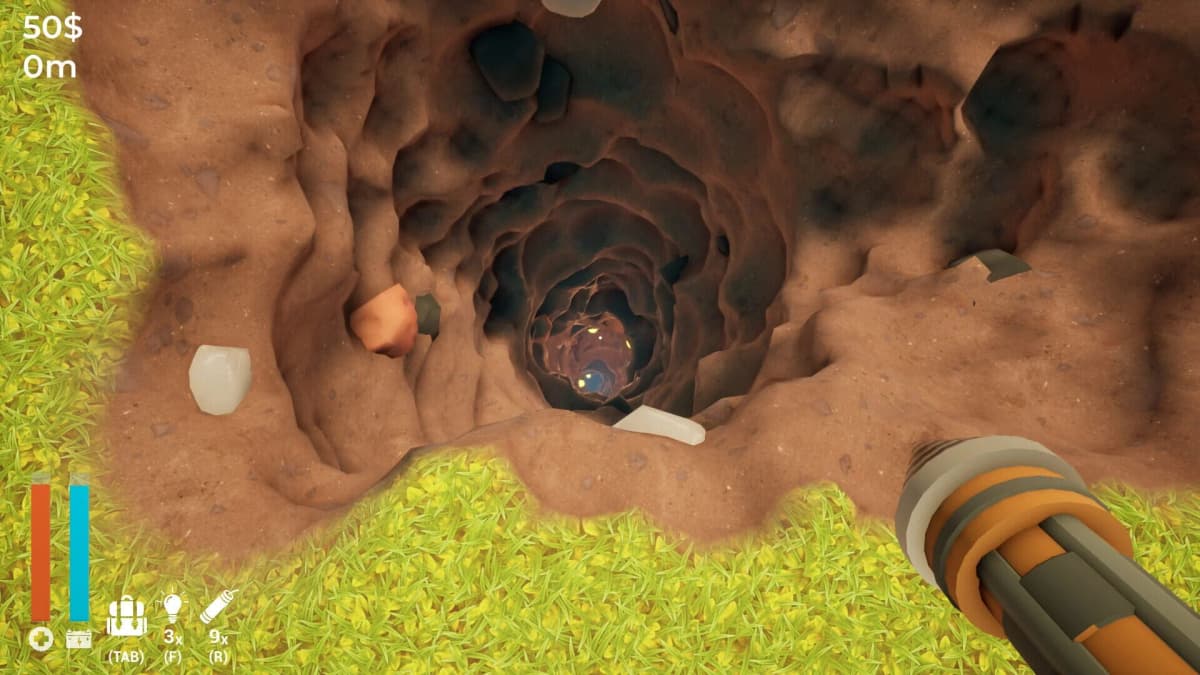
The heart of A Game About Digging A Hole is a deceptively straightforward loop: swing your shovel, break through blocks, collect terrain fragments, repeat. While blockbuster titles layer complexity on top of complexity—branching narratives, intricate combat systems, sprawling upgrade trees—this indie gem strips everything back to one tactile pleasure. Every click of the shovel delivers instant visual feedback: chunks of dirt crumbling, clay shifting, stone fracturing. That satisfying crack, paired with a precise thump in the audio mix, triggers an almost Pavlovian response: you want to dig again, and again. Over time, subtle variations—shards of emerald-green ore glinting in the walls, veins of shimmering quartz—serve as intermittent rewards that punctuate the steady rhythm. These micro-bursts of excitement keep you leaning forward, even when the grind gets real.
Visual and Audio Feedback: Every Shovel Strike Sings
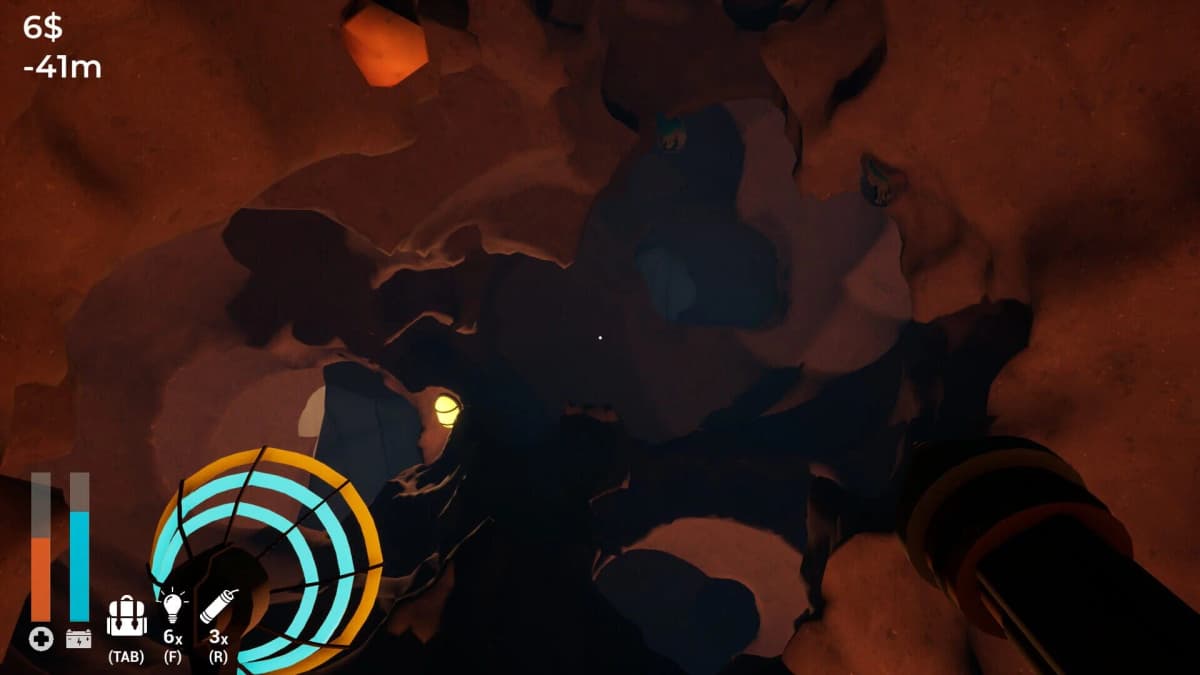
One of Doublebee’s masterstrokes is the way this game engages your senses. Layers of distinct materials—soft brown dirt, reddish clay, cold gray stone, and iridescent ore—are rendered in crisp pixel art that feels both nostalgic and fresh. Each surface has its own break animation and sound cue, so smashing through clay feels different from chipping at rock. The audio is equally thoughtful: muffled crunches, hollow echoes, and subtle environmental ambiance create a soundscape you’ll unconsciously listen for as you dig. There’s no music track fighting for attention—just the gentle hum of your headlamp and the rhythmic pulse of shovel on earth. That sparse design leaves mental room for immersion, turning every tunnel into a private, almost meditative experience.
Progression and Upgrades: Meaningful Rewards Without Overkill
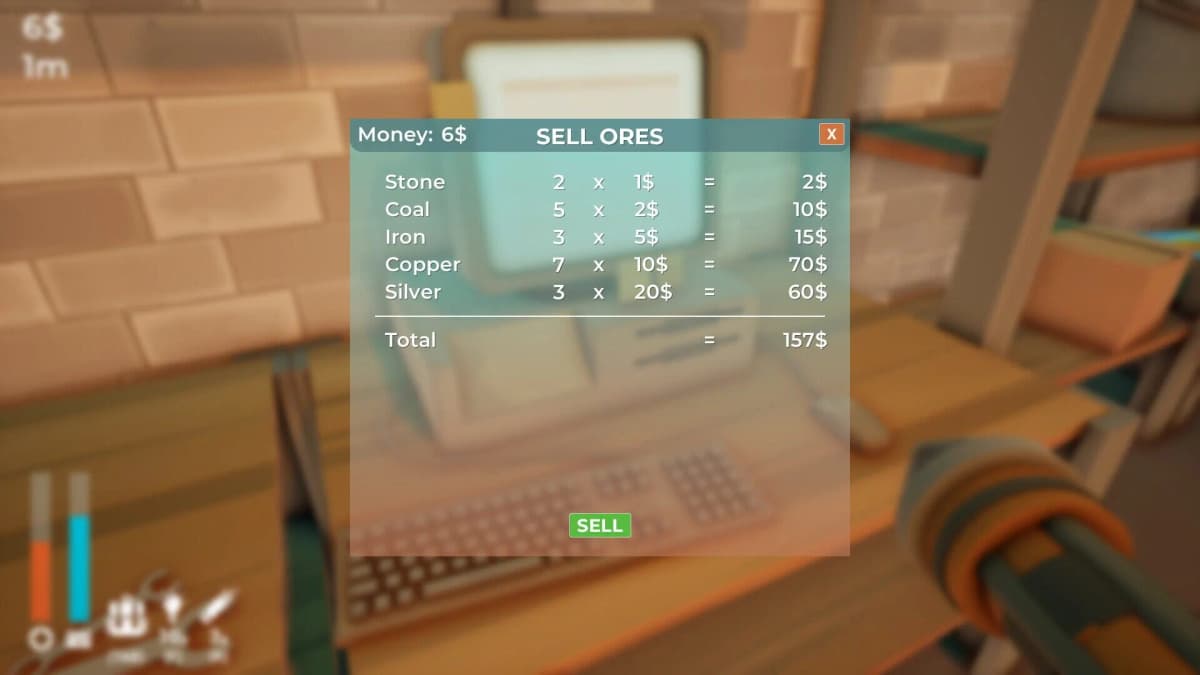
Progression in A Game About Digging A Hole feels purposeful without ever becoming overwhelming. You begin with a battered wooden shovel that barely scratches stone. Earn enough fragments, and you unlock a reinforced metal blade that slices through rock layers faster. After that comes a sturdy steel shovel for deeper digs, a backpack upgrade to hoard more materials, and eventually a headlamp that brightens dark caverns and extends battery life. Late-game surprises include a whimsical mini-jetpack attachment that lets you hover over deep chasms—perfect for plotting out new tunnel routes from above. Each unlock feels like a genuine boost to your digging prowess, and the pacing is tuned so well that you’re always looking forward to “just one more tool.”
Minimalist Passion Project: Solo Dev’s Focused Vision
Behind this hypnotic sandbox sits a one-person studio with a clear mandate: keep it simple, polish relentlessly, and trust that pure gameplay can shine. Doublebee self-imposed constraints early on, choosing to avoid feature creep by building everything around a single mechanic. According to dev updates, initial playtests saw people losing track of time mere minutes after clicking “Play.” Instead of layering on quests, NPCs, or elaborate storylines, Doublebee poured effort into refining shovel animations, fine-tuning pacing, and balancing material rarity. The result is a game that feels bulletproof in its core design. When was the last time you played something that did exactly one thing—and did it so well?
How It Compares to Other Sandbox Titles
Digging games aren’t new—Minecraft popularized the block-based craft-and-build model over a decade ago, selling over 300 million copies and proving that simple loops can become cultural phenomena. In its early access phase, Minecraft was priced around $5, and that low barrier helped it hit one million sales in record time. A Game About Digging A Hole shares that accessible price point but zeroes in on a single slice of the Minecraft experience: tunneling downward. Without crafting tables, survival pressures, or hostile mobs, this game channels pure excavation bliss. While Minecraft fires your creativity with limitless block choices, this indie gem keeps your focus on momentum, flow, and the next underground surprise. For players craving that elemental digging thrill—uncluttered by survival meters or sprawling biomes—Doublebee’s title delivers faster, cheaper, and more serenely.
Player Community Response: Shared Discoveries
Despite its solo dev roots, A Game About Digging A Hole has sparked a lively community of explorers. On forums and social feeds, players share annotated screenshots revealing hidden relics, secret caverns, and unique underground biomes discovered through meticulous excavation. One enterprising fan mapped out a massive crystal cavern tucked under the earliest map layers. Another documented rare “magma pockets” that require a specific shovel tier to penetrate safely. These community-driven guides not only extend the game’s lifespan—they underscore how a simple mechanic can foster collaborative creativity. Even without a built-in map editor or mod support, players are finding ways to celebrate and expand on the game’s core strengths.
Developer Takeaways: Lessons for Game Makers
- Embrace simplicity: A single, well-polished mechanic can outshine dozens of half-finished features.
- Transparent pricing: A modest one-time fee builds trust, goodwill, and a larger initial audience.
- Iterative polish: Continuous refinement of core elements—sound, visuals, feedback—creates habit-forming play.
- Solo impact: One creator with a clear vision can break through indie noise by focusing on what truly matters.
Conclusion: A Tranquil Digging Escape
A Game About Digging A Hole is more than a quirky budget title—it’s proof that game design, at its best, can be both laser-focused and deeply immersive. By shedding everything but a trusty shovel and an underground canvas, Doublebee delivers a meditation on momentum and discovery that’s hard to quit. Whether you’re craving a break from loot boxes or just seeking a new way to unwind after a long day, this $5 indie gem offers endless excavation adventures. Pick up your shovel, dive in, and prepare to lose track of time—this is one hole you won’t want to fill.