
Table of Contents (12)
The $40 Sweet Spot—and Why I Care
Arc Raiders hitting a $40 price tag instead of staying free-to-play grabbed my attention because it’s a public experiment in how you monetize multiplayer without devolving into predatory microtransactions. Embark Studios shifted from F2P to a $39.99 standard edition, leaned on Helldivers 2 as inspiration, and ended up with over 12 million copies sold, roughly $350 million in net revenue, and a peak daily user count on January 4, 2026. That’s more than a success story—it’s a data point for any studio weighing a free door versus earning trust with a modest upfront fee.
Key Takeaways
- Pricing Wins: $40 feels like an impulse buy yet funds steady live-service content—players rewarded the model.
- Sales & Engagement: 12M units sold (7M on Steam), peak daily users topping six figures on launch weekends.
- Design Validation: The extraction shooter loop—procedural hotspots, high-stakes loot, PvPvE tension—justifies the price.
- AI Voice Debate: Embark’s use of AI lines cuts costs but raises authenticity and labor concerns.
- Industry Impact: Other multiplayer teams are eyeing the $40 sweet spot—but risks remain for under-served studios.
Background: The Premium vs. Free-to-Play Dilemma
The last decade saw free-to-play dominate multiplayer shooters: low barriers, massive user acquisition, then endless microtransactions and grind walls. But F2P turned toxic in many cases—players burned out on pay-to-win loot boxes, aggressive battle passes, and gating core progression. Premium launch prices climbed to $70, leaving mid-tier studios vulnerable: too pricey to compete, too expensive to sustain steady live updates.
Arc Raiders sits in the middle. By charging $40, Embark Studios aimed to avoid F2P’s worst pitfalls—grind, pay walls, community churn—while still funding a live-service roadmap. Premium enough to build trust, affordable enough to attract hundreds of thousands of players out of the gate.
Case Study: Helldivers 2’s Precedent
Helldivers 2, also a $40 multiplayer shooter without a campaign, proved there’s room between F2P and full-price. Producer Patrick Söderlund told GamesBeat, “We basically looked at games like Helldivers and other titles and decided, ‘OK, that is where we should sit.’ We didn’t have a campaign, so we figured we don’t want the price to be an offender for someone. We’d rather make people feel like it’s totally worth 40 bucks.” Embark borrowed that principle: strong core loop, single entry fee, ongoing seasons.
Within weeks of Helldivers 2’s late 2024 launch, concurrent player peaks rivaled big-budget F2P titles. Embark saw the same potential: apply that recipe to extraction shooters, where tension and loot risk drive the fun.
Breaking Down Why $40 Worked
First, $40 hits the psychological “sweet spot.” It’s low enough for impulse buys—especially on Steam sales or console discounts—yet substantial enough to cover six months of live updates, seasonal events, and developer support. Embark’s roadmap includes four major seasons and weekly challenges, all funded by front-loaded revenue.

The extraction loop amplifies the value proposition. You drop into a procedurally generated hotspot, scavenge rare resources from AI-controlled “Arks,” then race to extract before rival squads or environmental hazards get you. Lose your gear, and the sting feels earned. Win, and that sense of relief and accomplishment makes the $40 feel trivial.
Player Perspective: One Steam reviewer wrote, “I’ve sunk 60 hours and never felt pushed into microtransactions. It feels worth $70 but only costs $40.” That community praise echoes across forums: upfront cost equals peace of mind.
Financial Breakdown: Sales, Revenue, and What It Means
Let’s talk numbers. Arc Raiders has sold 12 million copies worldwide, with about 7 million on Steam and the rest split between PS5 and Xbox Series X|S. At $39.99 a pop, gross revenue approaches $480 million. After platform fees, taxes, and operational costs, Embark disclosed roughly $350 million in net revenue by March 2026.
Peak daily users hit on January 4, 2026, just after Season 2 launched, when concurrent player counts topped 1.2 million. Weekly active users (WAU) hold above 4 million, and monthly active users (MAU) hover around 7 million, giving a healthy DAU/MAU ratio of ~0.6—an indicator of strong retention.
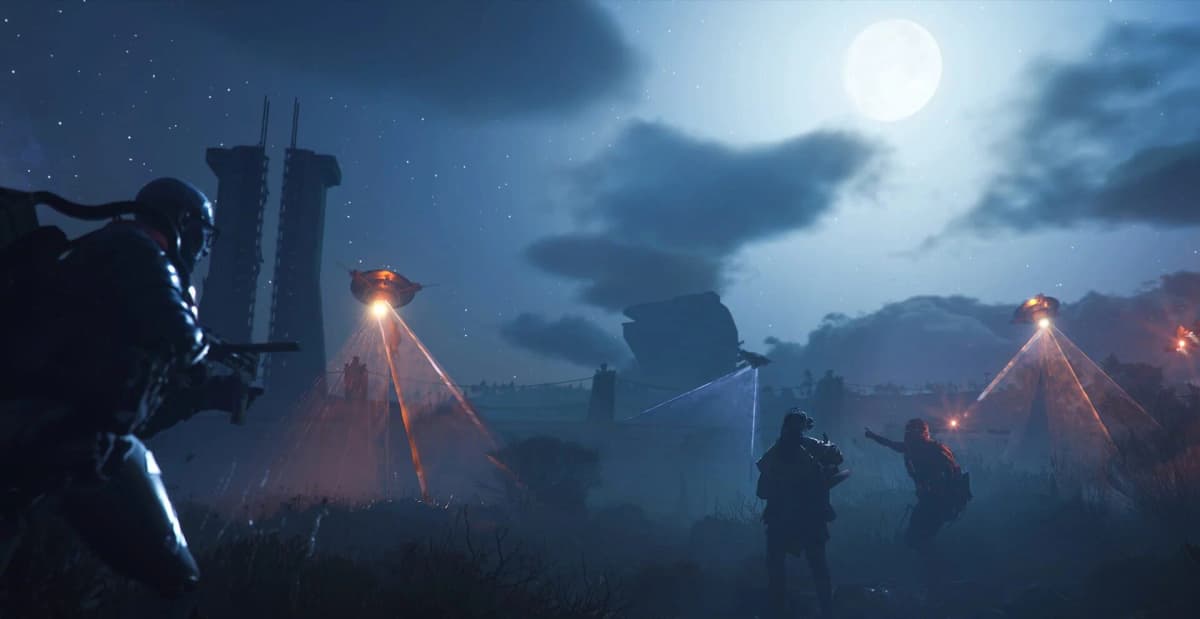
Measuring Success: What Metrics to Watch
If you’re weighing this model for your studio—or just curious as a gamer—keep an eye on:
- DAU/MAU Ratio: A ratio above 0.5 suggests players return regularly.
- 30/60/90-Day Retention: Does a game retain at least 30% of new users one month later?
- Peak Concurrency: How many players are online at once during key events?
- Net Revenue Per User (NRPU): Total revenue divided by active user base, excluding outliers.
- Community Sentiment: Steam ratings, Reddit threads, and Discord server activity.
Those metrics separate a healthy premium multiplayer live service from one that’s burning out after launch month.
Risks and What Could Go Wrong
Charging $40 isn’t a magic bullet. Risks include:
- Under-Delivered Content: If seasons dry up or events feel thin, players will lose faith.
- Microtransaction Creep: Publishers might brand $40 “ethical” entry then sneak in aggressive store offers.
- Studio Scale Limits: Smaller teams may struggle to support a live-service cadence without F2P cash infusions.
- Community Fragmentation: A paid barrier can improve toxicity ratios but shrink social networks that thrive in free ecosystems.
Smaller indie studios, in particular, need to map their content pipeline and budget carefully before betting on a premium tag.
What This Means for Gamers—Immediate, Practical Advice
If you’re eyeing Arc Raiders or a similar $40 shooter, here’s how to get the most bang for your buck:
- Start with the free default loadouts to learn enemy behavior without risking rare gear.
- Prioritize early hotspot grabs: high reward for a small time investment.
- Craft melee tools at the Hub—they’re low-cost and powerful crowd-control assets.
- Use voice chat or Discord for squad coordination; six-player raids demand teamwork.
- Watch seasonal calendars for double-drop weekends and timed challenges that boost resource gains.
On PC, mouse and keyboard precision shines in firefights. On PS5, adaptive triggers and haptics amplify tension when Arks ambush you.
The Not-So-Pretty Bits: AI Voices and Labor Concerns
Embark’s decision to use AI-generated voice lines has sparked debate. The studio defends it as a cost-saving for live services that require thousands of dialogue cues. But there are real questions:
- Can AI banter ever feel genuinely human?
- What impact does AI have on voice actors’ livelihoods?
- Will players resent synthetic delivery if it undercuts immersion?
I’m cautiously optimistic: if AI lines are indistinguishable and free developers to build actual content, it’s a net win. But if studios lean too hard on synthetic audio to cut corners, the community will notice—and backlash could be severe.
Broader Industry Impact—Why Other Studios Are Watching
Arc Raiders proved there’s appetite for a premium-priced multiplayer model that sits below the $60–$70 bracket. Already, several upcoming shooters have flirted with the $35–$45 range, citing Arc Raiders’ success as validation. But the long game remains unwritten.
Publishers could weaponize a “$40 = ethical” marketing angle while still peppering in loot boxes and battle passes. Meanwhile, smaller teams without Embark’s resources might struggle to sustain live-service expectations on a one-time fee. Gamers should watch launch roadmaps, content pipelines, and community engagement before pressing “Buy.”
Conclusion
Arc Raiders’ $40 experiment shows premium multiplayer can thrive without F2P’s dark side—provided studios commit to consistent, non-exploitative content. As other developers test the mid-tier price point, players will reward those who balance affordability with genuine live-service support. In today’s crowded shooter market, that trust might be worth more than any microtransaction.
FinalBoss // Gear
Level up your setup
01Top-rated gaming headsetson Amazon→02High-refresh gaming monitorson Amazon→03Gaming chairson Amazon→04Discounted game keyson Kinguin→Affiliate links · As an Amazon Associate, FinalBoss earns from qualifying purchases.
Want to Level Up Your Gaming?
Get access to exclusive strategies, hidden tips, and pro-level insights that we don't share publicly.
Ultimate Gaming Strategy Guide + Weekly Pro Tips