
Table of Contents (8)
The trend that caught my attention
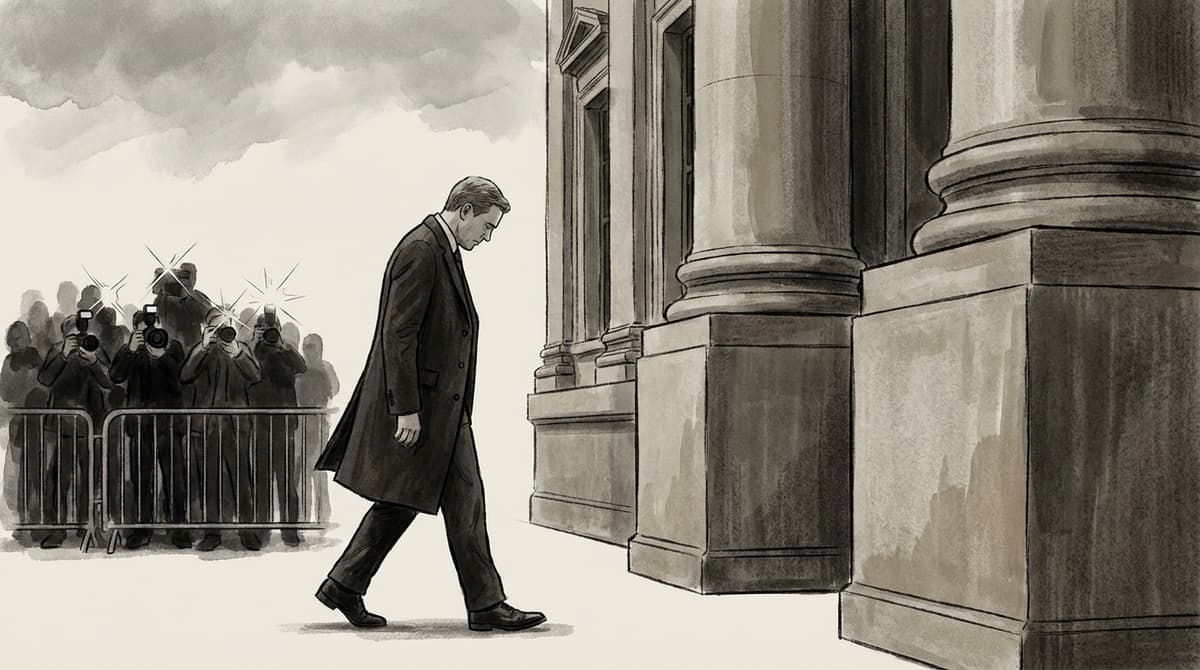
When a real-world scandal goes viral, expect the game press and modders to follow – not out of research curiosity but because scandal sells. The recent reporting around Prince Andrew and the Epstein probe (including media coverage of an arrest reported on Feb. 19, 2026 and subsequent release under investigation) has quickly become raw material for conspiracy‑thriller releases, remasters and community mods. The real story here isn’t that developers like dark subject matter – it’s that large swathes of the industry are turning still-active investigations into gameplay hooks before the legal and ethical dust has settled.
Key takeaways
- There’s a wave of games and mods reframing “elite scandal” beats into mechanics – good for tense storytelling, risky for exploitation.
- Some updates (official remasters and big-studio DLC) handle themes with narrative nuance; community mods and DLCs named to directly evoke real figures are the ones to watch.
- Gamers should judge these releases on intent: are they interrogating power, or monetizing misery for clicks?
Why this matters now
Games have always borrowed from headlines, but the pace and proximity have changed. Faster pipelines, modular remasters, and an emboldened mod scene mean a topical story can appear in playable form within weeks. That shortens the distance between an ongoing investigation and an entertainment product — a gap that used to include time for reporting, legal clarity, and public reflection. Now a developer or mod author can name an item, mission or DLC after a current affair and ride the traffic spike.
The uncomfortable observation the PR teams hope you miss
When studios slap “inspired by” onto packaging, it sells emotional charge without responsibility. Community creators will often call things out bluntly — “Epstein Protocol” mods, “Norfolk raid” missions, or DLC notes that echo real victims — and platform storefronts let them ride for visibility. That’s not always malicious: good fiction can interrogate power and complicity. But the closer the title mimics ongoing legal matters, the more it risks turning alleged crimes and living people into tropes for engagement metrics.
Which releases handle it responsibly (and which don’t)
Not every game in the space is a cheap grab. Studio projects that frame conspiracy within wider political systems, provide space for reflection, and avoid direct naming of ongoing cases are doing the most meaningful work. Mods and remasters that add explicit references to living individuals or active probes are the ones to call out. They do two things well: they give players investigative tools and moral choices. They do one thing poorly: they sometimes replace rigorous context with sensationalist collectibles and achievement porn.
The question nobody’s asking
Where is the line between “inspired by” and “profiting from”? Platform and storefront policy is the short answer. I want to see three concrete signals: removals or rebrandings of content that explicitly target ongoing legal matters; documented developer statements about proceeds (charity or otherwise) when dealing with real victims; and clearer moderation of monetized mods that use real names or appear to capitalize on active investigations.
What to watch next
- Storefront enforcement: any takedowns, rebrands, or policy memos regarding “real person/ongoing investigation” content over the next 60 days.
- Developer transparency: official statements on intent or charity commitments tied to scandal‑adjacent releases.
- Mod marketplace behavior: whether major hosts start flagging or removing monetized mods that use living people’s names or active probes.
- Community response metrics: player counts and social engagement for titles that explicitly echo the headlines — spikes here show what the market rewards.
If I were talking to the PR rep behind one of these titles, my question would be blunt: why this, why now, and who benefits? That gets to the heart of whether a game interrogates power or merely exploits it for clicks.

TL;DR
High-profile scandals are feeding into a surge of conspiracy‑thriller games and mods. Some entries do smart work around power and accountability; others feel exploitative. Watch platform moderation, developer transparency, and how quickly mods or DLCs try to monetize active investigations — those signals will tell you whether this wave is a new form of civic storytelling or a short-lived cash grab.
FinalBoss // Gear
Level up your setup
01Top-rated gaming headsetson Amazon→02High-refresh gaming monitorson Amazon→03Gaming chairson Amazon→04Discounted game keyson Kinguin→Affiliate links · As an Amazon Associate, FinalBoss earns from qualifying purchases.
Want to Level Up Your Gaming?
Get access to exclusive strategies, hidden tips, and pro-level insights that we don't share publicly.
Ultimate Gaming Strategy Guide + Weekly Pro Tips