
Kojima’s Hype Hang-Up: Why Universal Praise Spooks DS2’s Creator
Game intel
Death Stranding 2: On the Beach
Embark on an inspiring mission of human connection beyond the UCA. Sam — with companions by his side — sets out on a new journey to save humanity from extincti…
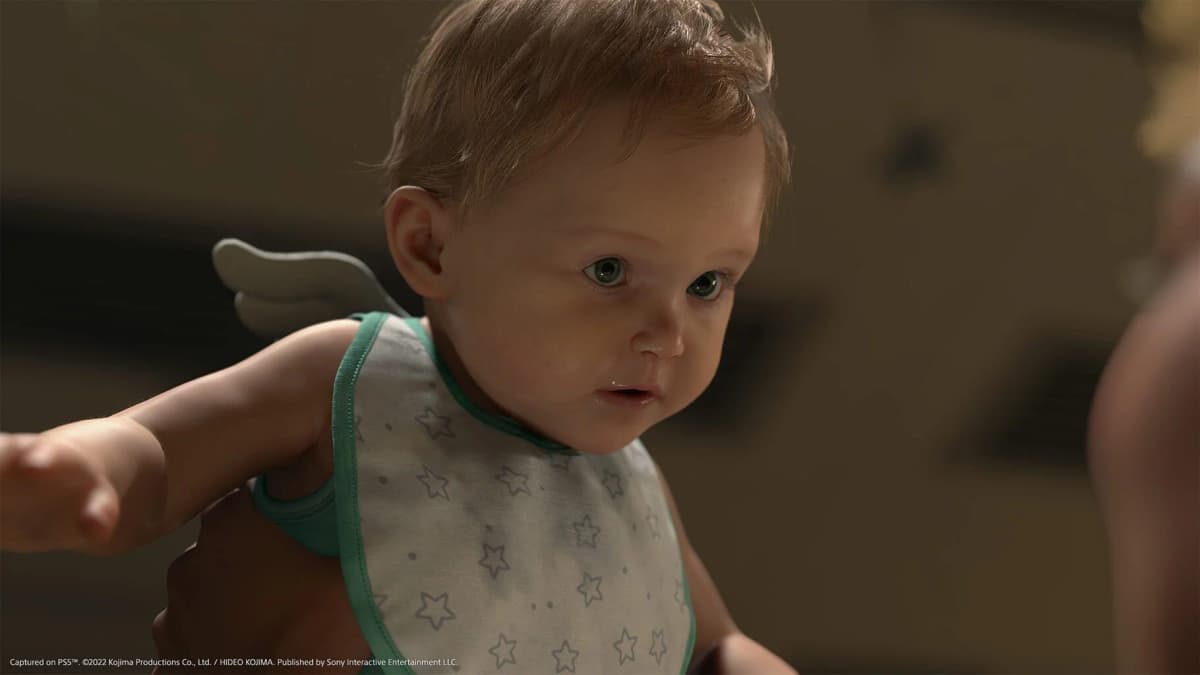
If you’ve followed the buzz around Death Stranding 2: On The Beach, you’ve probably seen preview after preview praising Hideo Kojima’s latest opus. Yet in an unusual twist, Kojima himself is wary of the chorus of thumbs-ups. In a recent interview, he warned that too much early love might actually undermine the game’s staying power. As someone who thrives on debate, Kojima is betting on a little friction—rather than blanket approval—to give DS2 the cult status he covets.
From Meta Twist to Marketing Headache
Kojima Productions, founded in 2015 after his split from Konami, has never shied away from risk. The original Death Stranding launched in November 2019 to a polarized reception—praised for its haunting atmosphere and bold narrative, lambasted by some as a glorified “walking simulator.” Yet five years on it has sold over 20 million copies and built a fervent fanbase. That launch firestorm is exactly what Kojima wants for DS2: a game people argue about long after its release.
Why a “Safe” Sequel Scares Him
“Games that endure aren’t always hugged at first,” Kojima told Game Informer. He points to titles like Dark Souls and Nier, which arrived to mixed reviews but grew into cultural touchstones. In Kojima’s view, instantaneous praise can mean a sequel is playing it too safe—catering to critics instead of challenging them.
That approach flies in the face of today’s trend toward focus-tested, live-service blockbusters. Big publishers dream of glowing Metacritic scores and uniform praise, but Kojima fears that gloss might come at the cost of originality. He isn’t obsessed with launch-day chitchat; he wants gamers still hashing out story metaphors and gameplay oddities in Reddit threads five years down the line.
Opposing Voices: Can Hype Be a Force for Good?
Critics of Kojima’s stance argue that universal enthusiasm fuels communities and drives long-term sales. A strong opening reception can spark word-of-mouth, secure lucrative partnerships, and even boost secondary markets (think fan art, cosplay, speedruns). One industry veteran notes, “Safe praise isn’t inherently bad—sometimes it opens doors to new audiences who might never risk a polarizing experience.”
Some players fear that aiming for controversy could feel like contrivance—an artificial “edge” designed to stir debate rather than emerge organically from design. If DS2 deliberately courts division, there’s a risk the game comes off as self-important or inaccessible to newcomers. In other words, too much Kojima-style mystique could backfire and leave casual fans behind.
No DLC, No Live Service—A Full Plate at Launch
In another eyebrow-raising move, Kojima confirms there will be no story DLC or season passes for Death Stranding 2—only bug fixes and quality-of-life patches. When asked about post-launch content, he said, “I’d rather ship a complete experience than drip-feed pieces later.” Fans weary of endless expansions will welcome that stance, but it also underlines his belief that the core game must be strong enough to weather scrutiny on day one.
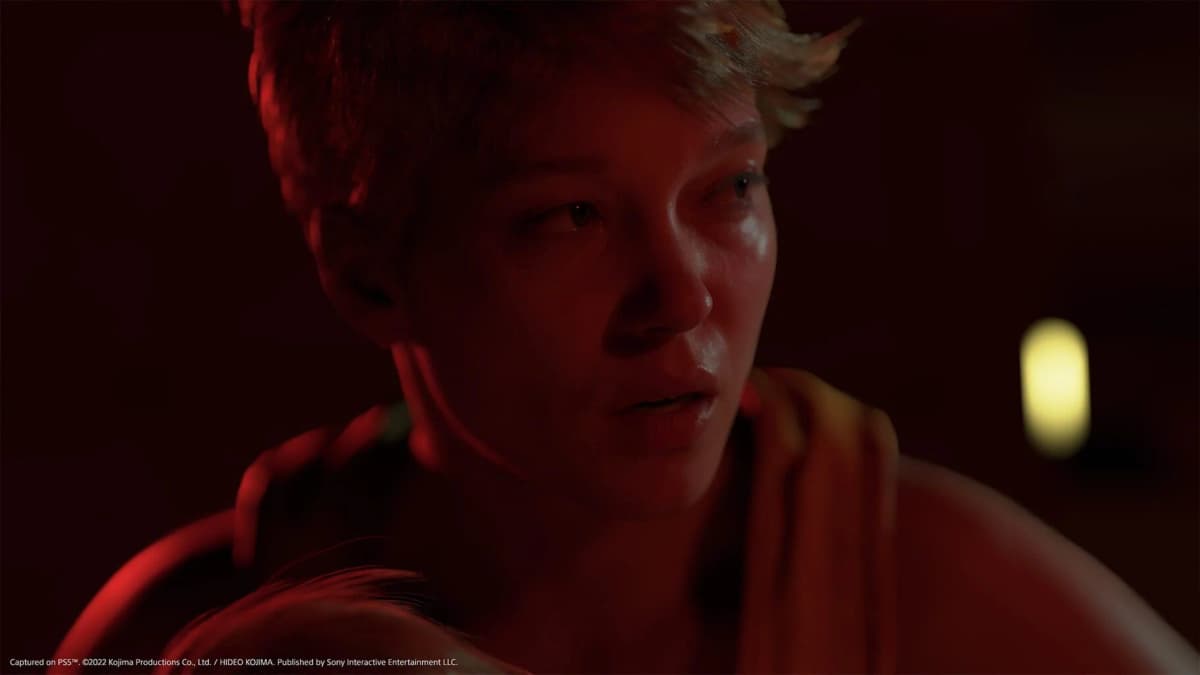
As for platforms, DS2 will arrive on PlayStation 5 on June 26, 2025. A PC version remains “under consideration” but isn’t officially confirmed. Kojima Productions prefers to avoid speculation, so any PC window or Steam page remains tentative until Sony makes an announcement.
Want to Level Up Your Gaming?
Get access to exclusive strategies, hidden tips, and pro-level insights that we don't share publicly.
Ultimate Gaming Strategy Guide + Weekly Pro Tips
Eyes on the Horizon: Kojima’s Next Secret Project
Even before DS2 hits shelves, Kojima has his next idea sketched out—though details are hush-hush. If history is any guide, expect another genre-bending gamble. From the espionage theatrics of Metal Gear Solid to the apocalyptic tension of Death Stranding, he rarely returns to familiar territory.
What It Means for You
If you thrive on gaming that sparks debate, Kojima’s discomfort with unanimous praise is actually reassuring. It suggests DS2 will pack surprises, odd detours, and the kind of grand ideas that polarize opinion. But if you’re looking for a sequel that simply builds on familiar mechanics and winks at the crowd, you might find this Kojima roller-coaster exhausting.
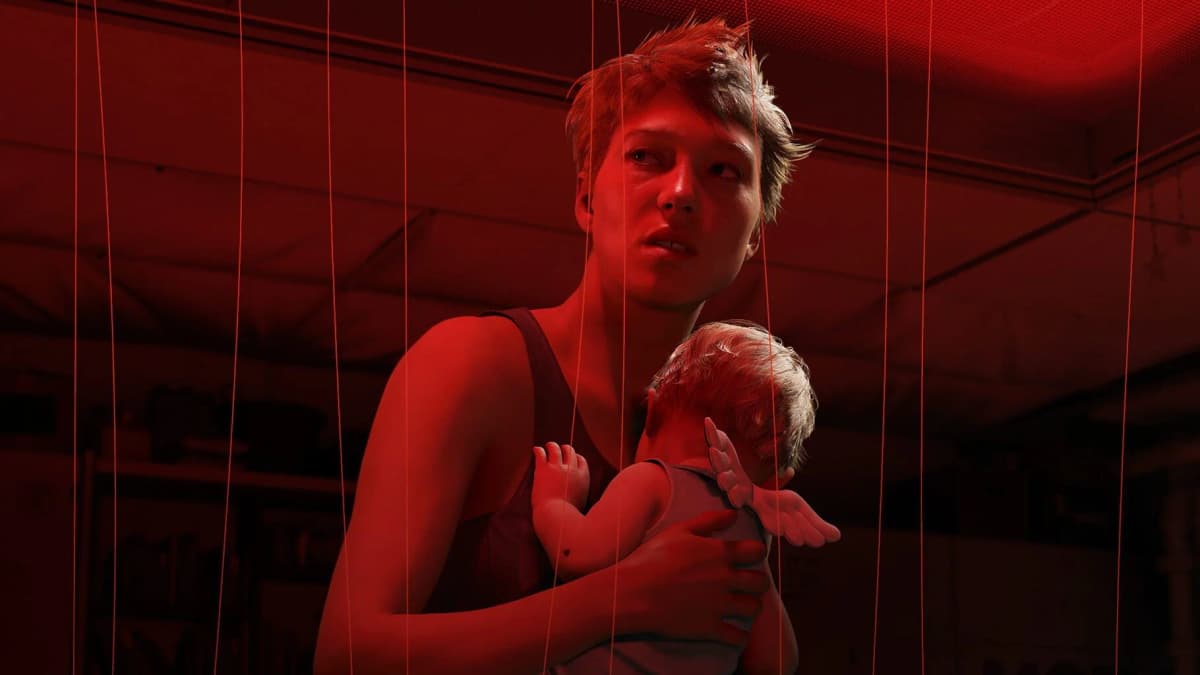
And let’s be honest: a game that rolls out to rave reviews can still launch necessary conversations. Universal love can evolve into nostalgia-fueled passion later on—just ask Journey or Celeste. So whether you side with Kojima’s “spicy take” or believe hype is a harmless engine for community, Death Stranding 2 promises one thing: it won’t be boring.
Bottom Line
Hideo Kojima’s unease about glowing previews is more than an auteur’s quirk—it’s a strategic bet on controversy as a longevity engine. He’s rejecting live service, DLC cascades, and guaranteed praise to deliver a standalone, debate-ready experience. Whether that gamble pays off or alienates players remains to be seen—but in a market drowning in safe sequels, a little discomfort might be exactly what we need.
TL;DR
- Kojima fears universal hype could dilute DS2’s long-term impact.
- No narrative DLC or live-service elements—just patches if bugs appear.
- Release on PS5 June 26, 2025; PC port unconfirmed.
- Some insiders argue broad acclaim boosts communities more than controversy.
Level Up Your Setup
As an Amazon Associate, FinalBoss earns from qualifying purchases.