
Table of Contents (15)
The night an orc captain made me care about Lord of the Rings games again
My turning point with Lord of the Rings games wasn’t some sweeping Helm’s Deep reenactment or a perfectly recreated Shire. It was a grubby Uruk captain named “Muzglob the Poet.” He wasn’t scripted, he wasn’t important to the main plot, and yet he’s burned into my memory more than half the movie tie-in bosses I’ve ever fought. He killed me early in Middle-earth: Shadow of Mordor during a messy brawl in a muddy corner of Udûn, got promoted on the spot, and then wouldn’t stop hunting me. Every encounter he’d show up with new scars, new lines, new grudges. That was the first time a licensed game let Middle-earth fight back like it was alive.
That feeling – of a world reacting, remembering, evolving – is my north star for this list. There’ve been more than fifty Tolkien games over the decades, stretching from text adventures on microcomputers to MMOs and modern open worlds. Some are pure film nostalgia, some lean on the books, some mash everything together thanks to licensing miracles. With a new Tolkien project on the horizon and modern tech (just look at stuff like Crimson Desert’s physics-driven chaos) proving that huge reactive fantasy worlds are doable, it feels like the right moment to look back at the games that actually did something interesting with Middle-earth.
These are the 11 Lord of the Rings games that stuck with me – not just because they let me swing Andúril or visit the Prancing Pony, but because they pushed their genres, made bold choices with the license, or carved out weird little corners of Middle-earth I still think about. And yes, we’re starting with the one that made Muzglob a legend.
1. Middle-earth: Shadow of Mordor
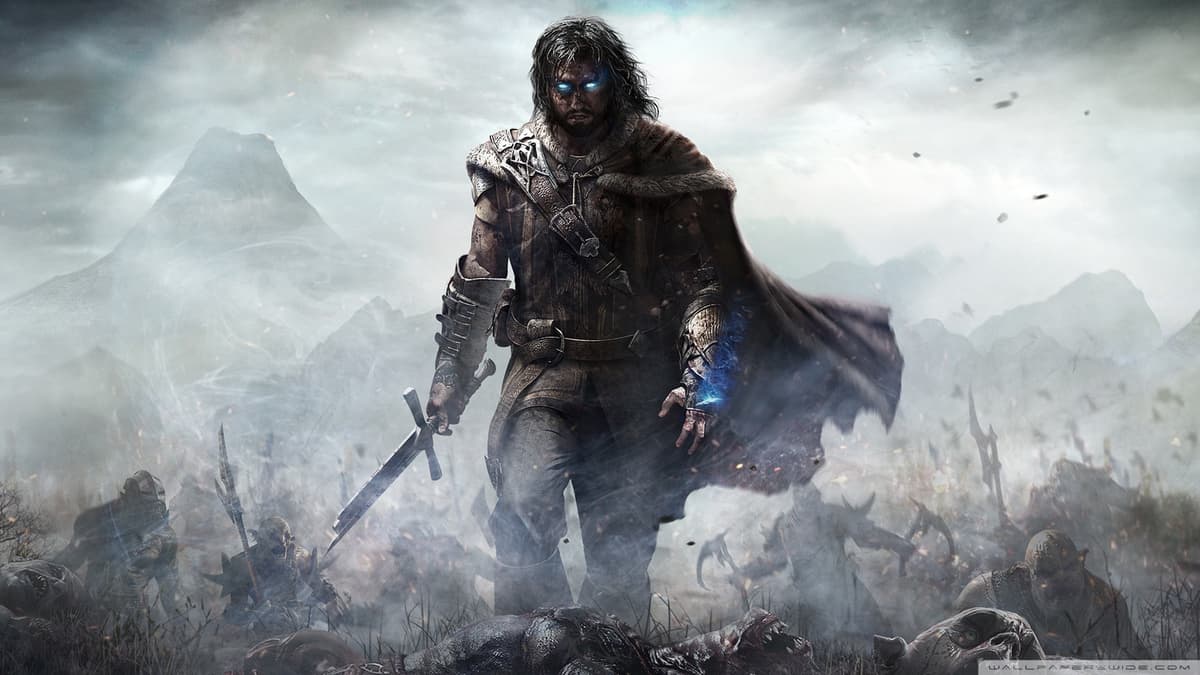
I’ve played more technically impressive games since Shadow of Mordor, but few have rewired how I think about licensed worlds the way this did. On paper it sounds like a mash-up: Assassin’s Creed traversal, Arkham-style combat, revenge plot wedged between The Hobbit and The Lord of the Rings. In practice, none of that is what makes it legendary. It’s the Nemesis system. The first time an Uruk you barely remembered comes back with a burned face, snarling about how you left him for dead, you realize this isn’t just an orc-murder power trip — it’s a personal feud simulator wearing Mordor’s skin.
My own campaign turned into a corkboard of grudges. One captain with a fear of Caragors kept escaping me until I finally hunted him during a beast hunt, turning his own quarry against him. Another nobody bodyguard accidentally killed me during a rescue attempt, shot up the hierarchy while I lay in the dirt, and then spent the rest of the game showing up at the worst possible moments to gloat. None of that was scripted. It was just systems, traits, and dice rolls bouncing off my failures.
That’s why Shadow of Mordor tops the list: it uses the setting as fuel for emergent storytelling instead of a checklist of movie scenes. Talion and Celebrimbor’s revenge tale is tighter and less lore-drunk than its sequel, and the world design is lean by today’s standards — two main regions, no map bloat — which keeps the Nemesis-driven drama front and center. Knowing that the Nemesis system ended up patented and rarely copied only makes this feel more like a weird, brilliant one-off era of Tolkien games. For me, this is still the bar every Middle-earth adaptation has to clear.
2. Middle-earth: Shadow of War
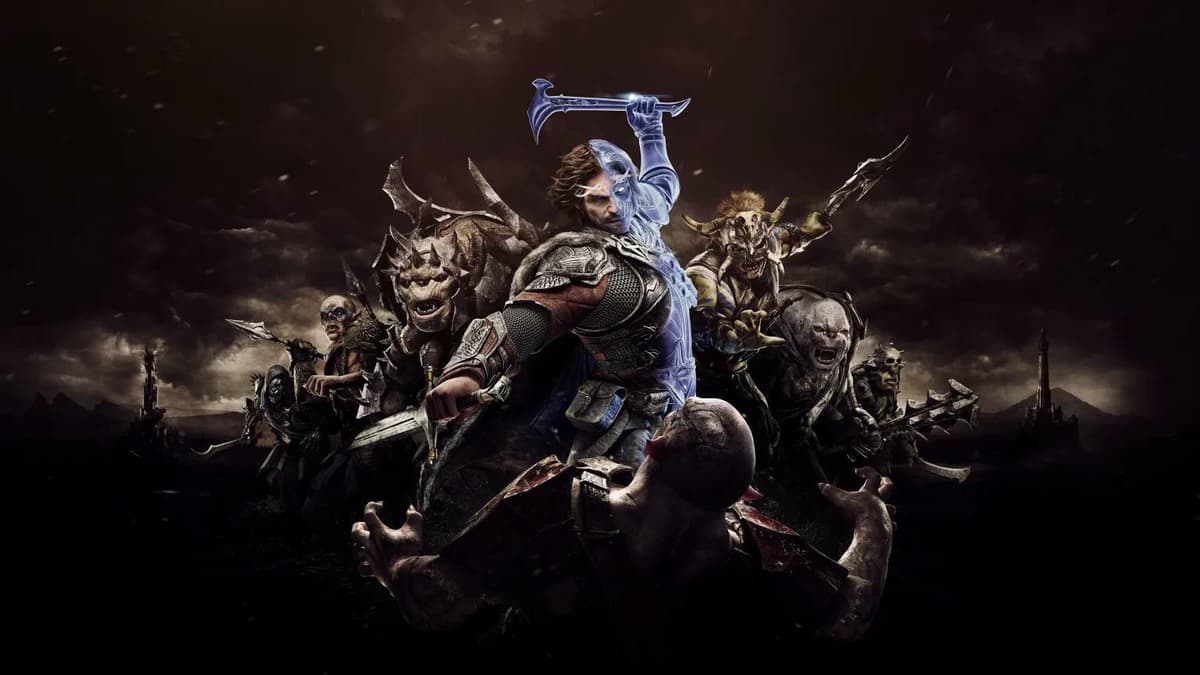
If Shadow of Mordor is the sharp, focused proof of concept, Shadow of War is the overstuffed sequel that tripped over its own ambition and still landed somewhere fascinating. The first time I led a full-blown fortress siege, with my hand-picked orc captains screaming insults from siege beasts while poisoned arrows rained down from battlements, it finally felt like the series had hit the scale the films always promised. The Nemesis system is deeper here: captains form blood brother bonds, betray you mid-siege, cheat death, or even swap sides to join your ranks in ways that make the frontlines feel like a soap opera with axes.
But the price of that escalation is bloat. The story throws in human-form Shelob, Ringwraith retcons, and Ring-forging twists that sometimes feel like they’re playing lore Mad Libs just because Warner Bros. had the rights to both the books and films. At launch, the late-game was bogged down by grind and ugly monetization, turning the final “Shadow War” act into a slog. Most of that has been dialed back, but the design scars are still visible if you know where to look.
Even so, I can’t deny what it pulls off when it clicks. My favorite moment wasn’t a scripted cutscene; it was when a long-time follower betrayed me during a siege, only for a lowly grunt I’d barely noticed to step up, kill him, and get promoted on the spot. That unscripted reversal made Talion’s doomed march toward Wraithdom feel genuinely tragic. Shadow of War doesn’t beat its predecessor overall, but as a sandbox of orc drama and gleefully messy Tolkien what-ifs, it’s indispensable.
3. The Lord of the Rings Online
Walking into the Shire in The Lord of the Rings Online for the first time felt like stepping into a diorama I’d been carrying around in my head since childhood. No orc-captain vendettas, no combo meters — just hobbit holes with laundry out front, fireworks on the hill, and players role-playing in the Green Dragon like it was a Friday night local. Where most games zoom in on the Fellowship’s greatest hits, LOTRO’s strength is how it lingers on the in-between: the long roads, the quiet valleys, the feeling of being a tiny person in a very old world.
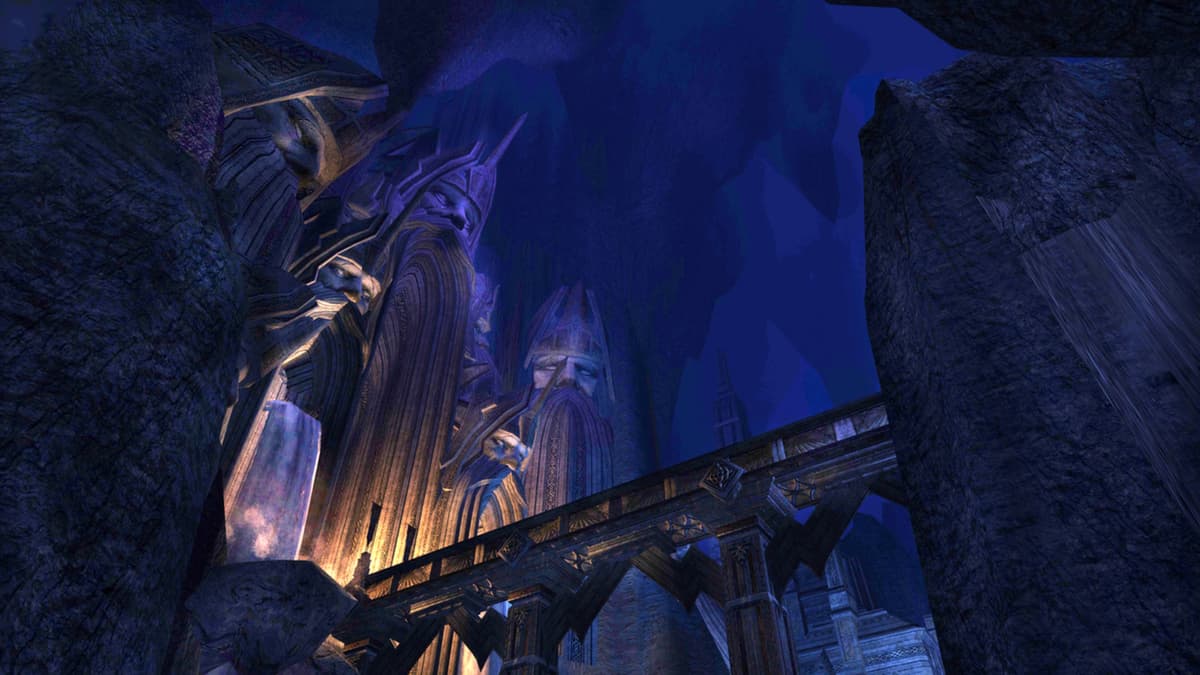
Structurally, it’s a classic MMORPG: you roll a character, pick a class, and quest through zones that broadly follow the War of the Ring timeline. But the flavor is so unapologetically Tolkien that even standard MMO chores feel different. A simple mail delivery quest across the Shire becomes a little pilgrimage. A fellowship instance in Moria, with the drums echoing in the deep and your party’s torches flickering on ancient stone, still hits harder than most modern dungeons. Every expansion — up through late-2024’s Legacy of Morgoth — quietly pushes the frontier further, eventually letting you wander everywhere from Rohan’s plains to Mordor’s ash-choked wastes.
What really cements LOTRO’s place this high is its persistence. While Amazon’s planned LOTR MMO fizzled out in 2021, Standing Stone Games just kept patching, tweaking, and adding. The combat and UI absolutely show their age next to something like Final Fantasy XIV, but as a living tour of Middle-earth, nothing else comes close. If you’ve ever wanted to just exist in Tolkien’s world rather than reenact its biggest battles, this is still the place to do it.
4. The Lord of the Rings: The Battle for Middle-earth II
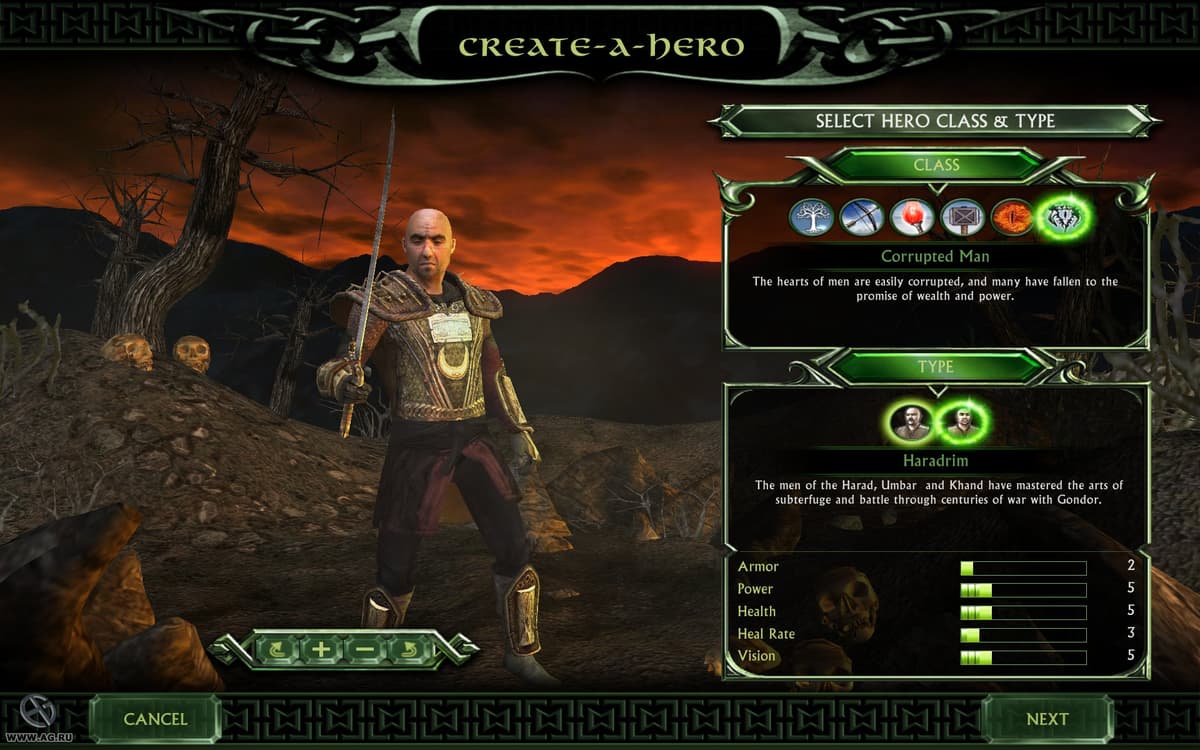
The Battle for Middle-earth II is what happens when an RTS studio gets fully comfortable in a license and decides to stretch its legs. The first game proved you could bolt The Lord of the Rings onto the old-school Command & Conquer skeleton; the sequel turns that into a full war toybox. The Good and Evil campaigns weave original stories — Glorfindel and the dwarves defending Rivendell on one side, the Mouth of Sauron and the Nazgûl rampaging in the North on the other — which means you’re not just replaying movie battles, you’re fighting the “what else was happening?” war.
The real joy is in the faction variety. Elves with long-range archers and fragile glass-cannon heroes, Dwarves with brutal siege weapons and stubborn infantry, Goblins swarming the map with cheap units and monster support — it feels like each army has its own rhythm rather than a reskinned tech tree. I still remember a skirmish where my Dwarven fortress was down to its last sliver of health when a single battalion of Men of Dale archers kited a troll around the map long enough for reinforcements to arrive. It’s pure RTS storytelling: desperate holds, clutch spell timings, wildly uneven odds turning on one misclick.
The tragedy is licensing. EA’s rights lapsed, the servers were shut off around 2010, and there’s no legal digital way to buy it today. For an RTS that captured Middle-earth this well, that’s brutal. Community servers and dusty DVD copies keep it alive, but BFME2 has become a kind of ghost game — one of the best Tolkien adaptations ever made, preserved mostly by fans and old hardware.
5. The Lord of the Rings: The Battle for Middle-earth
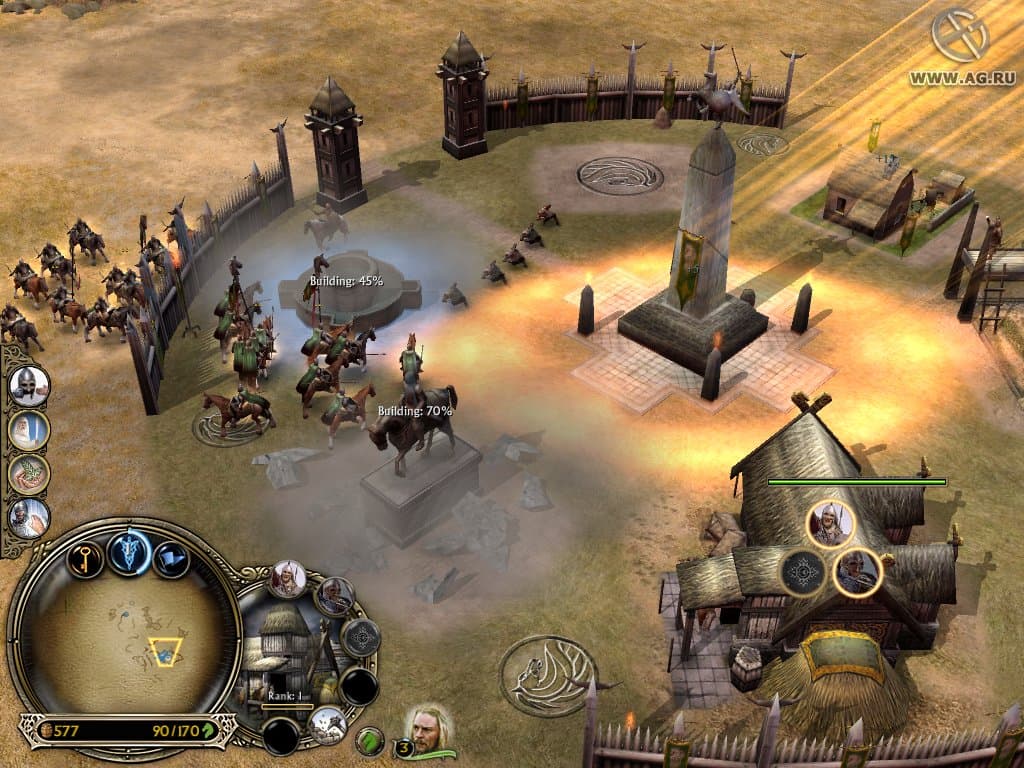
Before the sequel went full fantasy wargame, the original Battle for Middle-earth was the moment everything clicked: you could command the film trilogy’s battles like a playable director’s cut. Booting it up on a beige PC and realizing I could actually march Rohirrim across the Pelennor Fields, or send orc hordes crashing into the walls of Minas Tirith from the other side, felt completely wild at the time. EA Los Angeles leaned heavily on Peter Jackson’s visuals and Howard Shore’s music, so every skirmish landed somewhere between a mod and an official fourth film.
Under the hood it’s a streamlined RTS — limited base plots instead of free-form building, clear unit counters, hero abilities on cooldowns. That simplicity worked in its favor. You didn’t have to be a StarCraft ladder grinder to understand why your pikemen were deleting cavalry or why your trolls needed backup against massed archers. The Good and Evil campaigns, which let you see the war from both Gondor’s ramparts and Mordor’s trenches, gave the whole thing a satisfying narrative spine instead of just a series of skirmish maps.
It’s rough around the edges now, but this is where RTS and Middle-earth really fused. When people talk about wanting a modern LOTR strategy game, they’re chasing the feeling Battle for Middle-earth nailed: sweeping battles that still let Boromir blow his horn and swing the tide, all anchored in maps that look like they’ve been ripped straight from the films. Like its sequel, it’s a victim of licensing limbo, but it absolutely earned its spot in the pantheon.
6. LEGO The Lord of the Rings
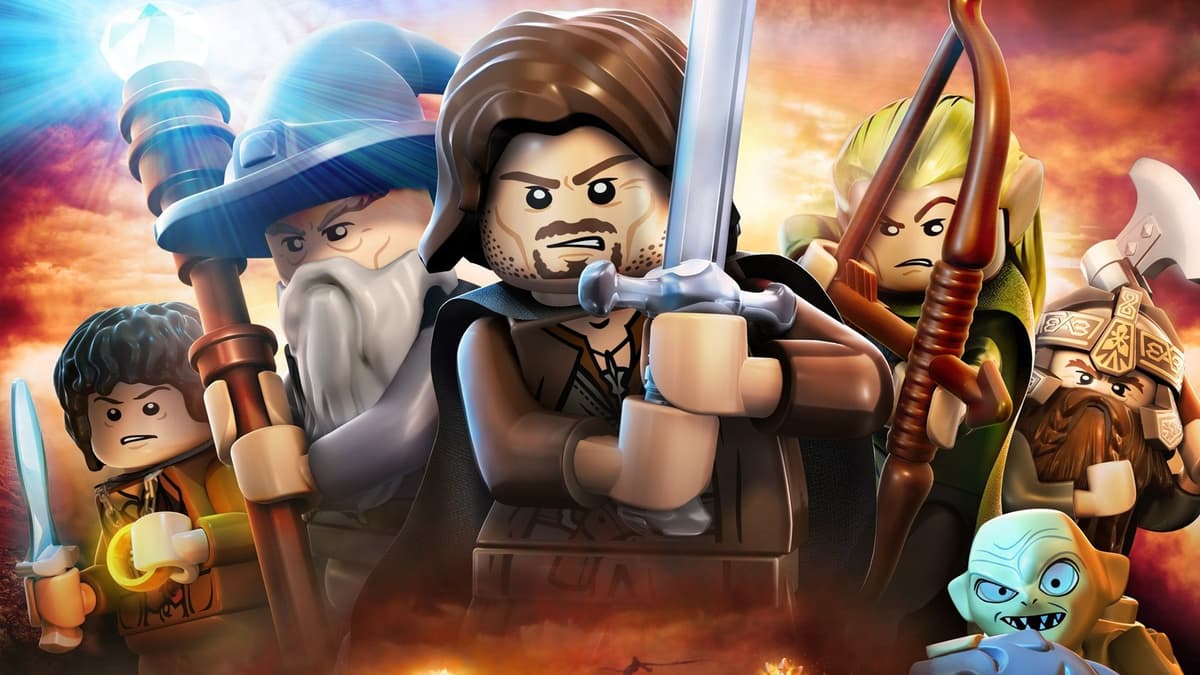
Some nights you don’t want to micromanage command points or theorycraft builds; you just want to co-op your way through the trilogy, smashing orcs into plastic studs. LEGO The Lord of the Rings is still the sweetest way to mainline the entire film saga in game form. TT Games took the full Peter Jackson trilogy, spliced in actual voice clips, and rebuilt everything in bricks — then layered on the usual LEGO slapstick so that even Mordor gets undercut with sight gags.
6. LEGO The Lord of the Rings
Some nights you don’t want to micromanage command points or theorycraft builds; you just want to co-op your way through the trilogy, smashing orcs into plastic studs. LEGO The Lord of the Rings is still the sweetest way to mainline the entire film saga in game form. TT Games took the full Peter Jackson trilogy, spliced in actual voice clips, and rebuilt everything in bricks — then layered on the usual LEGO slapstick so that even Mordor gets undercut with sight gags.
🎮 Get This Game at the Best Price
Compare prices instantly and save up to 80% on Steam keys with Kinguin — trusted by 15+ million gamers worldwide.
*Affiliate link — supports our independent coverage at no extra cost to you
What surprised me when I replayed it years later was how big it quietly is. There’s a loose overworld connecting key locations, and wandering from Hobbiton to Bree or across the plains of Rohan in stubby LEGO form scratches a similar itch to LOTRO, just in miniature. Unlocking the 80+ characters is its own little obsession: one minute you’re using Legolas to surf down stairs stylishly, the next you’re trundling around as an armored cave troll because why not. The game stuffs in deep cuts like Tom Bombadil alongside the usual Fellowship roster, which is catnip if you’ve ever argued about the Old Forest chapters.
The only real downside is availability. Like a lot of licensed LEGO titles, it’s dipped in and out of digital storefronts over the years as contracts expired, so you may need to hunt for a disc or keep an eye out for surprise resurrections. But as a playful, family-friendly tour through the most iconic version of Middle-earth we’ve got, it’s still the one I recommend first.
7. The Lord of the Rings: The Return of the King
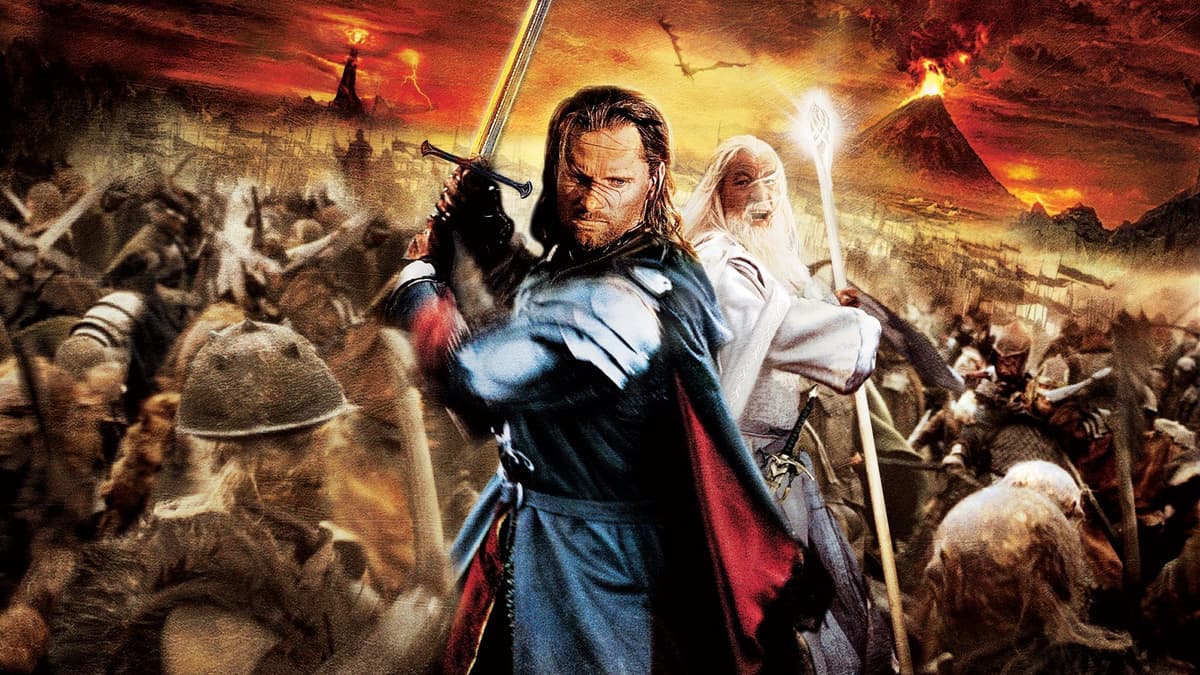
EA’s movie tie-ins were never subtle, but The Return of the King understood the assignment: give players a couch, a friend, and more orcs than the PS2 can comfortably handle. Where The Two Towers laid the groundwork, this sequel refined it into one of the best hack-and-slash adaptations of that era. You pick from multiple characters — Aragorn, Legolas, Gimli, Gandalf and more — then carve your way through levels directly inspired by the film: defending the walls of Minas Tirith, charging across Pelennor Fields, storming the Black Gate.
The Gauntlet-style gameplay is simple in theory — light attack, heavy attack, combos, ranged attacks — but the upgrade system keeps you invested. As my Aragorn leveled up and unlocked more ridiculous finishers, I found myself replaying missions just to push my style rating higher. Local co-op is the real magic, though. I still remember trying to coordinate last-stand defenses with a friend, yelling at each other to cover the flanks while the game threw increasingly absurd waves of enemies at us.
Using real film footage for cutscenes (a perk of the PS2’s DVD roots) gave the whole thing a sense of legitimacy most tie-ins never had. It’s absolutely rooted in its time — short campaign, fixed camera angles, some clunky platforming — but as a crystallization of early-2000s hype for Middle-earth, nothing else on this list feels quite like it.
8. The Lord of the Rings: The Third Age
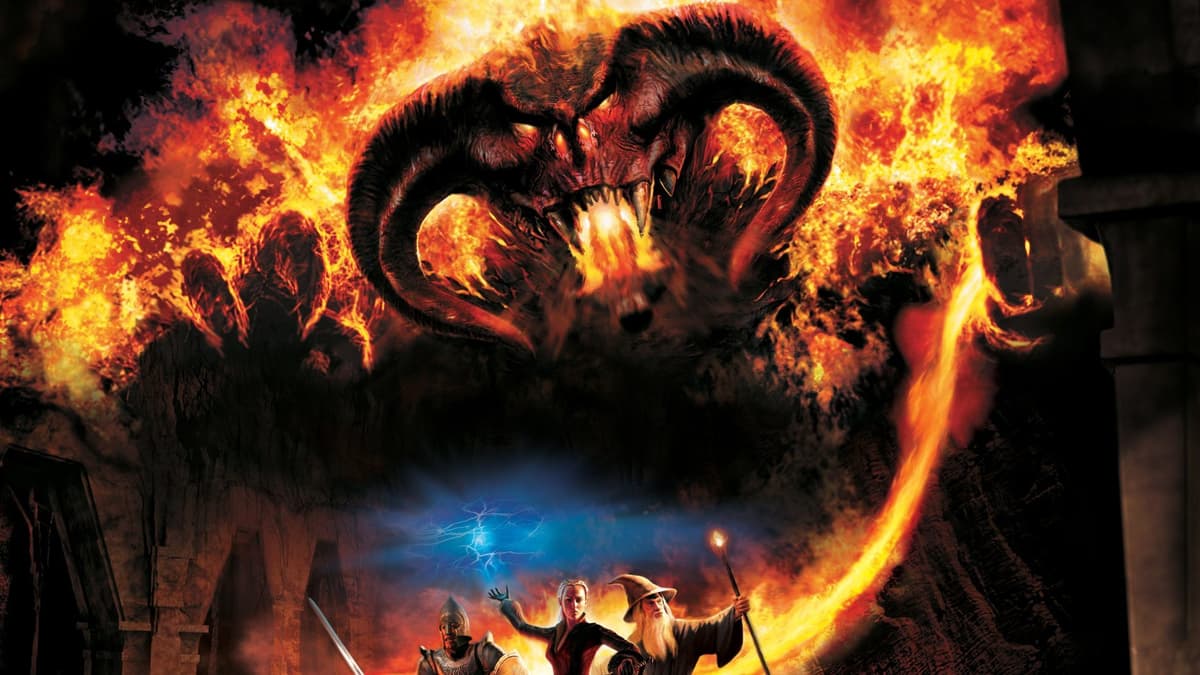
The Third Age is the weird cousin in the family: “What if we made Final Fantasy X, but all the nouns are Tolkien?” And honestly, that pitch works better than it has any right to. EA shamelessly lifted the conditional turn-based battle system — right down to the turn order bar — and dropped in a party of original characters chasing the Fellowship’s footsteps. On paper that sounds like a low-effort reskin; in practice, it scratches a very specific itch: being the anonymous heroes fighting in the margins of a famous story.
My favorite stretch is in Moria. You’re trailing behind Gandalf and company, fighting the same goblins and cave trolls, hearing the echoes of their journey without ever quite intersecting. Eventually you do cross paths with major characters (and even fight alongside them in key battles), but it’s those liminal spaces that work best. The class system — your Aragorn-stand-in tank, your elf healer, your dwarf bruiser — is textbook JRPG stuff, but that familiarity makes it easy to settle in and just enjoy the ride.
It’s not the most original game on this list, and the story leans heavily on “what if we were just off-camera during this iconic scene,” but there’s a late-PS2-era charm to it that’s hard to replicate. As a turn-based detour through the trilogy that lets you slow down and think about each encounter instead of mashing attack, The Third Age carves out a niche no other LOTR game has really revisited.
9. LEGO The Hobbit
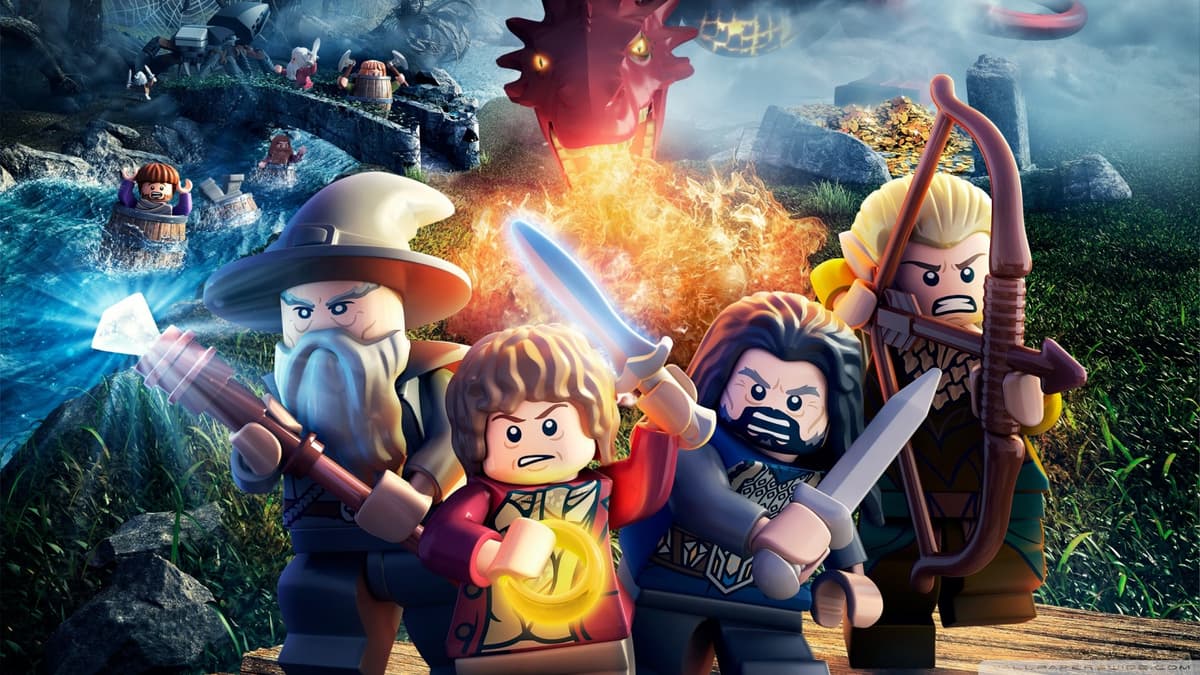
LEGO The Hobbit is the definition of “flawed but cozy.” Built around the first two films of Peter Jackson’s Hobbit trilogy — the third movie hadn’t released yet when the game launched — it feels a little incomplete as an adaptation, but there’s still a lot to love if you’re fond of dwarves bumbling their way across Middle-earth. The barrel-ride sequence down the river, restaged with plastic slapstick, is still one of TT Games’ best set-pieces: chaos, physics, and jokes crammed into a single rollercoaster of a level.
The dwarf company makes for an unexpectedly fun toolkit. Each character has a different specialty — one might bash through cracked walls, another tosses others to higher ledges — so swapping between them becomes a little puzzle in itself. There’s a heavier emphasis on crafting and gathering compared to LEGO LOTR, which pads things out but also fits the more rambling pacing of the films. I’ve lost more time than I’d like to admit just hoovering up resources in the Blue Mountains because the click-clack of studs is basically gaming ASMR at this point.
It doesn’t dethrone its Lord of the Rings counterpart, and the missing third-film content will always make it feel like half a saga. But as a lighter, more comedic trek through Middle-earth’s earlier age — one you can play in short bursts with kids, partners, or fellow lore nerds — it earns its place here.
10. The Lord of the Rings: War in the North
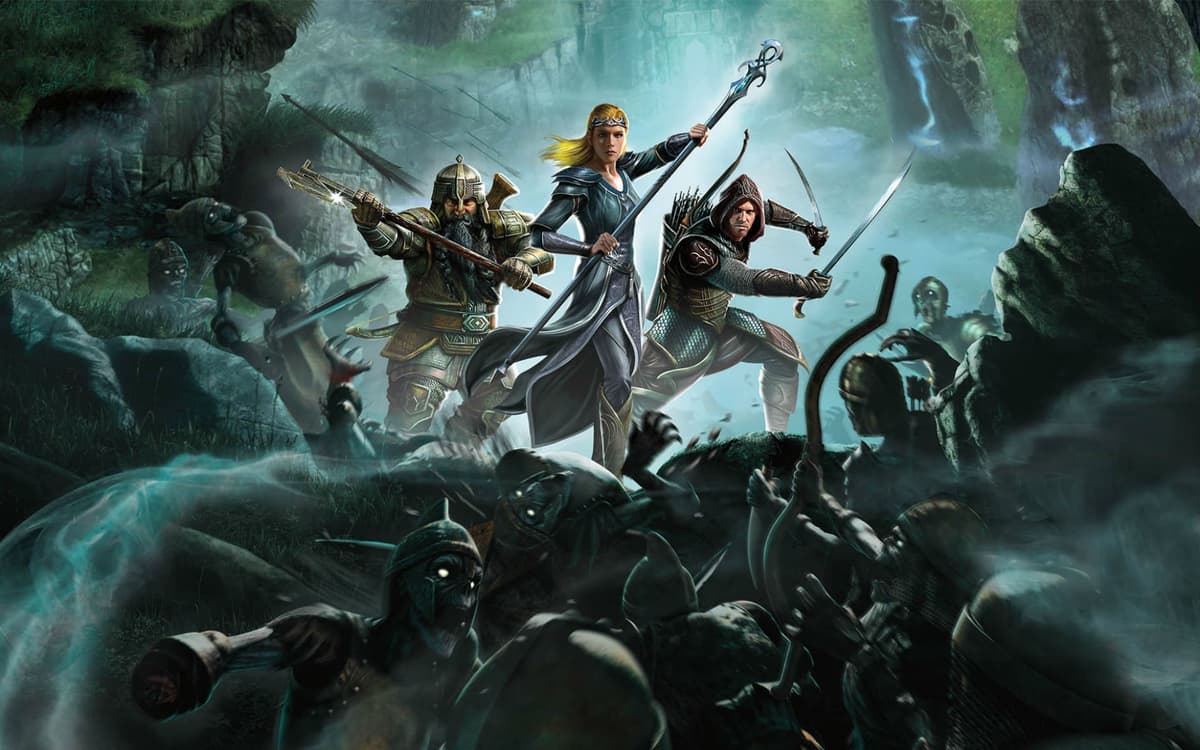
When Warner Bros. finally pulled together rights for both the books and the films, War in the North was one of the first games to really flex that freedom. Instead of yet another retelling of the Fellowship’s journey, you’re running a parallel campaign up north as a ranger, dwarf, and elf mage trio trying to stem Sauron’s forces behind the scenes. It’s a co-op action-RPG with chunky combat and some surprisingly grisly finishing moves — more dismemberment than you’d expect from most LOTR titles.
I remember playing it three-player and appreciating how distinct each class felt. The ranger warped around the battlefield pinning priority targets, the dwarf soaked damage and slammed shields into orc faces, and the elf lit up crowds with area spells. It’s not Diablo-deep in terms of loot and builds, but there’s just enough progression to keep you tinkering between missions. The real draw is that feeling of being “the other guys” helping secure victories we know about from the books without ever stealing their thunder.
It’s far from perfect — the environments get samey, the story doesn’t quite stick the landing, and it shows its 2011 heritage in all sorts of small, clunky ways. But as a snapshot of that early Warner Bros. era, when the studio was experimenting with what Middle-earth could look like outside strict film retellings, it’s an interesting branch on the family tree.
11. The Hobbit (1982)
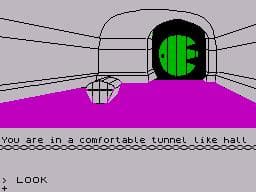
Booting up Beam Software’s 1982 text adventure The Hobbit today feels like opening a time capsule from a completely different industry. No voice acting, no cutscenes — just chunky pixel art (if you were lucky) and a command line waiting for you to type “LOOK” or “GO NORTH.” And yet, once I got past the fiddly parser, I started to see why this thing reportedly sold over half a million copies in Europe back in the day. It was less about perfectly retelling the book and more about giving you a little sandbox version of Middle-earth to poke at with verbs.
Characters like Thorin wander around on their own schedules, muttering “Thorin sits down and starts singing about gold” while you’re trying to solve puzzles. Events can play out in different orders, and NPCs don’t always behave predictably, which was wild in an era when most licensed games were straight, linear tie-ins. The combination of a semi-dynamic world and a beloved story was enough to blow a lot of early-’80s minds.
Revisiting it now is more about appreciating the lineage than genuinely losing yourself in the adventure. But it matters for this list because it’s where the long, strange relationship between Tolkien and video games really kicks off. Before MMOs, RTS epics, and Nemesis-fueled vendettas, there was a little text prompt asking what you wanted to do in Middle-earth — and that question is still what drives the best Lord of the Rings games today.
Where Middle-earth games go from here
Looking back across this list, there’s a clear pattern: the best Lord of the Rings games don’t just recreate scenes, they find a genre angle that makes Middle-earth feel reactive. Shadow of Mordor turns orcs into personalized rivals. LOTRO makes the quiet roads matter. The BFME games choreograph massive battles you can actually steer. Even that creaky 1982 Hobbit was already trying to make Tolkien’s world feel like something you act upon instead of just observe.
Modern tech has finally caught up to some of the ideas these games were fumbling toward — dynamic worlds, physics-driven chaos, huge seamless landscapes. If the next big Tolkien adaptation takes anything from this history, I hope it steals less from the films’ shot list and more from Muzglob the Poet: let Middle-earth remember what we do to it, and make the war for it feel personal again.
FinalBoss // Gear
Level up your setup
01Top-rated gaming headsetson Amazon→02High-refresh gaming monitorson Amazon→03Gaming chairson Amazon→04Discounted game keyson Kinguin→Affiliate links · As an Amazon Associate, FinalBoss earns from qualifying purchases.
Want to Level Up Your Gaming?
Get access to exclusive strategies, hidden tips, and pro-level insights that we don't share publicly.
Ultimate Top Strategy Guide + Weekly Pro Tips