
This caught my attention because one demo and a single trading day wiped billions from game companies’ market caps – yet Take-Two’s leadership says the panic misunderstood what game development actually looks like.
Take-Two on Project Genie: Market Overreaction, Not a Threat to AAA Creativity
- Stock markets dumped Take-Two and peers after Google’s Project Genie demo, but CEO Strauss Zelnick calls the reaction “confusing.”
- Take-Two embraces generative AI across “hundreds of pilots” for efficiency and mundane tasks – not for creating GTA 6-level content.
- Executive Karl Slatoff says Genie isn’t a game engine and currently amounts to procedurally generated interactive video with clear limitations.
- Developers are divided: many see AI as a threat, while a sizable minority are already experimenting with it.
{{INFO_TABLE_START}}
Publisher|Take-Two Interactive
Release Date|Latest earnings briefing (2024)
Category|Industry news
Platform|Multi-platform
{{INFO_TABLE_END}}
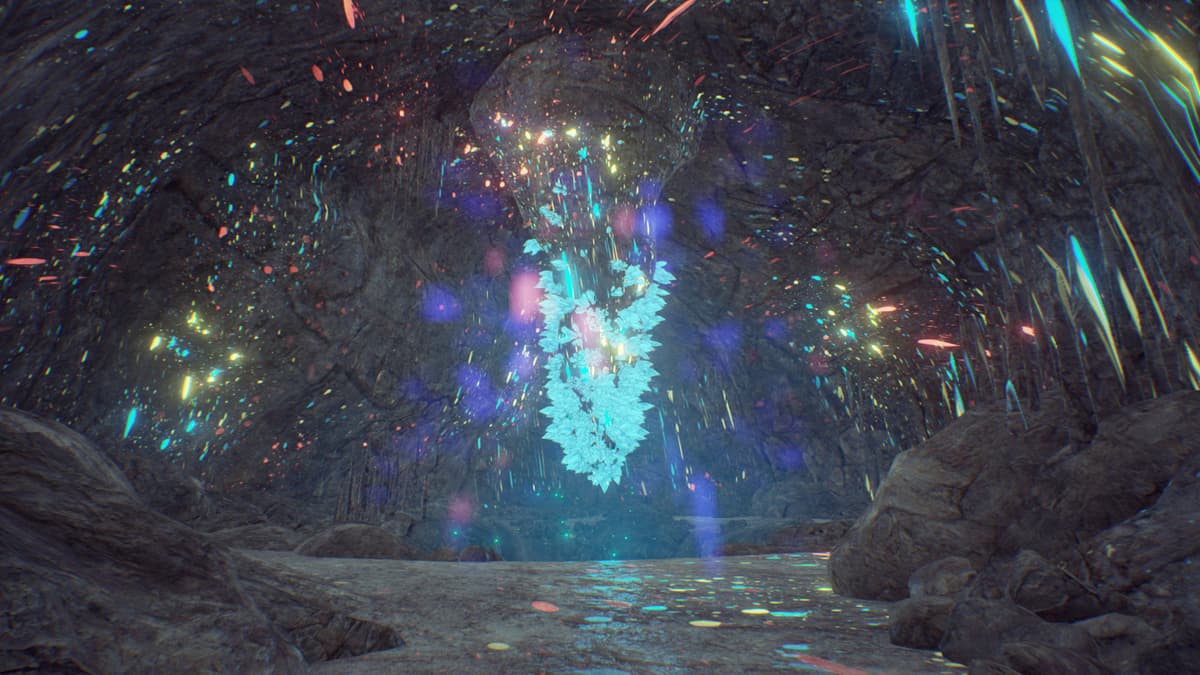
The market’s knee-jerk response after Google’s Project Genie demo – which showed AI-generated virtual spaces — was dramatic: billions of dollars erased off the valuations of publishers and engine/tool companies in one session. That panic reflects a familiar dynamic in tech investing: a demo promises disruption, and markets price in worst-case replacement scenarios faster than practitioners can say “pipeline.”
Strauss Zelnick’s response is blunt and useful. He describes the move as “confusing” because, from a developer’s perspective, generative AI is already one tool among many in the production stack. Take-Two says it runs “hundreds of pilots and implementations” across studios — but crucially, those pilots target efficiency gains and repetitive tasks, not the replacement of writers, designers, or the larger creative process that defines a AAA title like GTA 6.
Zelnick frames generative AI in three strategic buckets: creativity, innovation, and efficiency. Today it’s mostly helping with the last two — automating mundane work so skilled teams can focus on story, systems, and polish. He was careful to emphasize that generative AI wasn’t used to create GTA 6’s content, underscoring the distinction between tools that speed workflows and those that can author complex interactive narratives end-to-end.
Karl Slatoff, another Take-Two executive, made an important technical pushback: “Genie is not a game engine.” He called the current tech closer to “procedurally generated interactive video,” missing the layers that make games feel alive — mission structure, emotional beats, pacing, and the tightly integrated systems designers build. Those domain-specific layers are not trivial and are unlikely to be replaced by a single generative model in its present form.
That doesn’t make the market’s fear irrational — it highlights a plausible pathway where parts of the production pipeline could be automated, potentially reducing some roles. Developer sentiment mirrors that uncertainty: surveys show over half of respondents consider generative AI a threat, while more than a third are already experimenting with it. Historically, automation shifts jobs rather than eliminates creative industries wholesale, but transition pain is real and uneven.
For investors, the takeaway is practical: demos can move prices, but long-term value in gaming still depends on owned IP, production discipline, platform relationships, live-service economics, and teams that can convert technology into engaging experiences. A world-builder demo doesn’t instantaneously invalidate decades of domain knowledge baked into AAA development and middleware ecosystems.
What this means for readers
- Gamers: Don’t expect immediate miracles — AI will likely improve workflows and asset quality incrementally before changing core design language.
- Developers: Learning to wield generative tools will be an advantage; protect the parts of your workflow that define narrative and player experience.
- Investors: Watch fundamentals and execution. Demos shift sentiment; product roadmaps and live metrics move value over time.
My read: Project Genie is an eyebrow-raising tech demo and a useful signal that tooling is improving quickly. But Zelnick and Slatoff are right to push back against the idea that one model or demo can instantly replace a studio’s craft. Expect disruption — yes — but in phases: tooling first, hybrid workflows next, and only then possible redefinitions of roles and cost structures. That pathway leaves plenty of runway for studios that adapt and continue to invest in creative talent.
TL;DR
The market overreacted to Project Genie. Take-Two treats generative AI as a productivity and innovation tool, not a creative replacement. Genie today isn’t a game engine and lacks story, mission design, and emotional architecture — the parts that make AAA games like GTA 6 valuable.
FinalBoss // Gear
Level up your setup
01Top-rated gaming headsetson Amazon→02High-refresh gaming monitorson Amazon→03Gaming chairson Amazon→04Discounted game keyson Kinguin→Affiliate links · As an Amazon Associate, FinalBoss earns from qualifying purchases.