
Why The Chinese Room Wanted to Drop the Bloodlines Name — and What That Means
Game intel
Vampire: The Masquerade – Bloodlines 2
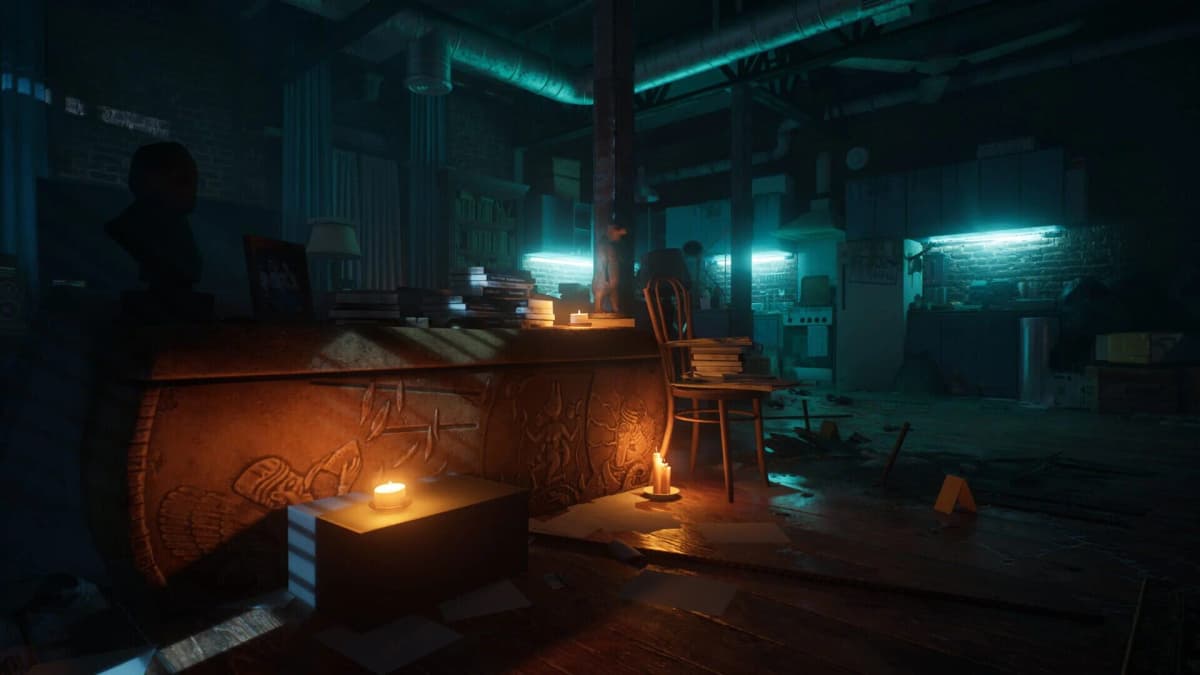
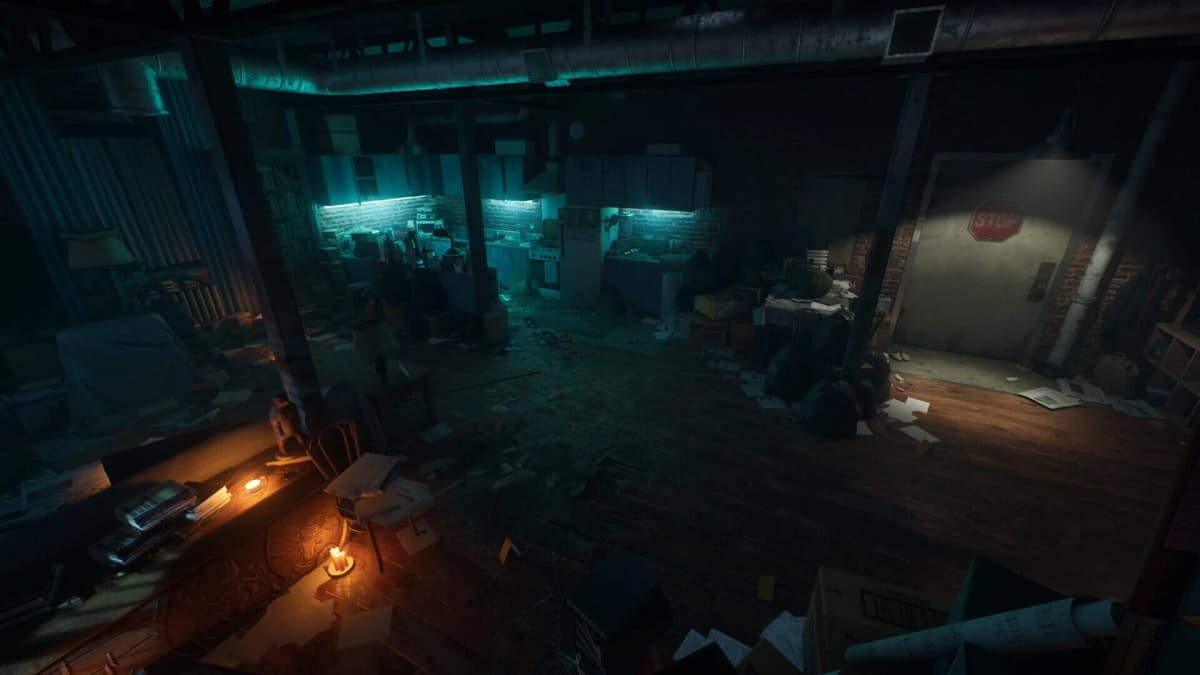
Santa Monica Memories is a cosmetic pack with iconic items, with a Stop Sign, Voerman Portrait, and Ankaran Sarcophagus, to decorate your haven. Each time you…
Why this revelation actually matters to gamers
This caught my attention because the Bloodlines name carries real weight in RPG circles. Dan Pinchbeck, co‑founder of The Chinese Room, admitted the studio actively tried to stop Vampire: The Masquerade – Bloodlines 2 from using the Bloodlines title – and for once, that honesty sheds light on why the sequel felt so off to many players.
- The Chinese Room wanted to rename Bloodlines 2 because the project no longer matched the original’s scope.
- Pinchbeck says lack of time and money made a true Bloodlines sequel impossible.
- The studio deliberately steered toward a smaller, Dishonored‑style experience rather than an open RPG like Skyrim.
- This reveals both a marketing problem and a franchise risk: expectations vs. reality.
Breaking down the admission – and why it’s bluntly useful
Pinchbeck – who left The Chinese Room in 2023 — spoke to Cat Burton (the interview was discussed on ResetEra), and didn’t mince words. The studio reportedly met repeatedly to “avoid the game being called Bloodlines 2.” His translation of the thinking is worth repeating:
“We used to meet a lot to devise strategies to stop the game being called Bloodlines 2. The most important thing for us was to state clearly that it’s not Bloodlines 2. We can’t do Bloodlines 2. There’s not enough time. There’s not enough money. Bloodlines 1 came out at a pivotal time in game development, alongside titles like Stalker and Shenmue… Trying to recreate that magic in a different context seemed a mistake.”
He goes on to say that the team asked a practical question: given the constraints, what could they actually make? “We can’t do Bloodlines 2, we can’t do Skyrim, but we can do Dishonored,” he said — a line that explains a lot about both the design choices and the dissonance fans felt.
Why “Dishonored, not Skyrim” sums up the problem
Bloodlines fans remember the original for its sprawling RPG systems, social stealth, and messy but unforgettable narrative ambitions. Saying “we can do Dishonored” signals a deliberate move toward smaller, tightly‑crafted systems and scripted encounters — great in their own way, but a different promise than Bloodlines 1. That mismatch is a marketing sin: you sell one thing with a name and deliver something else.
Also worth noting: The Chinese Room is not an obvious fit to inherit a franchise known for complex RPG mechanics. They made narrative, atmosphere‑heavy games like Dear Esther and Everybody’s Gone to the Rapture — brilliant at mood and story, less so at systems‑heavy design. That doesn’t make them bad; it just makes them a strange choice if your goal is to recreate Bloodlines’ systemic ambitions.
Want to Level Up Your Gaming?
Get access to exclusive strategies, hidden tips, and pro-level insights that we don't share publicly.
Ultimate Gaming Strategy Guide + Weekly Pro Tips
What this means for players and the franchise
For players, Pinchbeck’s comments validate what many critics and fans already felt: the sequel’s DNA was different. That matters for purchase decisions, especially for those who expected a modernized Bloodlines 1 with deep role‑playing systems. If you’re a fan of atmospheric, authored experiences — the kind The Chinese Room does well — there’s probably something worthwhile. If you wanted a sprawling RPG with emergent systems, the name was misleading.
For Paradox and the franchise, this admission is a red flag. A major IP can’t survive repeated identity drift without diluting its brand. If Bloodlines 2 couldn’t be what it promised due to budget and time, Bloodlines 3 now looks unlikely to be a priority unless a studio and publisher commit the resources to match the original’s ambition.
Why now — and why transparency matters
We’re in an era where nostalgia sells, but legacy names are double‑edged swords. Pinchbeck’s candor is unusual — studios rarely admit when they can’t meet franchise expectations — and that honesty is valuable. It forces a conversation about what sequels should be: faithful in spirit, or honest about the scope they can realistically deliver.
It also raises a blunt question: should publishers stop hanging expensive, expectation‑heavy names on projects that don’t have the budget to fulfill them? Gamers deserve clarity up front, not the disappointment of a mismatch between name and game.
TL;DR
Dan Pinchbeck says The Chinese Room tried to avoid calling the project Bloodlines 2 because the studio couldn’t, given time and money, deliver a true Bloodlines experience. The result was a smaller, Dishonored‑style game under a heavyweight name — a mismatch that explains much of the backlash and leaves the franchise’s future uncertain.