
Table of Contents (8)
The new Palworld game isn’t what – Why the Palworld TCG Actually Makes Strategic Sense
This caught my attention because Palworld’s leap into physical trading cards could have read as a shallow cash grab – but the more I looked, the clearer it became that this is an intentional, playbook-driven expansion. Pocketpair isn’t just slapping creatures on cardboard; they’re translating survival systems into a tabletop identity with a serious partner in Bushiroad.
Key Takeaways
- Palworld TCG launches July 30, 2026 – a timed play to capture summer demand and cross-promote after the video game’s full release.
- Partnership with Bushiroad signals professional TCG design, production, and distribution — this is meant to be competitive and collectible, not a novelty.
- Design aims to translate Palworld’s survival mechanics (resource gathering, base-building, unique Pal traits) into distinctive card-game systems.
- The move fits a wider merchandising strategy under Palworld Entertainment and helps diversify the franchise beyond the core survival game.
{{INFO_TABLE_START}}
Publisher|Pocketpair / Bushiroad
Release Date|July 30, 2026
Category|Collectible Trading Card Game (competitive, 2-player)
Platform|Physical TCG (retail distribution by Bushiroad)
{{INFO_TABLE_END}}
Why this isn’t a random pivot
On the surface, a survival-open-world game spawning a trading card game looks odd. In practice, it’s textbook franchise building. Pocketpair created Palworld Entertainment to centralize merchandising, invested in Bushiroad ties months earlier, and then announced a product that plays to both audiences: the digital survival players and the TCG crowd. That alignment — corporate structure, strategic investment, and timing — suggests this was planned rather than reactive.
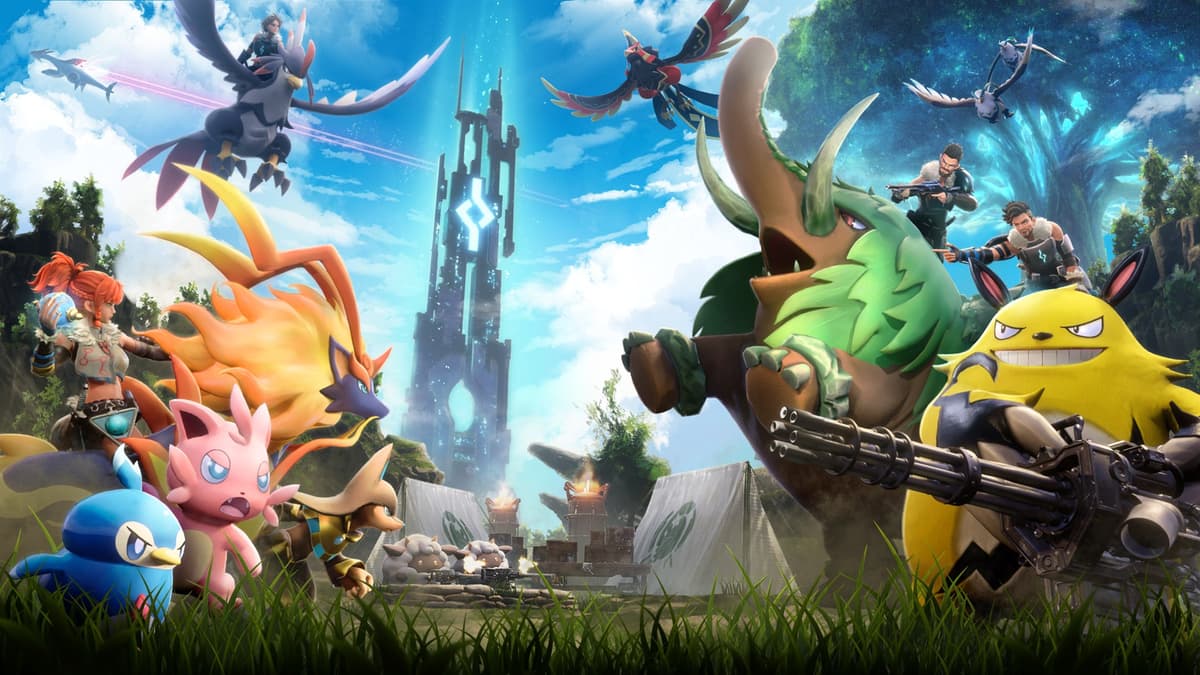
How Palworld’s gameplay maps to a TCG
What excites me as someone who follows both game design and card-scene trends is the stated ambition to keep Palworld’s survival DNA intact. The TCG isn’t just “monster fights” in cardboard form; official descriptions emphasize deploying unique Pals, gathering resources, and building bases. Those are mechanical hooks that can produce genuinely different play:
- Unique Pal traits → asymmetric card abilities that reward knowledge of the roster.
- Resource-gathering translated to on-board resource zones rather than a single abstract resource, adding spatial strategy.
- Base-building as a visible board-state creates emergent decisions absent in many TCGs and echoes the video game’s loop.
That last point—visible base construction—could be a real identity maker. Most competitors compress economy into a simple numeric system; making construction and placement a core interaction visually ties the card game to Palworld’s brand and gives players a tactile connection to the original game’s systems.
Market timing and the Bushiroad factor
Launching July 30 positions the TCG to capitalize on summer attention and to avoid direct clash with typical flagship TCG drops. More importantly, partnering with Bushiroad matters. They bring design know-how, manufacturing scale, and distribution channels — all necessary to survive and thrive in a crowded TCG market. This is not a vanity print run; it’s a commercially serious product.
Legal noise and why it probably isn’t the whole story
The Nintendo lawsuit over video-game similarities stirred controversy, and launching a creature-based TCG during litigation looks provocative on the surface. But the legal disputes focus on video-game mechanics and visual elements; a distinct card-game system that foregrounds base-building and resource mechanics creates a stronger argument that Palworld’s experiences are different in kind — not mere copies. That doesn’t erase legal risk, but it does show Pocketpair is thinking about product differentiation, not just provocation.

What this means for players and collectors
For video-game fans: the TCG offers a new way to engage with Pals and the world after you’ve exhausted in-game content. For TCG players: Palworld promises novel mechanics (resource boards, base building) that could be interesting competitively. For collectors: early scarcity is likely, so expect pre-orders and special runs to move quickly. In short, this expands Palworld’s addressable audience rather than cannibalizing it.
TL;DR — Strategic inevitability
Pocketpair’s Palworld TCG looks less like a scramble for cash and more like the opening move in a deliberate merchandising strategy: the timing, partnership with Bushiroad, and a design focus on survival-era mechanics point to a serious, differentiated card game. If the base-building and resource systems translate well, the Palworld TCG could be one of the more distinctive entrants in the current card-game renaissance — and a smart step toward making Palworld a multi-format franchise.
FinalBoss // Gear
Level up your setup
01Top-rated gaming headsetson Amazon→02High-refresh gaming monitorson Amazon→03Gaming chairson Amazon→04Discounted game keyson Kinguin→Affiliate links · As an Amazon Associate, FinalBoss earns from qualifying purchases.
Want to Level Up Your Gaming?
Get access to exclusive strategies, hidden tips, and pro-level insights that we don't share publicly.
Ultimate Gaming Strategy Guide + Weekly Pro Tips