
Duke Caboom & Pixar’s Sequel Power: Why It Matters
Game intel
Toy Story 4
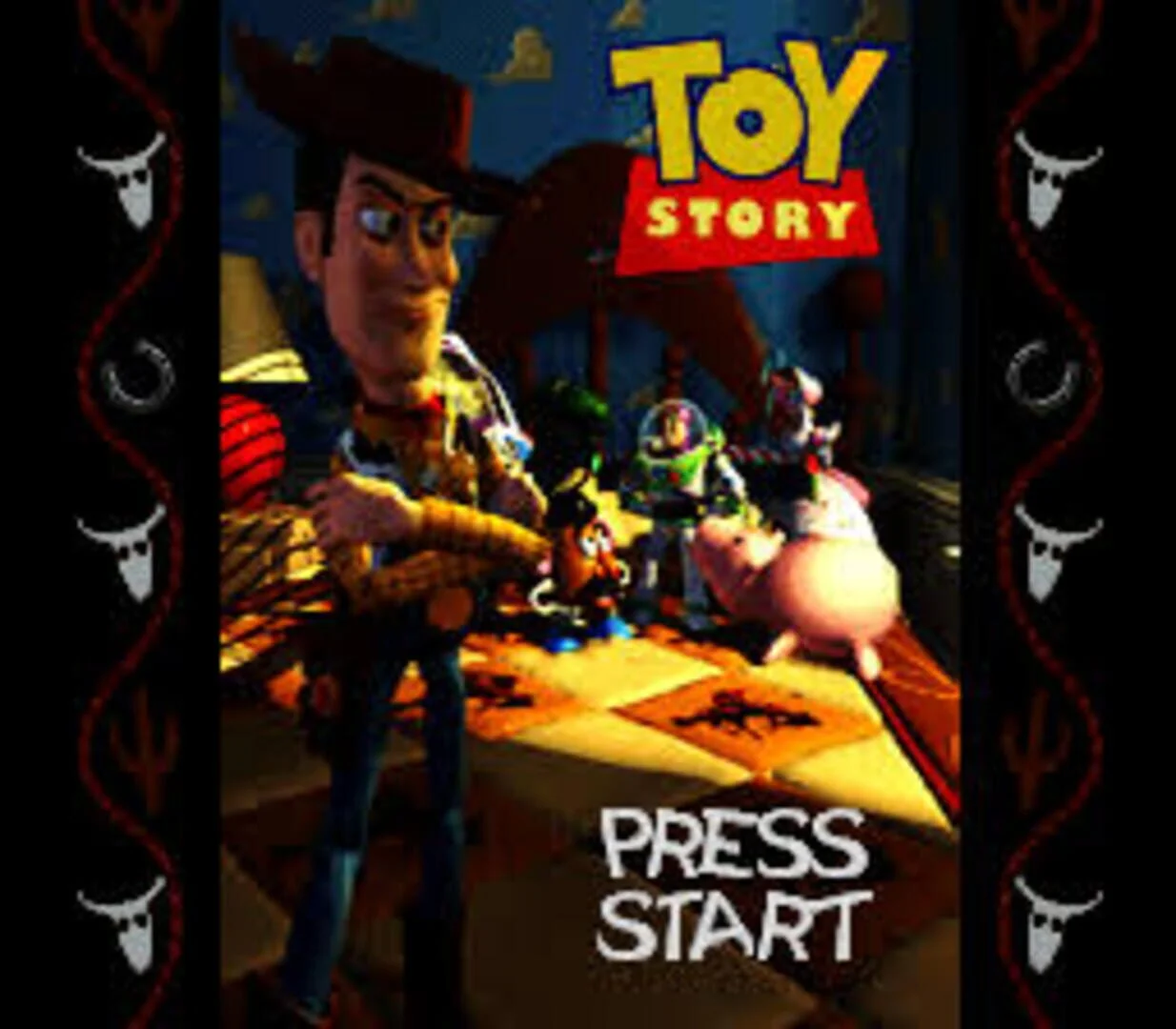
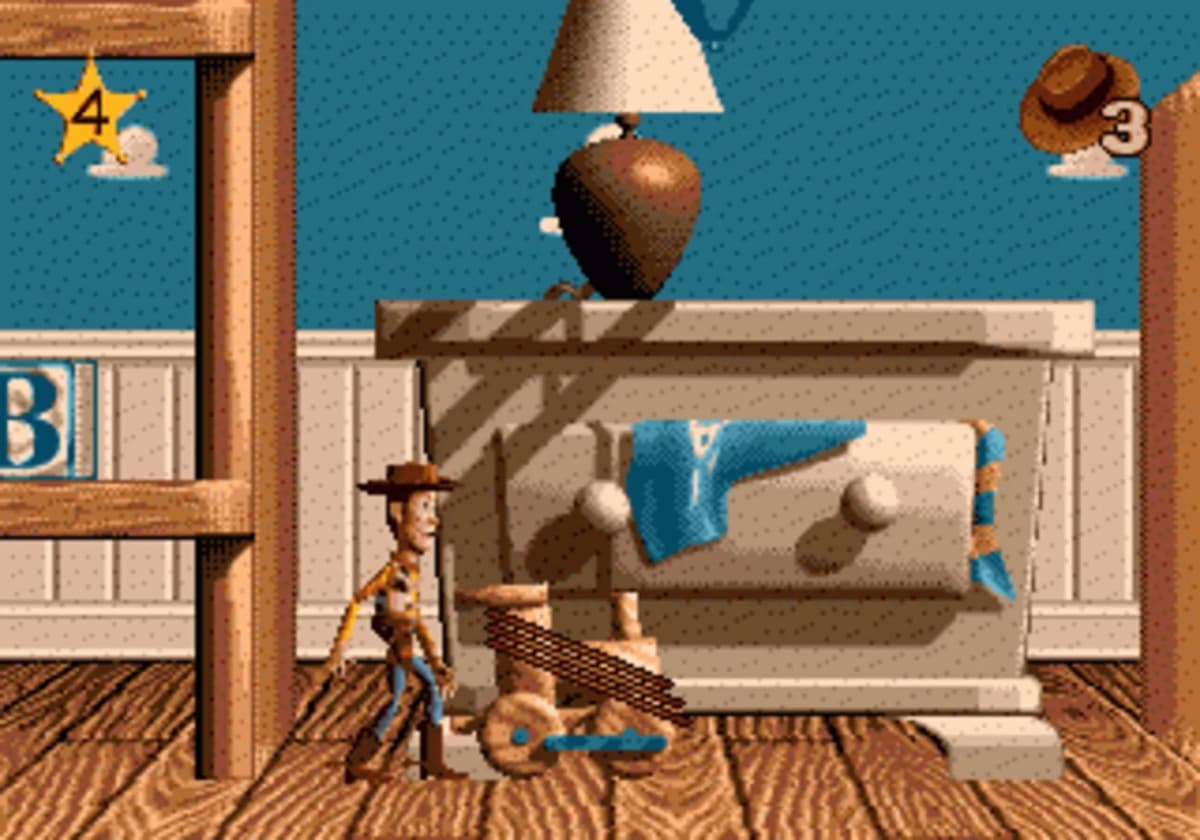
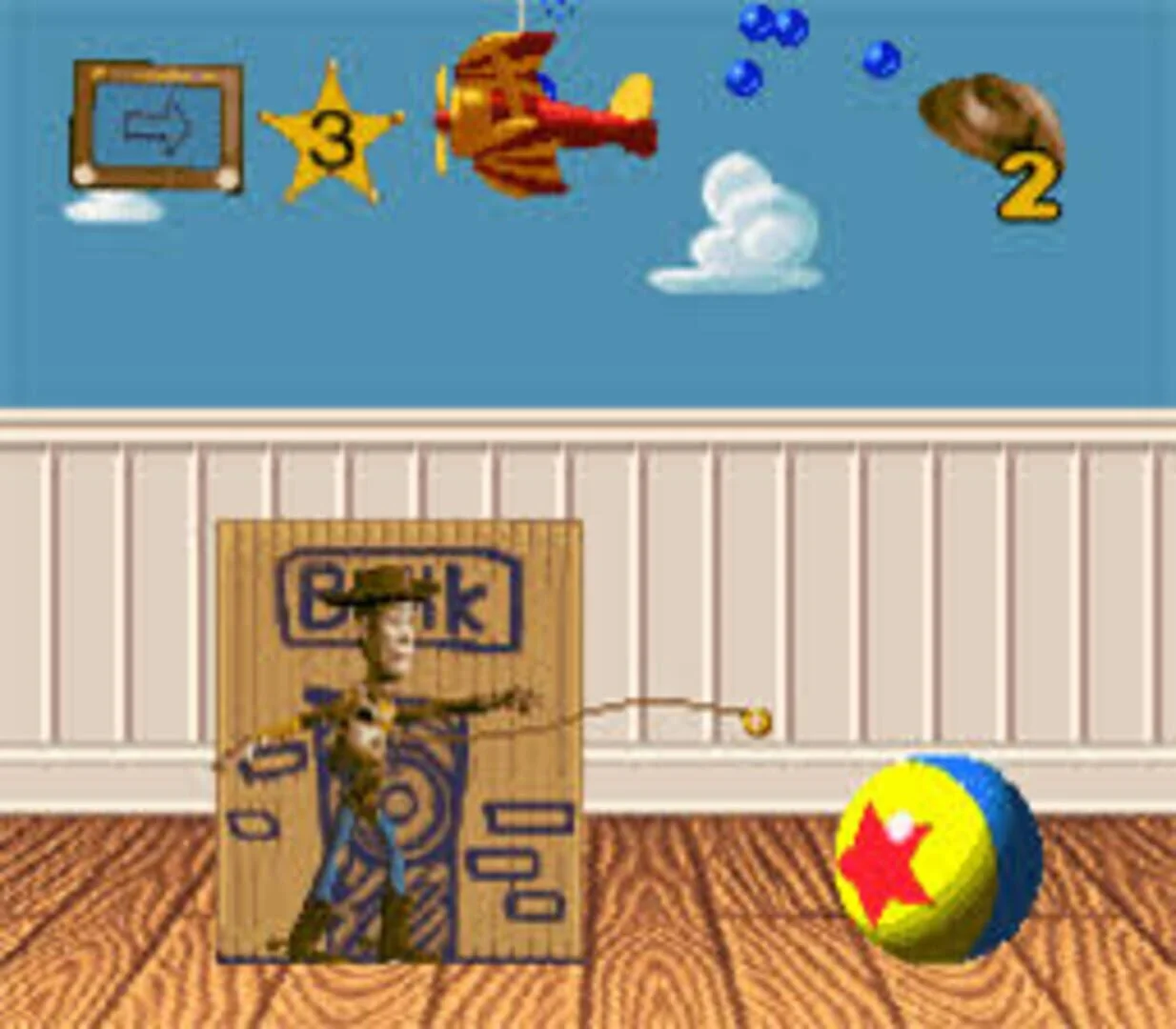
This game is based on the movie "Toy Story". It sets you as the character of Woody as you jump, swing and drive to the end of each level. Each level contains f…
Let’s be real: when you hear “Keanu Reeves,” you probably think Neo or John Wick, not a toy stunt rider on a mini motorbike. But in Toy Story 4, Duke Caboom emerges as a brilliant mash-up of Reeves’s charisma and Pixar’s emotional craftsmanship—proof that even a late-series sequel can feel fresh.
Keanu Reeves’ Vocal Stunt
Casting Reeves as Duke Caboom wasn’t a mere box-office lure. Reports from the studio note that he attended improv workshops, physically rehearsed stunts, and fine-tuned the character’s brash tone. That kind of collaborative spirit—akin to a developer working closely with a motion-capture actor—elevates a performance from gimmick to genuine showstopper.
Balancing Sequel Risks
After nine years and the heartbreaking finale of Toy Story 3, fans feared another nostalgia cash-in. Instead, Pixar doubled down on narrative stakes: Woody’s search for purpose, Forky’s origin crisis, and a surprising emotional arc for Gabby Gabby. The result? A story-driven experience that resonated with kids and adults alike.
Technical and Narrative Achievements
Pixar’s rendering pipeline took quiet leaps in lighting and cloth simulation, but the real standout is the screenplay’s pacing—comparable to tight level design in a top-tier RPG. Each act introduces new “game mechanics”: tension in the carnival chase, a stealth sequence among antique dolls, and a final boss-style stunt jump that pays off years of character development.
Want to Level Up Your Gaming?
Get access to exclusive strategies, hidden tips, and pro-level insights that we don't share publicly.
Ultimate Gaming Strategy Guide + Weekly Pro Tips
Implications for Game Design
- Story Integration: Toy Story 4 shows that narrative momentum matters as much as visual spectacle. Developers can learn from its character-driven beats and emotional payoffs.
- Talent Collaboration: When voice actors and creators co-design character quirks, you avoid soulless celebrity cameos and get a Duke Caboom–level performance.
- Sequel Innovation: Never assume a franchise is out of gas. Inject new mechanics—emotional themes, fresh settings, surprising cameos—to keep players and viewers invested.
Looking Ahead to Toy Story 5
With a 2026 release on the horizon, Pixar is teasing a plot about technology’s impact on play. Will it feel as urgent as a next-gen console launch? Only time—and audience feedback metrics—will tell. Detailed box office analysis and player engagement data could deepen our understanding of how stunt casting and narrative design drive long-term franchise health.
Conclusion
Toy Story 4 isn’t just “that Keanu Reeves cartoon” – it’s a case study in how to reboot a beloved IP with fresh narrative hooks, technical polish, and true creative collaboration. For gamers, developers, and storytellers, Duke Caboom stands as a reminder: when every element clicks, even a fourquel can feel like a system-defining title.