
Table of Contents (7)
Holding back naval combat in AC3 wasn’t a bug – it was deliberate engineering discipline
Ubisoft didn’t underdeliver on ships in Assassin’s Creed 3 by accident. Alex Hutchinson, AC3’s creative director, told PC Gamer on Feb. 23, 2026 that the studio deliberately kept ship-based content small because they were worried the sailing tech “wouldn’t work.” That cautious decision suppressed a flashy feature in the short term – and made room for Assassin’s Creed 4: Black Flag to turn naval gameplay into the series’ signature strength.
Key takeaways
- AC3 included naval missions but kept them linear and peripheral to avoid risking the main narrative and schedule.
- Hutchinson says the team feared the underlying sailing tech “wouldn’t work,” especially under an old AAA development cadence where late alphas arrived only ~two months before ship.
- That restraint became an investment: the lessons and prototypes in AC3 powered Black Flag’s full, polished Jackdaw-era naval design.
- The uncomfortable truth: shipping stable core experiences sometimes means shelving features until the tech and process can support them.
The deliberate holdback – and why it mattered
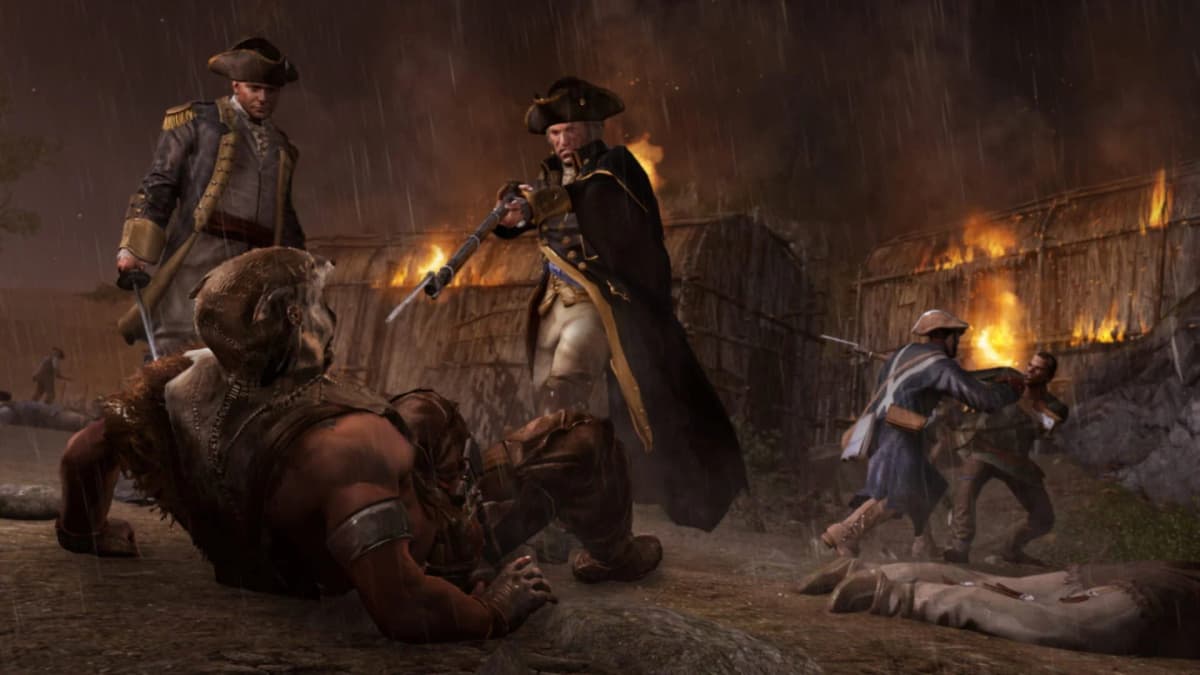
Hutchinson’s line — that the team kept ship work small because they were worried it “wouldn’t work” — reads like project-management honesty instead of PR spin. In practice that meant Assassin’s Creed 3 shipped with naval moments and the Aquila sequence, but those scenes were designed to be controlled and predictable rather than open-world ship playgrounds. The reason wasn’t lack of imagination; it was risk management under an old AAA schedule where an unstable subsystem could sink the whole game.
GamesRadar’s coverage of Hutchinson’s comments adds a useful detail: late alphas under that older model arrived very close to release (around two months out), so teams didn’t have the runway to iterate risky systems. Contrast that with later development rhythms and you can see why Ubisoft chose to prototype ships quietly in AC3 and then commit to them fully when the company could afford to.

What AC3 actually bought the franchise
AC3’s naval sections weren’t worthless. They functioned as a testbed: world scale, ship handling basics, camera and combat transitions, and the problems that come with them (trade systems, balancing wind and waves, and the animation pipeline). Players remember the sections as “fun but clunky”; critics called them limited and linear. That’s exactly the point — you want prototypes that expose failure modes without letting them contaminate your main narrative.
Black Flag was the payoff. The team took AC3’s fragile prototypes, reworked physics, controls, crew mechanics, and mission framing, and turned naval play into the Jackdaw’s open-roadshow: exploration, ship-to-ship tactics, and emergent encounters. Black Flag’s success shows the benefit of staged feature introduction when the alternative is shipping a broken centerpiece.
The uncomfortable observation Ubisoft hoped you’d miss
Here’s the bit the press release won’t headline: conservative decisions like this are about more than just prudence — they reveal how development cadence and risk tolerance shape a franchise’s identity. If your pipeline forces features into late alphas, you’ll routinely postpone ambitious systems. That can be smart. It can also entrench a studio habit of delaying innovation until it’s safe, rather than building the process to make riskier innovation routine.
If I were interviewing Ubisoft’s PR team I’d ask: was AC3’s restraint mainly technical, or a symptom of a broader production model that prefers staging big changes across multiple titles? Hutchinson’s answer points to both: a specific tech fear and an old AAA alpha schedule that left little margin for error.

What to watch next
- Community reaction: search Reddit and Discord threads after Hutchinson’s interview for renewed Black Flag nostalgia versus fresh critique of AC3’s clunkier moments.
- Ubisoft Vantage leadership moves (Feb. 23, 2026 changes): watch hires from Black Flag-era teams for signs naval mechanics remain a strategic priority.
- Technical postmortems or deep-dives that compare AC3’s prototype code and Black Flag’s refinements — those will test Hutchinson’s “wouldn’t work” claim in engineering terms.
- Future AC previews: do new titles reintroduce staged prototyping, or do they attempt high-risk systems earlier in the schedule? That will tell you whether Ubisoft changed the process or is simply repeating the playbook.
TL;DR
Alex Hutchinson says Ubisoft kept ship gameplay small in Assassin’s Creed 3 because the team feared the sailing tech “wouldn’t work.” That restraint was a conscious trade-off: prototype now, perfect later. Black Flag didn’t emerge from nowhere — it grew out of AC3’s careful, if limited, experiments.
FinalBoss // Gear
Level up your setup
01Top-rated gaming headsetson Amazon→02High-refresh gaming monitorson Amazon→03Gaming chairson Amazon→04Discounted game keyson Kinguin→Affiliate links · As an Amazon Associate, FinalBoss earns from qualifying purchases.
Want to Level Up Your Gaming?
Get access to exclusive strategies, hidden tips, and pro-level insights that we don't share publicly.
Ultimate Gaming Strategy Guide + Weekly Pro Tips