
Highguard’s collapse isn’t a mystery of bad luck. It’s a textbook case of a studio convinced its past made it future-proof: confident internal testing, a rushed public reveal that killed a planned shadow drop, and a stubborn pivot to a sweaty 3v3 format left the live service with high peaks and almost no retention – and then the money ran out.
- What happened fast: Highguard launched with a near-100k concurrent peak across platforms, but lost more than 90% of players within a week. Mixed reviews and low retention prompted Tencent to withdraw funding and mass layoffs followed – now fewer than 20 staff remain.
- Design missteps: Former designers say the move to a demanding 3v3 competitive loop, plus leftover survival systems like mining and big maps, raised the skill floor and made matches feel empty and unforgiving to casual players.
- Process failures: Wildlight leaned on internal playtests that rewarded coordination (and developer presence) while rejecting public betas. That left blind spots the team only saw once millions of players had already tried the game.
- Why it matters: Highguard is the latest live‑service cautionary tale: pedigree and hype aren’t substitutes for public validation and a sensible skill curve.
Table of Contents (6)
Why the launch numbers lied
Peak concurrent players look good in a deck, and Highguard’s initial bump – reported at almost 100,000 simultaneous players across PC and consoles — let executives tell a tidy story. But Bloomberg’s reporting, corroborated by developer interviews published across Eurogamer, Rock Paper Shotgun and Steam’s community news, shows those peaks evaporated within days. The game shed 80% of its players within 24 hours and roughly 90% within a week. For a free‑to‑play live service that needs recurring monetization, that’s not a stumble; it’s a fatal hemorrhage.
The design choice nobody wanted to admit was a gamble
Alex Graner, a former senior level designer and a repeated source in the coverage, sums up the problem bluntly: Wildlight “leaned too far into the competitive scene,” shipping what he calls “the sweatiest version” of a team shooter. Multiple outlets relay the same complaint — 3v3 matches on maps designed with larger player counts in mind produced long, boring looting phases and punished lone players when voice chat wasn’t in use.
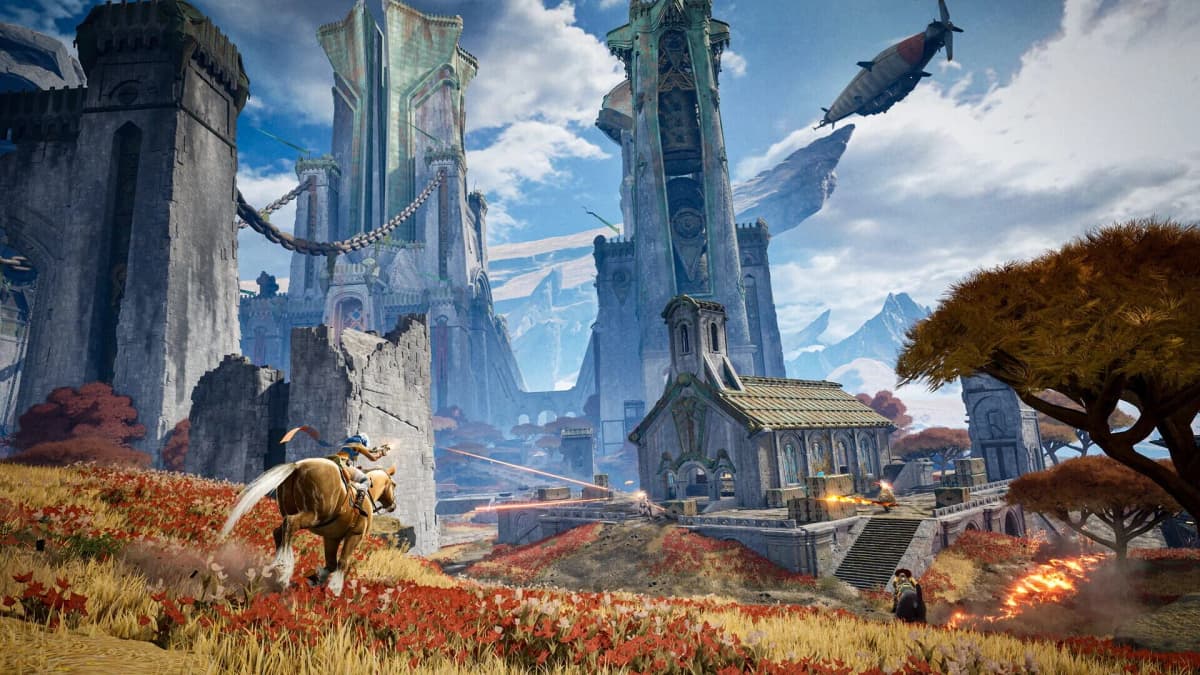
Compounding the issue: remnants of the project’s earlier survival focus. Mining, base‑raiding vestiges and slow pacing didn’t fit a hero‑shooter audience. Attempts to add a 5v5 mode after launch arrived too late to reverse the first impressions or arrest the exodus.
Process and people: internal tests, public silence, and hubris
Every source converges on the same uncomfortable observation: internal playtests were consistently positive — but they weren’t representative. Developers and playtesters had voice chat, devs were there to explain edge‑case mechanics, and the studio itself was hand‑curating the experience. When multiple developers pushed for wider public betas to surface real-world problems, leadership allegedly rebuffed them. That’s not conservative project management; it’s a surrender to hubris.
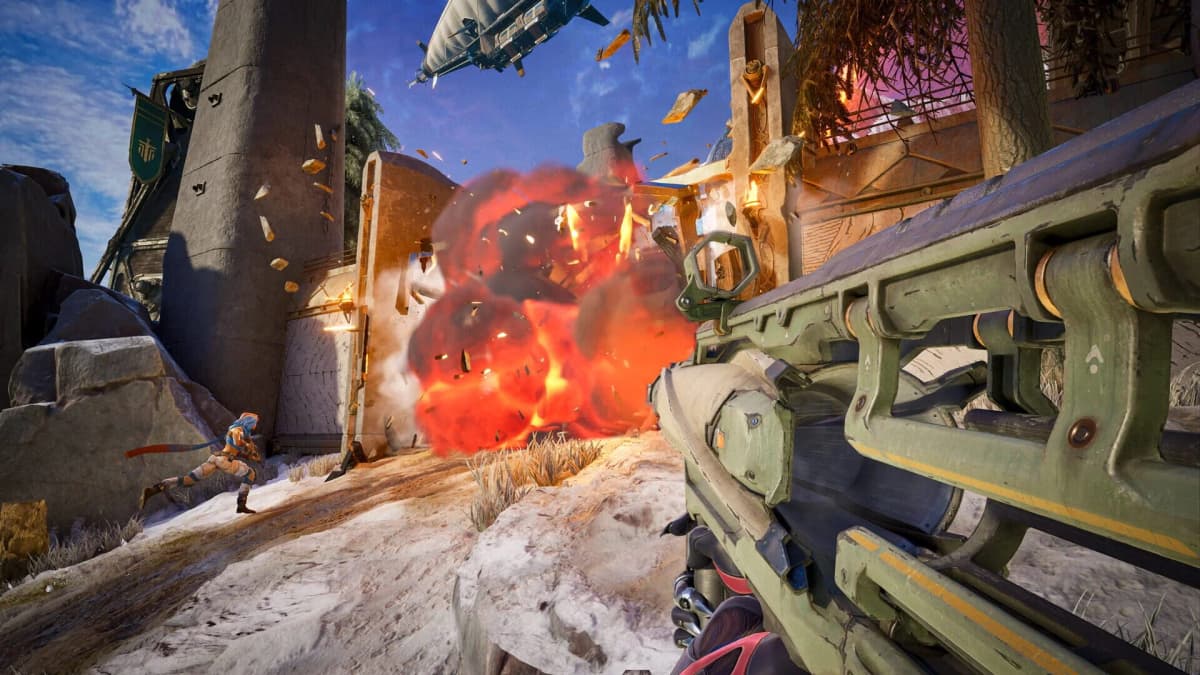
There’s an industry memory here. Apex Legends succeeded with a shadow drop and an element of surprise, but it had Respawn’s institutional backing and a different market moment. Wildlight tried to replicate the spectacle without the safety net. Announcing at The Game Awards — reportedly at Geoff Keighley’s insistence — eliminated the only thing they could have used to control expectations: timing. The spotlight magnified flaws instead of masking them.
The uncomfortable question Wildlight’s PR should be answering
If internal tests were glowing, why refuse a public beta? If leadership believed in the 3v3 loop, why were map sizes and leftover survival systems never reconciled with that decision? And critically: what contractual performance thresholds did Tencent set, and why did the studio not prepare contingency plans for a funding cut? Bloomberg’s reporting says Tencent pulled support once metrics tanked — that money stop is what precipitated the layoffs on Feb. 11, 2026.
What to watch next
- Staffing: Bloomberg and IGN Brasil report fewer than 20 employees remain. If that’s accurate, watch for a formal scale‑down or asset sale announcements.
- Patches and reworks: Wildlight is pushing updates, but check whether they plan another public stress test or an open beta — the absence of public validation was a core failure.
- Funding moves: Tencent’s withdrawal was the fiscal gut‑punch. Any new investor, re‑engagement by Tencent, or licensing deal will be the single clearest sign the project can continue at scale.
- Player metrics: If concurrent players rebound above low five figures after a substantive rebalance + beta, consider the game salvageable; otherwise, it’s politically and commercially uphill.
My question to Wildlight’s PR if I were interviewing them: when internal testers asked for public validation, why did leadership choose silence over scrutiny? That decision — more than any single design quirk — turned a fixable launch into a collapse.
TL;DR
Wildlight shipped Highguard on pedigree and optimism, not public proof. A demanding 3v3 core, leftover survival mechanics, refusal to run open playtests, and a Game Awards reveal that removed timing flexibility all combined to crater retention. Tencent pulled funding, most staff were laid off on Feb. 11, 2026, and fewer than 20 people now try to keep a live service alive that never had the player base to sustain it. This was avoidable — and studios should take notes.
FinalBoss // Gear
Level up your setup
01Top-rated gaming headsetson Amazon→02High-refresh gaming monitorson Amazon→03Gaming chairson Amazon→04Discounted game keyson Kinguin→Affiliate links · As an Amazon Associate, FinalBoss earns from qualifying purchases.
Want to Level Up Your Gaming?
Get access to exclusive strategies, hidden tips, and pro-level insights that we don't share publicly.
Ultimate Gaming Strategy Guide + Weekly Pro Tips