
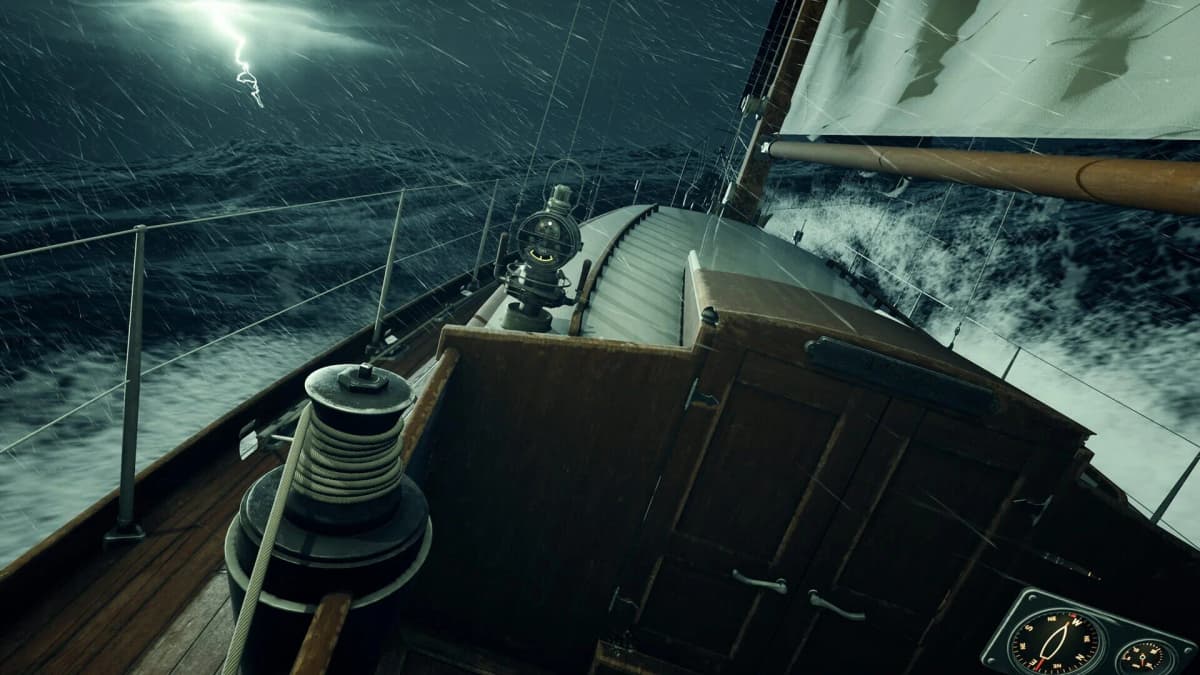
WILL: Follow The Light Brings Sled Dogs, Storms, and UE5 Drama
Game intel
WILL: Follow The Light
Dive into a realistic, single-player, first-person journey through the harsh northern latitudes as you sail endless waters, searching for a way back to your lo…
A stormy search in the North – and why this stood out at Gamescom
WILL: Follow The Light caught my eye at the Future Games Show for one simple reason: it’s not just another moody walking sim with a gloomy voiceover. TomorrowHead Studio is pitching a narrative puzzle adventure where traversal actually matters – realistic sailing, dog sledding, storms that look like they’ll slap your compass out of your hands. If the studio can make movement as meaningful as the melancholy, this could land closer to Jusant or The Red Lantern than another “push the crate and cry” story game.
Key Takeaways
- New trailer shows Unreal Engine 5 wilderness, with sailing and dog sledding as core traversal – not just set dressing.
- Closed playtests are opening later this year; sign up on the game’s Steam page if you want early hands-on.
- The father-and-son narrative is well-trodden; the game will need puzzle design and environmental storytelling to do the heavy lifting.
- UE5 fidelity looks great, but we’re watching performance and input feel — sailing and sledding live or die on physics and responsiveness.
Breaking down the announcement
TomorrowHead Studio (an indie team out of Spokane) dropped a new gameplay trailer for WILL, showing off hostile seas, whiteout trails, and long-forgotten ruins hiding pieces of protagonist Will’s past. The core loop they’re telegraphing: push forward through severe weather, read the world’s clues, solve location-shaped puzzles, and keep your bearings by sail or sled.
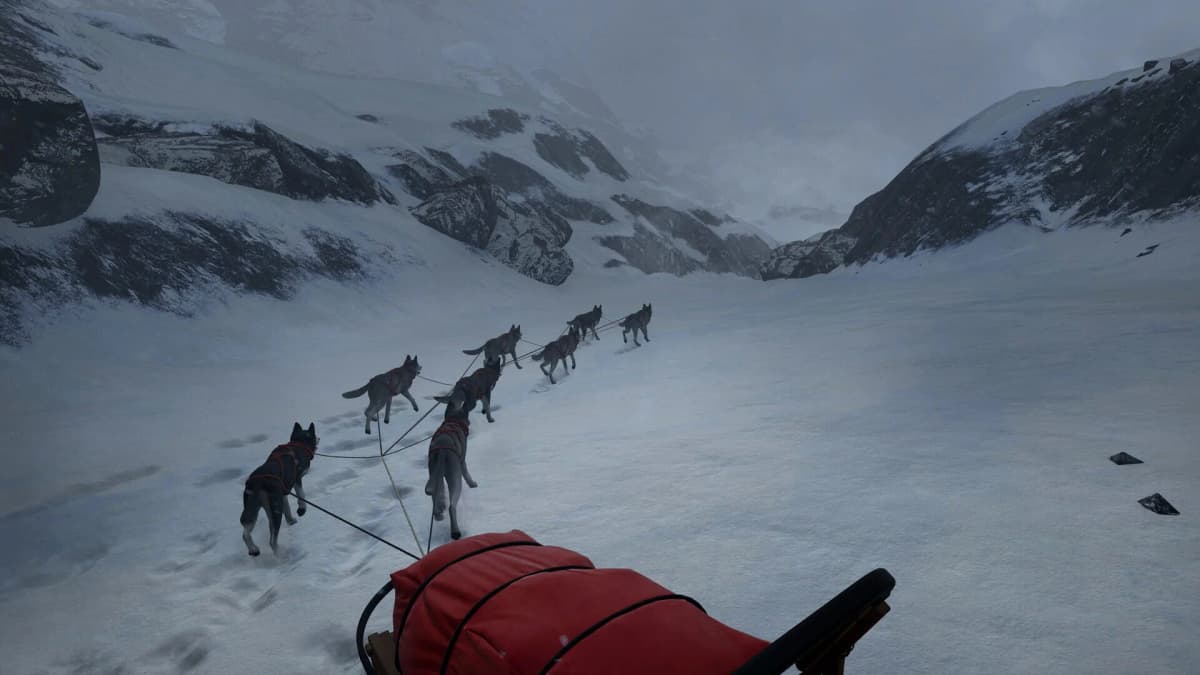
That traversal pitch matters. A lot of narrative adventures hit the vibes but sidestep systems. WILL is leaning into “realistic sailing and dog sledding,” which immediately raises the stakes. Sailing can be sublime or sloppy — Dredge made it tactile with drift and inertia, while Windbound struggled when wind systems undercut fun. Dog sledding has a gold standard in The Red Lantern’s cadence-heavy, decision-driven runs. If WILL blends readable wind, weighty snow, and meaningful route choice, it can carve its own lane.
On the puzzle side, the trailer hints at environmental logic rather than inventory busywork. That’s promising. The moment this leans on color-key fetch quests or pipe-rotation minigames, the spell breaks. What I want to see in the playtests are puzzles that emerge from weather, terrain, and tools — e.g., angling a sail against shifting gusts to clear ice floes, or planning a sled path with shelter timing because a storm front is minutes out.
The studio’s quote — “opening the doors for players to join us in testing key parts of the experience and help shape the journey ahead” — suggests they’re not just hunting wishlists. Good. If they’re smart, they’ll gather data on traversal friction, not just puzzle completion rates.
What this actually means for players
First, expect a slower-burn, atmospheric trek rather than a survival sim. This isn’t The Long Dark. There’s no talk of hunger meters — it’s “narrative puzzle adventure,” not “meters and misery.” That said, storms look like they’ll be mechanical obstacles, not just window dressing. Fail states need to be fair, readable, and fast to retry. If a whiteout wipes you because the game hid its own signposting, that’s controller-throw territory.
Second, performance. UE5 gives you those glacier-blue reflections and cinematic snow, but it also loves to eat midrange GPUs for breakfast if you don’t precompile shaders and offer solid upscalers. If the team ships DLSS/FSR/XeSS, an aggressive shader pre-warm, and a 30/60 fps frame cap option, we’re in business. If not, that gorgeous ocean is going to hitch right when you’re threading a needle between rocks.
Third, agency. “Cinematic” is great until it means you’re holding forward while a voiceover tells you how to feel. The best narrative journeys — think Journey, Edith Finch, or Jusant — let you perform the emotion with the mechanics. Sailing against a headwind communicates struggle better than a monologue can. If WILL trusts the player to navigate, not just spectate, the father-son theme might actually land.
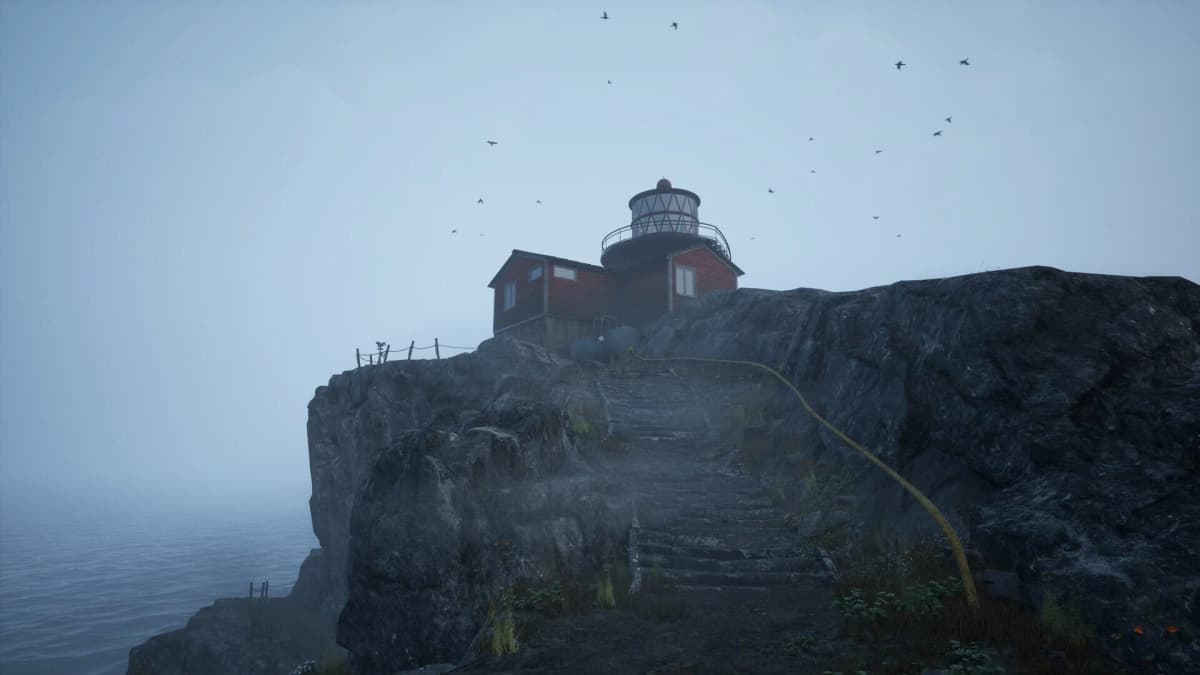
Fourth, authenticity. The Nordic backdrop invites comparisons with Never Alone’s cultural care and The Long Dark’s respect for the elements. Will TomorrowHead consult local histories or communities, or is the North just aesthetic? Dog sledding especially carries cultural weight — it’s not just a snowmobile with fur. I’ll be looking for respectful portrayal and mechanics that treat the team as partners, not props.
Industry context: the “father-and-child” story done right?
We’ve been here before — God of War re-centered Kratos, The Last of Us wrote the template, A Plague Tale explored siblings under siege. The trope works because it’s primal, but it’s also dangerously familiar. WILL doesn’t have to outwrite Naughty Dog; it needs to express its relationship through space, weather, and travel. If memories and environment mesh — finding a keepsake at a frozen ship graveyard that also doubles as a navigation puzzle — it could feel fresh rather than derivative.
The team’s CGI background shows in the trailer’s framing. That’s a double-edged sword. Beautiful shots sell a trailer; players need readable layouts, discoverable routes, and camera behavior that doesn’t fight in tight spaces or high winds. Accessibility matters too: options for motion blur, camera shake, contrast in whiteouts, and assist toggles for wind/sled handling will broaden the audience without dulling the edge.
Want to Level Up Your Gaming?
Get access to exclusive strategies, hidden tips, and pro-level insights that we don't share publicly.
Ultimate Gaming Strategy Guide + Weekly Pro Tips
Playtests are opening — here’s what to look for
If you jump into the closed playtests later this year, stress the systems, not the path. Try bad weather with a controller and mouse/keyboard to see how inputs scale. Push the sled dogs on tight turns and uneven terrain; listen for audio cues that help you react without staring at UI. Sail with and against wind to gauge readability and risk/reward. Note pacing: does the game sandwich puzzles between traversal highs, or strand you in exposition valleys?
Also, ask the practicals: save cadence, checkpoint fairness, level length, and whether the world funnels you too hard. And yes, keep an eye on performance — stutter in a calm walk is annoying; stutter mid-squall is a rage-quit.
TL;DR
WILL: Follow The Light looks like a moody, mechanically driven trek across the North, with sailing and dog sledding poised to define the journey. If TomorrowHead nails traversal feel and performance, this could be the rare narrative adventure where the movement tells the story. Playtests will reveal whether it’s artful agency or just pretty snow.