
WILL: Follow the Light is out now on PC, PS5, and Xbox Series X|S, and the immediate takeaway is pretty simple: this is not trying to win the algorithm with combat clips or survival busywork. TomorrowHead Studio is selling a slower, colder, more deliberate kind of first-person adventure – one built on grief, family damage, and a whole lot of northern gloom. That is either exactly your thing or a hard pass, but at least the pitch is honest.
The game launched May 7 across Steam, PlayStation 5, and Xbox Series X|S, with a 20% launch discount confirmed on Steam. Japanese outlet 4Gamer reports that the Steam version is priced at ¥3,150 in Japan and that the launch discount runs until May 22. Console pricing appears to vary by region, and based on the available information, platform-specific discount details outside Steam are still unclear. That missing detail matters more than PR blurbs ever admit, because plenty of players will decide whether to take a chance on a narrative indie based on whether it lands in the “impulse buy” zone.
Table of Contents (4)
This launch says TomorrowHead knows exactly what kind of game it made
A simultaneous PC, PS5, and Xbox release is not nothing for a smaller narrative project. It usually means one of two things: either the publisher thinks the game has enough broad appeal to justify the extra platform work, or it knows this kind of atmospheric title lives and dies on launch-week visibility and can’t afford to trickle out platform by platform. In this case, it feels like both.
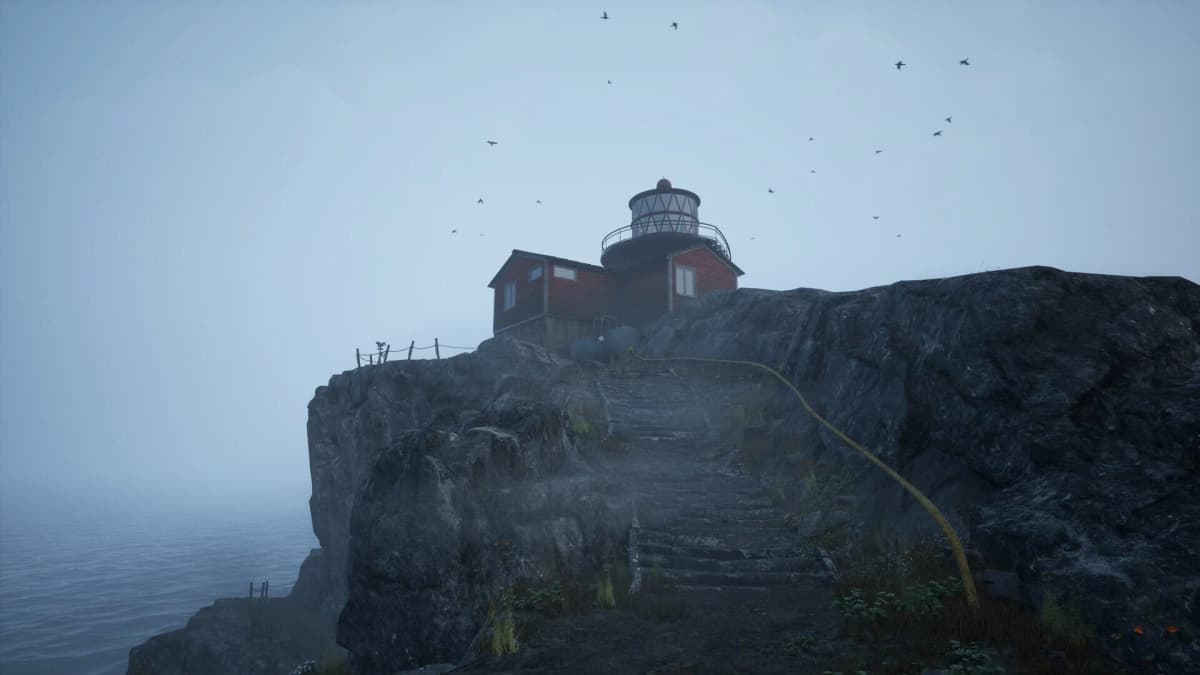
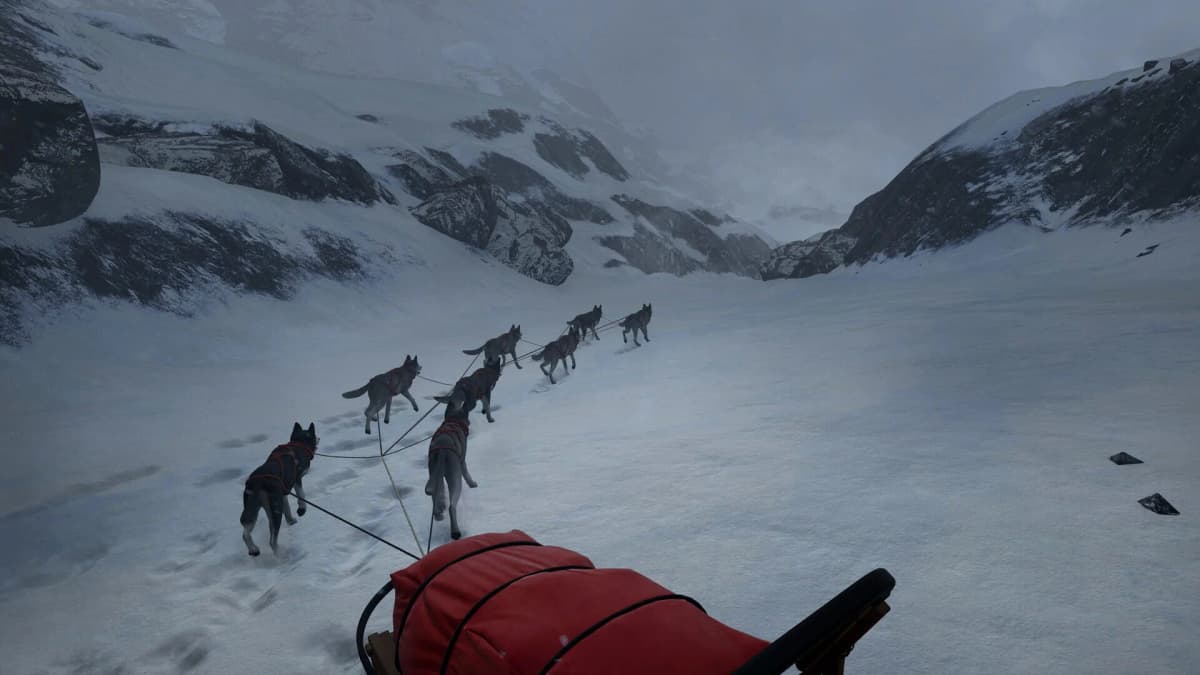
The store descriptions and launch materials position WILL: Follow the Light as a first-person narrative puzzle-adventure built in Unreal Engine 5, following a lighthouse keeper searching for his missing son across frozen islands, mountains, and a ruined hometown. There’s sailing. There’s dog-sled travel. There are environmental interactions and mechanical tasks. Most importantly, there seems to be a very clear refusal to turn all that into another fake “survival” game full of meters and crafting junk nobody asked for.
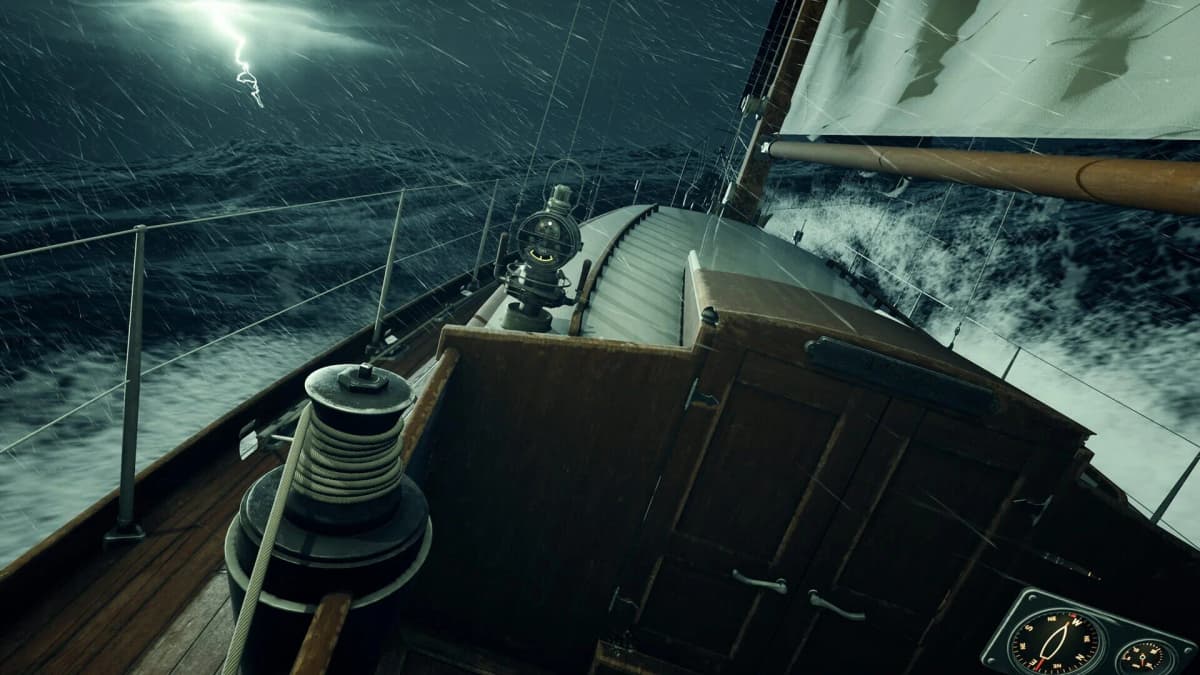
That restraint is probably the smartest thing about the pitch. GamesSpot’s early coverage highlighted that the game uses survival themes without leaning on traditional survival mechanics. Good. The market is already full of games that mistake friction for depth. If WILL is confident enough to let weather, isolation, and loss carry the tension instead of a hunger bar, that’s a better sign than any cinematic trailer shot.
The trailer is selling atmosphere first, which is both promising and a little risky
The launch trailer makes the game’s priorities obvious within seconds. Maritime imagery, lighthouse beams, harsh water, snow, and voiceover lines about forgiveness do most of the heavy lifting. The emotional hook is not subtle: this is a story about a father trying to reach his son while dealing with the wreckage of another father-son relationship. If that sounds heavy, that’s because it is very much trying to be.
That approach works when the writing lands. It falls apart fast when the game mistakes solemnity for depth. Narrative indies have been tripping over that rake for years. The trailer gives us the tone, the stakes, and the scenery, but not a ton of proof that the puzzle design and character work can carry several hours of play. That’s the uncomfortable question here: is this a genuinely affecting adventure with smart interaction, or is it another beautiful sadness simulator that peaks in the trailer?
There are encouraging signs. Coverage from GamesPress and GamesSpot points to tactile mechanics like sail management and object-based problem solving rather than vague “walk here, inspect memory, hear monologue” design. At the same time, GamesSpot also noted visual inconsistency in character models. That might sound minor, but in a game leaning this hard on intimate storytelling, human faces matter. A lot. If the environments look UE5-clean and the people look a tier cheaper, players will notice immediately.
UE5 visuals are nice, but the real value test is whether the game respects your time
“Built in Unreal Engine 5” has become one of those phrases publishers throw around because they know it sounds expensive. By itself, it means nothing. What matters is whether the tech serves the game. Here, the frozen coastline, stormy seas, and light-guided traversal actually seem central to the premise, not just wallpaper. Following beams of light to reveal routes is at least a thematically coherent mechanic for a lighthouse-driven story. That’s more than can be said for plenty of engine-flex marketing.
Still, visual ambition can cut both ways for smaller teams. A lot of indie and mid-budget UE5 projects look incredible in static moments and then get rough around the edges once animation, performance, or interaction density enters the picture. If you’re buying on launch, that is the thing worth keeping in mind. Not whether the screenshots are pretty. They are. The real question is whether traversal, puzzle clarity, and performance hold up equally well across Steam, PS5, and Xbox Series X|S.
The launch discount softens that risk on PC. A 20% cut is a familiar tactic, but it makes particular sense here because WILL is asking players to trust tone, premise, and craft more than brand recognition. This isn’t a franchise with built-in loyalty. It’s a mood-first original IP. Those games benefit from a little price friction being removed at launch.
What to watch before you jump in
If you’re interested, the next useful signal is not another trailer. It’s platform-by-platform player response over the first several days, especially around performance, puzzle pacing, and runtime. For a game like this, three things matter more than marketing copy:
- whether console performance is stable on PS5 and Xbox Series X|S
- whether the puzzles stay grounded and readable instead of becoming adventure-game nonsense
- whether the story earns its emotional weight instead of just wearing it
The practical takeaway: if you like first-person narrative adventures with real atmosphere and you’re okay with a slower, more introspective pace, WILL: Follow the Light looks worth a serious look – especially on Steam while the launch discount is active through May 22. If you need action, systemic survival play, or airtight proof that the writing lands before spending money, this is one to watch for early user impressions rather than blind-buy on mood alone.
FinalBoss // Gear
Level up your setup
01Top-rated gaming headsetson Amazon→02High-refresh gaming monitorson Amazon→03Gaming chairson Amazon→04Discounted game keyson Kinguin→
Affiliate links · As an Amazon Associate, FinalBoss earns from qualifying purchases.
Want to Level Up Your Gaming?
Get access to exclusive strategies, hidden tips, and pro-level insights that we don't share publicly.
Ultimate Gaming Strategy Guide + Weekly Pro Tips