
Windrose hitting 1 million copies sold in six days and roughly 220,000 peak concurrent players on Steam is not just a nice Early Access headline. It is a sign that the survival-crafting genre still has room to explode when a game shows up with the right fantasy, the right price-to-chaos ratio, and just enough jank for players to believe the good parts are real. In a market full of half-finished crafting sandboxes that die after one streamer cycle, Windrose looks like it has cleared the first hurdle that actually matters: people did not just buy it, they kept showing up.
The raw numbers are easy enough to state. Kraken Express says Windrose sold 1 million copies within six days of its April 14 Early Access launch. Its Steam concurrent player count pushed past 200,000 and peaked at about 222,134 on April 19. More importantly, interest did not immediately crater after the launch weekend. Research data shows the game still sitting in the low-150,000 range for concurrent players after the first spike, which is the kind of hold that suggests this is more than curiosity tourism.
Table of Contents (5)
This is what a genre breakout actually looks like
Most outlets will stop at the milestone. Big sales. Big player count. Viral success. Fair enough. But the useful read is that Windrose seems to have hit the survival genre’s most valuable overlap: co-op-friendly, streamable, immediately legible, and distinct enough to stand out in a storefront full of trees-to-punch and rocks-to-mine clones.
Pirates help. That sounds obvious, but plenty of games learn the hard way that a strong theme is not the same thing as a strong playable fantasy. Windrose appears to have delivered the fantasy players actually wanted: sailing with friends, building up a crew, surviving in a hostile world, and generating the kind of emergent disaster that makes co-op games travel fast. Survival games live or die on anecdote value. Players need moments worth retelling. A base defense gone wrong. A voyage that turns into a shipwreck comedy. A loot run ruined by weather, enemies, or one very dumb friend. Windrose seems built for that.
That matters because survival-crafting has become one of the most crowded and least forgiving genres on PC. For every Valheim or Palworld-level breakout, there is a graveyard of competent games that never escape “pretty decent with friends.” Windrose getting to 1 million that quickly means it did escape. At least for now.
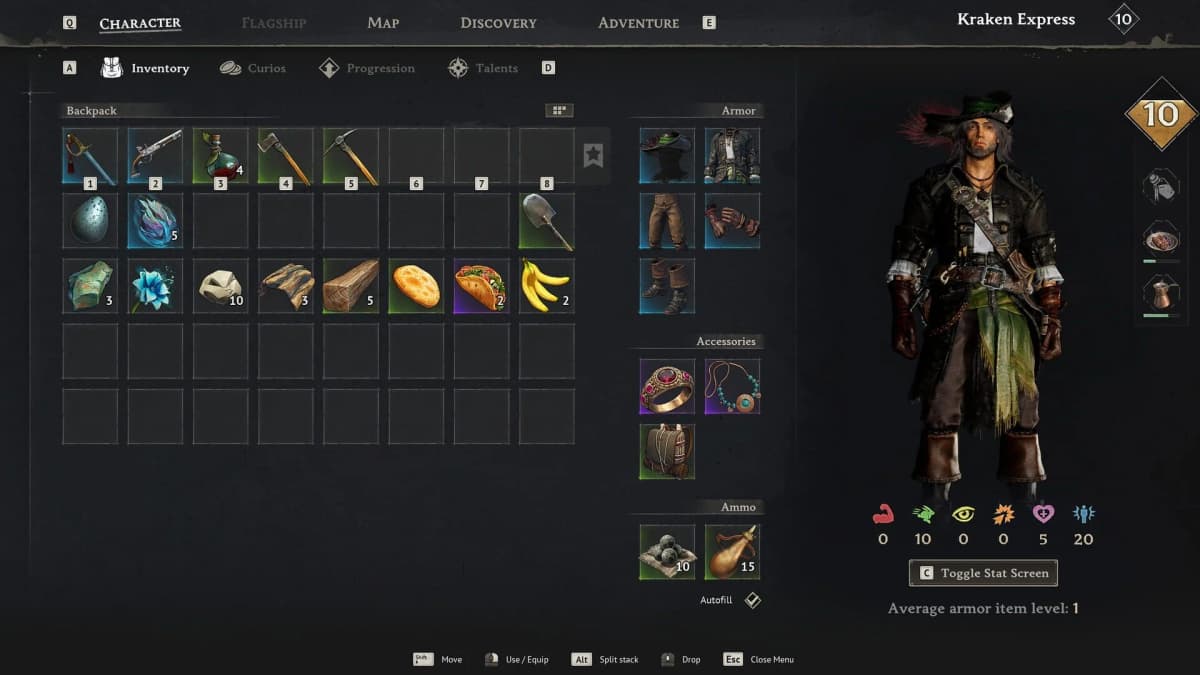
The uncomfortable part: huge Early Access launches can go sideways fast
This is the part the victory lap tends to skip. Early Access success is not the same thing as long-term success, and sometimes it is the fastest route to a very public unraveling. When a game scales this hard, this fast, it stops being judged like an underdog project and starts being judged like a live service, whether the studio wanted that or not.
Kraken Express has already had to push hotfixes and stability patches, including fixes tied to connectivity, Steam Cloud saves, IP-related issues, and experimental automatic save backups. That is normal for a fast-rising Early Access game. It is also the first real stress test. Players are often generous during week one. They become much less generous once they have lost progress, hit server problems, or realized the current content ceiling is closer than expected.
The bigger issue is pacing. According to background reporting, the studio is planning for roughly 1.5 to 2.5 years in Early Access. That is a long runway. It can work, but only if Kraken Express turns early momentum into a believable cadence of fixes, systems work, and meaningful content additions. “Roadmap soon” is fine in the first burst of launch chaos. It does not stay fine for long.
If I were in the press Q&A, the question would be simple: what does retention look like once players hit the current endgame and how quickly can the team ship the next reason to come back? That is the number behind the number. One million sales gets attention. Week-three and week-six engagement tells you whether this is a phenomenon or just a very successful opening act.
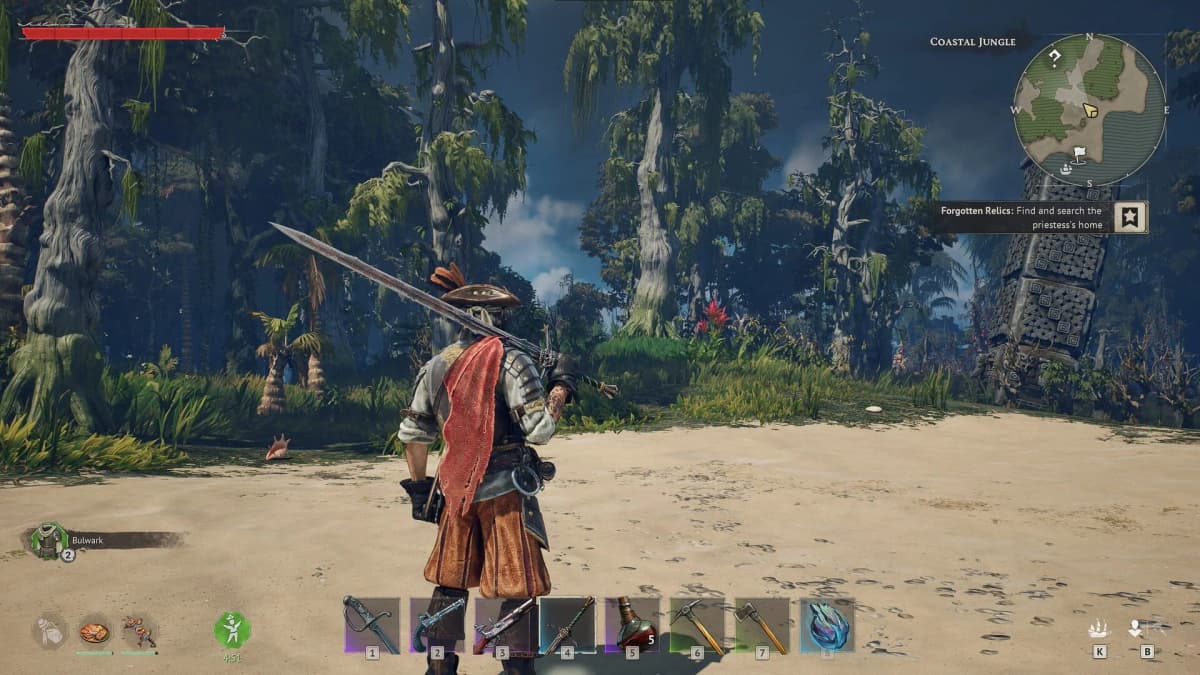
Why players seem willing to forgive the rough edges
There is a pattern here that veterans of PC launches will recognize. Players will tolerate a surprising amount of instability if the core loop lands hard enough. They will not tolerate blandness. A buggy game with a strong identity gets patches and second chances. A polished but forgettable one gets two weekends and a quiet funeral.
Windrose seems to be benefiting from that exact math. Early reception has been broadly positive, and the current player counts suggest that the game’s hook is stronger than its launch friction. That is not a free pass. It is borrowed time. But borrowed time is incredibly valuable in Early Access, especially when your community is large enough to surface problems fast and loud.
There is also a commercial reality here. A million copies in under a week gives Kraken Express a very different set of options than the average Early Access team gets. Bigger support load, yes, but also more resources to scale support, accelerate hiring, and harden the game’s weakest systems. Assuming the studio uses that window well, this kind of start can fund the version of Windrose players now think they bought into.
The next milestone matters more than the first one
Background reporting already suggests Windrose kept climbing after this first-week milestone, later passing 1.5 million copies sold while rolling out a patch with more than 40 building pieces, 50-plus fixes, and quality-of-life work. The first major content drop has also been pointed toward an Ashlands biome with undead and volcanic themes. That is encouraging, because it means the studio is doing the obvious thing: feeding the game while the fire is still hot.
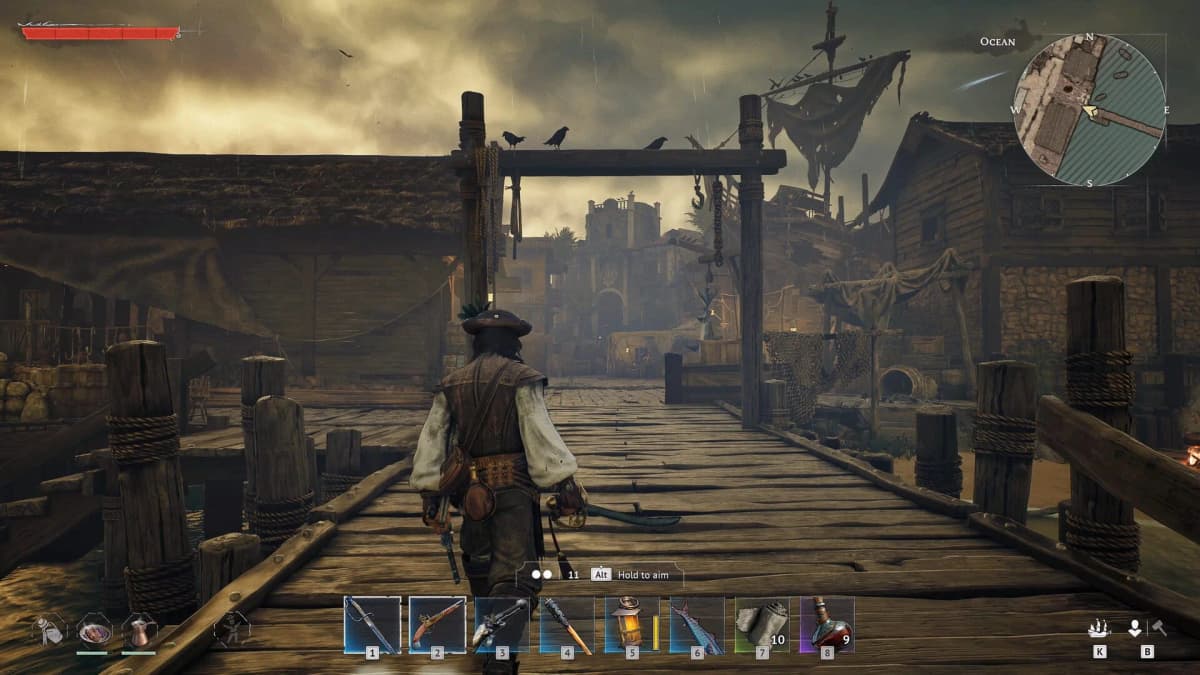
But the next milestone that actually matters is not 2 million sales. It is proof that Windrose can survive the shift from launch story to maintenance story. Can it keep concurrency at a level that supports a healthy co-op ecosystem? Can it improve onboarding and technical stability without sanding off the chaos that made people show up? Can the roadmap avoid the classic Early Access trap of promising a grand future while the present version gets stale?
That is where plenty of breakout games stumble. The initial version is an easy sell because it captures imaginations. The harder part is disciplined follow-through. Survival players are patient about rough edges. They are not patient about drift.
What to watch next
- Whether Steam concurrency stabilizes at a high floor rather than collapsing after the honeymoon period.
- How quickly Kraken Express publishes a clear Early Access roadmap with dates or at least sequencing players can trust.
- Whether major patches keep prioritizing stability, save protection, and multiplayer reliability before chasing flashy feature creep.
- How substantial the first big content drop is, especially the Ashlands biome and any systems that deepen the naval and co-op loop.
The practical takeaway is simple. Windrose has already proven it can win the launch-week lottery. Now it has to prove it can do the much less glamorous job: turn viral momentum into a durable game. For players, that means the smart move is not blind hype or reflexive cynicism. Watch the patch cadence, watch the retention, and watch whether the studio fixes boring problems as aggressively as it teases exciting additions. That is how you tell if this is the next survival mainstay or just the latest Early Access sugar rush.
FinalBoss // Gear
Level up your setup
01Top-rated gaming headsetson Amazon→02High-refresh gaming monitorson Amazon→03Gaming chairson Amazon→04Discounted game keyson Kinguin→Affiliate links · As an Amazon Associate, FinalBoss earns from qualifying purchases.
Want to Level Up Your Gaming?
Get access to exclusive strategies, hidden tips, and pro-level insights that we don't share publicly.
Ultimate Gaming Strategy Guide + Weekly Pro Tips