
Windrose matters because it did the thing the survival genre almost never does anymore: it showed up in Early Access without looking like a placeholder for a future good game, and players responded like they’d been waiting for somebody to stop overcomplicating the pitch. Six days after its April 14 Steam launch, Kraken Express had cleared 1 million copies sold. Peak concurrency climbed to 222,134 players. That is not “nice for an indie” territory. That is market signal territory.
The obvious headline is that a pirate survival-crafter got huge, fast. The real headline is that Windrose found an audience bigger publishers keep trying and failing to manufacture: players who want co-op sandbox chaos, readable progression, and enough friction to feel alive without turning every session into unpaid QA labor. That explains the sales spike, the Steam concurrency, and the fact that Twitch didn’t treat it like a one-night novelty.
Table of Contents (6)
Key Takeaways
- Windrose sold 500,000 copies in its first 48 hours and 1 million within six days, which is a breakout by any standard, let alone for an Early Access launch.
- Its 222,134 peak concurrent players on Steam put it ahead of several much louder, more expensive releases, which says less about marketing and more about immediate player buy-in.
- The long Early Access plan, reportedly around 1.5 to 2.5 years, is the first real risk. Big launches create big expectations, and roadmaps have buried plenty of promising games.
- The uncomfortable question is whether Kraken Express can protect what players already like about Windrose without “fixing” it into something more generic.
This wasn’t a fluke launch, it was a genre correction
There’s a reason these numbers jumped out immediately. Survival games are still popular, but the genre has spent years drowning in sameness: same gather-craft-build loop, same vague promise of emergent stories, same Early Access page asking you to trust the process. Windrose cut through because the fantasy is clean. Pirate ship. Co-op. Survival systems. Progression that feels tangible. You understand the appeal in seconds, and more importantly, people who actually played it seem to understand why they kept playing.
That helps explain why the Steam numbers didn’t just blip and vanish. A 222,134 peak is not idle curiosity. It suggests that word of mouth converted, that groups were dragging other groups in, and that the game’s loop was sticky enough to survive first contact. Compared with AAA releases that posted lower peaks despite much bigger hype machines, Windrose looks like a reminder that players are still perfectly willing to show up in massive numbers when the pitch and the execution line up.
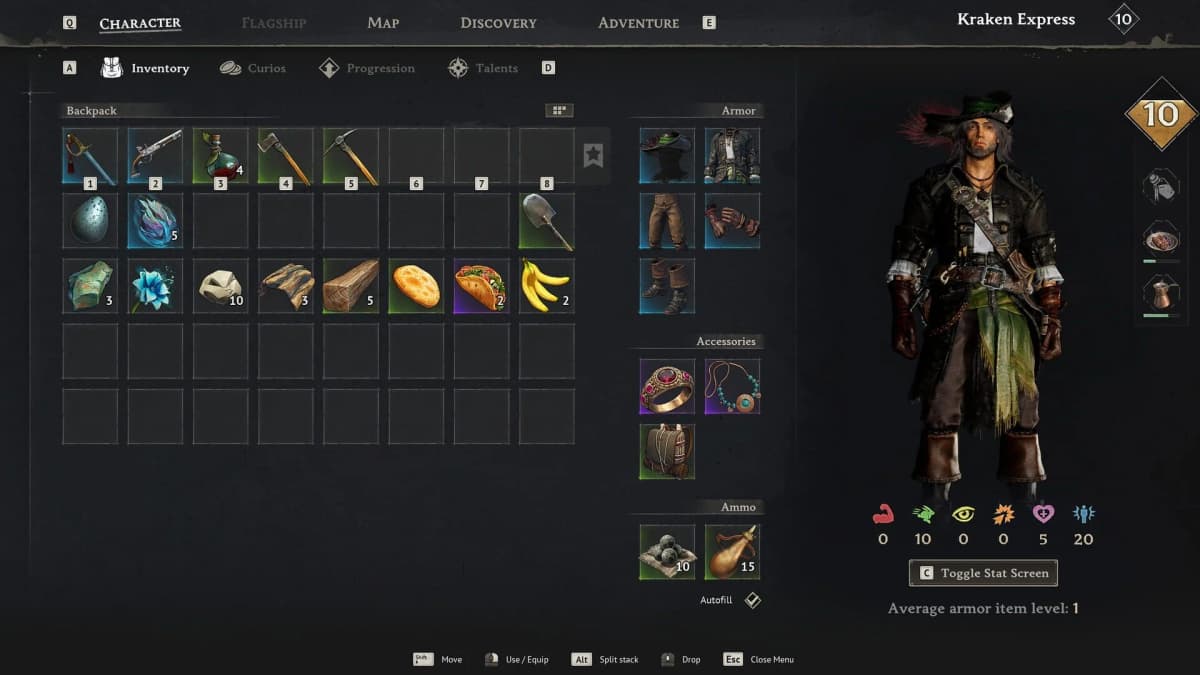
And yes, Twitch matters here too, even without turning this into a spreadsheet recital. Windrose clearly got the streamer bump that these games need, but it didn’t look like pure spectator bait. The more important part is that streams appear to have reflected actual player interest rather than replacing it. Plenty of games trend on Twitch because watching is more fun than playing. Windrose, so far, seems to have avoided that trap.
The roadmap is where the real fight starts
Here’s the part PR would prefer you phrase more gently: a huge Early Access launch is useful, but it also sets a studio up to disappoint a million people at scale. Kraken Express is reportedly planning a long runway here, somewhere in the 1.5-to-2.5-year range, with a campaign target in the 50-to-70-hour ballpark. Ambition is great. Ambition plus sudden success is where things get messy.
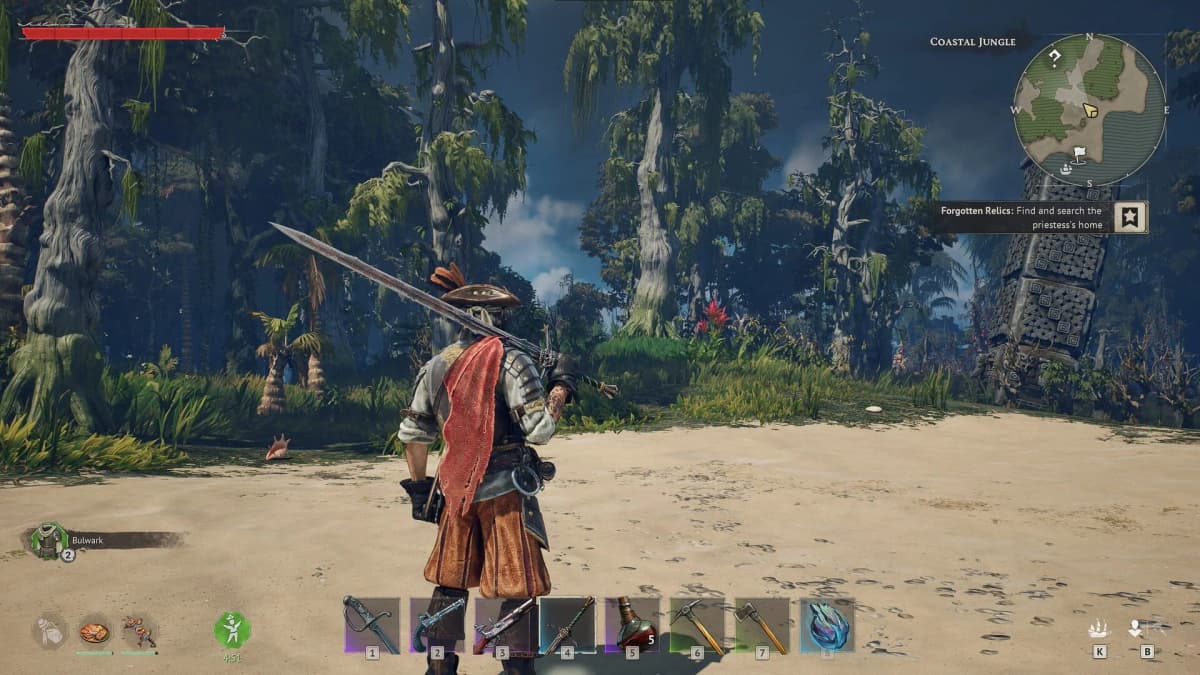
We’ve seen this pattern before. A game breaks out early because its core loop is strong, then the roadmap balloons, community pressure rises, feature requests pile up, and the developers start sanding off the edges that made it work. The latest hotfixes and technical fixes are the right kind of boring work, especially around save issues and stability. That’s encouraging. But the real test is whether the team keeps prioritizing reliability and cohesion over stuffing the roadmap with “community requested” distractions.
If I were in the room with Kraken Express, the question I’d ask is simple: what are you refusing to add, even if it gets loud community support? Because every successful Early Access game needs a kill list as much as a roadmap. One background thread around Windrose already points to players worried about forced shifts in design direction, especially if the game starts chasing broader trends. That concern is valid. Nothing ruins a strong PvE-driven sandbox faster than bolting on half-baked systems because Discord got noisy for a week.
The part bigger studios should be embarrassed by
Windrose’s launch is also a small indictment of an industry that keeps mistaking budget for demand. Players didn’t need a cinematic universe, a three-phase marketing campaign, or a season pass roadmap before launch. They needed a game that understood its fantasy, let friends make stories together, and delivered enough progression to keep the session going past midnight. That sounds obvious. It apparently still isn’t obvious enough in executive meetings.
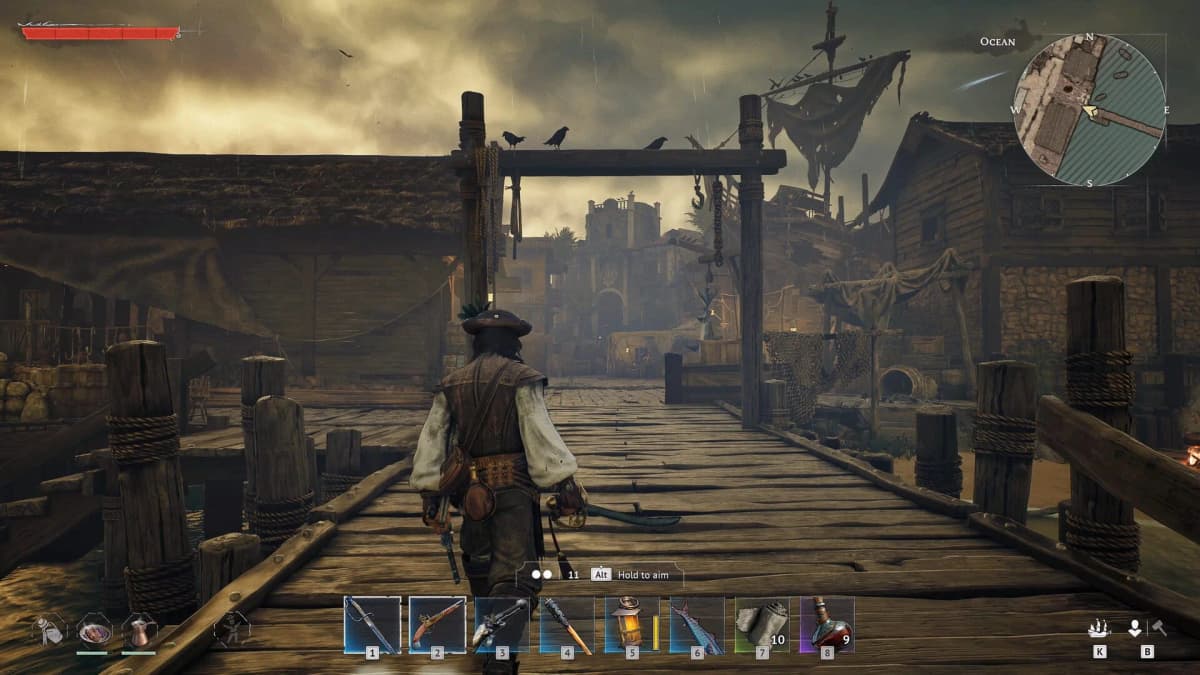
Calling it “the pirate game fans wanted” is a little too neat, but not by much. Early reactions from creators and players have been broadly aligned: accessible shipbuilding, solid co-op energy, rewarding progression, some jank, weaker land combat, and the usual inventory annoyances. In other words, players are forgiving the right flaws because the central fantasy is landing. That’s a much healthier place to start than a polished launch with no identity.
What to Watch Next
- The first major roadmap update. Not the promise of one – the actual content drop. That will show whether Kraken Express can turn momentum into structure.
- Steam review trajectory over the next 30 to 60 days. Launch-week enthusiasm is one thing; retention and sentiment after the honeymoon are what separate a hit from a flashpoint.
- How the studio handles design scope. If updates stay focused on core exploration, co-op, progression, and technical stability, Windrose has room to grow. If the roadmap starts reading like a compromise document, that’s the warning sign.
- Peak player stability after the initial surge. It doesn’t need to live near 222,134 forever, but it does need a healthy floor if this two-year Early Access plan is going to hold.
TL;DR
Windrose launched into Steam Early Access on April 14 and hit 1 million sales in six days, with a peak of 222,134 concurrent players and clear Twitch traction. What matters is that it got there by delivering a clean, sticky co-op pirate survival fantasy at a time when the genre badly needed one. The next meaningful signal is whether Kraken Express keeps the roadmap disciplined instead of letting breakout success bloat the game into something less interesting.
FinalBoss // Gear
Level up your setup
01Capture cards (Elgato & more)on Amazon→02USB microphoneson Amazon→03Gaming keyboardson Amazon→04Gaming deskson Amazon→Affiliate links · As an Amazon Associate, FinalBoss earns from qualifying purchases.
Want to Level Up Your Gaming?
Get access to exclusive strategies, hidden tips, and pro-level insights that we don't share publicly.
Ultimate Editor's Pick Strategy Guide + Weekly Pro Tips