
Table of Contents (5)
Why Windrose’s 1 million wishlists actually matter
This caught my attention because a small indie demo doing what big-budget pirate games couldn’t – excite players – reveals a real opening in the market. Windrose launched a playable demo on Feb. 17 and crossed the 1 million Steam wishlist mark in roughly five days. That’s not just hype; it’s evidence players are willing to reward a tightly executed survival-crafting loop in the right setting.
- Polished core loop: crafting, base-building, sailing and naval combat feel focused rather than bloated.
- Smart QoL and pacing: early access to sailing and reduced inventory friction gets players to the fun parts faster.
- Indie momentum matters: compelling design and art direction can outflank AAA failures in niche subgenres.
Breaking down what the demo actually shows
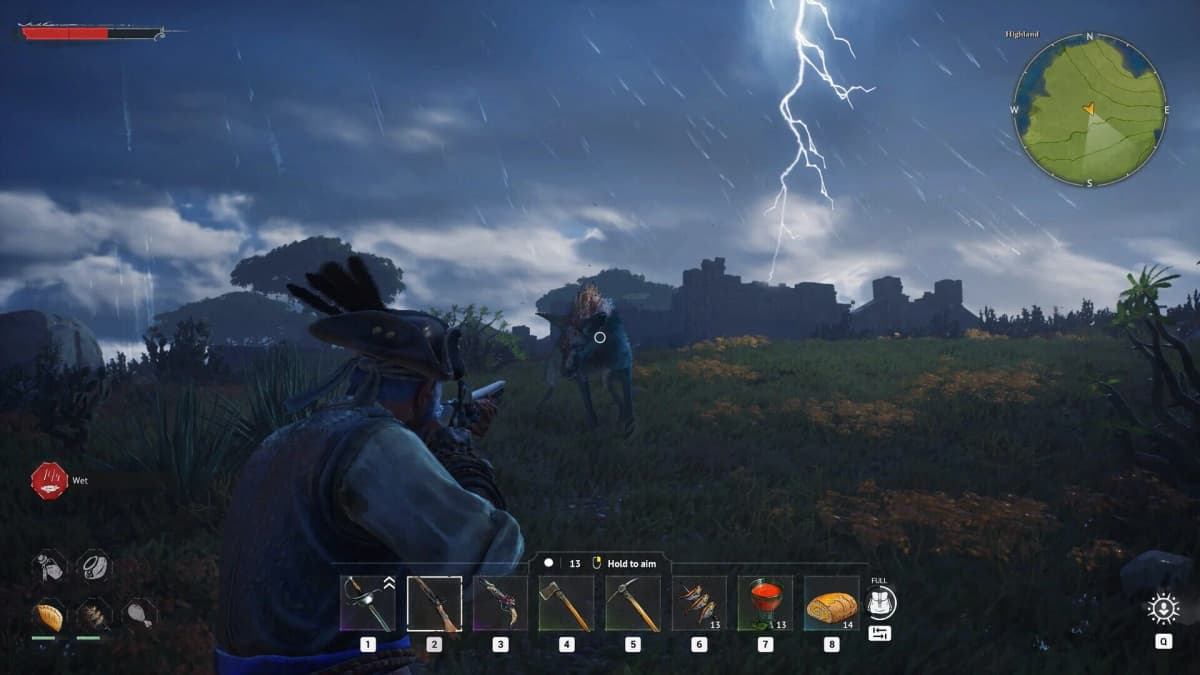
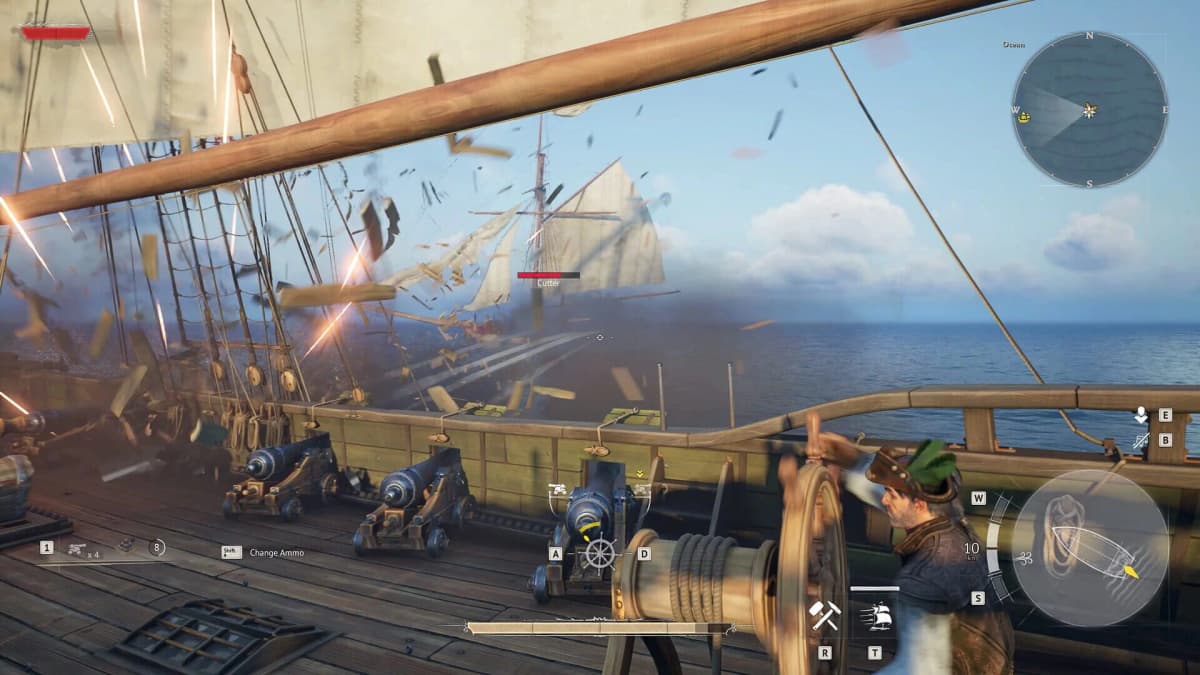
Playtime impressions and preview coverage line up: Windrose leans into the familiar Valheim-style survival loop – land, gather, build, improve, then take to the sea — but swaps Norse afterlife mystique for rum-soaked islands and cannonball physics. That swap matters. A pirate sandbox gives exploration and conflict an instantly cinematic context that rewards emergent stories (stranded captain makes a raft, upgrades to a brigantine, raids a fortress) in ways a purely mythic or abstract setting sometimes can’t.
Importantly, early hands-on coverage flagged real quality-of-life wins. PCGamesN noted Windrose removes some of the inventory and crafting friction that trips up many survival games — using stored base materials without hauling them around and instantly summoning your ship are small design choices that change pacing dramatically. When the path to sailing and cannon fights is shorter, you spend more time in the game’s most compelling systems.
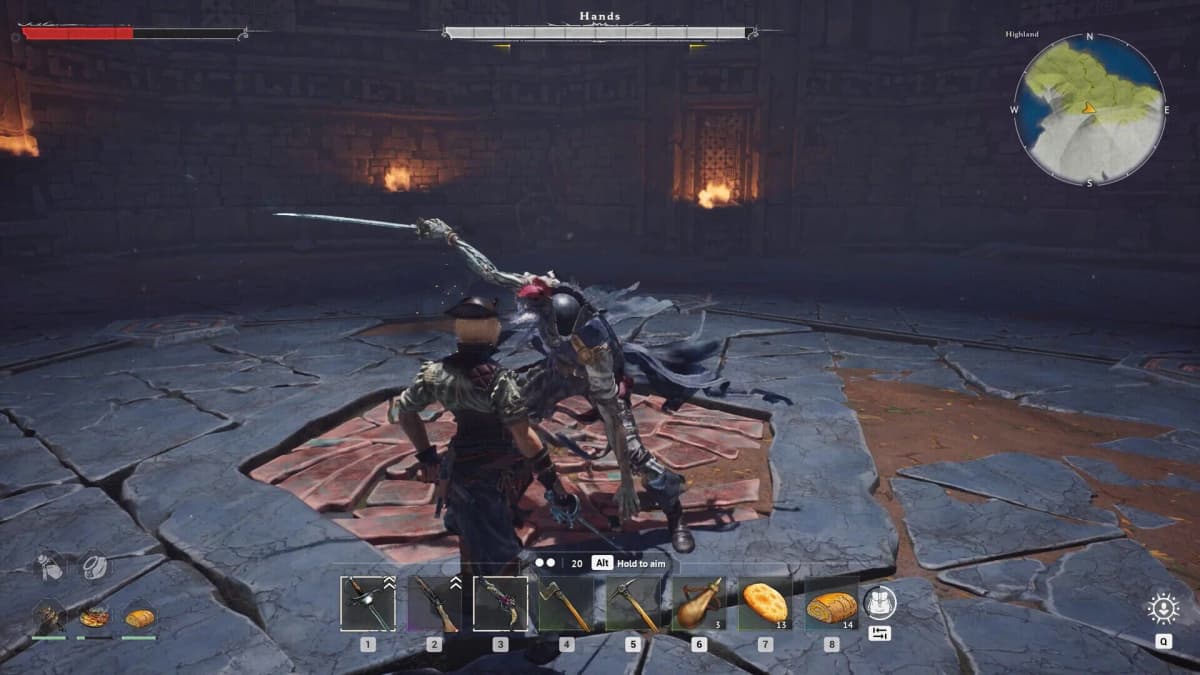
The demo also showcases refined combat and gathering mechanics and a deliberate art direction in Unreal Engine. This isn’t “photo-realism slapped on islands”; it’s a stylized look that gives the game personality and helps it stand out in a crowded store page. Naval combat and ship progression feel meaningfully tied to design choices, a point echoed by other recent indie naval sandboxes that emphasize hull, sail, and cannon tradeoffs.
Why this threatens AAA — and why Ubisoft should be watching
AAA pirate dreams have stumbled lately. Ubisoft’s Skull and Bones promised the sandbox piracy throne and failed to stick the landing for many players. Windrose’s runaway wishlist numbers show players are still hungry for pirate adventures — they just want a game that actually nails the loop. When an indie nails pacing, systems and aesthetic, it can outcompete expensive but directionless AAA projects.
There’s also a wider industry backdrop where big launches can explode and collapse quickly if the core loop isn’t satisfying. Recent examples of high-profile peaks followed by player drop-off remind us that visibility isn’t a substitute for design. Indies that iterate quickly and ship focused demos can build community goodwill and strong wishlists early — and that early traction converts to press, creators, and momentum when the launch window opens.
What still matters — questions players should watch
One million wishlists is a loud yes, but it isn’t a guarantee. Key unknowns remain: what the multiplayer scale and server model will be, how progression and late-game threats are balanced, whether there will be intrusive monetization, and how long the devs can support the title post-launch. High wishlist counts reward potential; retention and content roadmap will prove whether Windrose becomes a long-lived community or a glorious summer fling.
Indie naval and survival projects have momentum — solo devs and small teams have repeatedly proven they can surprise the market if the systems sing. Windrose is riding that wave, and the demo’s smart UX and distinct setting are exactly the sort of focused moves that turn wishlists into paying players.
TL;DR
Windrose turning one million Steam wishlists in five days isn’t just a headline—it’s proof that a focused indie can reclaim a genre hollowed out by messy AAA attempts. The demo’s QoL fixes, sharp pacing, and pirate setting are the right recipe for attention; now the hard part is keeping players once the full game ships.
FinalBoss // Gear
Level up your setup
01Graphics cardson Amazon→02Gaming laptopson Amazon→03High-refresh gaming monitorson Amazon→04Discounted game keyson Kinguin→Affiliate links · As an Amazon Associate, FinalBoss earns from qualifying purchases.
Want to Level Up Your Gaming?
Get access to exclusive strategies, hidden tips, and pro-level insights that we don't share publicly.
Ultimate Gaming Strategy Guide + Weekly Pro Tips