
An indie pirate survival game just pulled off the launch Ubisoft has been chasing for a decade: Windrose sailed into Steam Early Access and, instead of sinking under bugs and broken promises, it immediately topped charts with numbers most “live service” pitches would kill for.
On April 14, Windrose hit a SteamDB peak of 69,544 concurrent players in its first 24 hours and settled into a “Very Positive” 88% rating from thousands of reviews. That isn’t a fluke. It’s a case study in how to launch an Early Access game in 2026 – and a quiet indictment of how badly the pirate fantasy has been handled at AAA scale.
Table of Contents (8)
Key takeaways
- Windrose’s Early Access debut hit ~69K concurrent players and 88%+ positive reviews, off the back of a wildly successful demo and 1.5M wishlists.
- It nails the “Black Flag meets Valheim” pitch with proper sailing, survival-crafting, and Souls-lite combat that actually feels dangerous.
- Under the hood, it’s surprisingly stable and well-optimized for an Early Access launch, with criticism focused more on balance and QoL than tech disasters.
- The uncomfortable question: can a small team sustain this momentum without drifting into grind, bloat, or the F2P design habits they just escaped?
This looks less like Early Access and more like a stealth full launch
Most Early Access launches are soft landings: a few thousand curious players, a thin content slice, and a roadmap that reads like a wish list. Windrose did the opposite. It hit Steam’s top sellers, crossed roughly 70K concurrent players at launch, and held tens of thousands online afterwards. Those are release numbers, not “we’ll get there eventually” numbers.
The groundwork was laid months earlier. The February Steam Next Fest demo quietly turned into a monster, pulling in around 800,000 players and pushing the game past 1.5 million wishlists. Instead of yanking the demo to create artificial scarcity, the devs left it up through launch because players asked them to. That’s not just goodwill; it’s smart funnel design. By the time Early Access opened, a massive chunk of the audience already knew what they were buying.
Once people got in, things mostly worked. Across outlets and user reviews, the same themes keep popping up: Windrose runs well on a wide range of rigs, crashes and critical bugs are rare, and the core loop – scavenging islands, building bases, crafting gear, then taking your ship into dangerous waters – is already intact. When the loudest complaints are about balance and UI instead of “this thing doesn’t launch,” that’s a good Early Access problem to have.
The pirate fantasy AAA left on the table
Windrose works because it understands what players actually want from a pirate game, and it doesn’t bury that under live-service sludge. You start small, scrape together a living on hostile islands, then work your way up to captaining a ship and picking your fights on an open sea that genuinely feels threatening.
Reviews and previews keep circling the same tonal comparison: it “scratches that Black Flag itch.” The sailing has heft and risk, naval combat has positioning and timing instead of floaty bullet sponges, and boarding turns into tight, melee-focused brawls. Add in a survival backbone that borrows from Valheim – base-building, crafting tiers, progression tied to exploration – and you get something that feels familiar but coherent.
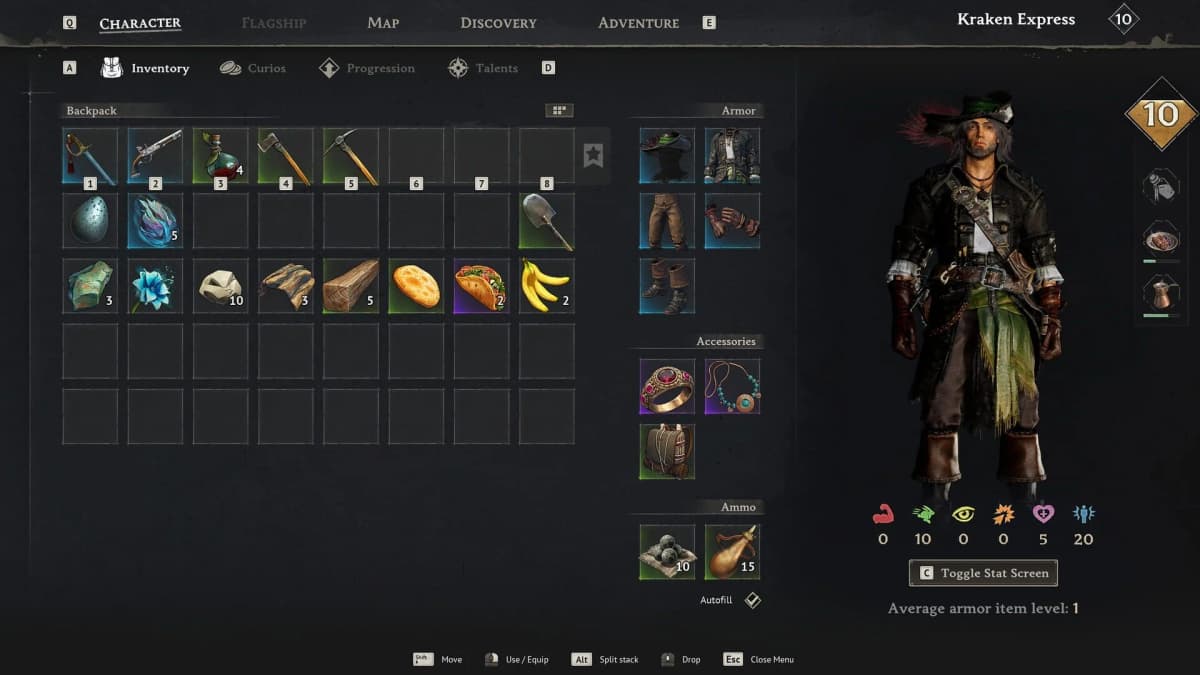
Combat on foot aims for a “Souls-lite” feel. It’s not FromSoftware, but there’s stamina management, dodge timing, punish windows and enemies that will absolutely delete you if you sleep on them. That alone puts it miles away from the safe, weightless encounters we’ve seen in other pirate sandboxes. When Angry Joe can look at a small-team indie and say, with a straight face, that it captures the pirate fantasy Skull & Bones missed, you know something’s shifted.
The uncomfortable implication here is obvious: a relatively small studio with Unreal Engine 5 and a focused PvE brief just beat years of AAA iteration at their own theme. Not by outspending them, but by picking a lane – survival-crafting, PvE, no mandatory PvP chaos – and actually finishing the core fantasy before thinking about the store.
This used to be a F2P MMO. That matters more than you think.
Windrose didn’t start life as the game you’re seeing now. Under its old name, Crosswind, it was being built as a free-to-play MMO. Somewhere along the way, Kraken Express hit the brakes, rebranded, and rebuilt it as a buy-to-play PvE survival game instead.
That pivot is a big part of why the launch feels different. Free-to-play MMOs live and die on retention charts and monetization hooks. Every system gets warped around keeping you in the treadmill and nudging you toward cosmetics or convenience purchases. Windrose, at least right now, is charging roughly €27 at launch and giving you a straight shot at the content. No battle pass, no XP boosters, no “premium” resource tier.
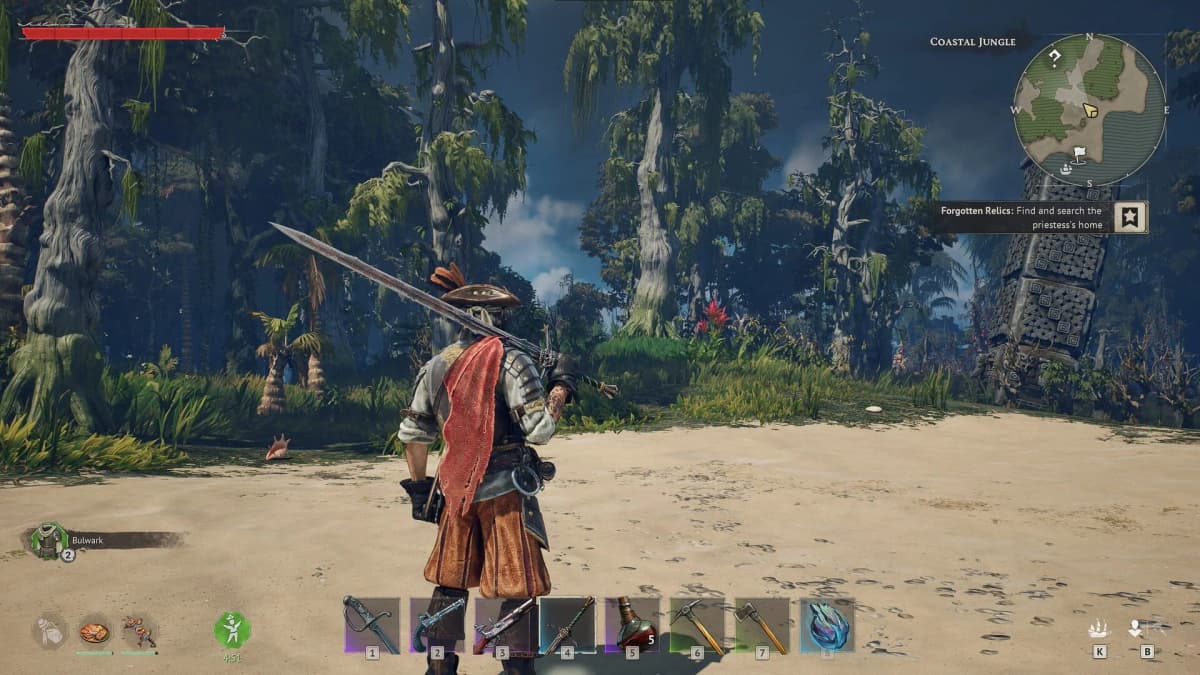
Design-wise, you can feel that freedom. Progression is grindy in the way survival games usually are – you’ll be chopping trees, mining ore, and scraping for gunpowder – but it doesn’t feel twisted toward a future cash shop. Enemies hit hard because the devs want tension, not because they need you to buy a better sword skin.
If I had the PR rep in front of me, the question would be blunt: are you committing to staying buy-to-play with optional cosmetics at most, or is there a plan to slowly re-import MMO monetization as the player count stabilizes? Because the second that starts happening, the trust this launch built evaporates.
The cracks are already visible – and Early Access is supposed to expose them
For all the hype, Windrose is still Early Access, and the seams are there if you look. The biggest complaint in user reviews isn’t bugs, it’s spikiness. Enemy balance can feel all over the place: some mobs are trivial, others two-shot you through what looks like decent gear. Boss fights swing from exhilarating to cheap depending on how well you’ve internalized their patterns and stamina economy.
UI and quality-of-life are the other pain points. Inventory and crafting management are clunky, information is buried in odd places, and the game leans on survival-game habits we probably should’ve left in 2018. When players are alt-tabbing to wikis and Discord just to understand basic systems, that’s not “hardcore,” it’s friction.
Multiplayer, too, is wobbling under success. Reports of connection issues, desync, and general jankiness in co-op sessions are piling up as more people try to squad up. Nothing catastrophic yet – and the servers mostly stayed up through the launch spike – but if Kraken Express wants this to be a long-term co-op staple, netcode and session stability need to climb the priority list fast.
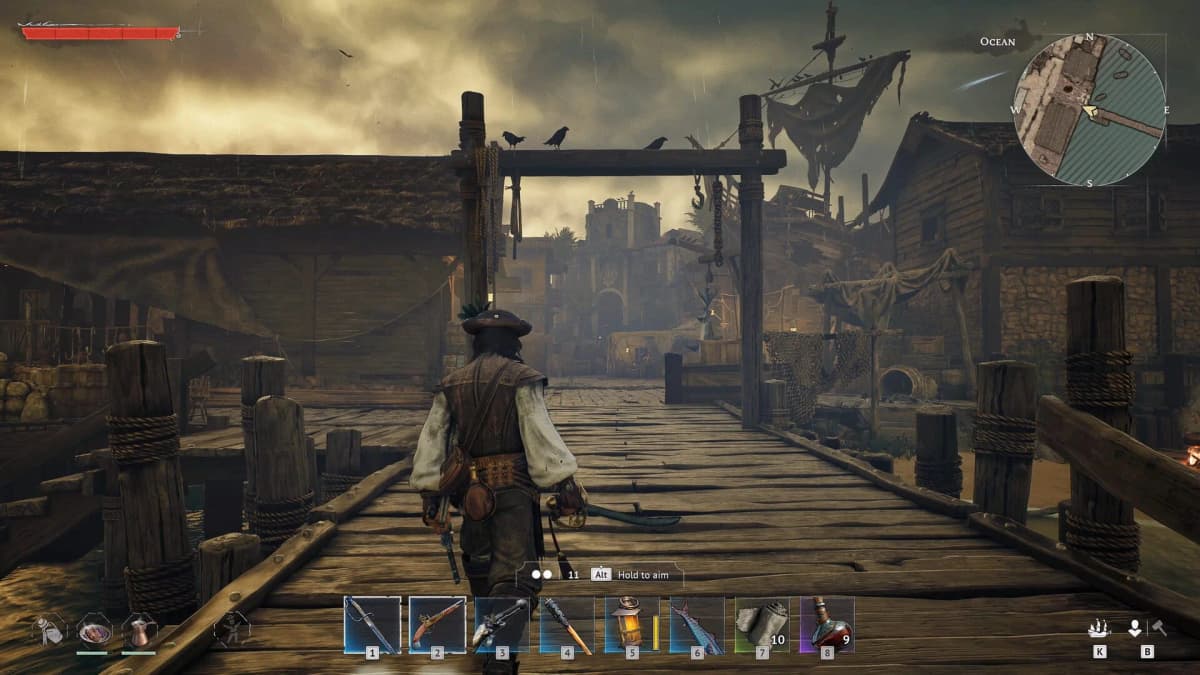
None of this is disqualifying. In fact, this is what Early Access should look like: a strong core, rough edges on the systems layer, and a community already loud and specific about what isn’t working. The danger isn’t that Windrose is broken; it’s that this kind of launch can trick a small team into thinking they’re further along than they really are.
The real test starts now
Right now, Windrose is the feel-good story: small team, big numbers, “Very Positive” reviews, pirates done right. But the survival genre is littered with games that had spectacular first months and then lost their way to feature creep, slow updates, or burned-out teams.
Kraken Express now has three simultaneous fires to manage: stabilizing what’s there, shipping meaningful new content, and planning for a console launch after 1.0. They’re also carrying the weight of expectation as “the pirate game that finally got it right,” which is exactly the kind of narrative that pushes studios to bolt on half-baked systems – PvP modes, progression resets, seasonal grinds – just to keep the hype cycle going.
If they can resist that, stick to the PvE survival focus, and ship a steady cadence of updates that actually respond to the current complaints – combat tuning, UI overhauls, better co-op infrastructure – Windrose has a real shot at being the next Valheim rather than the next “remember when that was huge for a month?” curiosity.
What to watch next
- First major post-launch patch: If the early updates in the next few weeks tackle balance, UI, and netcode instead of just tweaking numbers, that’s a good sign the team is listening.
- Public roadmap details: A clear 6–12 month plan with realistic goals will tell us whether Kraken Express understands its own scope or is chasing every suggestion on Steam.
- Player retention after the first month: Launch concurrents are flashy, but if Windrose is still comfortably in Steam’s top-played survival games a month from now, it’s not a fad.
- Monetization creep: Any talk of battle passes, “founder” boosts, or aggressive cosmetics will be the canary in the coal mine for that old F2P MMO DNA trying to resurface.
TL;DR
Windrose’s Early Access launch hit around 69K concurrent Steam players and an 88% “Very Positive” rating by doing something radical: it actually delivered the pirate survival fantasy it advertised. Strong sailing, survival-crafting, and Souls-lite combat make it feel like the Black Flag follow-up nobody else built, even if balance, UI, and multiplayer roughness still scream “work in progress.” The next few months – and how the team handles updates and monetization – will decide whether this is a new survival staple or just a very impressive first splash.
FinalBoss // Gear
Level up your setup
01Top-rated gaming headsetson Amazon→02High-refresh gaming monitorson Amazon→03Gaming chairson Amazon→04Discounted game keyson Kinguin→Affiliate links · As an Amazon Associate, FinalBoss earns from qualifying purchases.
Want to Level Up Your Gaming?
Get access to exclusive strategies, hidden tips, and pro-level insights that we don't share publicly.
Ultimate Gaming Strategy Guide + Weekly Pro Tips