
Table of Contents (8)
Windrose made the chop-chop of survival feel like a real pirate adventure — and Steam noticed
What changed isn’t the crafting loop — it’s where that loop leads you. Windrose launched a Steam Next Fest demo on February 17, 2026, and in under a week it peaked at just over 20,000 concurrent players and amassed more than 3,150 Steam reviews at a 93% positive rating. But the truly astonishing number is the milestone the developers themselves celebrated on February 24: over 1,000,000 wishlists. In a Steam community update the Windrose Crew wrote, “A few weeks ago, we couldn’t even have imagined this — one million wishlists is surreal. The whirlwind attention is a little scary, but we’re fully committed to delivering the pirate adventure players deserve.”
That single shift — funneling textbook gather-and-build into ship repairs, naval firefights, and an NPC crew that genuinely feels alive (they even sing!) — turned a 4–6 hour demo into a weekend’s worth of swashbuckling. It’s no wonder PC Gamer spent seven hours immersed in shipbuilding, crew recruitment, and “proper pirate fun,” while 3DJuegos pegged demo runs at four to six hours and noted its top-tier performance in the Next Fest charts.
A survival game that earns its sea legs
Play Windrose for the first hour and you’ll go through familiar survival beats: chop trees, mine ore, fashion your first pickaxe and makeshift axe. But once you’ve paid off that initial grind, the demo unlocks a wrecked hull, invites you to recruit NPC crewmates, and lets you slap cannons onto the deck. Suddenly the loop is no longer about inventory tetris — it’s about sailing, boarding actions, and flintlock pistol duels that feel weighty because every shot counts.
Compared to Valheim’s sprawling base-building and procedural bosses, Windrose’s tiered progression is tighter. You start on a small coastal jungle island, unlock rudimentary sails, and by the time you finish the demo’s third island (foothills), you’ve patched together a mid-tier brigantine. That smooth pacing avoids Valheim’s occasional post-boss lull. Likewise, Sea of Thieves leans heavily on pure naval voyages and limited on-foot progression, while Windrose fuses survival RPG mechanics with ship simulation. The result feels like a new subgenre: small-scale survival meets swashbuckler sim.
Under the hood, the demo runs on Unreal Engine, showcasing dynamic weather that pitches from calm seas into rolling thunderclouds, and realistic water physics that affect ship handling. You can dive for sunken treasure or anchor near a cursed swamp biome (teased but not demo-accessible) where pirates claim ghostly echoes drift among mangrove roots. Early impressions on YouTube note an easy learning curve after two hours, and many creators declared day-one purchase intent. That’s a strong signal for an indie title still in pre-production.
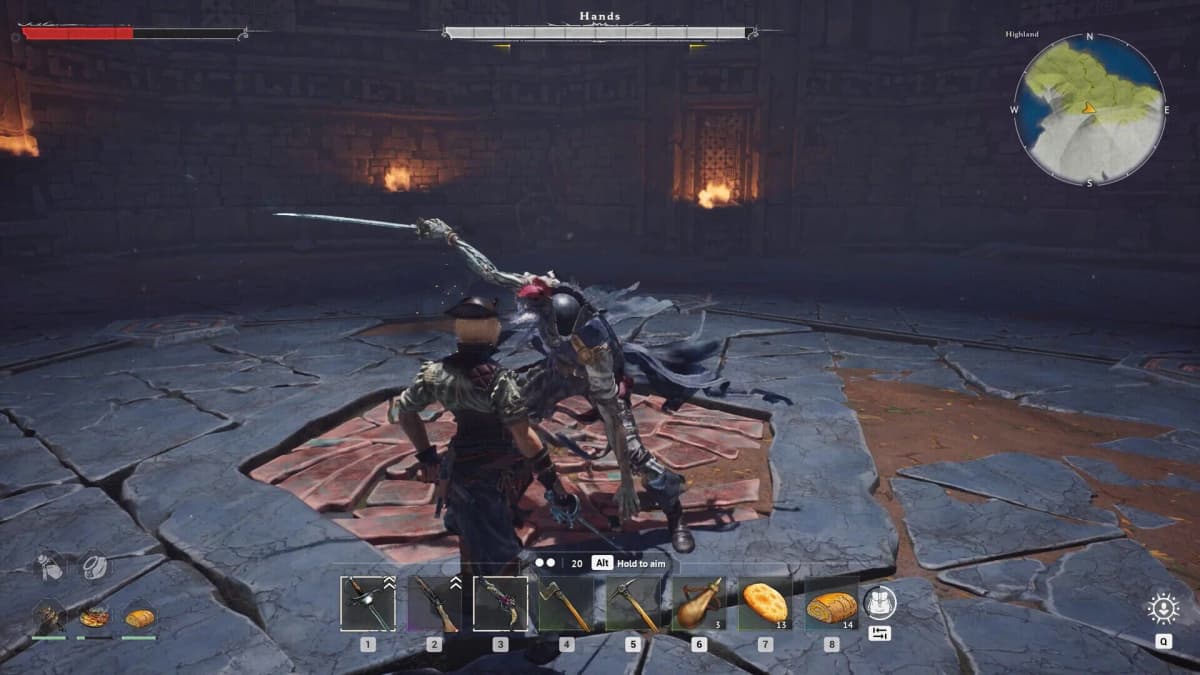
Sea shanties and NPCs: not cosmetic fluff
Big-budget pirate games often struggle to make NPC crews feel alive. Windrose nails it with a deceptively small system: a five-track shanty library, simple AI routines, and context-sensitive dialogue. When you’re patching cannon holes during a storm, your first mate quips about damp gunpowder. After a victorious boarding, the crew breaks into a boisterous chorus that echoes across the waves. It’s the difference between “you have a crew” and “you are leading a crew.”
This level of immersion can pay dividends for retention. Narrative games with dynamic NPC interactions often see a 10–15% bump in week-one retention. Windrose’s living ship concept could similarly encourage players to stick around longer than they would in survival titles that treat followers as stat blocks. And since the demo supports up to four‐player co-op via player-hosted sessions, those shared moments of triumph — or hilarious setbacks — could drive word-of-mouth and community growth.
The numbers matter — and they raise the stakes
Windrose’s demo performance is not just a PR flash— it’s data. On Steam Next Fest week, peak concurrent players hit 20,018, 3,150 players left overwhelmingly positive reviews, and the game vaulted into the platform’s demo top ten. Hitting a million wishlists in under ten days puts it alongside breakout hits like Cuphead and Elden Ring in terms of audience excitement pre-launch.
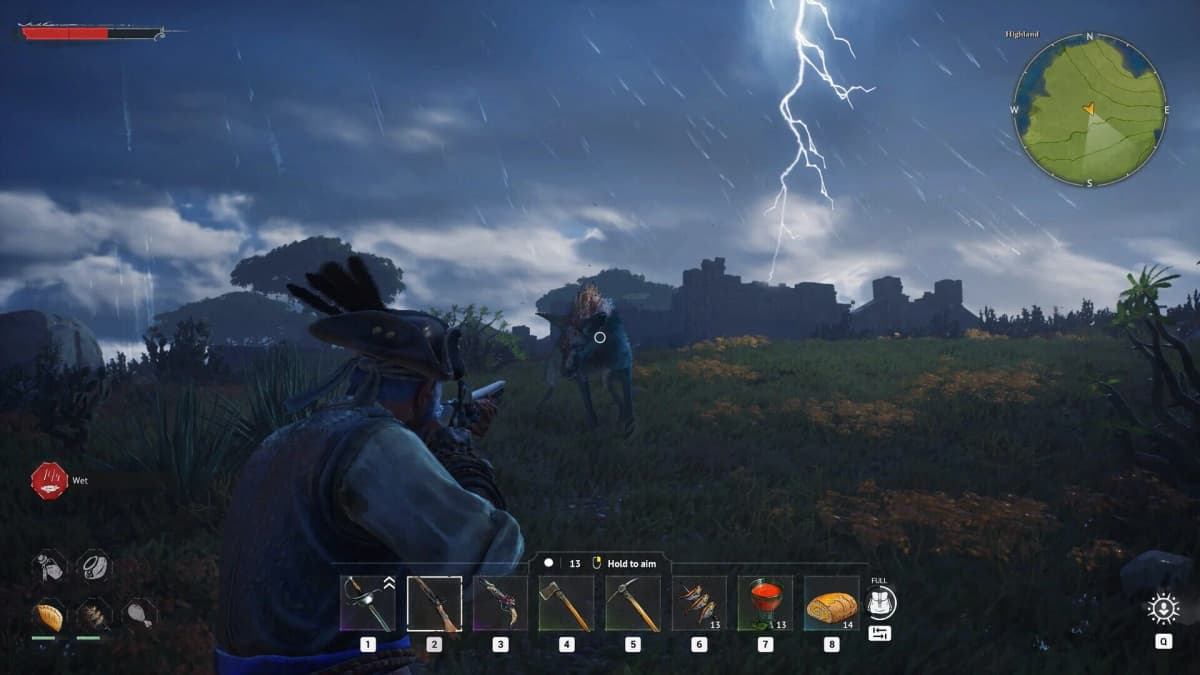
But hype alone doesn’t guarantee longevity. Sea of Thieves, for instance, saw a 30% drop in daily active users within two months of launch before rebounding with major updates. Valheim maintained a 50% retention rate after 30 days thanks to substantial expansions like Hearth & Home. If Windrose aims to stay relevant beyond release, it will need a solid live-ops roadmap. That means post-launch content drops, weekly events, and endgame challenges that feel as deliberate as its slow-paced combat.
Demo success also exposes potential pain points: can the back-end handle sustained four-player co-op sessions? Will server capacity scale as peak concurrent figures climb from 20k in a demo to untold thousands at full release? And how will the team balance free post-launch updates with monetization — will there be a fair cosmetic shop instead of tempting pay-to-win shortcuts?
The question nobody’s asking — and the one I’d put to PR
If I sat down with the Windrose Crew, my first question would be: now that you’ve convinced a million people to wishlist your game, how will you keep these players engaged for months, not just hours? Specifically:
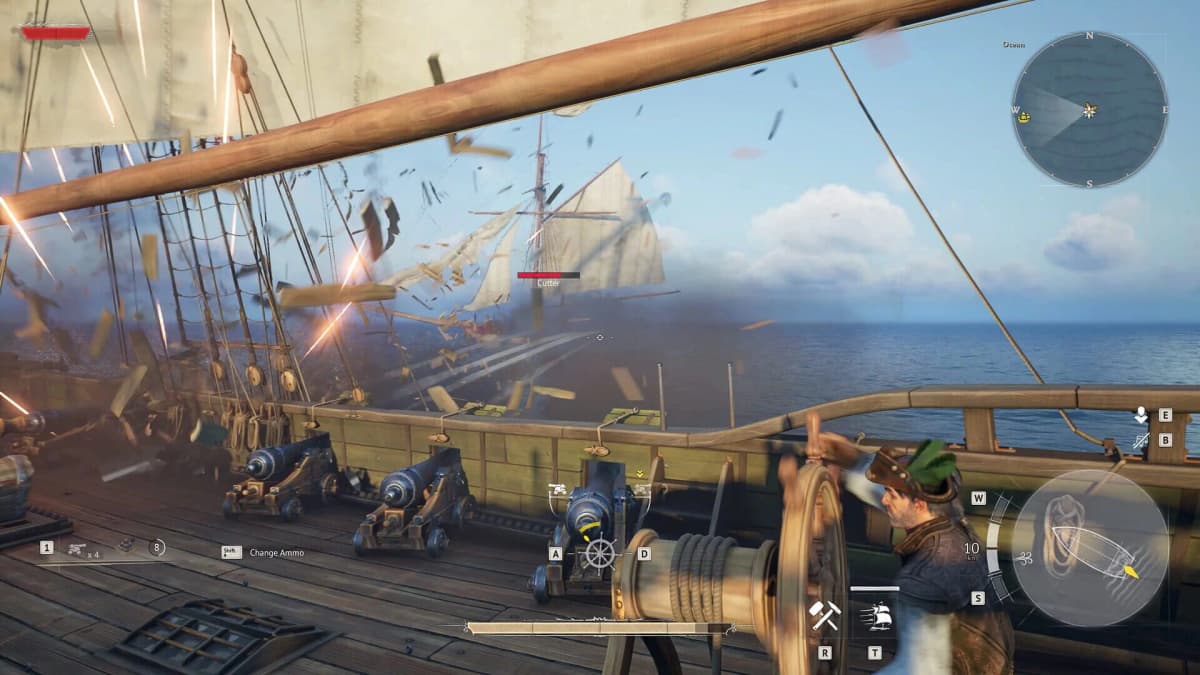
- Endgame content strategy: Will you lean on procedurally generated naval encounters, scripted story arcs, or a mix of both?
- Server infrastructure: What stress-test benchmarks will you hit to ensure stable four-player co-op at launch and beyond?
- Monetization guardrails: How transparent will your cosmetic store be, and will you avoid any pay-to-win mechanics that could fracture your player base?
Those answers will reveal whether Windrose’s million-strong wishlists become a foundation or a footnote.
What to watch next
- Early Access or full release window — launch stability and day-one retention will be the real test.
- Developer posts about post-demo patches — a bi-weekly update cadence signals strong live-ops commitment.
- Server stress-test reports and crossplay details — look for successful 100-player load tests to spot hidden networking fragility.
- Monetization signals on the Steam page — check for DLC placeholders, cosmetic crates, or season passes in store metadata.
- Retention metrics after demo week — if more than 40% of demo players return within a month, that’s a great sign.
TL;DR
Windrose’s Next Fest demo turned familiar survival crafting into a ship-focused pirate simulator with lively NPC shanties, hitting 1M Steam wishlists and 20k peak players. Its unique blend of on-foot progression and naval combat wowed press and players alike. The big question now is whether the team can deliver robust servers, a meaningful endgame, and fair monetization to sustain that hype.
Conclusion
Windrose has proven its core loop: transform grind into genuine pirate moments. With million-strong wishlists and glowing press reactions, the studio has earned goodwill. Now comes what could be its toughest challenge: translating demo success into a live service that stays afloat. Keep an eye on retention stats, update cadence, and monetization transparency—those will decide if Windrose becomes a lasting indie pirate hit or fades with the tides.
FinalBoss // Gear
Level up your setup
01Top-rated gaming headsetson Amazon→02High-refresh gaming monitorson Amazon→03Gaming chairson Amazon→04Discounted game keyson Kinguin→Affiliate links · As an Amazon Associate, FinalBoss earns from qualifying purchases.
Want to Level Up Your Gaming?
Get access to exclusive strategies, hidden tips, and pro-level insights that we don't share publicly.
Ultimate Gaming Strategy Guide + Weekly Pro Tips