
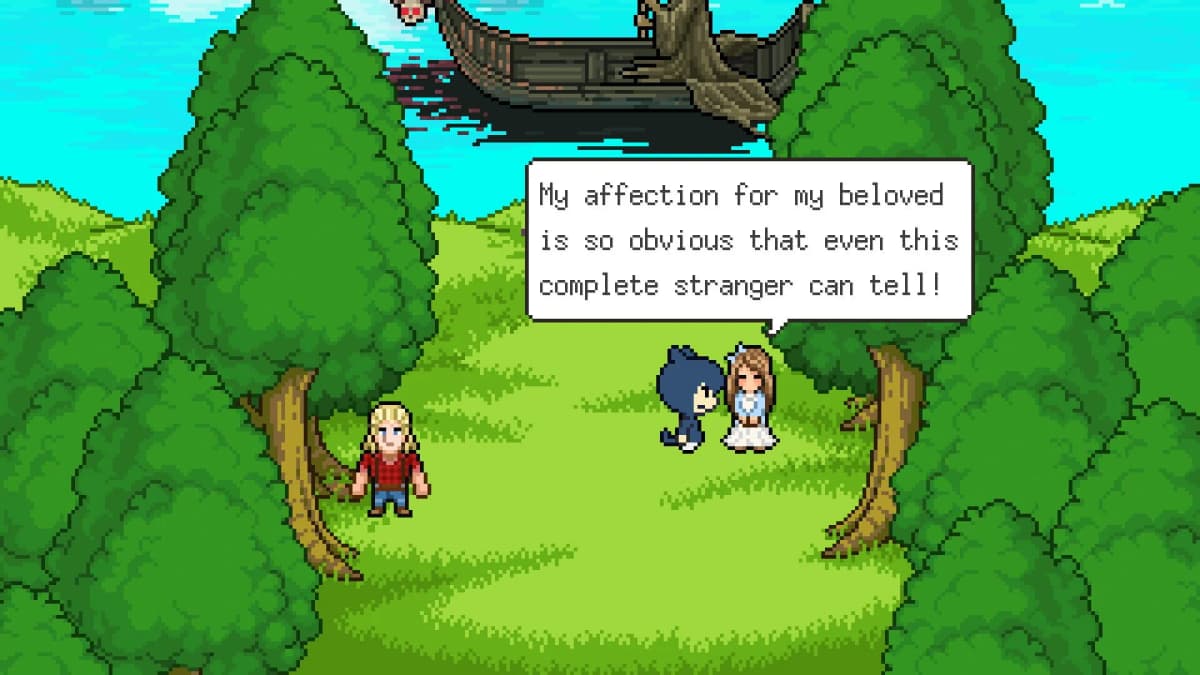
Wish Upon a Cat won me over with a birthday apology, then tested that goodwill with an adventure so slight that I could feel its seams. I chased a reality-hopping cat through compact pixel-art scenes, patched up small personal messes, and reached a sweet ending in roughly an hour and a half. I also spent that whole time waiting for the free-to-play model to puncture the mood. It barely did.
I found a warm, low-stress point-and-click built for a quiet mobile session rather than a demanding puzzle marathon. The dimensional-cat premise gives the story a playful engine, but I cared more about the birthday fallout with the protagonist’s best friend and the tiny emotional knots scattered through each altered version of town. The simplicity works because the game stays short; I felt the lack of mechanical depth, yet I never felt trapped in a tedious loop.
Table of Contents (8)
Key Takeaways
- I found the birthday-focused story genuinely tender, with the rogue cat providing enough chaos to keep its small-scale emotional stakes moving.
- I found the tap-to-move, tap-to-interact controls excellent on a touchscreen, especially because each scene keeps its important objects and characters readable.
- I encountered only occasional, largely skippable ads on mobile, and I never had one cut across a conversation or an active puzzle.
- I enjoyed the fishing mini-game as a brief timing break, but I never saw it grow into a meaningful system.
- I finished satisfied by the compact 45-to-90-minute format, though I wanted more substantial puzzles and a little more room for the characters to breathe.
A Birthday Argument Gives the Cat Chase Its Heart
I entered Wish Upon a Cat expecting a cute excuse to click through colorful scenes, and I got that, but the game’s emotional hook landed harder than its multiverse setup. I began with a strained moment involving the protagonist’s best friend and a missed birthday, then watched that ordinary regret get swallowed by a flash of dimensional nonsense, a talking mouse, and a suspicious cat tearing through realities.
I liked that the story never treated the multiverse as a license for grim stakes or lore dumps. I moved through alternate versions of familiar places, met people whose little problems had been bent out of shape by the cat’s path, and gradually returned the day to something recognizable. I spent more time resolving shy conversations, awkward feelings, and domestic chaos than confronting cosmic danger. That gave the game its particular warmth.
I also appreciated how the birthday thread kept resurfacing without being hammered into every scene. I could feel the protagonist’s guilt sitting underneath the jokes and cat-related mayhem, and the closing stretch earned its softer emotional payoff. I did not come away with a sweeping drama or a complex character study. I came away with the feeling of having helped someone get their day back on track after a truly bizarre detour.
I found the writing strongest when it stayed focused on those small interactions. I enjoyed the colorful townspeople and their distinct little worries, while the cat worked best as a mischievous catalyst rather than a fully explained mystery. I never needed the game to turn this feline into a grand villain, because the chase existed to push me toward people and places that needed a nudge.
Touchscreen Controls Fit the Adventure Perfectly
I played Wish Upon a Cat the way I think it wants to be played: with my phone in hand, a spare stretch of time, and no appetite for fighting clumsy virtual controls. I tapped a spot in the scene to walk there, tapped characters and objects to interact, and followed the game’s subtle visual prompts when something mattered. I never had to wrestle a virtual joystick, line up a fiddly cursor, or decipher an overstuffed interface.
I found the scene design compact enough that backtracking stayed painless. I could scan the screen, identify the people worth speaking to, notice the highlighted points of interest, and move on without losing the thread of an objective. I still clicked around each location because the art encouraged curiosity, but I never faced the kind of pixel-hunting that turns a cozy point-and-click into a chore.
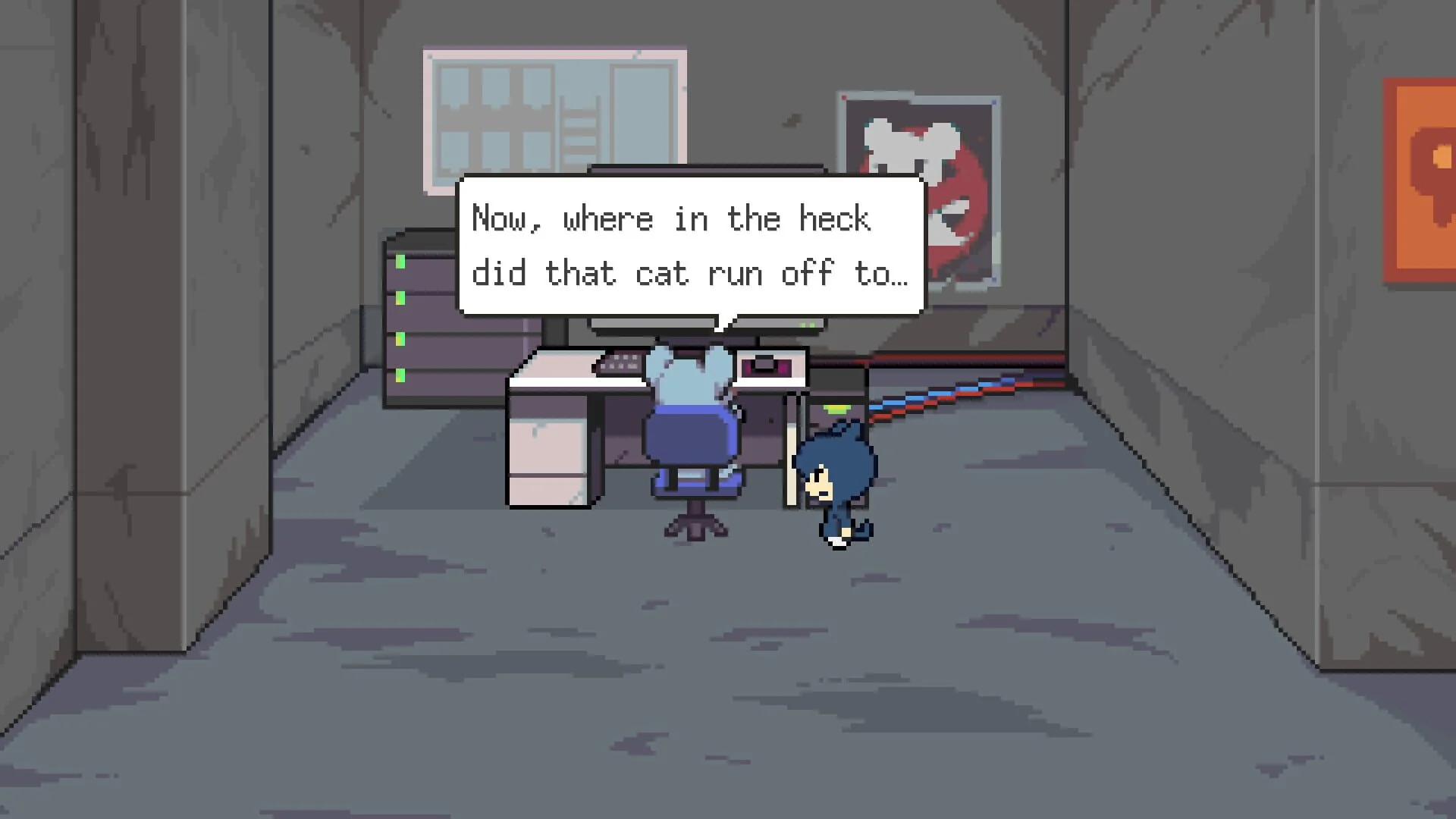
I also liked collecting cartridges as I cleared dimensions. I treated them as a small reward for finishing each segment and a reason to stay attentive while I explored, even though they never developed into a major progression system. I found that restraint appropriate here. The game keeps its interaction model clean and understandable from the first scene through the credits.
I did feel the limits of that clarity in the puzzles themselves. I solved most of them through straightforward observation, talking to the right person, or completing a small errand. I never hit a puzzle that forced me to build a layered chain of deductions, and I never felt the adventure push my problem-solving skills very far. I enjoyed the pace, but I would not recommend this as a puzzle-heavy challenge.
The Ads Stay Out of the Way, Which Matters More Than Usual
I approached the mobile version with immediate caution because cozy games depend on rhythm. I wanted to absorb the dialogue, linger over the pixel art, and follow the protagonist’s personal problem without getting dragged into constant advertising breaks. I encountered ads, but I encountered them infrequently and at natural transition points rather than in the middle of a conversation, a walk, or a puzzle interaction.
I found the ads largely skippable, and I could continue playing without feeling pressured to watch extra clips for basic progress. I also saw the optional in-app purchase to remove advertising, which gave me a clean exit if I wanted the uninterrupted version. I consider that a fair arrangement for a short free-to-play adventure.
I still noticed the interruptions, because any full-screen ad clashes with a story built around gentle music, small-town warmth, and emotional repair. I cannot call the mobile experience ad-free, and I would choose an ad-free purchase option when I wanted to replay the game in one uninterrupted sitting. I also found the friction dramatically lighter than the aggressive ad pacing that has made me close many free mobile adventures before their stories had a chance to begin.
I came away impressed that the game protected its atmosphere as well as it did. I never felt that the ad model dictated my pace or tried to turn a simple story into a string of monetization prompts. I could sample the full mood of Wish Upon a Cat without paying first, and that suits a micro-adventure whose main appeal lives in its charm and brevity.
Fishing Adds Motion, Not Depth
I welcomed the fishing mini-game when it appeared because it broke up the routine of walking, tapping, and reading dialogue. I switched to a short timing sequence, completed it quickly, and returned to the main adventure with a little more energy. I enjoyed that brief change of rhythm.

I also found the fishing too slight to carry much weight in my verdict. I did not build skills around it, chase a deeper fishing loop, or return to it because it held any mechanical surprise. I treated it as a palate cleanser between story beats, and that is exactly where it belongs. I would have preferred one or two more playful detours of that size, but I never needed fishing to do more than keep the point-and-click structure from feeling completely static.
The Short Runtime Is Both Its Strength and Its Ceiling
I reached the end before the charm could wear thin, and I consider that the game’s smartest decision. I had enough time to appreciate the premise, meet the town’s odd personalities, collect cartridges, and see the friendship thread resolve. I did not have enough time to grow tired of its easy puzzles or its limited mechanical vocabulary.
I also wanted a little more when the credits rolled. I wanted a few puzzles with sharper teeth, a longer look at the alternate realities, and more scenes that let the central friendship breathe without another objective immediately pulling me onward. I felt that absence because the game had already earned my affection. I did not feel short-changed, but I did feel the outline of a larger adventure that stayed deliberately small.
I recommend Wish Upon a Cat most strongly to players who value comfort, concise storytelling, and mobile controls that respect their time. I would steer dedicated puzzle veterans toward it for its atmosphere rather than its challenge. I would also choose it for a single relaxed evening, a commute, or a calm break between bigger games rather than expecting a long-term adventure to return to for weeks.
Bottom Line: A Small Adventure With a Properly Gentle Touch
I found Wish Upon a Cat easy to recommend because it understands its own scale. I got a colorful point-and-click chase, a sincere story about repairing a friendship after a birthday mistake, and mobile ads that remained a mild annoyance instead of an atmosphere-killing demand. I also got puzzles that rarely surprised me and a fishing mini-game that passed before it could become memorable.
I land at an 8/10. I wanted more depth, but I never wanted the game to become louder, longer, or more complicated at the cost of its warmth. I finished with a smile, a few lingering wishes for extra scenes, and the firm sense that this cat-sized adventure knew exactly when to head home.
At a Glance
- I recommend it for: Players who want a short, heartfelt mobile point-and-click with simple touchscreen interactions.
- I found its best feature: The warm birthday-and-friendship story beneath the dimension-hopping cat chase.
- I found its biggest weakness: The puzzles and fishing segment stay too light to satisfy players seeking mechanical depth.
- I found the mobile ads: Infrequent, largely skippable, and far less disruptive than I expected.
- My final score: 8/10.
FinalBoss // Gear
Level up your setup
01Mobile gaming controllerson Amazon→02Top-rated gaming headsetson Amazon→038BitDo controllerson Amazon→Affiliate links · As an Amazon Associate, FinalBoss earns from qualifying purchases.
Want to Level Up Your Gaming?
Get access to exclusive strategies, hidden tips, and pro-level insights that we don't share publicly.
Ultimate Reviews Strategy Guide + Weekly Pro Tips