
Table of Contents (4)
The headcount gap is the real roadmap update
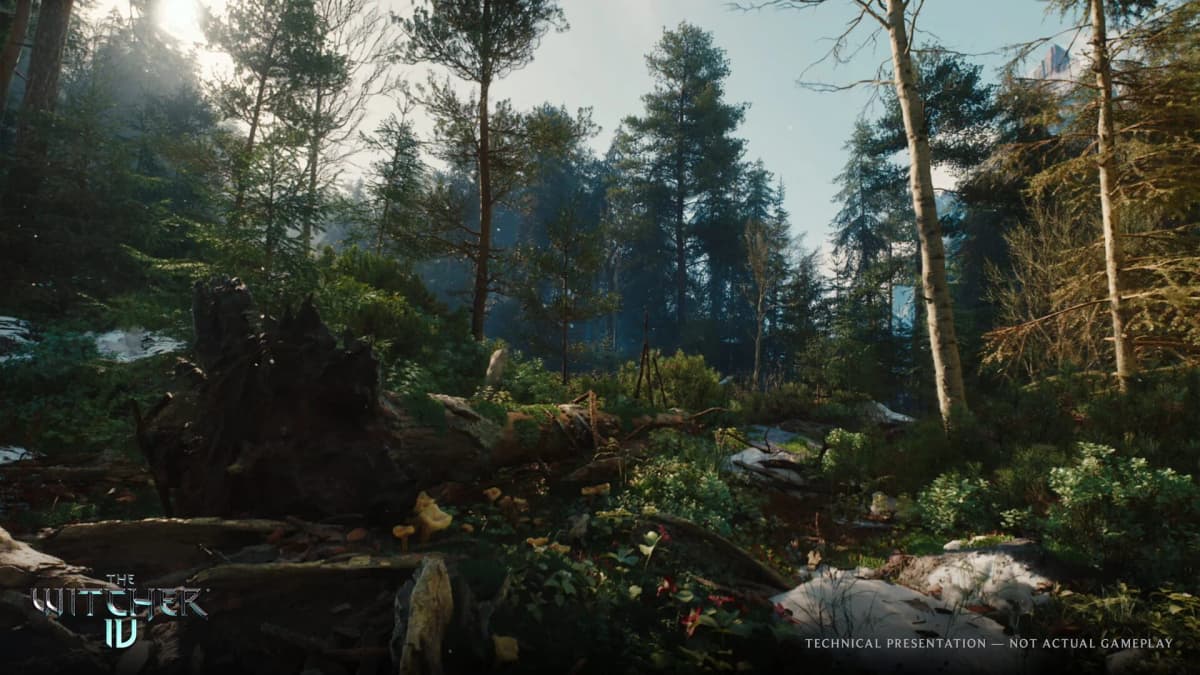
The staffing math makes the priority clear: 519 developers were assigned to The Witcher 4 as of July 31, 2026, compared with 33 on Project Hadar. That gap matters more than the new-IP hiring headline. CD Projekt Red is building Hadar’s foundations while devoting its largest game team to delivering the next Witcher entry, currently targeted for 2028.
And this is not just a “bigger team versus smaller team” situation. The Witcher 4 is not only ahead of Hadar; it is ahead of everything else on CD Projekt Red’s project board. On the same date, Cyberpunk 2 had 184 developers and Project Sirius had 84, while shared services stood at 196. If you want the cleanest possible read on what ships the studio’s attention right now, it is The Witcher 4 by a wide margin.
Hadar’s move to 50 people still reads like concept and prototyping
Project Hadar is planned to grow from more than 30 people to as many as 50 by the end of 2026, but it remains in concept and pre-production. That target sounds large until you do the actual math. Based on the 33-person figure from July 31, getting to 50 means adding roughly 17 developers, not staffing up a full release-sized team. In operational terms, that suggests a project still defining itself rather than rushing toward launch.
Its immediate work is testing approaches, developing ideas, and prototyping gameplay. A Warsaw posting for a senior gameplay designer also called for Unreal Engine 5 experience and ownership of systems, features, and mechanics. That kind of role usually points to core-loop work — the repeatable minute-to-minute actions that define how a game feels — not late-stage content production. CDPR has not confirmed Hadar’s genre or a launch window, and nothing in the current staffing plan changes that early-stage read.
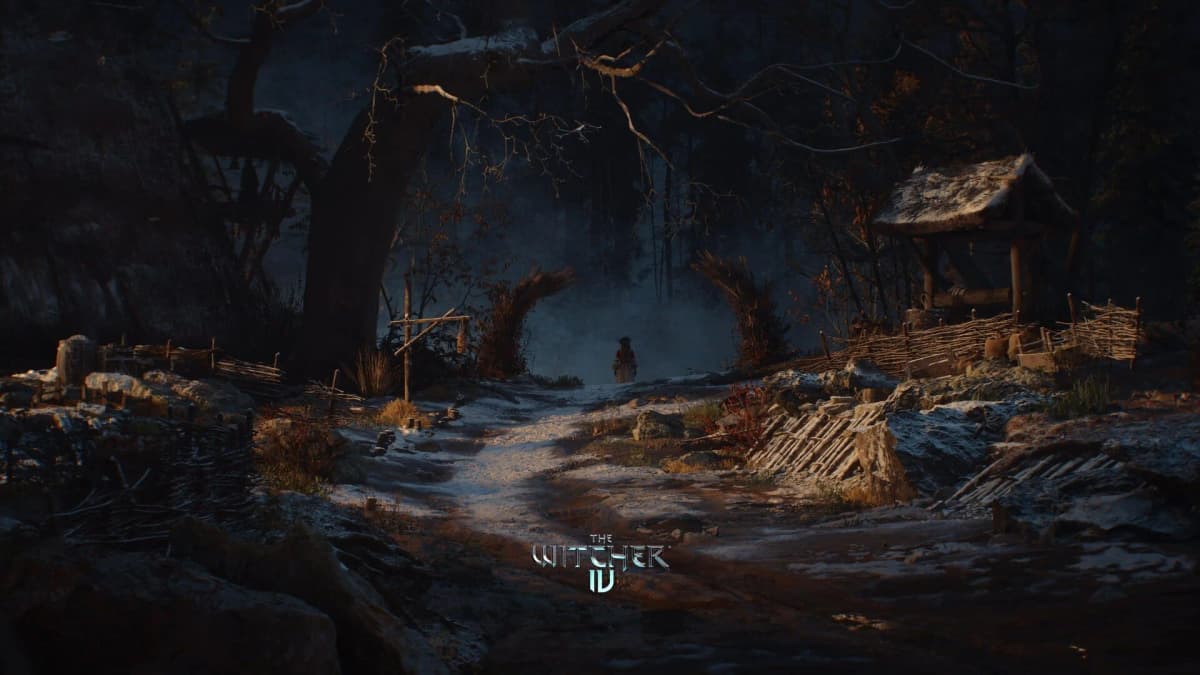
That is the important distinction in this update. Hadar is growing, yes, but it is growing like a project that is still deciding what it wants to be. A team in the 30-to-50 range can establish pillars, build prototypes, and test whether the foundations are fun. It does not look like a game in the final push to ship.
The Witcher 4 is already in the heavy production phase
The Witcher 4, by contrast, entered full-scale production in late 2024. CDPR describes that phase as the point where the studio knows what kind of game it is making and is filling it with content. That is a very different place from Hadar’s concept-and-prototype stage, and the 519-to-33 staffing split lines up with that difference perfectly.
CDPR has also said it is not going to announce every internal development milestone for The Witcher 4, because many of those milestones are too technical for external audiences. So the next useful public signals are not tiny status pings. They are bigger markers: a more substantial gameplay showing, later-stage production milestones, and eventual platform or performance details. That is a more grounded way to track progress than waiting for constant micro-updates from a game already deep into full production.
Put simply, this is what priority looks like at studio scale. One project is in the most intensive phase of development with more than 500 developers behind it and a 2028 target. The other is still building prototypes and adding a few dozen people at most.
The remake is paying the price for that focus
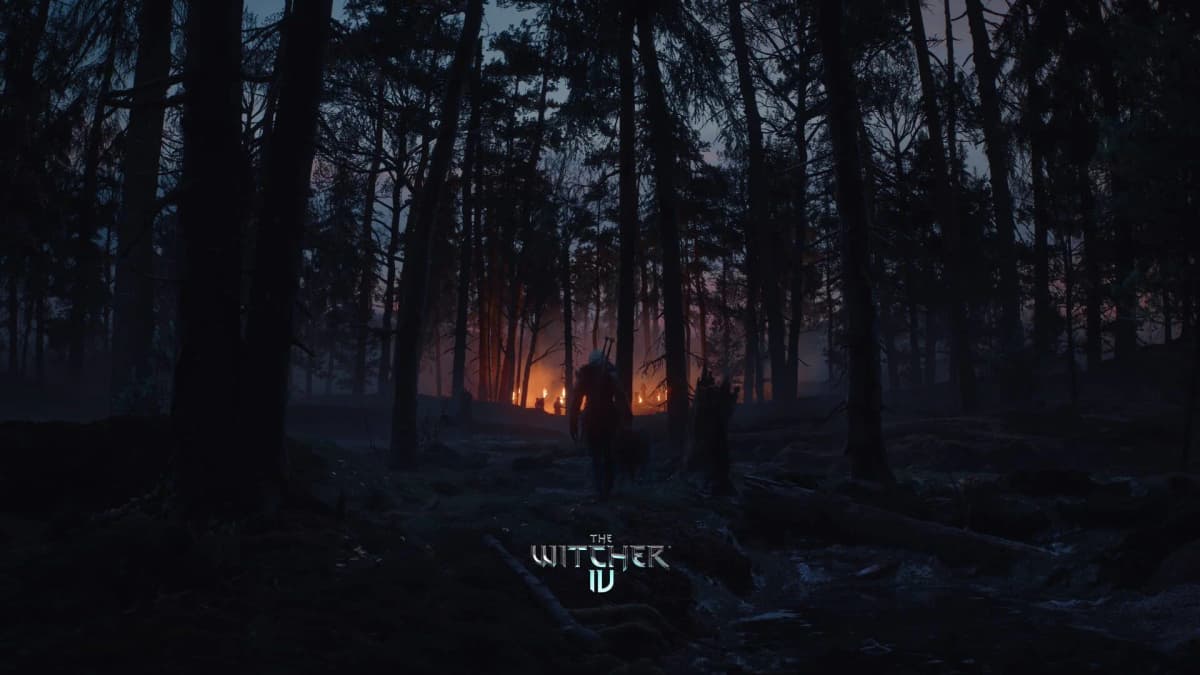
The cost of that focus is the The Witcher remake. Developed with Fool’s Theory attached, the remake is temporarily on hold because it depends on The Witcher 4 assets, tools, and production pipelines. CD Projekt Red has made that dependency explicit: the remake is being built on the foundation laid by The Witcher 4, so the newer game has to move far enough ahead first.
Fool’s Theory is instead concentrating mainly on The Witcher 3: Songs of the Past, while part of its team supports the new Witcher game. That arrangement explains why players should not be waiting for remake progress to suddenly jump to the front of the line. The next meaningful update for that project is not a trailer or a release target. It is confirmation that The Witcher 4’s shared assets, tools, and pipelines are ready enough for visible remake work to resume. Until that happens, the remake remains downstream of CDPR’s bigger Witcher production effort.
For now, watch for Hadar reaching its 50-person target, for CDPR to define that new universe more clearly, and for The Witcher 4 to hit larger public-facing milestones tied to full production. None of that changes the core takeaway from this update: The Witcher 4 is CD Projekt Red’s central production bet, Hadar is still early, and the remake has to wait its turn.
FinalBoss // Gear
Level up your setup
01Top-rated gaming headsetson Amazon→02High-refresh gaming monitorson Amazon→03Gaming chairson Amazon→04Discounted game keyson Kinguin→Affiliate links · As an Amazon Associate, FinalBoss earns from qualifying purchases.
Want to Level Up Your Gaming?
Get access to exclusive strategies, hidden tips, and pro-level insights that we don't share publicly.
Ultimate Gaming Strategy Guide + Weekly Pro Tips