

Wonder Boy: Asha in Monster World – Next-Gen Platformer Renaissance
Game intel
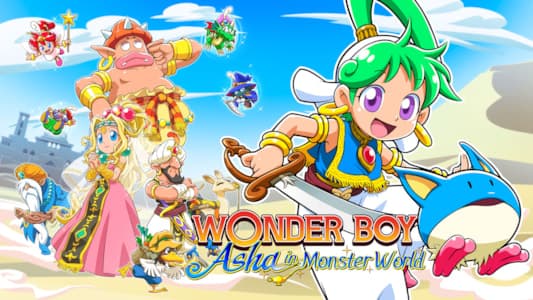
Wonder Boy: Asha in Monster World
Asha, the warrior protagonist of the game, is involved in a serious incident that will affect the survival of her world. Our green-haired heroine doesn’t have…
When a storied franchise resurfaces with a promise of “full remake” rather than a basic visual upscale, even the most skeptical gamer takes notice. Wonder Boy: Asha in Monster World is scheduled to arrive on PlayStation 5, Xbox Series X|S, and PC on July 3, 2025, under the stewardship of Bliss Brain. This title draws from the fan-beloved Monster World IV, enlisting original developers and composers in the hope of preserving the series’ soul while upgrading every technical and design element for contemporary audiences. As someone who values both the nostalgia of classic side-scrollers and the advancements of modern design philosophies, I’ve taken a close look at what Asha’s return could mean for platforming in 2025 and beyond.
Remake vs. Repack: A Strategic Approach to Platformer Revival
Too often, developers tack on high-resolution filters, a widescreen aspect ratio, and call it a “remaster.” Bliss Brain’s approach is more ambitious: this is a ground-up remake that reshapes level geometry, reorchestrates the soundtrack, and rewrites the control code to meet today’s standards. By reuniting the core Monster World IV team, the studio aims to retain the precise enemy patterns, puzzle logic, and pacing that defined the original—then enhance them with dynamic lighting, fully redrawn character animations, and a newly layered orchestral score. In essence, this project seeks to deliver the authenticity of the 1994 release combined with the smoothness and polish expected on next-gen hardware.
Evolving Core Mechanics: Pepelogoo and Player Agency
At the heart of Monster World IV’s design was the relationship between protagonist Asha and her jellyfish-like partner, Pepelogoo. In past iterations, Pepelogoo’s abilities—gliding, wall climbing, and weighted descent—were interesting novelties, but often felt tacked on. Early hands-on impressions suggest that this remake integrates Pepelogoo into nearly every aspect of traversal and combat. For example, upgraded collision detection allows for more precise aerial maneuvers, and level editors have reportedly tested extended flight routes that were impossible in the original. Puzzles now demand fluid cooperation: switching between Asha’s melee attacks and Pepelogoo’s environmental interactions is seamless, encouraging players to master the ebb and flow of teamwork rather than simply brute-forcing obstacles.
Technical Foundations: Next-Gen Performance and Responsiveness
Modern platformers thrive on responsiveness. Indies like Celeste and Ori have raised the bar by refining input latency, frame pacing, and animation canceling to near perfection. Asha in Monster World needs to match—or surpass—these benchmarks. The developers claim loading times will drop to under two seconds on SSD-equipped consoles, and that frame rates will remain locked at 60 fps even amidst particle-rich boss battles. More significant is the promise of customizable control schemes: target-locking, dynamic camera smoothing, and adjustable hitbox margins all speak to a desire to offer both hardcore veterans and newcomers an experience that feels tailored to their preferences. If Bliss Brain delivers on these fronts, the remake may redefine what players expect from legacy revivals.
Balancing Nostalgia and Accessibility
True nostalgia can be a double-edged sword. While veterans relish familiar stage layouts and enemy encounters, an exact reproduction of old-school difficulty spikes can alienate new audiences. Reports indicate that the remake will introduce optional assist modes—such as infinite lives, reduced damage, and hint prompts for hidden collectibles—without gating these features behind microtransactions or playtime requirements. Moreover, an expanded quest log and contextual tutorial pop-ups aim to lower the barrier of entry, helping players appreciate the depth of exploration without feeling overwhelmed. These quality-of-life improvements, combined with the retention of original level structure, should strike a balance that honors long-time fans while extending a welcoming hand to those who missed Monster World IV the first time around.
Want to Level Up Your Gaming?
Get access to exclusive strategies, hidden tips, and pro-level insights that we don't share publicly.
Ultimate Gaming Strategy Guide + Weekly Pro Tips
Implications for Modern Platforming
Wonder Boy: Asha in Monster World arrives amidst a renaissance of 2D platformers. Its performance and design choices will offer a valuable case study for how retro brands can evolve in today’s market. If the remake’s control tightness and level-design coherence rival those of purpose-built indie titles, it could spur other legacy developers to pursue full remakes rather than minimal remasters. Conversely, if certain mechanics feel outdated or gimmick-driven, the project may underscore the need for deeper re-evaluation of genre conventions. In either scenario, this release is poised to influence future conversations around preservation, innovation, and the role of community feedback in shaping reimagined classics.
Key Considerations Before Launch
- Pricing Strategy: Will it command a full AAA premium or adopt a mid-tier price point? Early signals on digital storefronts will be telling.
- Post-Launch Support: Patches, balance updates, and potential expansions could extend its lifecycle and justify long-term engagement.
- Community Features: Leaderboards, time-attack modes, and social sharing tools may deepen replay value and foster a competitive scene.
- Accessibility Options: The breadth and depth of customizable difficulty settings will determine how inclusive the experience ultimately is.
Conclusion: Embracing the Future with a Classic in Tow
Wonder Boy: Asha in Monster World stands at the intersection of past and present, carrying the weight of a beloved franchise while aiming to meet contemporary expectations for polish, performance, and design sophistication. As we await the July 3 launch, the critical questions remain: Can Pepelogoo’s upgraded mechanics feel as fresh and engaging as modern indies? Will next-gen hardware deliver genuinely improved responsiveness without betraying the series’ identity? And can this remake set a new standard for how legacy titles are reintroduced to global audiences? For fans of tight platforming, narrative charm, and inventive level design, Asha’s journey back into Monster World is one to watch closely. Prepare to don your controller on day one, explore every hidden cavern, and judge for yourself whether this revival successfully bridges generations of gamers—or simply remains another fond, but flawed, nostalgia play.