
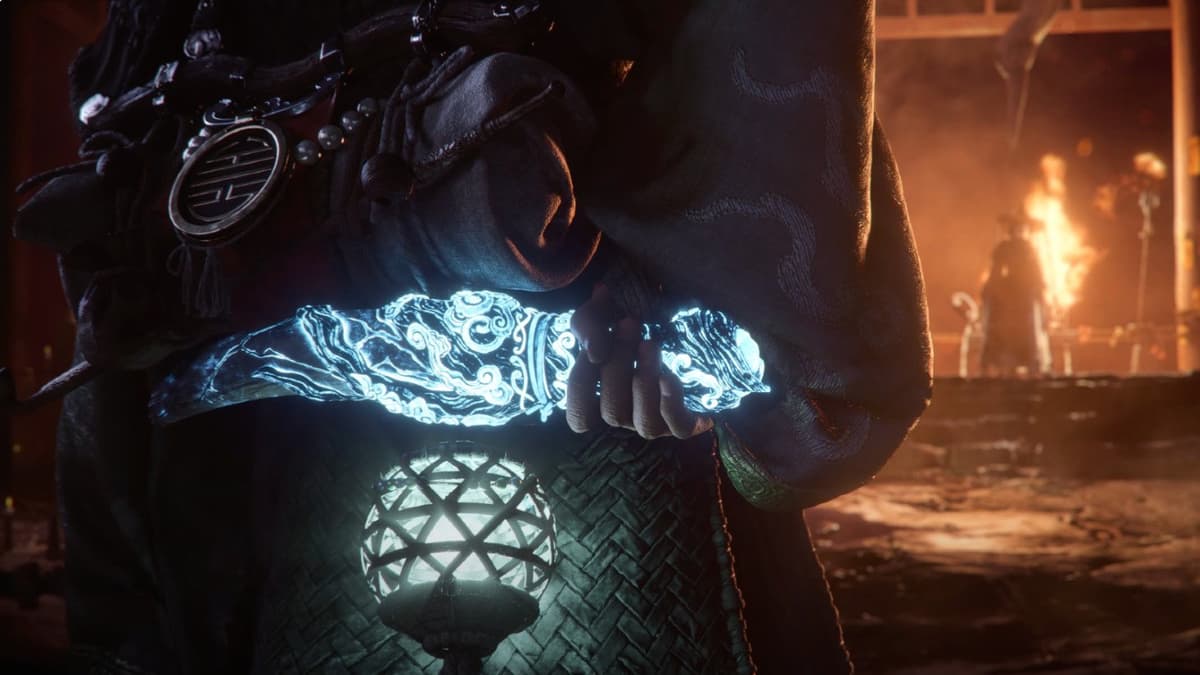
Game intel
Woochi the Wayfarer
I’ve long known Nexon as the free-to-play MMO and gacha powerhouse behind hits like MapleStory and MapleStory 2. So when the company unveiled Woochi the Wayfarer—a big-budget, single-player action-RPG steeped in Korean folklore—it really stopped me in my tracks. This isn’t a live-service grind or battle-pass machine; it’s Nexon venturing headfirst into narrative-driven action. As a multiplayer skeptic, I found myself both wary and strangely captivated by the promise of a cinematic journey set in Joseon-era Korea.
At its core, Woochi the Wayfarer follows Jeon Woochi, the trickster Taoist wizard-hero from the classic Korean tale The Tale of Jeon Woochi. Players will slip into the robes of this rebellious mage, using wit and sorcery to challenge corrupt officials and supernatural threats. The subtitle “Wayfarer” hints at a semi-open-world design in which exploration is as vital as combat. Expect to:
While full gameplay details remain scarce, trailers and developer commentary suggest a fluid blend of melee and magical combat. Jeon Woochi’s arsenal likely includes elemental spells—fire, ice, wind—and spirit-based abilities drawn from Korean mythology. Combat sequences appear to emphasize:
These systems hint at a gameplay loop centered on learning foe patterns, mastering magical glyphs, and adapting strategies to each region you visit.
LoreVault and Nexon Games have collaborated with scholars of Korean literature and traditional artisans to recreate an authentic Joseon-era atmosphere. According to industry reports, developers conducted field research at historic palaces, provinces, and folk villages. This commitment shows in:
Such attention to detail aims to ground players in a living world where myth and history collide.
Powered by Unreal Engine 5, Woochi the Wayfarer promises high-fidelity visuals, dynamic weather, and realistic physics. The lighting in trailers already sells the moody sunsets over palace courtyards and the crackle of storm clouds above mountain passes. Confirmed platforms include:
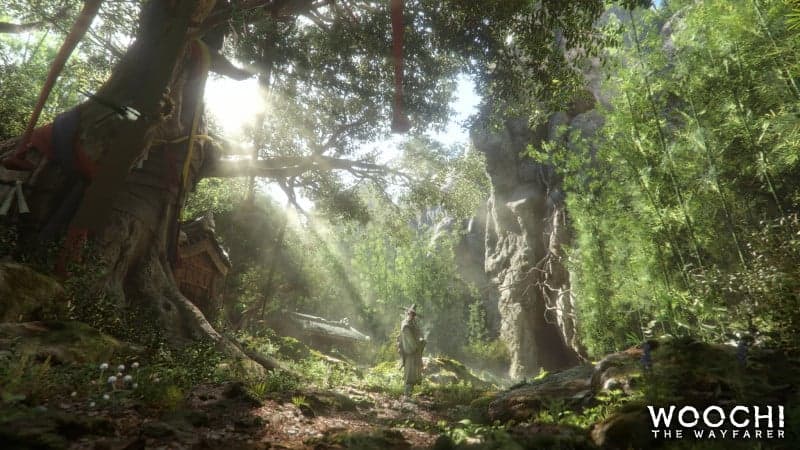
As of August 2025, no exact release date has been announced, though Nexon has hinted at a holiday season window. Importantly, the title is positioned as a pure single-player experience—no battle passes, microtransactions, or live-service hooks have been revealed.
Though specific composer credits are unconfirmed, the game’s teasers promise a score built on traditional Korean instruments like gayageum (zither) and daegeum (bamboo flute). If early musical demos are any indication, expect an atmospheric blend of plaintive strings, rhythmic percussion, and subtle choral flourishes that heighten both quiet exploration and epic boss battles.
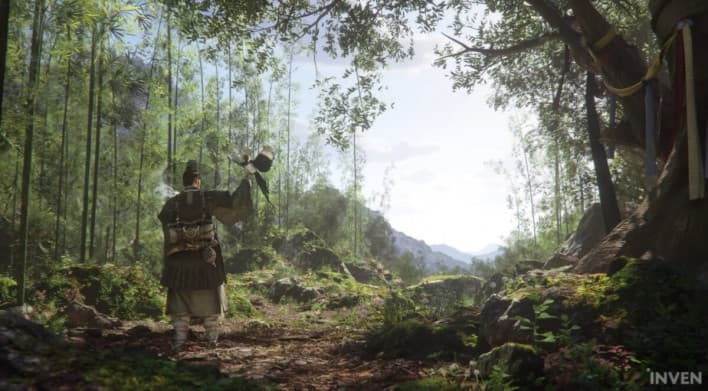
In an era dominated by multiplayer live-service titles, Woochi the Wayfarer represents a bold pivot for Nexon. By doubling down on narrative, cultural authenticity, and a standalone structure, the company risks—or stands to gain—its reputation beyond the gacha model. Competing with myth-inspired heavyweights like Black Myth: Wukong and the success of Korean storytelling in film and television, Woochi could prove that blockbuster production values and deep cultural roots can coexist without nickel-and-diming players.
Until we see extended gameplay, it’s wise to stay cautiously optimistic. But if LoreVault delivers on the trailers’ promise—combining a richly detailed Joseon world, fluid magic combat, and a heartfelt homage to Korean folklore—Woochi the Wayfarer could become a landmark single-player RPG. I’ll be watching for new trailers, developer interviews, and hands-on previews to see if this ambitious project truly casts a lasting spell on the RPG genre.
Get access to exclusive strategies, hidden tips, and pro-level insights that we don't share publicly.
Ultimate Gaming Strategy Guide + Weekly Pro Tips