
Can Nexon’s Woochi the Wayfarer Reinvent Single-Player RPGs?
Game intel
Woochi the Wayfarer
Introduction
It’s rare these days for a publisher best known for live-service MMOs to make me lean forward in my chair. But when Nexon—behind hits like MapleStory and Dungeon Fighter—unveiled a teaser for Woochi the Wayfarer, that changed. A AAA single-player action-adventure set in myth-and-magic–filled Joseon-era Korea? Now that’s a bold pivot worth investigating.
Key Features & Korean Folklore
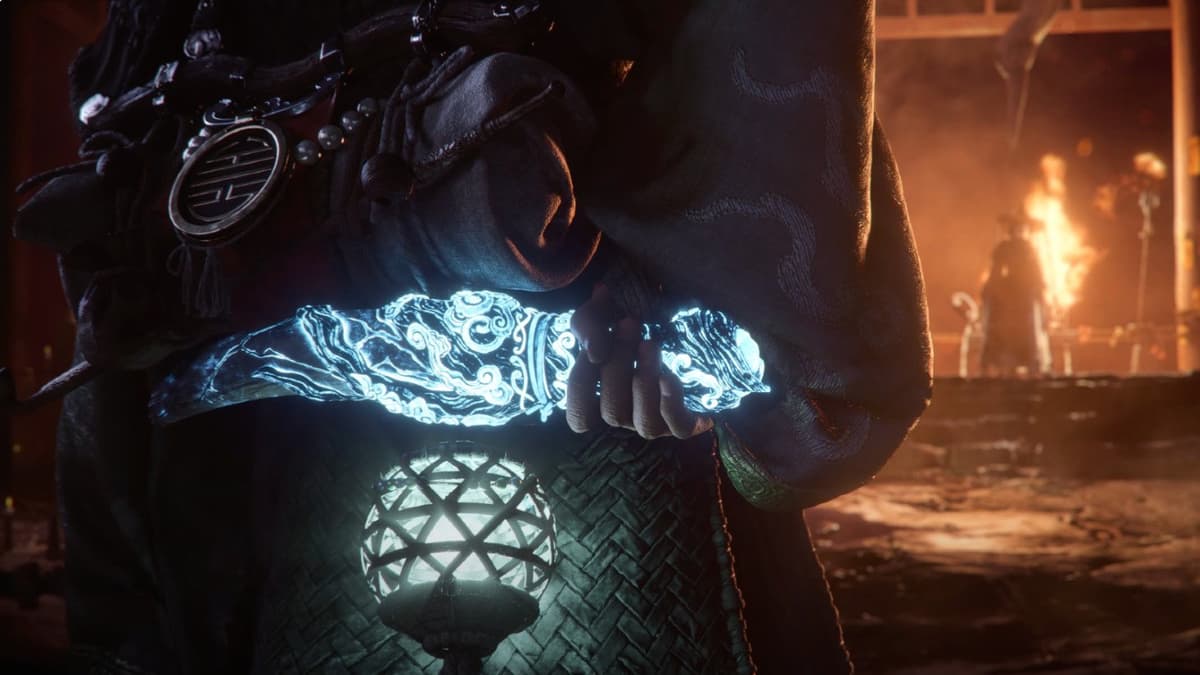
Woochi the Wayfarer is a single-player action-adventure RPG from LoreVault, powered by Unreal Engine 5 and published by Nexon Games. You step into the boots of Jeon Woochi, a prankster mage from the classic Korean novel The Tale of Jeon Woochi. Armed with transformable talismans, elemental spells, and shapeshifting tricks, you’ll outwit corrupt officials and supernatural foes in meticulously detailed 3D recreations of Joseon palaces, bustling markets, and mist-shrouded rice paddies.
- Authentic Joseon Backdrop: Built with input from history and literary scholars, the game’s towns and temples draw on real cultural landmarks.
- Folklore-Driven Encounters: Engage dokkaebi goblins, kumiho fox spirits, gwisin ghosts, and other creatures lifted directly from Korean myths.
- Immersive Soundtrack: Composed by Jung Jae-il (Parasite, Squid Game), blending gayageum strings and haegeum fiddles with modern orchestration.
- Platforms & Availability: PlayStation 5, Xbox Series X|S, and PC via Steam. No word yet on Xbox Game Pass or PS Plus support.
A Publisher’s Bold Pivot
Nexon’s pedigree lies in always-online economies and free-to-play models. Shifting gears to a deep, narrative-driven single-player RPG is uncharted territory. Their pedigree for flashy combat—from Dungeon Fighter to browser-based MMOs—is solid, but crafting tight level design, emotional beats, and pacing without microtransactions is a new challenge.
History shows big studios stumble when stepping out of their comfort zones. Amazon’s first-person shooters and Square Enix’s solo RPG experiments have been hit or miss. For Nexon, Woochi the Wayfarer can’t coast on live-service tropes or randomized loot. If they blend cinematic set pieces reminiscent of God of War with the open-world freedom of Ghost of Tsushima, and add the trickster spirit of their mischievous hero, they might pull it off.
Unreal Engine 5 & Visual Realism
Powered by Unreal Engine 5’s Nanite and Lumen technologies, Woochi the Wayfarer promises dynamic lighting and breathtaking detail. Imagine candlelit palace corridors where every tile roof glows under moonlight, or rice paddies that ripple in the wind as you cast a gust spell. Yet graphics alone won’t carry the experience—what matters is whether the world feels alive.
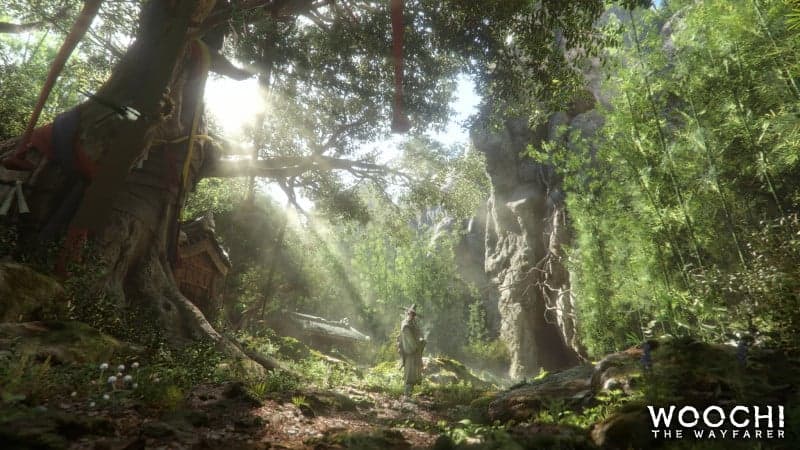
Will NPCs follow believable daily routines, reacting to your magical interventions? Can side missions tap deep into folklore—like rescuing a village haunted by gwisin or brokering peace between rival dokkaebi clans? Or will environments serve merely as photo ops between cutscenes? I’m eager to see magic combos flow into shapeshifting stunts, enemy AI that adapts when you charm or scare them, and level designs that reward curiosity.
Want to Level Up Your Gaming?
Get access to exclusive strategies, hidden tips, and pro-level insights that we don't share publicly.
Ultimate Gaming Strategy Guide + Weekly Pro Tips
Gameplay Expectations & Depth
- Magic System Complexity: Can elemental spells, talismans, and transformations combine seamlessly, offering meaningful choices rather than button spamming?
- Enemy Variety: From palace guards to supernatural warlords—will each confrontation feel unique, or will we fight the same dokkaebi hordes ad nauseam?
- Pacing & Quest Structure: Does the narrative build tension and character arcs, or is it padded with filler tasks and fetch quests?
- World-Building Details: Are side quests anchored in real legends, NPC dialogue referencing historical events, and hidden lore journals that reward exploration?
Industry Impact & Cultural Significance
With Korean cinema, K-pop, and K-dramas dominating global pop culture, gaming has lagged in tapping Korea’s rich mythology. If Woochi the Wayfarer succeeds, it could inspire more studios to explore Silla dynasty epics, Jeju Island legends, or tales of the Three Kingdoms. But if the game defaults to familiar quest hubs or sneaks in pay-to-win hooks, it risks squandering a unique opportunity to showcase authentic cultural storytelling.
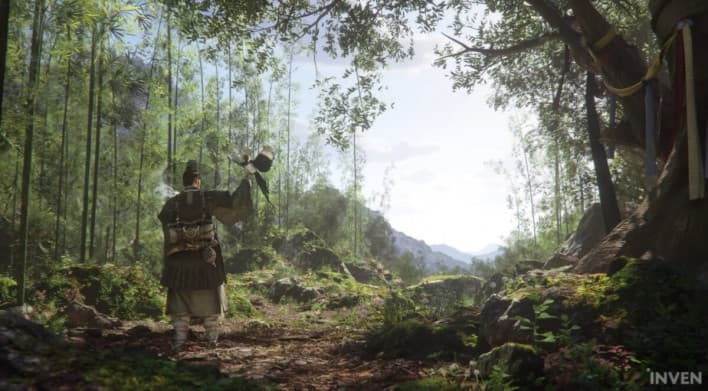
At its best, Woochi could usher in a new wave of AAA adventures steeped in Korean history and folklore—much like how God of War revitalized Norse mythology or Black Myth: Wukong spotlighted Chinese legend. At its worst, it might feel like a glossy veneer over recycled mechanics. Either way, this is a project worth watching closely.
Conclusion
Woochi the Wayfarer checks all the right boxes: a fresh setting, scholar-driven authenticity, and cutting-edge tech. Yet transforming potential into a polished, engaging single-player RPG is no small feat—especially for a live-service veteran like Nexon. I’m cautiously optimistic, but until we see substantive gameplay reveals and narrative depth, my excitement remains tempered with skepticism.