

World of Tanks: HEAT Turns Tanks into a Hero Shooter — Real Hands-On Impressions from Gamescom
Game intel
World of Tanks Heat
World of Tanks: HEAT is a free-to-play PvP vehicle shooter with powerful abilities and explosive team combat. Pilot customizable tanks and unleash Agent skills…
Why World of Tanks: HEAT grabbed my attention at Gamescom
World of Tanks has quietly dominated the F2P space for 15 years, and Wargaming just announced a 2.0 refresh for the main game. But it’s the spin-off, World of Tanks: HEAT, revealed during Gamescom’s opening show, that made me do a double take. I got hands-on time on the show floor, and as someone who bounced off WoT’s slower pace, HEAT’s pitch-hero shooter structure, 10v10 fights, and tanks tied to pilots with active and passive abilities-actually makes sense. It’s Wargaming taking the tactical penetration game they know and grafting it onto a more readable, faster team shooter.
Key Takeaways
- 10v10 matches with pilots bonded to tanks across three roles-Defender, Assault, Scout—each with unique active/passive skills.
- Classic hero-shooter modes (Domination, Conquest, Kill Confirmed, Attack/Defense) on medium-sized maps.
- WoT’s armor-penetration DNA remains: color-coded reticle, angling matters, modules like ammo and fuel can be targeted.
- F2P with non-pay-to-win messaging, but monetization and balance will decide if this lives or dies.
Breaking down the hands-on: fast tanks, familiar brains
The first thing you notice is speed. These tanks are punchier and more responsive than WoT’s heavy metal ballet. It’s tuned for snap decisions and team pushes, and yes, the handling is loose enough that I wouldn’t be shocked if intentional drifting was on the table (the reveal trailer certainly teases it). Despite the speed boost, the input curve felt friendly—you still manage turret and hull independently, but it’s not a sim wall.
Crucially, shooting borrows from classic WoT: when you aim at an enemy, a reticle overlays their armor and shifts color based on your angle and the target’s plate—essentially, your real-time chance to pen. Trying to face-punch a heavy from the front? Usually a bad bet. Swing wide, catch the flank or rear, and you’ll see that reticle glow into “go time.” You can even target specific modules like ammo racks or fuel for bonus damage—precision and knowledge of tank anatomy still matter.
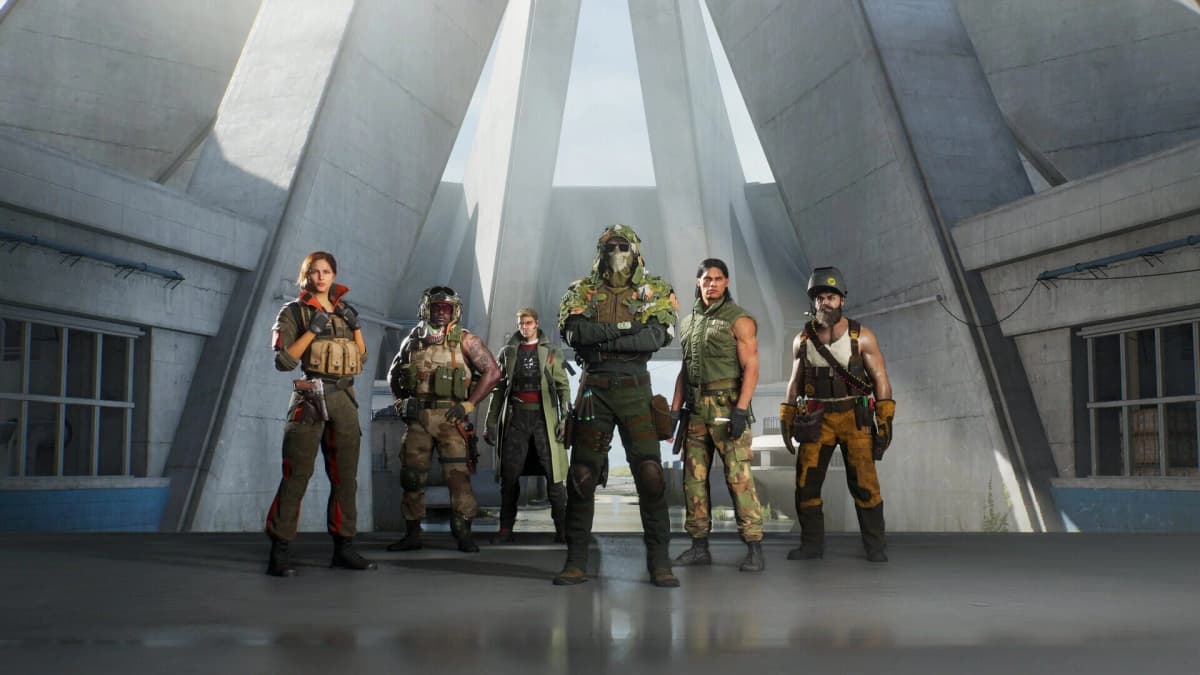
HEAT ties each vehicle to a named pilot with a kit. In our demo, the three roles guided your playstyle—Defenders soak and anchor, Assault pushes and breaks lines, Scouts harass and spot. Abilities were modest but useful: think a situational shield, a mobility burst, or a recon ping that sets up a pincer. It’s not Overwatch levels of fireworks, and that’s a good thing; the tactical layer builds on armor angling rather than replacing it with ult spam.
Modes are familiar—Domination, Conquest, Kill Confirmed, and Attack/Defense—which is fine for onboarding, though long-term variety will be on map design and seasonal twists. Our matches were largely versus bots, so while the feel was solid, the real test will be player lobbies where coordination and counterpicks matter.
The real story: can a tank hero shooter work in 2025?
Hero shooters aren’t the easy win they were five years ago. Overwatch 2 is stable but hardly ascendant; multiple spin-ups like Gundam Evolution didn’t make it. What HEAT has that others didn’t is a built-in mechanical identity. Armor angling, penetration chances, and module damage give every duel a mini mind game. If Wargaming nails read clarity—clean silhouettes, obvious role cues, and understandable ability tells—HEAT could stand out in a genre that often blurs into samey TTK races.
The danger is complexity creep. Ten abilities on the field is one thing; ten abilities plus armor math is another. The demo landed on the right side of that line: kits felt like force multipliers for fundamentals, not replacements. Scouts tagging a flank to set up an Assault push while a Defender bounces shots for space—that’s the fantasy. If they keep abilities grounded and avoid “press Q to delete a tank,” this hybrid can breathe.
Want to Level Up Your Gaming?
Get access to exclusive strategies, hidden tips, and pro-level insights that we don't share publicly.
Ultimate Gaming Strategy Guide + Weekly Pro Tips
Monetization will make or break it
HEAT is free-to-play with a stated “no pay-to-win” stance. Good start, but we’ve all been burned by fine print. Wargaming’s ecosystem historically includes premium vehicles and progression accelerators; that’s not disqualifying, but the line is clear: pilots and tanks must not sell power. Cosmetics? Fine. Battle passes? Expected. Stat bumps or ability-modifying items locked to payment? Hard pass.
The studio says most vehicles are based on real models or prototypes, with room for some creative liberties. That’s a smart aesthetic anchor—grounded, but flexible enough for readable hero identity and skin variants that don’t turn tanks into Fortnite floats. If HEAT wants staying power, it needs transparent progression, cross-mode matchmaking that avoids bot-stuffing, and a balance cadence that responds quickly to pilot/tank outliers.
Why this matters for WoT vets and newcomers
If you love WoT’s depth but wish matches moved faster, HEAT feels like a legit alternative, not a replacement. Your knowledge of weak spots and angling carries over; your patience requirement does not. For newcomers who bounced off spreadsheets and shell velocities, the hero framework gives you an entry point: pick a role, learn a kit, then layer in the tanking fundamentals. That’s smart onboarding.
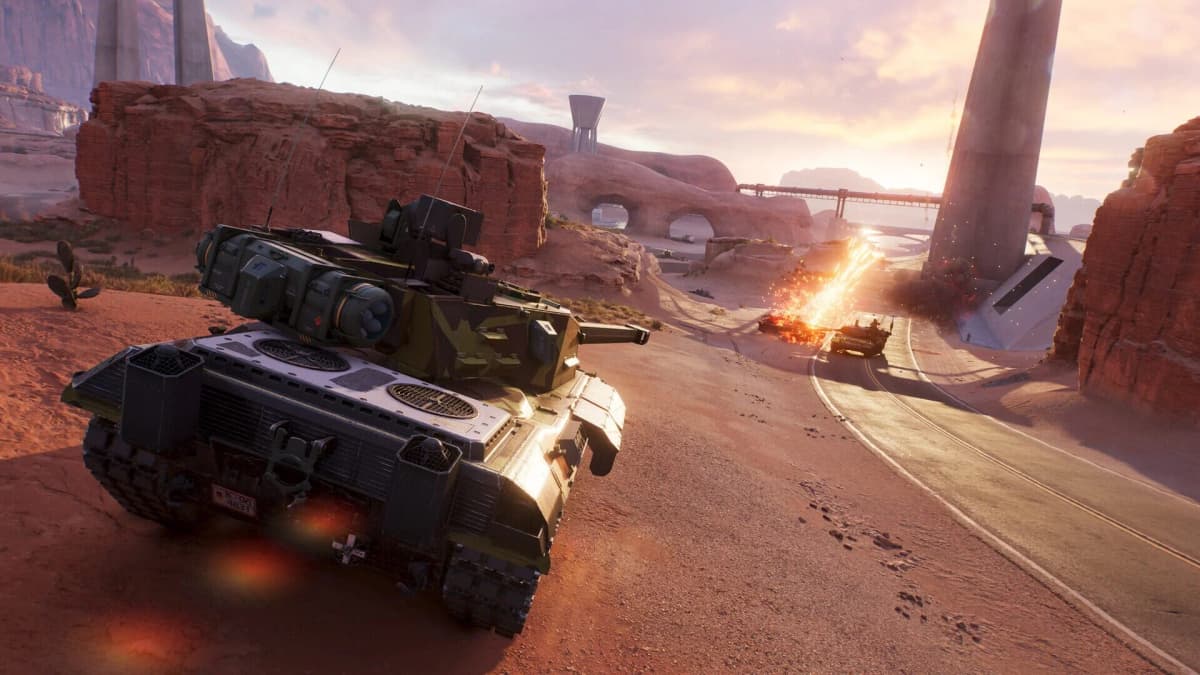
The big unknowns are balance and netcode under stress, plus how well maps support role interplay rather than funneling everything into slugfest chokepoints. But after my demo, I’m more optimistic than cynical. HEAT isn’t chasing trends so much as translating WoT’s best ideas into a language 2025’s team-shooter crowd understands.
TL;DR
World of Tanks: HEAT turns WoT’s armor-savvy combat into a faster 10v10 hero shooter, and it actually works—at least against bots. If Wargaming keeps abilities grounded and monetization honest, this could be the most approachable tank game yet. No release date yet, but it’s one to watch.