
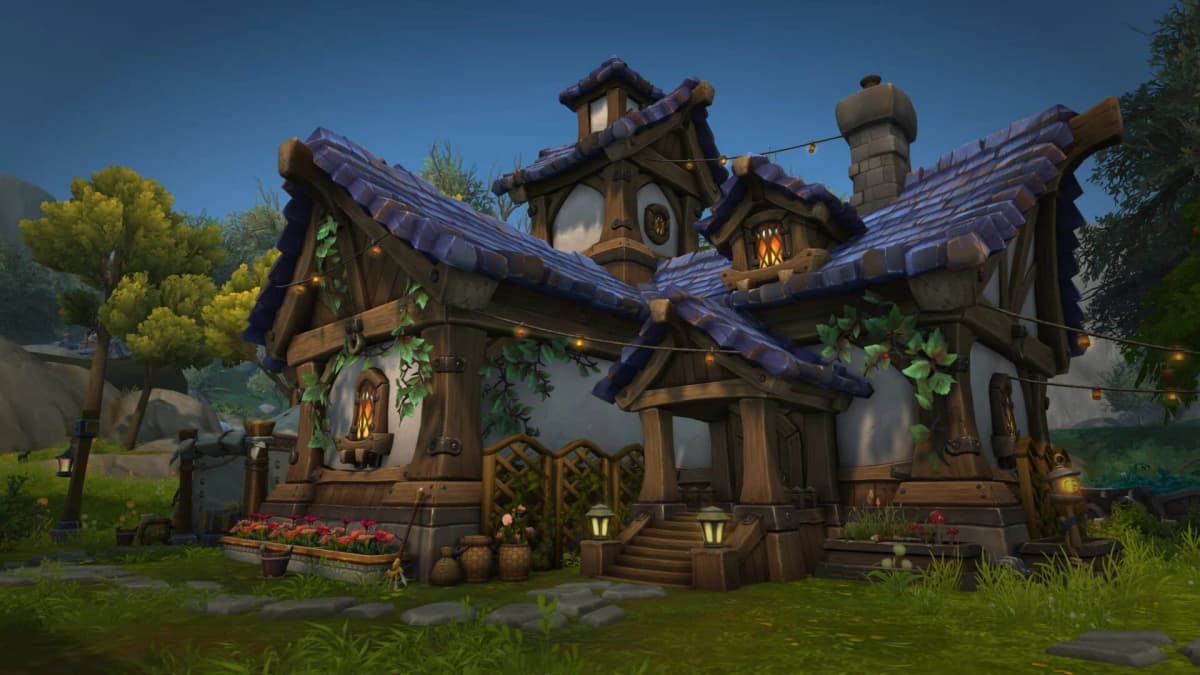
A Tier 8 clear, some gear progress, then logging off without checking a group finder: that is a respectable endgame session in World of Warcraft: Midnight. Season 1’s standard end-of-run delve loot stops scaling at that tier, even though the difficulty ladder continues to Tier 11. I like the freedom in that arrangement. I’m less sold on the combat model and the balancing compromises required to make the same activity work for one character or five players.
My verdict is still firmly in delves’ favor. They give solo players something worth doing after leveling, with room to learn, improve their equipment and pursue difficult clears. That deserves a permanent place alongside the game’s group endgame. It also deserves scrutiny beyond congratulating Blizzard for letting someone enter an instance alone.
Table of Contents (6)
Solo progression should not require permission from a party
The gap delves fill is painfully familiar: accessible open-world activities can run short on sustained challenge, while harder group content introduces another layer of requirements. Depending on the activity, that can mean queues, recruitment, scheduled sessions, voice chat or the pressure of learning while other people wait.
I value cooperative play. I object to making cooperation the admission ticket for every meaningful improvement to a character. Wanting to play independently on a particular evening should not leave someone choosing between easy chores and abandoning progression.
Introduced in The War Within and expanded in Midnight, delves offer an alternative. They support solo runs and flexible groups of up to five players. A player can learn an encounter alone, return at a harder tier and bring friends later without changing activities. That continuity matters: the progression path survives a change in someone’s availability.
Environment and mechanic variety help give individual delves their own character. But the more important achievement is structural. They offer repeatable challenges connected to the wider gearing system, rather than asking independent players to accept collectibles as their entire endgame.
Eleven tiers give players different places to stop
The eleven-tier ladder is the strongest part of the design. A single hard-mode toggle would leave a much larger gap between learning the activity and pushing it seriously. Delves let players move through smaller increments, with tougher enemies, increased damage and additional mechanics as difficulty rises.
| Difficulty range | Main purpose | Useful approach |
|---|---|---|
| Tiers 1-3 | Accessible introduction to delve objectives and encounters | New and returning players can learn the system before chasing harder clears. |
| Tiers 4-8 | The main endgame gearing ladder, with standard end-of-run loot scaling through Tier 8 | Progress through this range for equipment; favor repeatable clears when farming. |
| Tiers 9-11 | The hardest challenges, with additional crest and seasonal progression rewards | Push these tiers for demanding clears and mastery rather than expecting another rise in standard end-of-run loot. |
That distinction between the loot ceiling and the difficulty ceiling is worth defending. In Midnight Season 1, higher standard delves provide Champion-level equipment, while advanced tiers offer Hero-level Great Vault opportunities. Companion XP, undercoin for cosmetics, crests for upgrades, gold and crafting materials give runs value beyond an individual equipment drop.
Stopping standard loot scaling at Tier 8 gives players a sensible farming destination. It leaves three harder tiers available without making every ordinary gear upgrade depend on conquering the entire ladder. I would rather have that boundary than a system that continually pushes the most efficient rewards one step beyond the difficulty I want to play.

The objection is obvious: if equipment is someone’s main motivation, Tiers 9–11 can have a weaker pull. Achievements such as “Fabled Let Me Solo Him: Nullaeus” recognize solo execution, but an achievement will not motivate everyone. I’m comfortable with that. Optional difficulty can serve players who want mastery without becoming compulsory homework for everyone chasing gear.
The companion helps, but cannot erase class differences
My enthusiasm for the progression system does not settle my reservations about the combat model. Eleven difficulty settings cannot make the underlying combat appeal to someone who dislikes it. A compelling reward ladder can keep a player returning while the actual encounters remain the less convincing part of the experience.
The companion system also carries a considerable design burden. Its job is to support a character attempting encounters without human teammates. That makes solo delves possible across more builds, but an AI ally cannot provide the same adaptability or coordination as another player.
Solo play exposes differences between classes particularly sharply. Self-healing, durability and reliable interrupts have immediate value when there is nobody else to cover a weakness. A more fragile damage dealer can depend more heavily on companion support and the demands of a particular encounter. The same tier number therefore does not promise the same experience across the roster.
I want a companion to support the player’s decisions, with success still resting on positioning, defensive cooldowns and handling dangerous mechanics. The frustrating version of that relationship is one where progress feels excessively dependent on whether the available support fits a class’s missing tools. Giving everyone access to the ladder is only the beginning of making it satisfying to climb.
Playing with friends is a strength — and a balancing headache
I would keep flexible groups. Being able to bring a friend without recruiting a full party is one of delves’ most useful features. A solo-friendly activity should not punish players for occasionally wanting company.
But another player changes more than the number of targets attacking an enemy. They bring another interrupt, defensive abilities, healing or a way to compensate for weaknesses. An encounter that pressures one character can lose much of that pressure when several characters divide its demands.
Increasing enemy health and damage cannot, by itself, account for every advantage a coordinated group gains. Push those numbers too far and a small party can feel inefficient; leave too much room and coordination can flatten mechanics that demanded careful execution alone. Balancing one, two and five players inside the same activity means negotiating those differences.
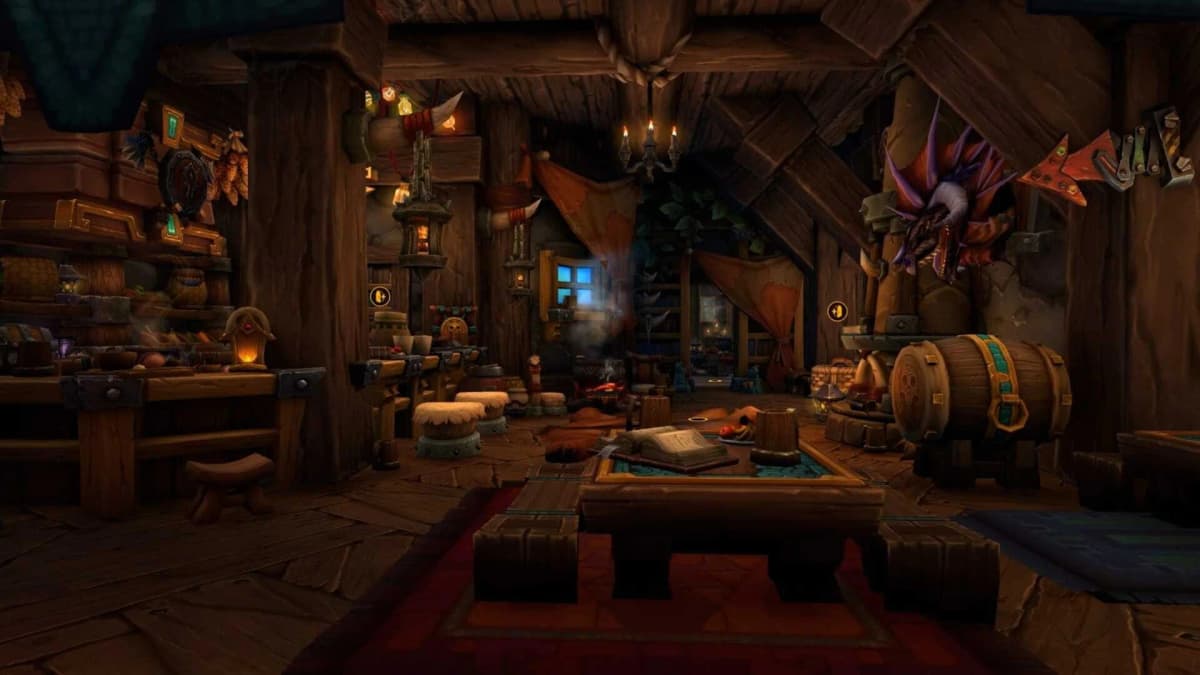
My priority is clear: solo encounter quality needs protection as delves expand. Flexible grouping is worth having, but the player entering alone should feel that the encounter was designed with their capabilities in mind. Solo accessibility loses much of its value if it becomes an exception patched around a group-first fight.
The Labyrinth of Kindo’jan raises the ambition
Patch 12.1.5, scheduled for October 14, adds the Labyrinth of Kindo’jan mega-delve. It has nine wings, with Valeera Sanguinar accompanying players. Clearing all nine chambers at Tier 8 or higher unlocks its nemesis boss, Kindo’jan.
That is a substantial extension of the idea. Tier 8 becomes a threshold for reaching a larger encounter, giving the established gearing range another purpose. I like seeing delves grow through objectives and structure instead of relying entirely on another increase in enemy numbers.
The Labyrinth also has a six-part quest chain that progresses over six weeks. That creates a longer-running reason to return, while introducing a different restriction: solo players can choose when to play, but they still encounter a calendar governing that quest’s progression. Independence from a party does not mean independence from every schedule.
Nine chambers create room for variety and a stronger sense of culmination. They also make pacing more consequential. The mega-delve’s size will matter less than whether its encounters remain distinct and whether the route to Kindo’jan earns the effort it asks of players.
Delves have earned their place; the encounters still need care
I back delves because they let a player build an endgame around their own availability while retaining challenge, equipment progression and optional cooperation. Returning players have an entry point, geared characters have a practical farming range, and specialists have Tier 11 and solo achievements to pursue.
That is enough to make them an endgame pillar worth developing seriously. The unresolved tension lies in the encounters: delves promise individual agency while borrowing combat roles and balancing assumptions from a game built for parties. Midnight has given solo players somewhere worthwhile to climb. Making every rung feel deliberately built for one character remains the harder job.
FinalBoss // Gear
Level up your setup
01Top-rated gaming headsetson Amazon→02High-refresh gaming monitorson Amazon→03Gaming chairson Amazon→04Discounted game keyson Kinguin→Affiliate links · As an Amazon Associate, FinalBoss earns from qualifying purchases.
Want to Level Up Your Gaming?
Get access to exclusive strategies, hidden tips, and pro-level insights that we don't share publicly.
Ultimate Gaming Strategy Guide + Weekly Pro Tips