
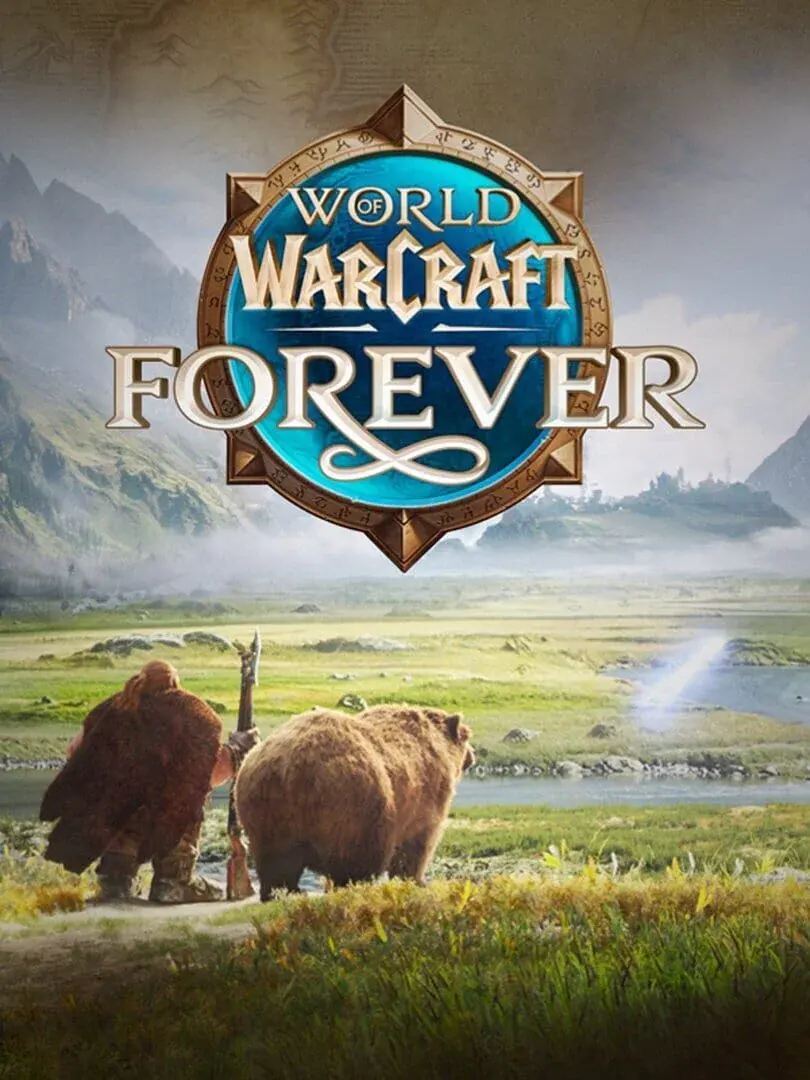
A first-and-last-name character creator that arrives before its first-and-last-name filter is ready is a ridiculous own goal. World of Warcraft: Forever gave players a new way to build character identities, then Blizzard had to clean up the predictable mess through forced renames and beta-access removals. The studio is right to eject people who deliberately use that freedom to create hateful, threatening, or explicitly abusive names. It is also responsible for creating the moderation gap that made this cleanup necessary.
That is why the backlash has teeth. The argument is not that offensive names deserve protection. They do not. The problem is Blizzard launched a dual-name system without a system ready to block harmful combinations at character creation, then imposed account-level consequences after the fact. A beta exists to expose failures like this. Treating every affected player as though they personally tried to sabotage the social space is where a necessary crackdown becomes a sloppy one.
Table of Contents (5)
Blizzard Is Right to Protect the Beta’s Social Space
World of Warcraft: Forever is built around a very specific fantasy: a permanent early-Azeroth “time bubble,” capped at level 60, with ongoing horizontal progression instead of a race through endless level-cap increases. Blizzard plans to keep adding content within that framework, including more than 1,000 new quests, nine new dungeons, four new zones, raids, and features such as native controller support. That whole pitch lives or dies on players believing they are entering a durable social world rather than a temporary novelty server.
Character names are part of that social contract. A name follows a player through grouping, guild recruitment, chat, role-playing, and every awkward moment when a stranger has to decide whether to interact with them. The new first-and-last-name system greatly expands the number of possible combinations. Two individually harmless words can become something vile when joined together. Anyone pretending that result was impossible is playing dumb.
Blizzard’s line is clear: names that violate its policies can receive forced changes, while names far outside the Code of Conduct can cost an account its Forever beta access. Senior game producer Tom Ellis also explained that the World of Warcraft development team manually reviewed the cases and could see every character created on an account, rather than judging only the character currently being played.
That account-wide view matters. A player with one crude-looking character name may deserve a forced rename. An account full of deliberately obscene or abusive combinations demonstrates a pattern. Beta access is a privilege, and Blizzard does not owe a private test environment to people who use it as a playground for harassment.
The Filter Failure Is Blizzard’s Problem, Too
Ellis said the name filter was not ready for dual names when the beta began and that Blizzard assumed players would understand what was acceptable after roughly 20 years of World of Warcraft. That explanation lands badly because the entire issue grew out of a new system. Players had decades of experience with single character names. Forever changed the naming format, expanded the ways names could be combined, and then relied on an incomplete filter.
“People should know better” is true for obvious violations. It is a weak answer to a character creator that lets a bad combination pass in the first place. The proper place to stop an unacceptable name is the creation screen. Reject it, explain the violation, and require another choice. That protects other players immediately and prevents a later punishment from feeling arbitrary.
Instead, Blizzard launched the system, warned testers against trying to “test” the name rules, and began manual enforcement after problematic combinations flooded in. One of the ugliest parts of this episode is that the random-name system can create names players did not consciously assemble as a joke. A generated or accidental combination should never receive the same treatment as an account whose naming history shows repeated, deliberate abuse.
Manual review should make that distinction easier, not harder. Human review is preferable to a blind automated hammer, especially when beta access is on the line. But manual review also raises the standard Blizzard must meet. Context, account history, how the name was made, and the severity of the result all matter. A rename is a correction. Losing access to the entire beta is a punishment.
The “No Sympathy” Response Made a Fair Policy Look Careless
Ellis’s public “No sympathy” message, followed by the instruction to “be a better human next time,” hit exactly the wrong target. The line works for somebody who built a blatantly hateful name and then cried persecution after getting removed. It is far less defensible as a blanket public posture while the studio is still building the naming enforcement system that should have existed at beta launch.
Blizzard put the affected share at 0.18% of checked names. That small percentage does not settle the argument. A low number can still include mistaken actions, disproportionate punishments, or people caught by a generator and given no meaningful route to clarify what happened. More importantly, it does not excuse the underlying design failure. The whole point of filtering is to prevent bad names from becoming a moderation case in the first place.
The company has made its current position painfully plain: ordinary Customer Service channels will not handle appeals for the severe Forever beta enforcement cases. That is Blizzard’s choice, but it leaves affected testers with little room to challenge an error. When a studio shuts the usual support door, its initial review process has to be exceptionally careful. “We reviewed it manually” is a process description, not a substitute for a credible correction path.
What Affected WoW: Forever Players Should Do
Players dealing with a name action need to understand which penalty they received. Blizzard is handling a forced rename and a removed beta entitlement as two very different things.
- For a forced rename: Save screenshots of the character, the full dual name, the enforcement notice, and the time it occurred. Expect the original name to stay unavailable. Use a replacement with no joke phrasing, double meanings, slurs, sexual references, or combinations that can be read as harassment.
- For lost beta access: Preserve the same evidence, including any support messages and the names of every character on the account. Blizzard’s reviewers can assess the account-wide naming history, so players should document the full context rather than focusing only on the character they happened to be using.
- For a random-name issue: Record that the name came from the in-game generator, including screenshots if possible. Customer Service will not process the severe-case appeals, but documentation remains essential if Blizzard adjusts its beta enforcement system or re-examines edge cases.
- For everyone still in the beta: Check every character on the account, including abandoned alts. Do not create names merely to probe the filter, and do not assume a name is safe because the creator currently allows it.
That last point is especially important. The name filter is still being rolled out, and the absence of an immediate block is not permission. Blizzard has already stated that it is processing enforcement and tightening the system. Anyone treating that gap as an invitation to find clever new combinations is volunteering for the harshest possible outcome.
Forever Needs Better Guardrails Before November 4
World of Warcraft: Forever is scheduled to launch on November 4, 2026, after a beta due to run through October 22. Blizzard wants this version of Azeroth to persist: early-era structure, slower social progression, a permanent level-60 ceiling, and years of added quests and activities. That ambition is far more interesting than another disposable nostalgia sprint. It also demands stronger basic moderation than a traditional single-name server.
The studio should keep its hard line against clearly malicious names. It should also finish the dual-name filter, block unacceptable combinations before they enter the world, identify random-generator failures, and establish a narrow human review route for obvious mistakes. Those are not concessions to bad actors. They are the minimum competent safeguards for a system Blizzard chose to introduce.
My verdict is blunt: Blizzard was right to remove deliberate abusers from the Forever beta, and wrong to act as though its unfinished filter had nothing to do with the resulting chaos. Safety requires enforcement. Competence requires preventing the problem before an account-level punishment becomes the cleanup tool. Forever cannot sell a lasting social Azeroth while treating a preventable moderation failure as somebody else’s moral defect.
FinalBoss // Gear
Level up your setup
01Top-rated gaming headsetson Amazon→02High-refresh gaming monitorson Amazon→03Gaming chairson Amazon→04Discounted game keyson Kinguin→Affiliate links · As an Amazon Associate, FinalBoss earns from qualifying purchases.
Want to Level Up Your Gaming?
Get access to exclusive strategies, hidden tips, and pro-level insights that we don't share publicly.
Ultimate Gaming Strategy Guide + Weekly Pro Tips