
Mythic raiding in World of Warcraft has had the same social tax for years: the boss isn’t always the boss, your roster is. Patch 12.0.7’s PTR test matters because Blizzard is finally taking a swing at that problem by letting Mythic scale for 15 to 25 players instead of hard-locking groups to 20. That is a bigger deal than the patch notes make it sound, even if Blizzard is very deliberately testing it in the least risky environment possible: a one-hour PTR window, on a one-boss raid, against a giant fungus monster named Rotmire.
That first-ever test is scheduled for Thursday, May 14, from 1 PM to 2 PM PDT on the 12.0.7 PTR. The raid is Sporefall, a single-boss encounter set in a misty fungal environment tied to Midnight’s mushroom-heavy themes. On paper, that sounds like a neat side experiment. In practice, it is Blizzard poking at one of the most entrenched rules in modern WoW endgame: Mythic has always been a logistical game before it is a mechanical one.
Table of Contents (5)
Blizzard is testing the roster fix more than the raid
Let’s call this what it is. Sporefall is not the headline. Flexible Mythic sizing is.
For years, the 20-player Mythic requirement has created a weird kind of artificial difficulty. Not just “can your team execute mechanics,” but “can your guild keep exactly the right number of reliable adults online across a tier?” Too few players and you cancel raid. Too many and somebody gets benched. That rigidity helped preserve competitive integrity at the top end, but it also kneecapped countless midcore guilds that were good enough to raid Mythic and not organized enough to run a small military unit.
So yes, 15-to-25-player Mythic flex is potentially one of the smartest structural changes Blizzard has floated in years. It could mean fewer dead guilds, fewer awkward bench rotations, and less of the classic WoW raid-lead ritual where ten minutes before pull becomes an exercise in recruiting strangers and pretending this is fine.
The catch is obvious: Mythic is the one difficulty where encounter balance actually matters enough that players will notice every crack immediately. If a fight is dramatically easier at 15 than 25, guilds will optimize around that. If certain mechanics scale badly, comps get warped overnight. If healing or DPS checks break at the edges of the range, the whole idea turns from quality-of-life win into progression headache.
The one-boss format is Blizzard admitting this could go sideways
There is a reason Blizzard did not roll this out by saying, “Surprise, the next full Mythic tier is flex now.” Instead, it built a contained lab test: one boss, one hour, one PTR slot, and a raid designed specifically to stress the system without detonating an entire progression ecosystem.
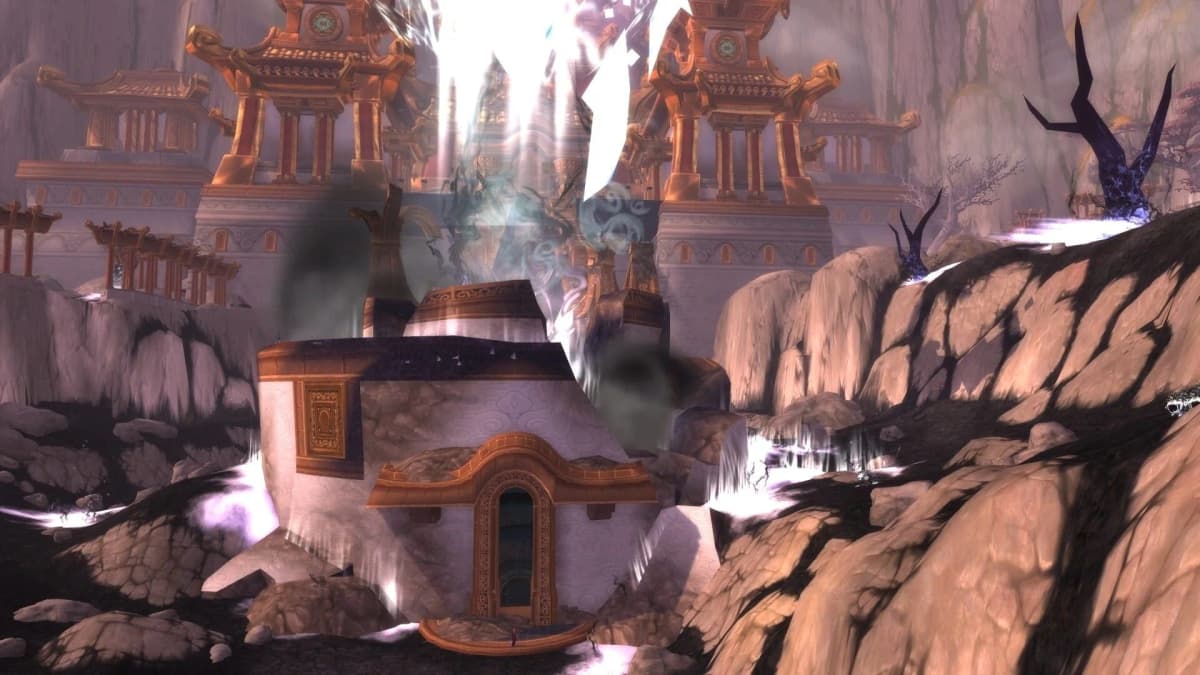
That caution is not a bad sign. It is the correct sign. Encounter scaling at Mythic level is messy. Normal and Heroic have lived in the flex world for years, but Mythic has stayed fixed precisely because high-end mechanics are less forgiving. Breakpoints matter. Add spawns matter. Healing cooldown coverage matters. The number of players soaking, spreading, or baiting something can turn a “minor tuning issue” into a fundamentally different fight.
Sporefall being a single-boss raid against Rotmire tells you Blizzard wants clean data, fast. It can watch how the encounter behaves at 15, 18, 20, 23, and 25 players without a full raid instance muddying the result. Smart move. Also a slightly telling one. The PR version is “exciting innovation.” The real version is “we know this system can break in embarrassing ways, so we’re locking it in a padded room first.”
What raiders should actually test during that PTR hour
If you are jumping into the PTR, the useful question is not whether Rotmire is fun. Nice bonus if it is. The real job is figuring out whether flex Mythic creates exploitable edges or miserable friction.
- Check whether mechanics scale cleanly at roster extremes, especially 15 and 25 players.
- Watch healing pressure. That is often where bad scaling shows up first.
- Track add counts, soak requirements, and debuff targeting. Those systems love to get weird when player counts shift.
- Pay attention to raid comp incentives. If one roster size suddenly makes the fight much easier, Blizzard needs to know immediately.
- Note whether the tuning feels merely different or fundamentally busted between group sizes.
This is also where Blizzard’s recent tuning cadence matters. Midnight has already seen active class balancing, with buffs and nerfs hitting multiple specs and raid encounters. That tells you the team is willing to iterate aggressively, which is good, because a change this structural is not surviving on first-pass tuning alone.

The uncomfortable question Blizzard still has to answer is simple: if flex Mythic goes live, what happens to the Race to World First ecosystem and the prestige mythology around fixed-size Mythic? Top-end guilds will adapt to anything, but Blizzard has historically treated Mythic as the difficulty where consistency and competitive purity justify inconvenience. This test suggests the studio is finally less interested in protecting the sanctity of 20 and more interested in stopping guild attrition lower down the ladder.
This could be one of WoW’s healthiest endgame changes in years
Assuming Blizzard does not fumble the numbers, flexible Mythic could do more for raid health than another round of borrowed systems, seasonal reward tweaks, or “we’re listening” community posts ever could. Roster friction kills raid teams in a way encounter difficulty doesn’t. Plenty of guilds can wipe for three nights and come back stronger. What they cannot survive is the slow administrative death spiral of attendance instability, bench resentment, and constant emergency recruitment.
That is why this PTR test matters beyond one patch. It is not just a feature test. It is Blizzard quietly rethinking an old design doctrine that had calcified into tradition. Some traditions are worth keeping. “Exactly 20 or don’t pull” has mostly functioned as an exclusivity filter disguised as encounter design.
And to be fair, there is a real counterargument. Fixed 20-player Mythic has made encounter design more predictable and helped maintain a clear standard for top-end progression. If flex tuning turns into a spreadsheet war where guilds constantly resize to cheese bosses, the cure becomes its own disease. That risk is real. It is also why this PTR hour is more important than the boss itself.
What to watch next
The first thing to watch is feedback from groups that test both ends of the range on May 14. Not vague “felt good” reactions – actual reports on scaling breakpoints, comp weirdness, and whether 15-player or 25-player setups create obvious advantages.
Second, watch Blizzard’s follow-up messaging. If the studio quickly schedules more Mythic flex tests, that usually means it found enough promise to keep pushing. If communication gets cautious or narrower, it likely found tuning problems it does not want to oversell.
Third, keep an eye on Patch 12.0.7’s expected June rollout window. PTR calendar clues have pointed toward a mid-June release, and if flexible Mythic makes that build in meaningful form, Blizzard will need to explain whether Sporefall is just a limited experiment or the beginning of a wider policy shift for raiding.
The verdict: this is exactly the kind of conservative test WoW should be running before touching its hardest raid format, and the idea behind it is stronger than the tiny scope makes it look. If Blizzard can make Mythic flex work without turning progression into a tuning circus, Patch 12.0.7 may end up remembered less for Rotmire and more for finally admitting that raid logistics have been the real endboss for years.
FinalBoss // Gear
Level up your setup
01Top-rated gaming headsetson Amazon→02High-refresh gaming monitorson Amazon→03Gaming chairson Amazon→04Discounted game keyson Kinguin→Affiliate links · As an Amazon Associate, FinalBoss earns from qualifying purchases.
Want to Level Up Your Gaming?
Get access to exclusive strategies, hidden tips, and pro-level insights that we don't share publicly.
Ultimate Gaming Strategy Guide + Weekly Pro Tips