
The useful part up front: Blizzard’s May 6 World of Warcraft hotfixes are not just another pile of maintenance notes. They’re a live snapshot of what got out of hand after recent tuning passes: overperforming specs getting clipped, boss encounters being softened, PvP outliers getting targeted, and a long tail of bug fixes that suggests some earlier changes either missed the mark or needed follow-up almost immediately.
That matters because hotfixes tell you more than polished patch previews do. Patch notes are the plan. Hotfixes are the correction. And this correction says Blizzard is still in active damage control mode on class balance and encounter friction, not calmly polishing the edges.
Table of Contents (5)
This was less “cleanup” and more course correction
The broad shape of the May 6 update is clear enough: class tuning, boss nerfs, PvP adjustments, and bug fixes across multiple systems. Research around the rollout points to the class changes going live during weekly maintenance on May 5 in North America, with broader deployment by May 6. That timing matters because it frames these changes as urgent live-service intervention, not something Blizzard was comfortable letting sit for another full patch cycle.
The headline nerf appears to be Augmentation Evoker, which took a blanket 5% damage reduction across abilities. That is the kind of move you make when a spec is persistently distorting group content and you’re done pretending tiny nudges will solve it. Augmentation has been one of those specs that creates balance headaches simply by existing in its current form: when its value scales through group amplification, even a modest overperformance can ripple far beyond its personal damage readout.
There were also targeted changes to Devourer Demon Hunter, with research indicating nerfs to Annihilator-related damage and Chaos Blades autoattack scaling, partially offset by a small Fury generation buff through Fel Mastery. That compensation is classic Blizzard: take away some burst or passive excess, hand back a little rotational comfort, and hope the spec remains playable without continuing to steamroll the field.
In plain English, Blizzard is not just trimming numbers. It’s trying to stop specific builds from defining the meta too efficiently in both PvE and PvP.
The boss nerfs are the part raiders should read twice
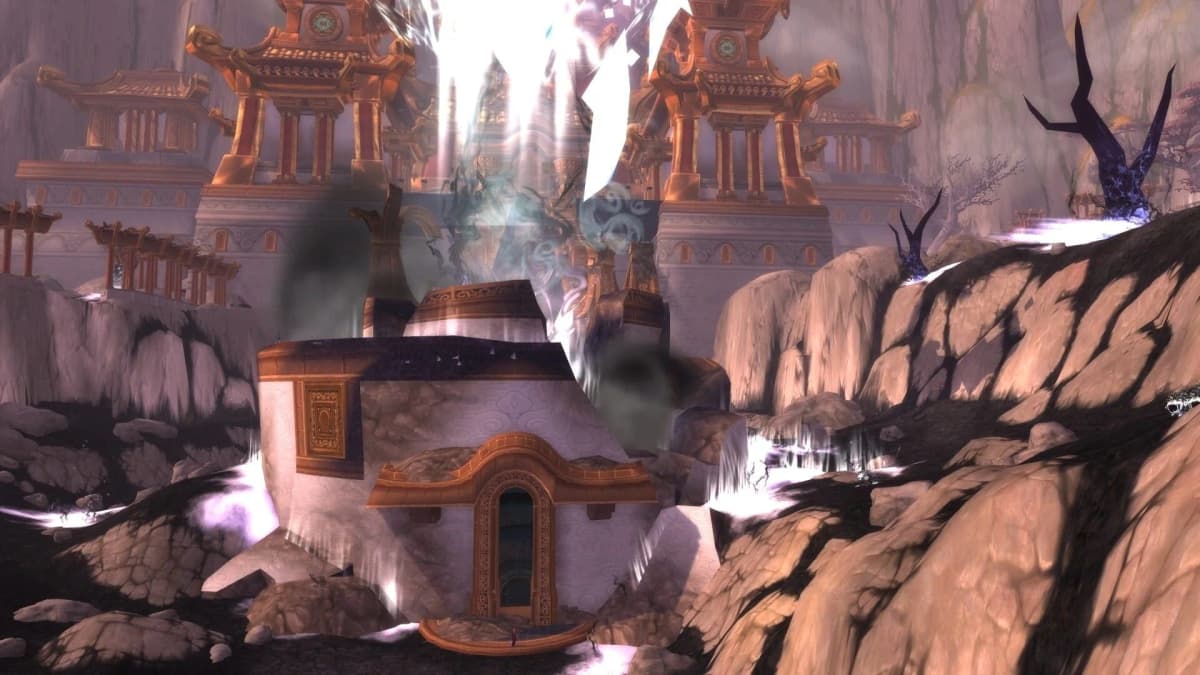
Boss nerfs are always revealing because they answer a question Blizzard would rather leave vague: was the encounter actually well-tuned, or did players run into a wall the designers underestimated? The May 6 hotfix wave includes multiple encounter reductions, and that usually means one of two things. Either completion data came in ugly, or the intended difficulty curve was creating the wrong kind of friction.
That distinction matters. A hard boss can be good for a game. A badly tuned boss just wastes raid time and turns progression into a repair bill with extra steps. When Blizzard starts shaving edges off several encounters in quick succession, it’s usually responding to real telemetry, not forum drama. Studios can ignore whining. They pay attention when the numbers show players stalling out, overstacking specific specs, or disengaging entirely.
The uncomfortable observation here is that encounter nerfs landing alongside class tuning often mean the original ecosystem was unstable. If a few specs are too strong, a few others are too weak, and bosses are also being softened, then what players were dealing with was not a clean test of skill. It was a moving target with bad calibration.
That does not make the nerfs wrong. Frankly, for most raid groups, it probably makes the game better this week than it was last week. But let’s call it what it is: reactive tuning after the live environment exposed problems faster than Blizzard solved them in advance.
The bug-fix pile is where the real story usually hides
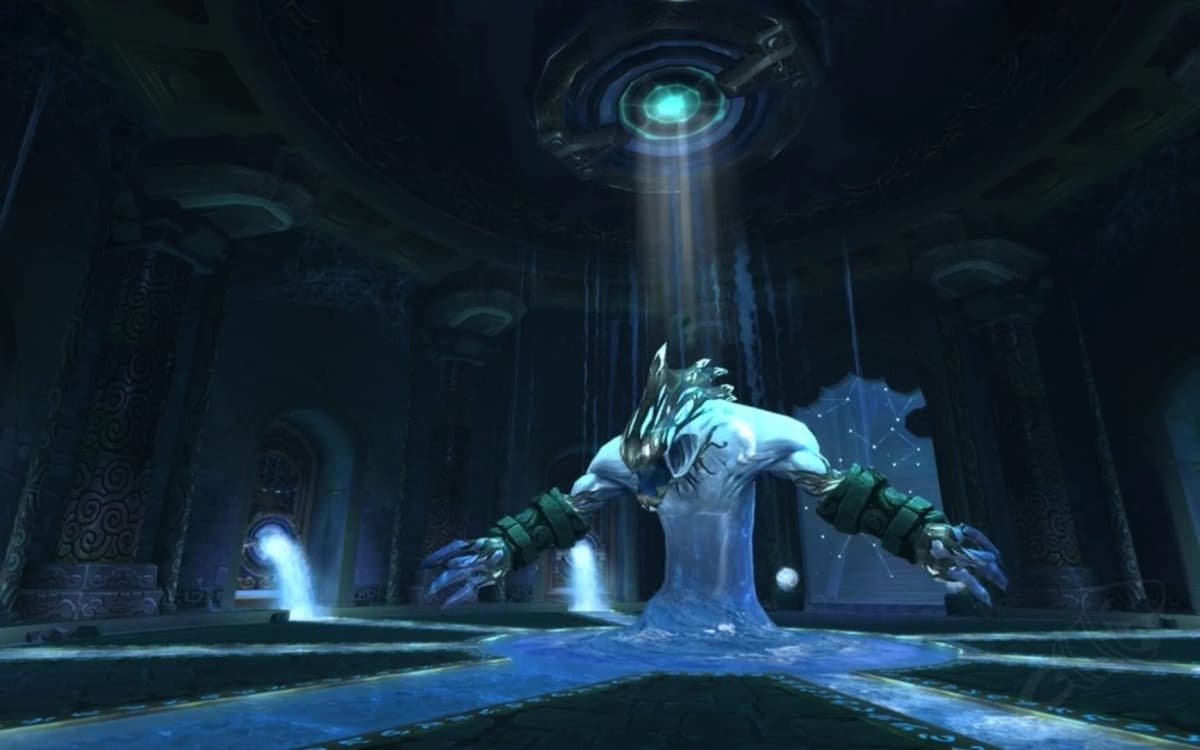
If you’ve played WoW long enough, you know the funniest part of any hotfix list is the section that accidentally reveals what was busted in the first place. The May 6 notes reportedly include a broad wave of bug fixes, plus cases where previously announced changes were rolled back, expanded, or otherwise adjusted in the days around release.
That’s the real tell. It suggests Blizzard wasn’t just balancing around player feedback; it was also correcting implementation problems and edge cases that changed how abilities, encounters, or PvP interactions functioned in practice. In a modern MMO, that’s not unusual. But it does matter for players trying to judge performance data, raid logs, or arena results from the last several days. If the rules kept shifting underneath those outcomes, some of that data is already stale.
This is also where veteran players get cynical for good reason. “Hotfixes” can sound minor, but in WoW they often function as silent rewrites of the live meta. One passive changed here, one bugged multiplier fixed there, and suddenly the spec you geared for on Tuesday is no longer the spec you thought you were bringing on raid night.
The question Blizzard still needs to answer
The real question is not whether these changes were justified. Some obviously were. The question is whether Blizzard is converging on a stable balance state or just swatting fires as they appear.
A blanket 5% hit to Augmentation Evoker is easy to understand, but it also hints that Blizzard may still be wrestling with the larger design problem rather than solving it. The same goes for specs that get hit in one area, compensated in another, then revisited again days later. Fast tuning is better than neglect, but repeated emergency tuning usually means the model underneath is still shaky.
If I were in the room with Blizzard PR, the question would be simple: are these hotfixes the end of a rough post-patch adjustment window, or the start of another round of iterative corrections? Players can handle bad news. What they hate is wasting time gearing, practicing, and building comps around a target Blizzard keeps moving every reset.
What to watch next
Three things matter now. First, whether Augmentation Evoker actually drops back into line in raid and PvP data instead of remaining mandatory with slightly smaller numbers. Second, whether Demon Hunter players find the compensation meaningful or just cosmetic after the damage cuts. Third, whether Blizzard follows this hotfix wave with another rapid pass next reset, because that will tell you these changes were not a solution so much as a temporary containment measure.
For players, the practical takeaway is simple: treat this hotfix set as a meta reset, not a footnote. Recheck your build, recheck your logs, and do not assume last week’s pecking order still applies. In WoW, the official patch changes the game. The hotfixes tell you what version you’re actually playing.
FinalBoss // Gear
Level up your setup
01Top-rated gaming headsetson Amazon→02High-refresh gaming monitorson Amazon→03Gaming chairson Amazon→04Discounted game keyson Kinguin→Affiliate links · As an Amazon Associate, FinalBoss earns from qualifying purchases.
Want to Level Up Your Gaming?
Get access to exclusive strategies, hidden tips, and pro-level insights that we don't share publicly.
Ultimate Gaming Strategy Guide + Weekly Pro Tips