
This caught my attention because 2K is making an obvious bet: more wrestlers, deeper nostalgia, and player choice will distract from – or justify – a subscription-style progression system. As someone who’s watched this series weather ups and downs, WWE 2K26 looks like the studio pushing hard to win back fans by delivering spectacle while experimenting with how it sells post-launch content.
Table of Contents (8)
WWE 2K26: CM Punk, a 400+ Roster, and the Ringside Pass Gambit
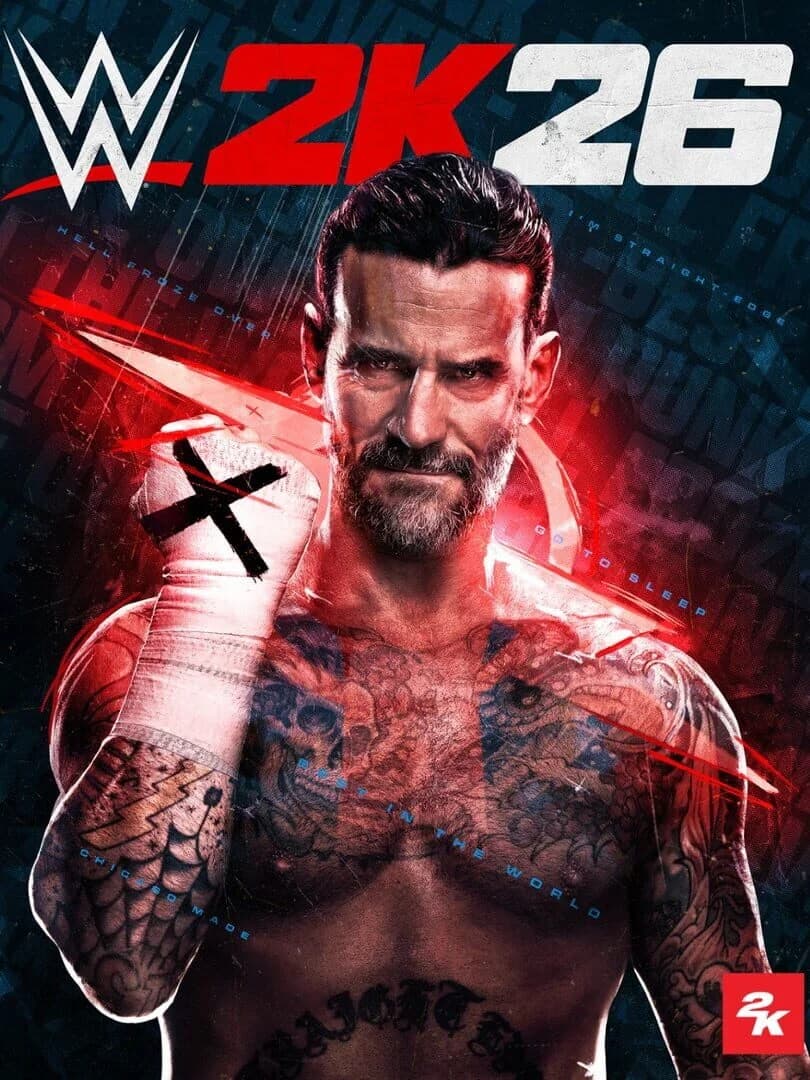
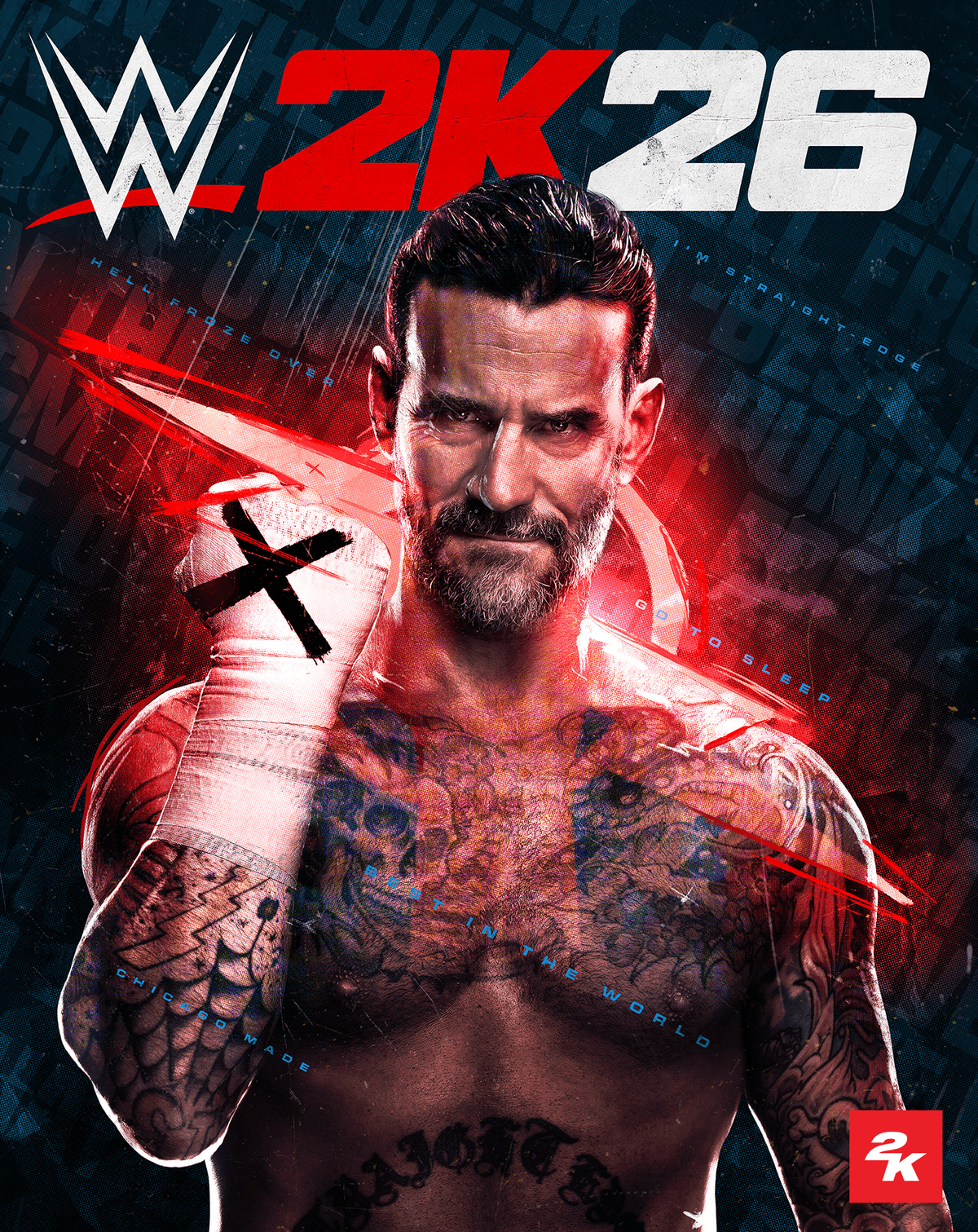
- CM Punk headlines a personal 2K Showcase and appears on the cover – nostalgia and narrative are front-and-center.
- The game ships March 13, 2026 (premium editions March 6) with 400+ Superstars — the biggest roster yet, including Legends and surprise returns.
- Ringside Pass replaces traditional DLC with a 100-tier season system (60 free / 40 premium) — a Battle Pass for wrestling content.
- Four new match types, revamped entrances, expanded creation tools, and Switch 2-specific features point to real gameplay and presentation upgrades — with some technical risk.
{{INFO_TABLE_START}}
Publisher|2K Games
Release Date|March 13, 2026 (Premium editions March 6)
Category|Sports/Wrestling
Platform|PlayStation 5, Xbox Series X|S, Nintendo Switch 2, PC (Steam)
{{INFO_TABLE_END}}
Why CM Punk (and a narrative Showcase) Matters
Putting CM Punk on the cover and centering a narrated Showcase around him is smart from a marketing and content standpoint. Punk has a polarizing but story-rich career, and giving him the mic to guide players through “Punked: CM Punk’s Personal Journey” promises an interview-like, first-person flavor that’s been missing in earlier, more mechanical Showcases. Expect both canonical matches and “fantasy warfare” vignettes — i.e., dream matches that play to fans’ nostalgia. I’m optimistic: when a wrestling game’s Showcase actually leans into personality and context, it elevates otherwise rote match recreations.
Ringside Pass: Smart Evolution or Paywall in Costume?
Ringside Pass replaces DLC with a season-based progression system: 60 free tiers and 40 premium tiers across six planned seasons. 2K frames this as “added value” — premium buyers receive the same roster additions they’d have gotten from older DLC packs plus cosmetics and progression incentives.
There are upsides: unified rewards across modes encourage playtime, and 2K says major names (Hogan, Macho Man equivalents) will appear in free tiers for Season 1. But this also introduces churn pressure: unlocking characters by playing across modes or buying premium tiers could fragment the community, especially for players who just want a full roster out of the box. The company insists you can still earn big names through gameplay — which matters — but the Battle Pass model changes expectations for how and when fans access classic characters.
Gameplay Additions: Matches, Physics, and Presentation
Four new match types — I Quit, Inferno, Three Stages of Hell (reworked), and Dumpster matches — plus expanded weapons and interactive environments show Visual Concepts aiming for variety and spectacle. Three Stages of Hell’s contiguous, loading-free transitions sound ambitious and could be a genuine quality-of-life win if they hold up technically.
On the other hand, Inferno and Dumpster matches introduce physics and visual complexities that can expose animation and engine limitations. The revamped stamina/reversal systems and expanded entrance controls are encouraging: letting players trigger entrance animations, pyro, and camera presets feels like meaningful agency for modern players who care about presentation as much as match mechanics.
Roster Size vs. Roster Depth
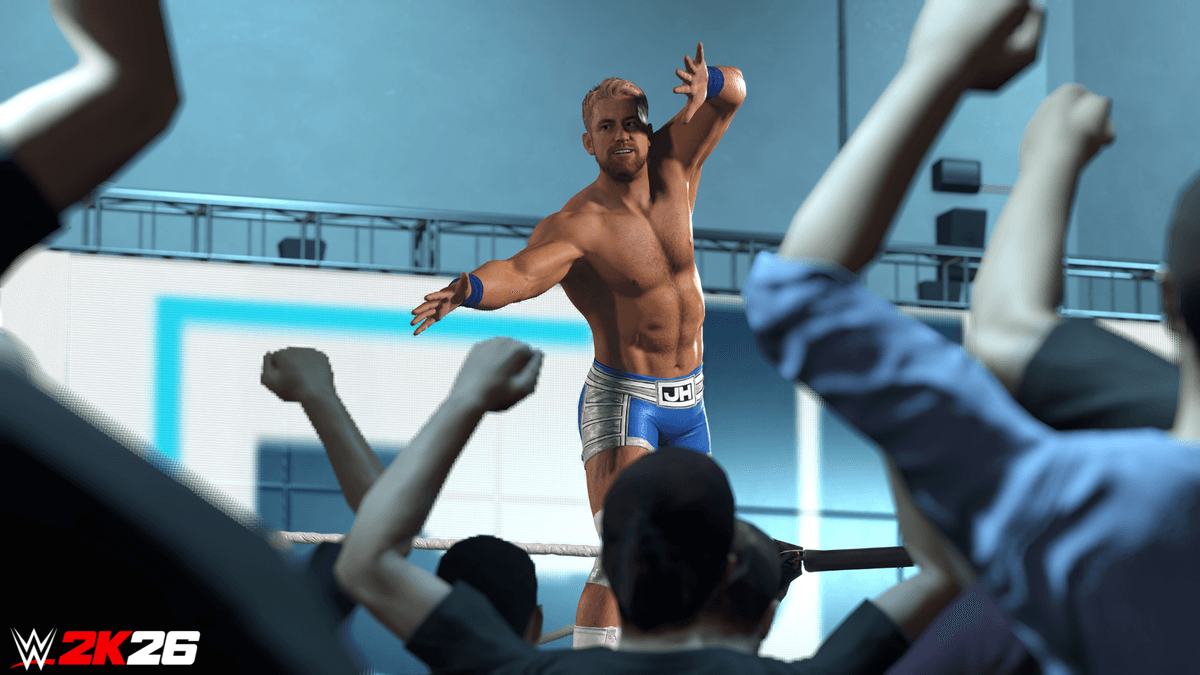
Advertising 400+ Superstars is a headline-grabber, and the confirmed slate mixes current stars, Legends, and surprise returns (Rey Fenix, Rusev, Andre the Giant). Big rosters are great for fantasy matches and modes like Universe or MyFACTION, but quality control matters: how deep are move-sets, entrance packages, and motion-capture fidelity for each of those hundreds of characters? The risk is a bloated roster with uneven representation — a trade-off 2K needs to manage carefully.
Platform Notes and Mode Improvements
Nintendo Switch 2 gets special attention: touchscreen, mouse support, Joy-Con-only play, GameShare, GameChat, and parity with Community Creations. That nearly closes the gap between portable and console experiences, which is welcome. Across modes, Creation Suite expands dramatically, MyGM and Universe add legacy features (Draft, improved cash-ins), MyRISE deepens narrative branching, and The Island returns with cross-platform availability — all signs of a content-first release.
What This Means for Players
If you care about spectacle, nostalgia, and a massive roster, WWE 2K26 looks compelling. The CM Punk Showcase and presentation upgrades could make the game feel like a proper WWE experience rather than a collection of mechanics. If you care about unlocking everything immediately or avoiding season-based models, Ringside Pass introduces friction you should weigh: the free tiers sound generous, but premium tiers and early-access editions will reward the most committed (or best-funded) players.
TL;DR — The Bottom Line
WWE 2K26 is a confident push: a star-fronted Showcase, the franchise’s largest roster, new match types, and a Battle Pass-style Ringside Pass mark a game focused on scale and replayability. There’s real cause for excitement — and real risk. If 2K balances roster depth, avoids technical hiccups in the new match types, and keeps must-have characters accessible without forcing pay-to-win dynamics, this could be the most complete WWE package in years. But the Ringside Pass changes the economics and player expectations — pay attention to how the seasons roll out.
FinalBoss // Gear
Level up your setup
01Top-rated gaming headsetson Amazon→02High-refresh gaming monitorson Amazon→03Gaming chairson Amazon→04Discounted game keyson Kinguin→Affiliate links · As an Amazon Associate, FinalBoss earns from qualifying purchases.
Want to Level Up Your Gaming?
Get access to exclusive strategies, hidden tips, and pro-level insights that we don't share publicly.
Ultimate Gaming Strategy Guide + Weekly Pro Tips