
Half an hour into WWE 2K26, I still had not touched most of the side stuff. I was busy letting an entrance breathe. CM Punk’s music hit, pyro cracked across the stage, and those little bits of interactivity during entrances did more for me than I expected. They make the pageantry feel like part of the match instead of filler before the fun starts. Then the bell rang, somebody got hurled from up high onto steel steps, and I had that stupid wrestling-game grin on my face before I could stop it.
That grin did not survive every corner of the package. Between matches, WWE 2K26 has a bad habit of reminding you that it is also a modern sports game full of sticky menus, stop-start pacing, and monetization systems that keep wandering into the spotlight. I spent most of my time in exhibition matches, Showcase, and a bit of MyRise, because that is where these games either hook me fast or lose me completely. In those lanes, the highs are real. Outside them, the game starts feeling like it is wearing too many layers at once.
After a long weekend with it, my take landed in a pretty simple place. WWE 2K26 is better at wrestling than it is at being a full wrestling package. When the bell rings, this thing can absolutely sing. The trouble is that 2K keeps making me walk through too much clutter to get back to the part I actually like.
Table of Contents (10)
Key takeaways
- The in-ring action is the best part by a mile, with heavier collisions, strong spectacle, and genuinely fun match flow.
- The new stamina-linked reversal system adds some tension, but it does not fully stop players from spamming reversal attempts.
- CM Punk Showcase is one of the cleaner, more engaging modes, even if some of its objective-based structure can still feel old-fashioned.
- Ringside Pass and the broader grind-heavy economy drag down the whole experience more than they should.
When the bell rings, WWE 2K26 feels alive in a way the series really needed
My first strong impression was weight. Not realism in the sterile sports-sim sense. I mean impact. Irish whips bounce with more force. Throws into the environment look rougher. Weapon spots finally have that little bit of nastiness they have been missing when compared to the chaos people actually remember from wrestling TV. A top-rope throw onto steel steps should look ugly and slightly reckless, and 2K26 gets much closer to that feeling than some recent entries did.
The entrances help more than I expected too. Wrestling games live on atmosphere. If the walk to the ring feels dead, the whole illusion starts cracking before the match begins. Here, the pyro, emotes, camera framing, and general sense of theater go a long way. I caught myself watching entrances I would normally skip after day one, and that is a bigger compliment than it sounds. WWE as a spectacle is half the appeal, and 2K26 understands that better than most licensed sports games understand their own flavor.
It is not flawless. Every now and then a sequence loses its rhythm. Somebody clips into spacing that feels off, or a promising exchange just fizzles into awkward repositioning. That old WWE 2K stiffness still shows up in flashes. But the baseline is stronger this year. Match momentum is easier to feel, and the peaks are high enough that I kept hitting “one more match” long after I planned to stop.
The new stamina and reversal ideas add tension, even if they do not go far enough
The biggest mechanical wrinkle this time is the stamina-linked reversal system and the new winded state. In longer matches, wrestlers stop feeling like bottomless animation counters and start feeling like they have actually been slammed around for ten minutes. That matters. Late-match drama in wrestling games lives or dies on whether both wrestlers seem exhausted, vulnerable, and one mistake away from disaster.
I liked this more as I spent time with it. Early on, I treated reversals the way longtime players usually do and just tried them constantly out of habit. A few hours later, I started noticing the cost. I burned myself out in one especially good match because I was panic-defending everything, went winded at the wrong moment, and ate a finisher clean because I had nothing left. That was one of the first times 2K26 made me respect stamina instead of treating it like background decoration.
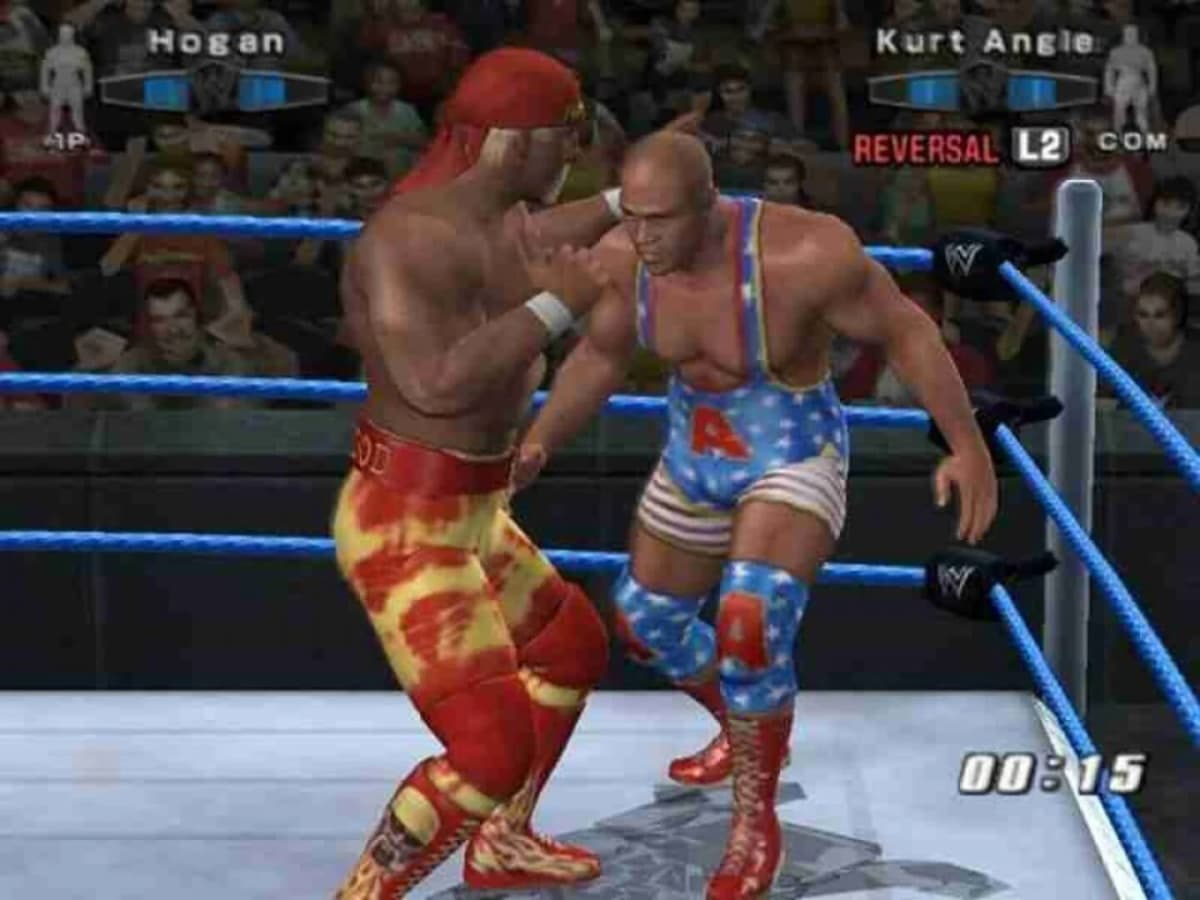
Still, I do not think this is the big strategic overhaul it wants to be. The upside on a successful reversal is so strong that I often kept trying them anyway. The game nudges you toward smarter choices, but it does not punish bad habits hard enough to fully retrain them. So the nuance is there, and it helps the flow, but it is not a total reinvention. Think of it as a worthwhile tune-up rather than a brand-new engine.
CM Punk Showcase is the mode I kept returning to when I wanted the game at its cleanest
There is something fitting about CM Punk being the center of the strongest mode here. His return already gives WWE 2K26 some natural event energy, and this is his first appearance in the series since 2013, so the nostalgia has real weight. The Showcase mode leans into that by framing his career as a rise, collapse, and comeback story. In practice, it becomes one of the easiest ways to appreciate what 2K26 does well without getting buried under too much side noise.
I especially liked the way the historical presentation lands. Arenas, gear, little visual details, and match framing have that fan-service specificity wrestling nerds eat up. It gives the whole thing a scrapbook feeling without turning it into a museum exhibit. The objective-to-action loop is also smoother than some older Showcase attempts, which sometimes felt like homework disguised as nostalgia. Here, I usually wanted to keep going.
I can also see why some players will bounce off it. Any mode built around recreating famous matches has the old problem of asking you to hit very specific beats instead of simply wrestling naturally. If you hate that structure, 2K26 will not convert you. Even so, this was the mode that felt most focused to me, and it gave me the strongest reminder that the people making the actual in-ring content still know how to put on a show.
The roster is huge, the toy box is packed, and the space between matches still drags
There is a lot of wrestling in this game. More than 400 superstars and legends gives WWE 2K26 that late-night toy-box energy these games need. CM Punk is back. Triple H is in the mix again. The modern roster is updated, the legends bench is deep, and the sheer number of possible dream matches still covers a lot of sins. I lost a silly amount of time just setting up combinations that would have made absolutely no sense on TV but felt perfect on the couch.
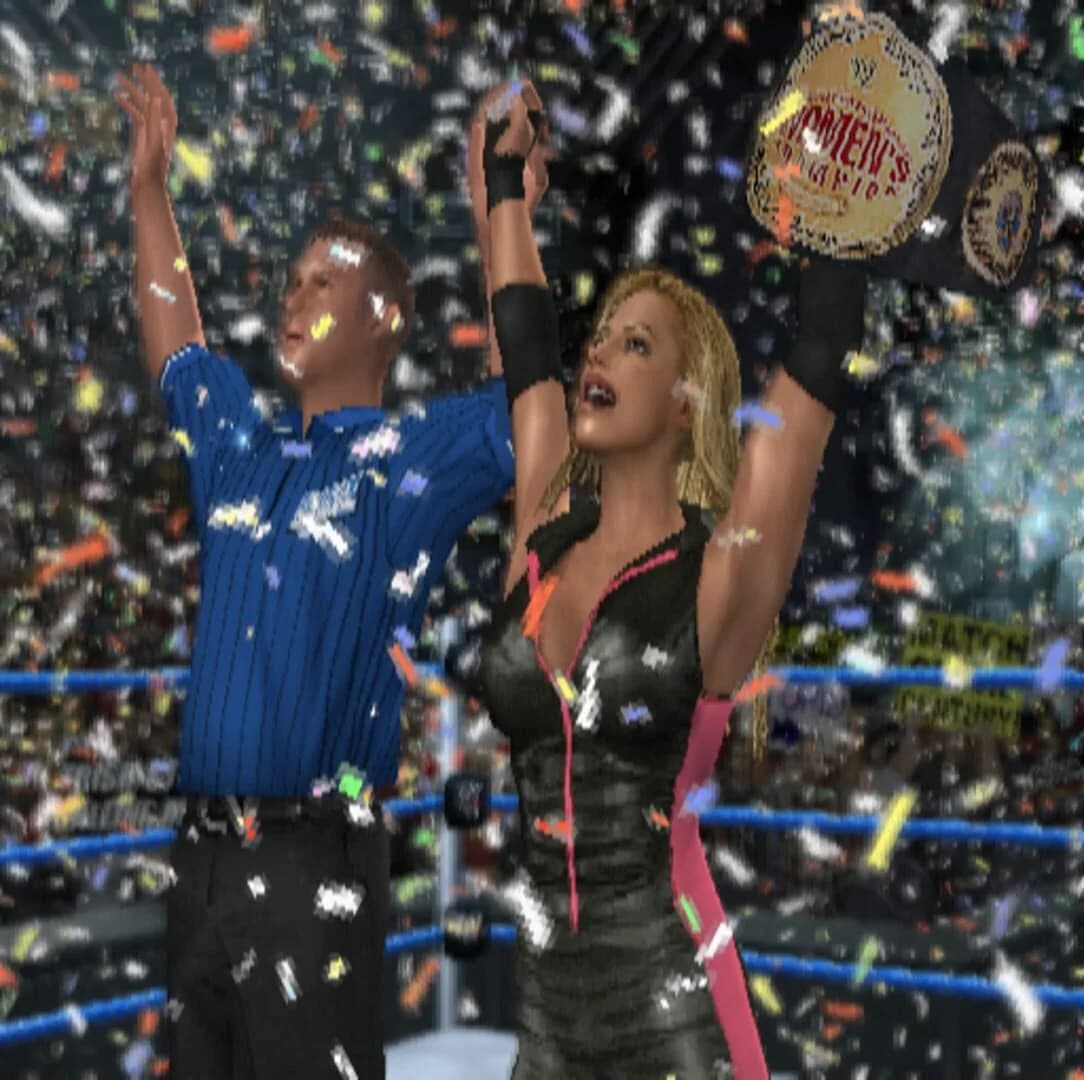
Universe mode and the creation suite still have that dangerous time-warp quality if those are your thing. MyRise also feels more streamlined than some past career-mode attempts that got too lost in their own cutscene logic. There is enough here to keep a dedicated fan busy for a long time, and that matters because yearly wrestling games can start feeling thin if the roster or mode spread is weak. That is not the problem here.
The problem is pace. Menu navigation can feel sluggish. Hub-style wandering and non-match activities interrupt the rhythm rather than support it. I had several moments where a hot match ended, my adrenaline was still up, and the game immediately dropped me into a stretch of dead air. That stop-start feeling hurts more in a wrestling game than it would somewhere else, because wrestling thrives on momentum. 2K26 has momentum in the ring and keeps misplacing it everywhere else.
Ringside Pass is where the whole thing starts feeling a little grubby
The part that really cooled me off was the monetization. Ringside Pass, with its 40-tier battle-pass structure, already feels like the wrong energy for a wrestling game. Once I spent more time around the progression systems, that feeling only got worse. Too much of the economy has that familiar modern sports-game smell where the grind feels tuned to make shortcuts look tempting. I do not need every mode to be generous, but I do need the game to stop making me think about currencies when I am supposed to be thinking about piledrivers.
This stings because the core wrestling is strong enough that it does not need the extra pressure. When reward pacing is awkward, when certain events feel fenced off in ways that push you toward spending, and when a pass system sits there like a second booker trying to hijack the show, it changes the mood of the entire package. Even if a lot of this is technically optional, it still leaves a residue. It makes the game feel more transactional than celebratory.
If you mostly play exhibition, couch multiplayer, Universe, or Showcase, you can wall off a good chunk of this nonsense. That is how I kept my sanity. If MyFaction-style card collecting and steady progression loops are your main reason to buy WWE 2K every year, then 2K26 becomes a much harder sell at full price. The ring action is good enough to earn enthusiasm. The business model keeps interrupting that enthusiasm before it can settle in.
It still scratches that old SmackDown urge, just not in the simple arcade way some of us miss
One thing I kept thinking about while playing was how close 2K26 gets to old-school wrestling-game joy without actually becoming an old-school wrestling game. It is not the breezy pick-up-and-play chaos of SmackDown! vs. Raw 2006. Nobody should go in expecting that kind of immediate arcade snap. But it does remember that wrestling is not just mechanics. It is spectacle, meanness, timing, entrances, crowd noise, and ridiculous environmental violence held together by pure drama.
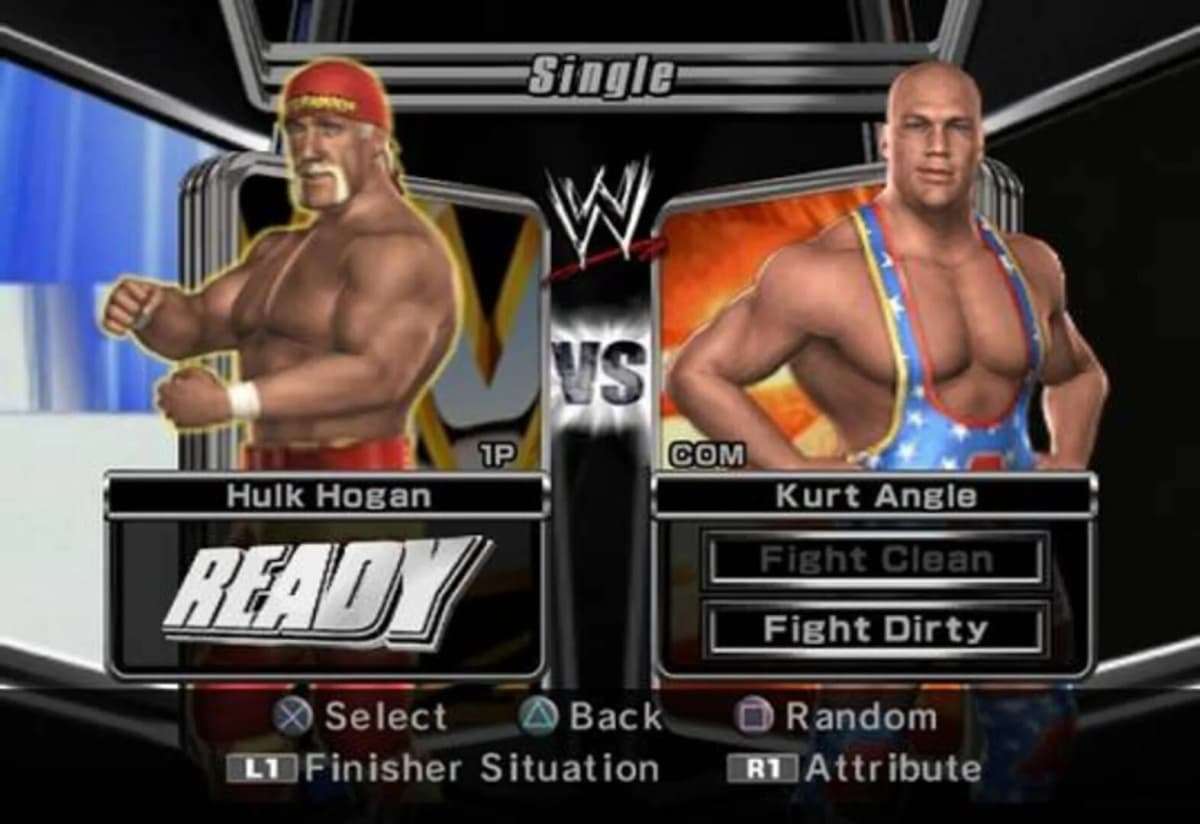
That is why gimmick matches and extra toys matter here. Thumbtacks, flashier brawls, and the general willingness to let matches get theatrical give 2K26 some personality. I had one couch session that went from a fairly straightforward opener to total nonsense in the best possible way, and for a while the game absolutely sang. In those moments, it felt like the series had finally stopped being embarrassed by its own soap-opera excess.
Then I would back out into the slower systems, start brushing against the grind, and the spell would break. That push and pull defines the game better than any single feature list could. WWE 2K26 knows how to make the bell-to-bell part exciting. It just keeps surrounding that success with too much friction.
Who should buy WWE 2K26 and who should wait
If your favorite part of wrestling games is simply setting up matches, playing with friends, running Universe, or tearing through Showcase, there is a lot to like right now. The roster is deep, the ring work has more bite, and the presentation finally feels comfortable being loud and theatrical again. If you skipped the last few entries, the improvements will probably feel bigger too.
If you bought WWE 2K25 and wanted a dramatic leap, this is where things get shakier. A lot of the improvements are real, but many of them are refinements rather than a revolution. Add the sluggish non-match flow and the heavier monetization, and it becomes easy to recommend with an asterisk instead of a full-throated shout. This is a buy for the ring, not for the wrapper around it.
Bottom line
WWE 2K26 is the kind of game that can make you feel fantastic for twenty straight minutes and then annoy you the second you leave the ring. That sounds harsher than it is, because the actual wrestling really is good. The improved collisions, better sense of fatigue, great spectacle, huge roster, and strong CM Punk Showcase give it a heartbeat the series badly needed. The frustration comes from knowing how much cleaner this recommendation would be if the menus moved faster and the monetization backed off.
TL;DR
- Excellent in-ring action with stronger collisions, lively presentation, and memorable environmental spots.
- The stamina-linked reversal system improves match drama but does not fully fix reversal-spam habits.
- CM Punk Showcase is one of the best reasons to play, especially for longtime fans.
- Menus, hubs, and non-match pacing feel sluggish enough to hurt the overall flow.
- Ringside Pass and grind-heavy monetization make full-price recommendations tougher than they should be.
FinalBoss // Gear
Level up your setup
01Top-rated gaming headsetson Amazon→02High-refresh gaming monitorson Amazon→03Gaming chairson Amazon→04Discounted game keyson Kinguin→Affiliate links · As an Amazon Associate, FinalBoss earns from qualifying purchases.
Want to Level Up Your Gaming?
Get access to exclusive strategies, hidden tips, and pro-level insights that we don't share publicly.
Ultimate Reviews Strategy Guide + Weekly Pro Tips