
For most of the Xbox 2026 Showcase, I had the exact reaction Microsoft wanted. I was excited. I was relieved. I was even a little nostalgic, which is a dangerous drug if you grew up on the 360 era and still want Xbox to act like it remembers why people fell in love with the brand in the first place. Then the event ended, the press-release language settled in, and that old irritation came rushing back. This was a strong showcase. It might have been Xbox’s most convincing content lineup in years. And yet the lack of a real PS5 push still stings, because Microsoft keeps asking console fans to feel old-school platform loyalty while refusing to fully commit to old-school platform logic.
That contradiction is the whole story for me. Xbox showed games. Real games. Big names. Legitimate reasons to pay attention. Gears of War: E-Day matters. Clockwork Revolution matters. A deeper bench with reveals like Persona 6, Persona 4 Revival, Wo Long 2: Wings of Ember, and METRO 2039 matters. Fable finally carrying a February 23, 2027 date matters, too, because roadmap credibility is a real issue when your platform has spent years feeling like a cloud of strategy slides instead of a box under a TV. But the showcase also made something painfully clear: Microsoft still sees Game Pass as the answer to almost every strategic question, including the one it keeps dancing around most awkwardly-why buy Xbox hardware over a PS5?
Table of Contents (6)
Yes, this was a genuinely good Xbox showcase
I want to be fair before I get mean, because pretending this showcase was weak would be lazy. It wasn’t. Microsoft explicitly framed the event as proof of “the return of Xbox,” and for once that didn’t sound completely delusional. The lineup had texture. It had variety. It had that feeling of a platform-holder actually wanting to win attention with software rather than with vague ecosystem jargon. The deeper bench was the point. You didn’t have to squint and imagine a future three years away based on a single cinematic trailer and some executive promises. There were multiple hooks for multiple kinds of players, and that matters because Xbox has too often felt like a platform with one or two talking points stretched way past their breaking point.
That’s why the first-party exclusivity messaging landed as well as it did. Gears of War: E-Day and Clockwork Revolution being positioned as Xbox console exclusives gave the show some spine. Even if Microsoft’s broader portfolio still sprawls across PC, cloud, and in some cases rival platforms, those announcements told players that exclusivity is not completely dead at Xbox. That is not a trivial thing. After all the muddy “everything is an Xbox” messaging, the platform badly needed to prove that the console itself still has some identity left.
And frankly, Xbox needed this emotionally as much as strategically. Hype is not just about release calendars. It is about trust and tone. A platform-holder has to make people feel like choosing it means something. This showcase finally did that for a couple of hours. That’s why so many fans walked away energized instead of defensive. There was substance on the screen. There was a future to point to. There was enough there to shut up the “Xbox has no games” crowd, at least temporarily, and that alone is not nothing.
Gears of War: E-Day is the exact kind of signal Xbox needed
If I had to pick the announcement that best captured both Xbox’s strength and Xbox’s problem, it would be Gears of War: E-Day. On paper, this is almost perfect. It is scheduled for October 6, 2026. Microsoft says it is not a timed exclusive, but an Xbox console exclusive. That distinction matters. It tells players this is not some temporary marketing arrangement or a vague “play it here first” footnote. It is a real piece of hardware differentiation in an era when Xbox has often seemed embarrassed to admit that hardware differentiation still matters.
And come on-Gears should matter. This is one of the cornerstone series that built Xbox’s identity. When Xbox is at its best, it is not just shipping content; it is reminding people why specific franchises belong to specific platform histories. A big, loud, blood-and-concrete Gears game as a console exclusive is the kind of message that makes an Xbox fan sit up straighter. It says the box still has teeth. It says the company understands that some games are more than revenue units. They’re symbols.
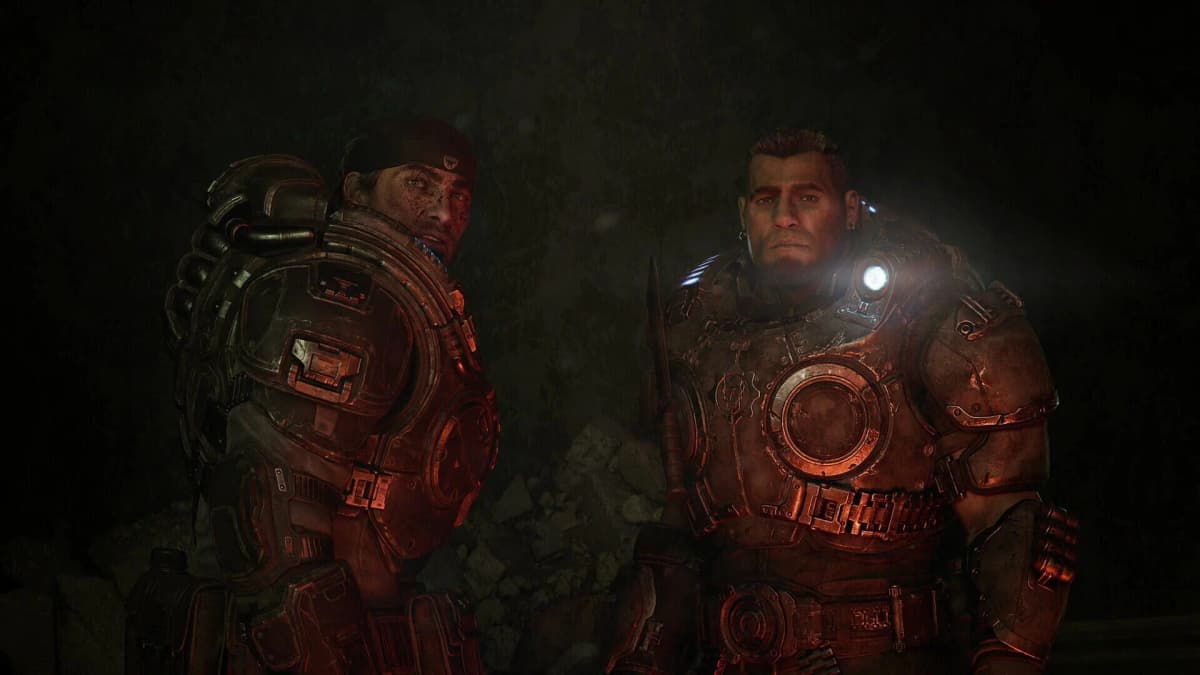
But here’s where the unease creeps back in. One or two symbolic exclusives do not erase years of mixed messaging. They do not magically rebuild the instinctive consumer confidence that PlayStation has cultivated with much less confusion. E-Day is a strong move. I’m genuinely excited for it. I also don’t think it is enough by itself to rewire how people think about buying into Xbox hardware, because the broader strategic picture still feels conditional, flexible, and weirdly noncommittal.
The PS5 non-fight still feels like a self-inflicted wound
This is the part where Xbox defenders usually get touchy, because they hear “push against PS5” and assume people are begging Microsoft to cosplay the 2006 console wars forever. That’s not what I’m saying. I’m saying that if you want to sell a console, you eventually have to make the case that your console is the place some important things live. And Microsoft still refused to make that case cleanly. It said games already announced for multiplatform release would stick to that plan, while continuing to grow Xbox both on console and beyond. That is a corporate hedge dressed up as strategy.
I understand why that wording exists. Xbox wants maximum reach. It wants PC players, cloud users, subscribers, and traditional console buyers all feeling included. It wants the flexibility to put some things elsewhere without looking like it is abandoning its own hardware. It wants the benefits of exclusivity without the total cost of exclusivity. I get the logic. I also think it creates a trust problem that Microsoft keeps underestimating. Players deciding where to spend hundreds of dollars on hardware do not love ambiguity. They do not want to decode philosophy. They want to know what the machine is for.
That’s why the showcase left me split. The content said, “Xbox is serious again.” The strategy said, “Terms and conditions may apply.” If Microsoft wanted this event to be remembered as a line in the sand, it needed to be bolder about console identity. Instead, it gave us a partial correction. Better than before, yes. Clean enough to end the debate, absolutely not.
Game Pass is the explanation, and also the tradeoff
This is where I stop pretending the frustration is simple. Game Pass is not some side detail cluttering the argument. It is the argument. Xbox did not use the showcase to scream about crushing PS5 because its entire business pitch is built around a different value proposition: day-one access, a broad rotating library, subscriber perks, and an ecosystem that tries to make platform boundaries feel less rigid. Even in the showcase recap, that logic was all over the place, down to benefits tied to Game Pass Ultimate for games like Where Winds Meet. Microsoft is still selling convenience and access first.
And if I’m being honest, that works on me more than I sometimes like to admit. If Gears of War: E-Day lands day one in Game Pass, that is a hell of a deal. If Xbox keeps stacking a lineup where first-party titles and high-profile third-party arrivals keep feeding the subscription, that is real consumer value. Not fake value. Not spreadsheet value. Actual, player-facing value. I’m not going to insult my own wallet by pretending otherwise.
But value is not the same thing as platform identity. That is the tradeoff, and Microsoft keeps hoping players won’t notice the emotional cost. Game Pass makes Xbox easier to justify as a service. It does not automatically make Xbox hardware easier to justify as a must-own box. In some cases it does the opposite. If the best way to experience Xbox is “on console and beyond,” then the hardware pitch inevitably weakens, because the sentence itself is telling you alternatives are part of the plan.
That is why the missing PS5 shove still bothers me. Not because I need childish scoreboard nonsense, but because a decisive hardware message would have clarified what Game Pass is supposed to complement rather than replace. Right now, it still feels like the subscription has become the answer to questions it cannot fully solve. It solves access. It solves price pressure on day-one releases. It even solves drought periods better than most individual storefronts. What it does not solve is the basic consumer instinct to know whether a platform-holder truly believes in its own machine.
Microsoft wants the upside of exclusives without the pain of choosing
This connects back to E-Day, because that reveal worked precisely because it felt unusually clear. Xbox console exclusive. Done. No philosophical fog. No long detour into ecosystem poetry. And the moment that kind of clarity appears, it becomes obvious how much Xbox has been starving its audience of it. The company has spent years trying to keep every option open, and that flexibility may be smart in a boardroom, but it is exhausting in public. It makes every announcement feel provisional. It teaches fans to celebrate with a footnote attached.
I don’t need Xbox to imitate PlayStation beat for beat. That would be its own kind of cowardice. But I do need Microsoft to stop acting like choosing a lane is somehow beneath it. The console business is not allergic to clarity. Players can handle it. If some titles are exclusive, say so and stand by it. If some are multiplatform, explain the pattern in human language. If Game Pass is the center of gravity, own the fact that it changes what Xbox hardware means. What gets on my nerves is this halfway posture where Microsoft wants applause from old-school Xbox fans and subscription-era pragmatists at the same time without fully satisfying either camp.
That is why the showcase was both reassuring and annoying. Reassuring because the games were there. Annoying because the company still seems terrified of fully cashing in the momentum those games create. It is like watching someone finally throw a proper punch and then immediately apologize for making contact.
What this means for buying hardware or buying into the ecosystem
I think the player-facing takeaway is pretty straightforward now, even if Microsoft’s messaging isn’t. This showcase gave different kinds of players different answers, and those answers are not equal.
- If someone already owns an Xbox, this was validating. The pipeline finally looks deep enough to justify feeling optimistic instead of defensive.
- If someone plays primarily on PC, Game Pass still looks like the smartest way to benefit from Microsoft’s strategy without caring about the hardware identity crisis at all.
- If someone is choosing one console and wants the clearest long-term platform promise, PlayStation still has the cleaner argument, even after this showcase.
- If someone is on the fence because of Gears of War: E-Day, Fable, and Clockwork Revolution, waiting to see those games ship on time is the sane move. Roadmaps do not count the same as results.
That last point matters more than the post-show glow. Gears of War: E-Day having a real date is huge. Fable having a real date is huge. But Xbox has lived off future promises before, and “this time the roadmap is real” only becomes meaningful when the roadmap survives contact with reality. A showcase can restore interest. Only releases restore belief.
FinalBoss // Gear
Level up your setup
01Best-selling Xbox Series X|S gameson Amazon→02Xbox controllerson Amazon→03Top-rated gaming headsetson Amazon→04Discounted game keyson Kinguin→
Affiliate links · As an Amazon Associate, FinalBoss earns from qualifying purchases.
Want to Level Up Your Gaming?
Get access to exclusive strategies, hidden tips, and pro-level insights that we don't share publicly.
Ultimate Gaming Strategy Guide + Weekly Pro Tips