
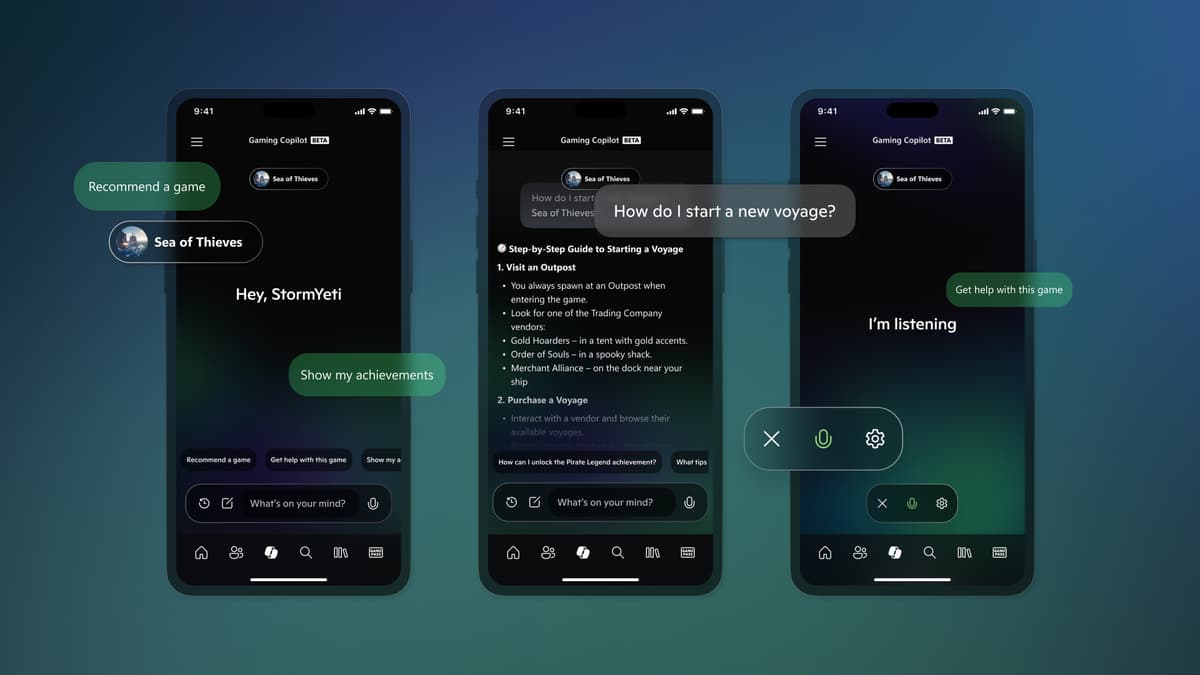
This caught my attention because a 45% year-over-year jump in cloud hours isn’t a marketing footnote – it’s a signal that streaming games is moving from novelty to normal. Microsoft says Game Pass members streamed 45% more cloud gaming hours, console cloud streaming rose 45%, other devices rose 24%, and Xbox Cloud Gaming 1.0 rolled out in October 2025 with up to 1440p quality. Those are real changes that affect how you play, what hardware you buy, and how developers prioritize delivery.
On paper the growth story is clean: big jumps in streamed hours and rising monthly active users. But there are a few things to read between the lines. Microsoft is counting Game Pass members who used cloud features — that includes people who streamed a single session to try a game. Raw hours are useful, but they don’t tell us how many players switched exclusively to cloud instead of downloading games or buying consoles.
Still, the scale matters. Hitting hundreds of millions of streaming hours in 2024 and reporting millions of Game Pass subscribers by mid-2025 means cloud play has enough traction to influence investment decisions. The October 2025 1.0 roll‑out bumped quality to up to 1440p; that’s not 4K, but it’s a meaningful step up from the early, blurry mobile streams. Expansion into India also shows Microsoft chasing growth where traditional console sales are weaker — cheaper devices plus decent mobile broadband equals opportunity.
“Why now” comes down to three converging trends: better streaming tech, broader mobile bandwidth, and a subscription model that bundles content and cloud access. Microsoft has leaned into day-one releases on Game Pass — that’s a major incentive to stream rather than wait or buy. For players with limited hardware budget, cloud streaming finally offers legitimate access to big AAA titles.
Microsoft’s push forces a choice for competitors: invest heavily in cloud infrastructure or double down on exclusive hardware and experiences. For developers, cloud-first availability can increase reach but also compresses revenue models — day-one Game Pass releases still spark debate in the studio community about long-term returns. For gamers, the upside is clear: more doors open to try premium games without a big upfront hardware buy.
I’m skeptical about a few claims. Streaming numbers are impressive, but I want to see retention data: how many players moved to cloud permanently? And how resilient is the experience under congested home networks? Microsoft’s improvements matter, but latency and regional server availability remain the practical limits for many players.
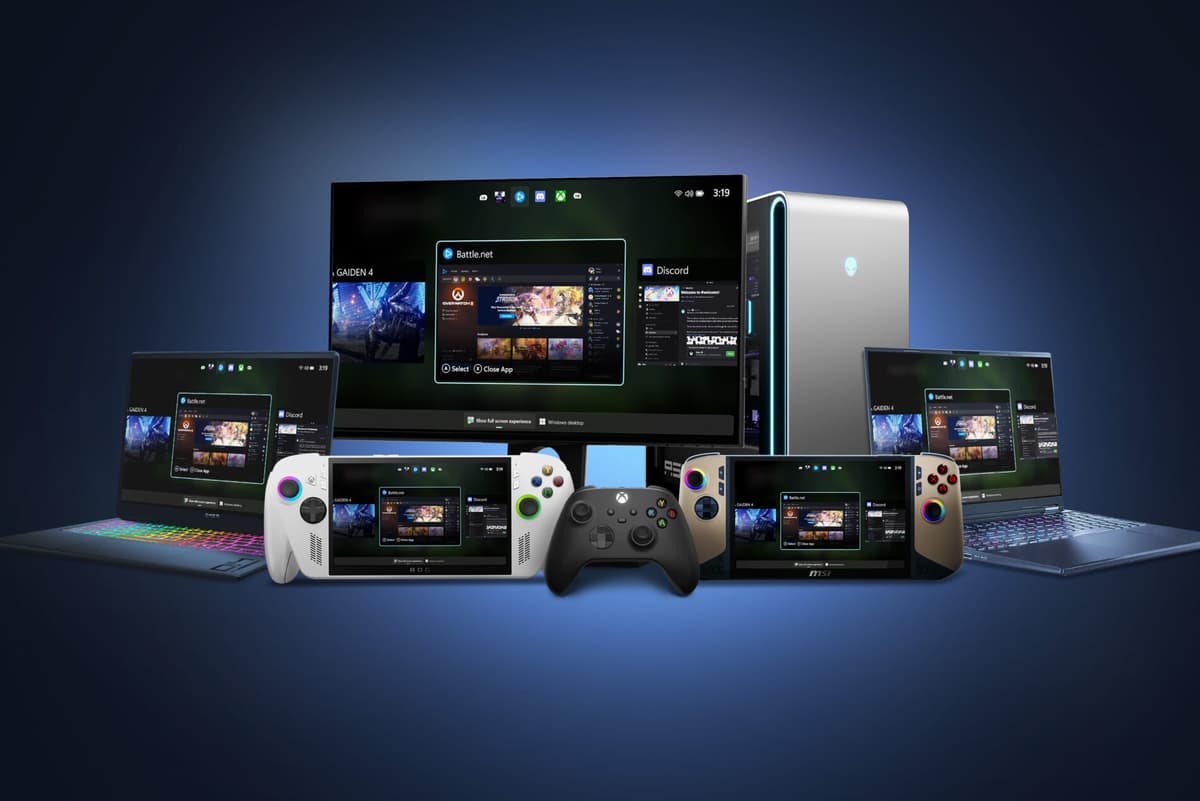
Xbox Cloud Gaming’s surge is real and consequential: better quality, wider availability, and Game Pass bundling make streaming a practical option for many players. But it’s not a full replacement for local hardware yet — expect great convenience and occasional compromises in latency and fidelity. If you’re curious, try streaming with Game Pass Ultimate; if you’re competitive or image‑obsessed, keep a local install handy.
Get access to exclusive strategies, hidden tips, and pro-level insights that we don't share publicly.
Ultimate Gaming Strategy Guide + Weekly Pro Tips