
This is Microsoft admitting the obvious: Game Pass got too expensive, and the fix comes with a very familiar catch. Xbox has dropped Game Pass Ultimate from $29.99 to $22.99 a month and PC Game Pass from $16.49 to $13.99, but future Call of Duty games are no longer hitting the service on day one. Starting with the next annual CoD, subscribers wait until the following holiday season – roughly a year later. So yes, the price is down. The value proposition is down too. That’s the trade, and pretending otherwise would be PR cosplay.
Table of Contents (7)
Key takeaways
- Microsoft didn’t “restore” Game Pass value; it partially rolled back a pricing move that clearly hurt more than it helped.
- The real policy change is not the discount. It’s that Call of Duty is no longer being used as a day-one subscription weapon.
- The math is neat on purpose: yearly savings on the lower Ultimate price land in the same neighborhood as buying one new CoD outright.
- This looks less like generosity and more like Xbox separating “great catalog subscription” from “instant access to the biggest shooter on the market.”
This is a retreat, not a victory lap
New Xbox CEO Asha Sharma said Game Pass had become “too expensive,” which is refreshingly blunt by executive standards. She’s not wrong. But let’s not rewrite the timeline here: these new prices still don’t return the service to its October 2025 levels. Ultimate had been $19.99 back then, and PC Game Pass sat at $11.99. After a brutal hike, Microsoft has now backed off partway. That’s not a consumer-friendly reset. That’s a correction after the market told Xbox it pushed too far.
And when platform holders correct, they usually claw back value somewhere else. Here, the “somewhere else” is obvious. Call of Duty was supposed to be one of the clearest post-Activision reasons to believe in Game Pass as a premium gaming subscription. Day-one access to one of the biggest annual releases in the industry wasn’t just a perk; it was the sales pitch. Taking that off the table matters more than the monthly number on the checkout screen.
The uncomfortable observation Xbox would rather glide past is this: if the service becomes cheaper by removing the most commercially dangerous part of the offer, then Game Pass is becoming easier to sustain precisely because it’s becoming less disruptive.
Call of Duty was too valuable to leave inside the subscription bargain bin
This is the part most press-release rewrites won’t say plainly enough. Microsoft now owns Call of Duty, but owning an annual monster franchise and giving it away on launch day are two very different business decisions. CoD is one of the few series still capable of selling tens of millions at full price, driving hardware engagement, and vacuuming up attention every fall whether the broader market is healthy or not.
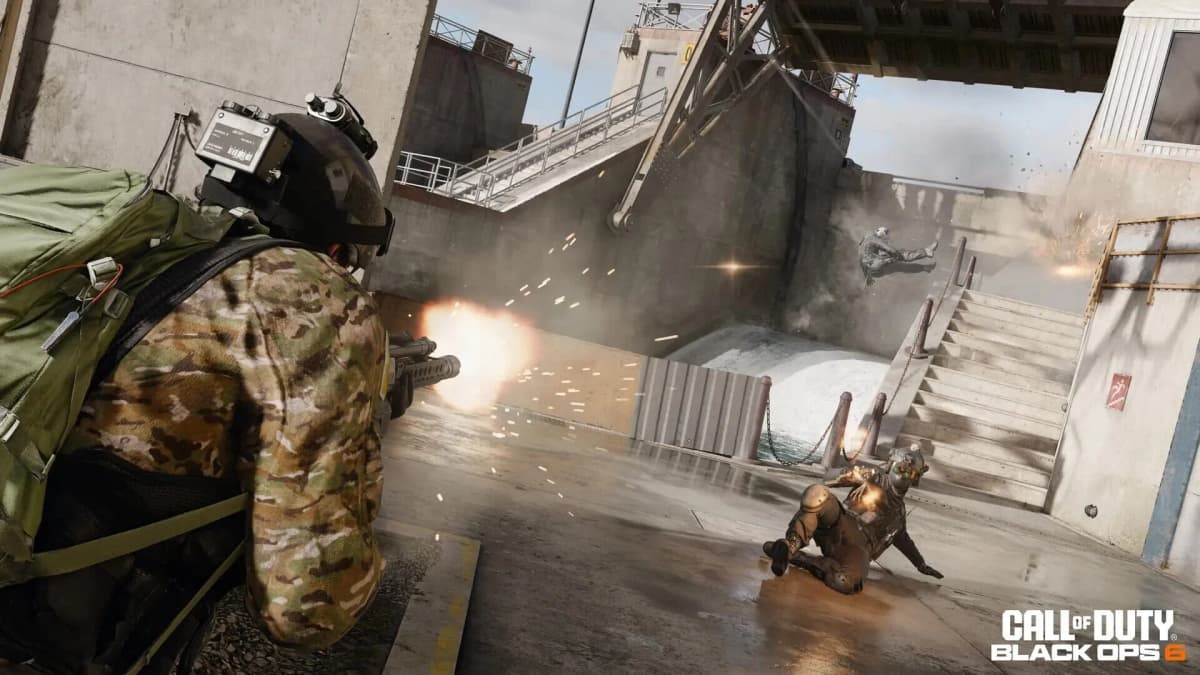
Putting that inside a $22.99 subscription was always a stress test. Maybe it brought people in. Maybe it slowed cancellations. But it also trained customers to expect the industry’s safest premium seller as part of a monthly buffet. That’s fantastic for subscribers and a lot less fantastic if you’re trying to preserve direct software revenue on a franchise that practically prints it.
If I were in the room with Xbox PR, the question would be simple: what internal number changed your mind? Was it subscriber churn after the price hike, weaker-than-hoped conversion from CoD into long-term Game Pass members, or the realization that the franchise earns more by standing outside the service at launch? Because this move has fingerprints all over it. Someone looked at the spreadsheets and decided CoD works better as a delayed catalog add than as a day-one loss leader.
That also tells us something bigger about the old “everything first-party, day one, forever” Xbox pitch. It sounded revolutionary when the company needed a sharp identity against Sony. It sounds a lot more negotiable now that Microsoft is managing a larger portfolio, higher costs, and the reality that not all first-party releases are equal. A quirky prestige title can juice a subscription. Call of Duty can distort the entire model.
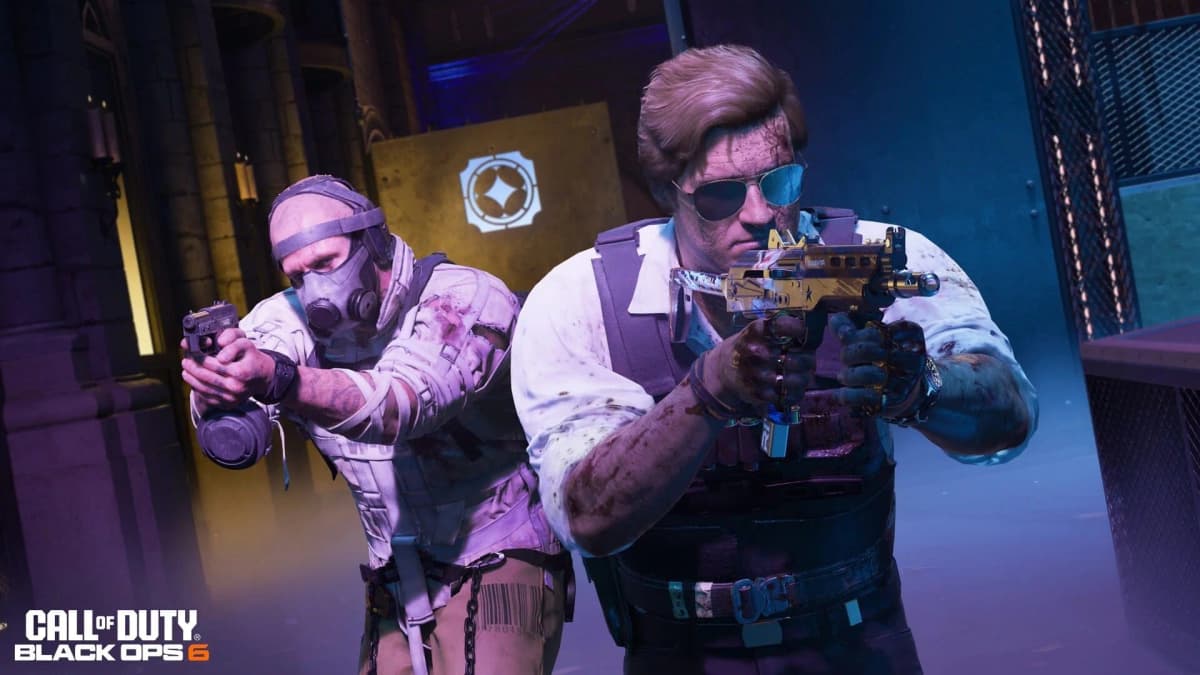
The price cut is carefully designed to make the loss feel acceptable
There’s a reason this announcement lands as one package. Cut Ultimate by $7 a month and you save $84 over a year. That is awfully close to the cost of buying one new AAA game at launch, including the yearly CoD everyone immediately thought about. It’s elegant. Almost suspiciously elegant. Microsoft isn’t just reducing prices; it’s reframing the purchase decision.
The new pitch is basically this: keep your subscription for the catalog, the cloud perks, and the broad library value – and if you care about Call of Duty at launch, buy it separately like you used to. A year later, it drops into Game Pass for the broader audience that can wait. Existing CoD titles already on the service remain playable, which helps soften the blow, but that doesn’t change the strategic shift. Game Pass is being repositioned away from “the place where Xbox’s biggest games launch” and toward “the place where Xbox content matures.”
That may actually be sustainable. It may even be sensible. But it’s not the same promise. And gamers are right to notice when a promise becomes a footnote.
Why this matters beyond one shooter
When a platform holder blinks on its biggest content experiment, the ripple effect goes wider than one franchise. This is Microsoft signaling that even after spending absurd money to bulk up first-party publishing, there are limits to how aggressively subscription economics can eat traditional sales. That matters for every future conversation about what “day one” means on Game Pass, especially for the most expensive, broadest-appeal releases.
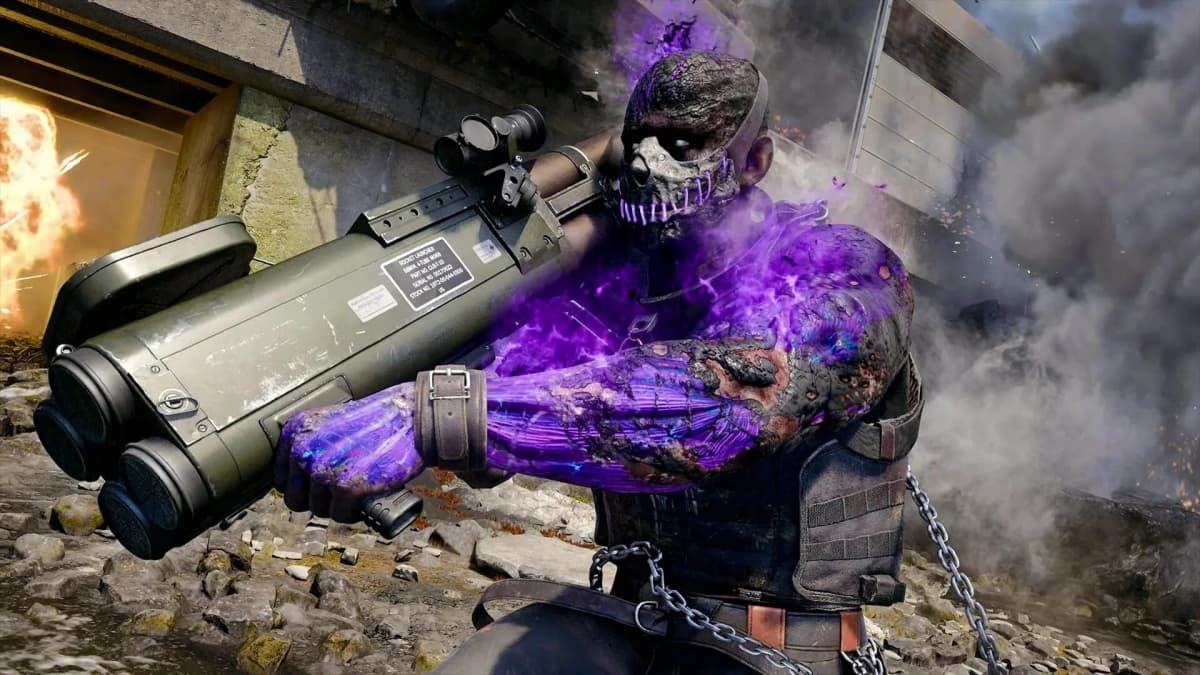
It also matters because the industry has spent years chasing the idea that subscriptions could become the default center of gaming consumption. They can be a major pillar. They can be a strong value play. But they still break differently when blockbuster economics enter the room. Movies trained people to think all content eventually collapses into one monthly fee. Games keep reminding executives that interactivity, live-service monetization, annualized franchises, and platform strategy make the equation messier.
In that sense, this isn’t really a Call of Duty story. It’s a ceiling story. Xbox just showed us where one of its ceilings probably is.
What to watch next
- Watch the next Xbox earnings cycle for any mention of Game Pass subscriber momentum after the price cut. If growth doesn’t rebound, this rollback won’t be the last adjustment.
- Watch whether Microsoft keeps other tentpole first-party games on true day-one Game Pass while carving out exceptions only for CoD. That tells us whether this is a franchise-specific move or a broader policy pivot.
- Watch the launch sales of the next Call of Duty. If they materially outperform the day-one-on-subscription era, Microsoft will have its answer.
- Watch how quietly or loudly Xbox markets the “following holiday season” timing. If that phrase starts appearing more often, delayed subscription windows may become the new normal for premium releases.
TL;DR
Xbox cut Game Pass Ultimate and PC Game Pass pricing, but future Call of Duty releases will no longer arrive on the service at launch. The real story is that Microsoft has decided CoD is too valuable to keep using as a day-one subscription battering ram. My verdict: the lower price is welcome, but this is still a net reduction in what Game Pass means – and that matters more than the discount.
FinalBoss // Gear
Level up your setup
01Best-selling Xbox Series X|S gameson Amazon→02Xbox controllerson Amazon→03Top-rated gaming headsetson Amazon→04Discounted game keyson Kinguin→Affiliate links · As an Amazon Associate, FinalBoss earns from qualifying purchases.
Want to Level Up Your Gaming?
Get access to exclusive strategies, hidden tips, and pro-level insights that we don't share publicly.
Ultimate Editor's Pick Strategy Guide + Weekly Pro Tips