
Price cuts usually read as good news. This one reads more like an admission. Microsoft has dropped Xbox Game Pass Ultimate in the US from $29.99 to $22.99 per month and lowered PC Game Pass from $16.49 to $13.99, reversing a chunk of the October 2025 hike after barely six months. But the trade-off is the part that matters: future Call of Duty releases will no longer hit Game Pass on day one, instead arriving around the following holiday season. That is not a minor catalog tweak. It is Microsoft effectively conceding that the most expensive piece of its first-party pipeline was warping the economics of the whole service.
Table of Contents (7)
Key takeaways
- Microsoft cut Game Pass Ultimate by roughly 23% in the US, from $29.99 to $22.99, with PC Game Pass also dropping to $13.99.
- The rollback comes just months after a major increase, which suggests the previous pricing move landed badly enough to force a rapid correction.
- New Call of Duty games losing day-one Game Pass status is the real story, because it shows Microsoft is now protecting premium sales over subscription optics.
- Older Call of Duty entries remain playable on the service, so this is not a full retreat from Activision Blizzard integration. It is a selective one.
This is a price cut, but it is really a strategy reset
Microsoft’s line is that the changes respond to feedback. Fine. The more useful reading is that the company overreached, then had to unwind part of the damage. Game Pass had just absorbed a steep increase in late 2025, with Ultimate jumping to $29.99 after previously sitting at $19.99. That was not a small adjustment. That was a test of how much pricing power the Xbox ecosystem actually has once the novelty of “all these games in one place” starts running into household-budget reality.
The answer appears to be: less than Microsoft hoped. If you push a subscription too far, consumers stop evaluating it as a bundle and start evaluating it as a bill. At $30 a month, Game Pass Ultimate was drifting out of impulse territory and into the same mental category as a separate entertainment service that needs to justify itself every single month. That is a different fight, especially when Xbox’s recent first-party cadence has not exactly been operating at the level required to make a premium subscription feel untouchable.
So yes, something got cheaper. But it got cheaper because the previous number was not holding. Reports and background coverage have pointed to internal concern that Game Pass had simply become too expensive. Microsoft did not wake up and rediscover generosity. It recalculated.
Call of Duty was supposed to justify Game Pass. Instead, it exposed the limit
The uncomfortable observation here is simple: the biggest content weapon in Xbox’s arsenal appears to have been too costly to keep using as a day-one subscription perk. That matters more than the price cut itself. Microsoft spent years training the market to see Game Pass as the place where first-party games just show up. That promise was not decorative. It was the core identity of the service.
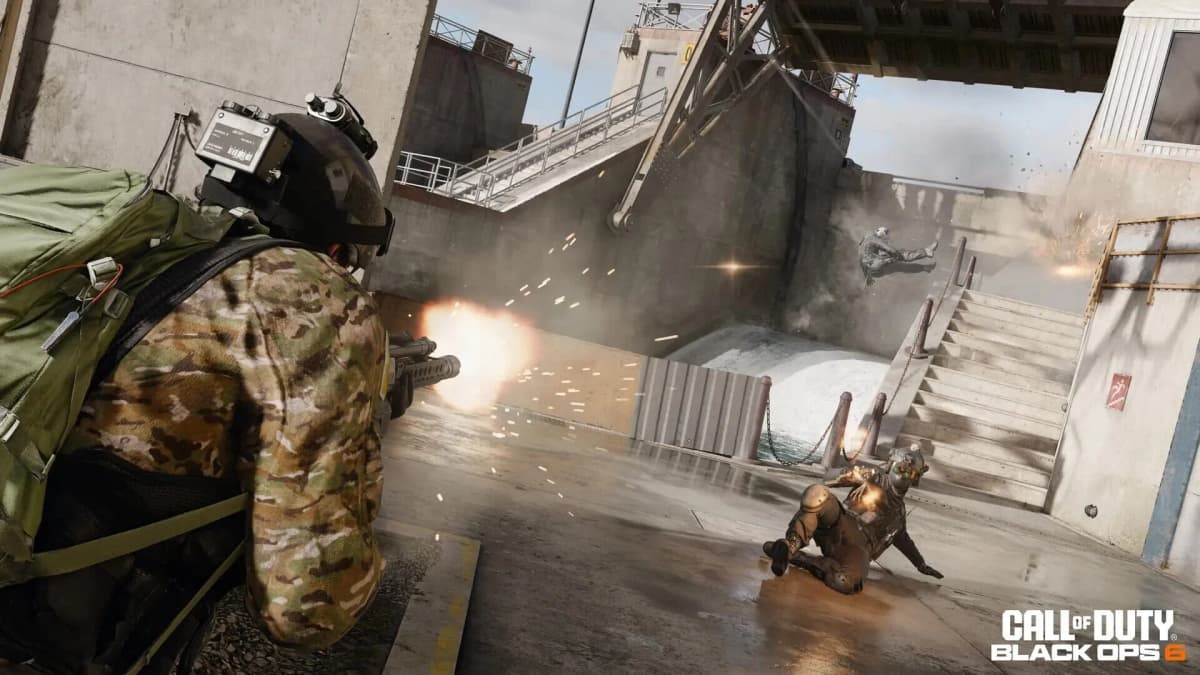
Now the company is drawing a line around Call of Duty, the one franchise big enough to distort conversion, retention, and revenue assumptions all by itself. If future entries are delayed by roughly a year before entering the catalog, Microsoft is making a very plain statement: millions of players are still willing to buy Call of Duty outright, and that premium sell-through is worth more than whatever subscription bump day-one inclusion creates.
That is not shocking if you have watched the series for more than five minutes. Call of Duty is not some mid-tier prestige game used to pad out a value proposition. It is one of the few annualized releases still capable of commanding full-price attention at scale. The idea that you could drop a game like that into a subscription indefinitely without creating ugly revenue trade-offs always felt more like platform-war theater than stable business design.
If I were in the room with Microsoft PR, the question would be blunt: was day-one Call of Duty ever sustainable, or was it mainly useful as an acquisition-era talking point? Because this reversal makes it look a lot like the latter.
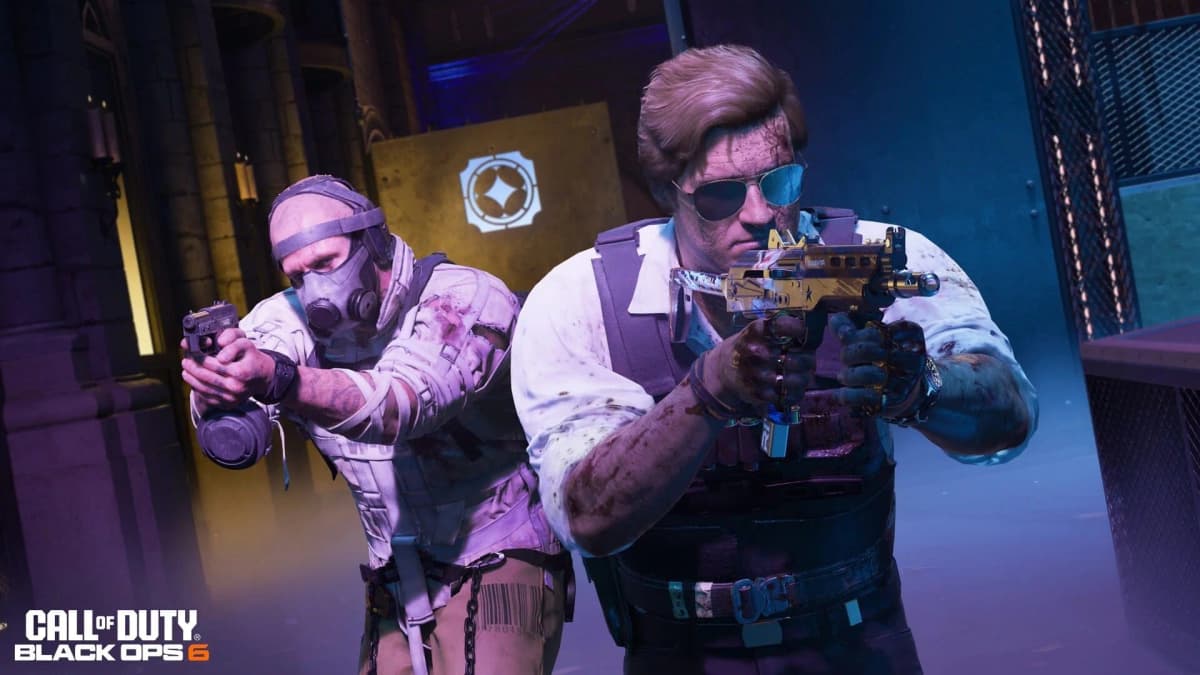
The old “day one forever” narrative was always going to meet accounting
There is a broader pattern here, and it is not unique to Xbox. Subscription businesses love a growth story. They are less fond of the moment when growth has to become margin. That is where strategy gets less romantic. Perks narrow. Premium exceptions appear. The bundle gets more selective. In games, this has been visible for a while: the fantasy version of subscription services promises a future where everything important lands instantly for one monthly fee; the mature version starts deciding which titles are too valuable to give away at launch.
Microsoft is not killing Game Pass. Far from it. The company is trying to make it look sane again. The reduced pricing helps restore some consumer trust after a badly received increase, while delaying new Call of Duty releases protects one of the few guaranteed full-price sellers in its portfolio. From a business standpoint, the move is coherent. From a messaging standpoint, it is messy, because it chips away at one of Xbox’s cleanest competitive claims.
That is the trade. Lower friction on the subscription. Higher friction on the crown-jewel release. Microsoft would clearly rather lose a slogan than keep bleeding value through a franchise that prints money outside the bundle.
What this means for Black Ops 6 Season 4 and the wider CoD machine
The headline is framed around Call of Duty: Black Ops 6 and its live-service momentum, but the season itself is almost beside the point here. Seasonal updates keep the machine warm; they do not answer the larger distribution question. Existing and older Call of Duty titles staying on Game Pass means Microsoft still wants the franchise visible inside the ecosystem. Players can sample the back catalog, stay engaged with prior entries, and remain connected to the brand. What Microsoft no longer wants to do is use the newest release as a day-one value bomb.
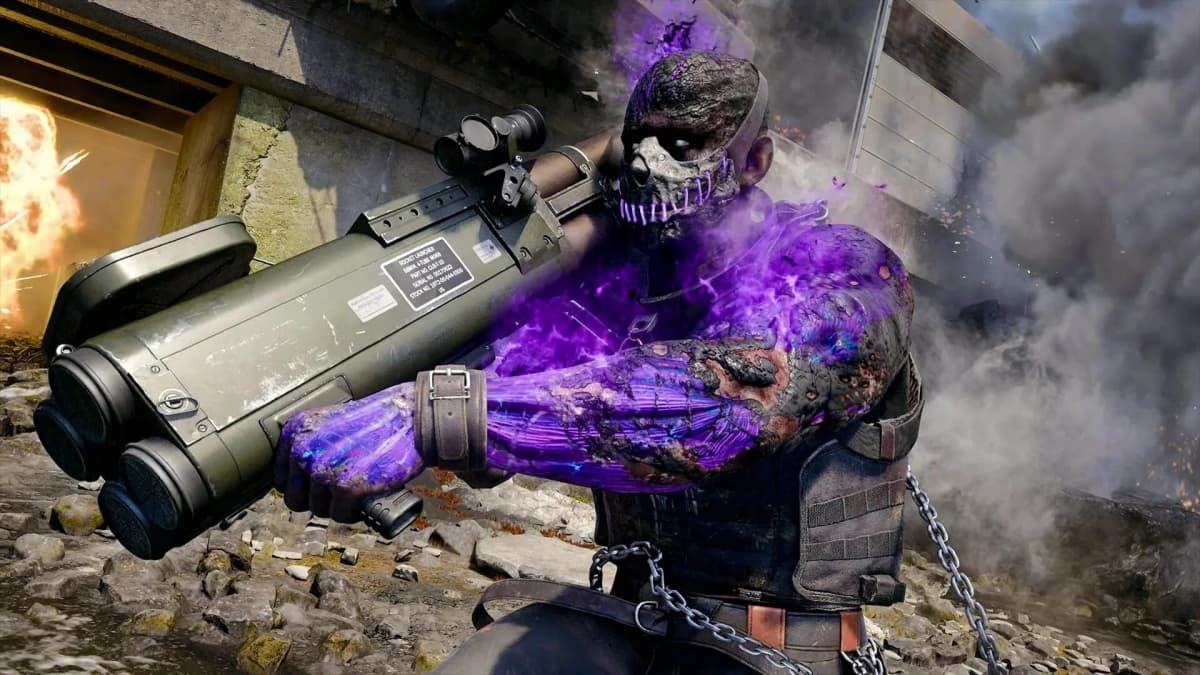
That distinction matters. It suggests Xbox sees Game Pass as a funnel for engagement and long-tail retention, not necessarily as the preferred launch vehicle for every major Activision release. In other words: catalog presence is fine, premium launch monetization is better. For a franchise built around yearly releases, battle passes, cross-platform play, and relentless player carryover, that may be the compromise Microsoft believes it can get away with.
The risk is not immediate player collapse. Call of Duty is too entrenched for that. The risk is narrative drift. Xbox spent years convincing its audience that first-party ownership plus Game Pass created a uniquely consumer-friendly model. Every carveout weakens that framing, even when the underlying economics make perfect sense. Once exceptions start, people watch for the next exception.
What to watch next
- Watch whether Microsoft keeps the delayed-release policy limited to Call of Duty or expands it to other high-value releases. If this becomes a one-franchise exception, the messaging damage is containable. If it spreads, the model is changing more fundamentally.
- Watch subscriber commentary after the next billing cycle. Existing users are supposed to see the lower pricing reflected from April 22 onward, and real sentiment there will tell you whether the cut actually repairs goodwill.
- Watch the next holiday release window for the new Call of Duty. If Microsoft leans heavily on full-price sales language and soft-pedals Game Pass in the marketing, that will confirm where the revenue priority now sits.
- Watch whether Xbox leadership frames this as a consumer correction or as a more durable subscription philosophy. The wording matters, because one is a patch and the other is a doctrine.
TL;DR
Microsoft cut Game Pass Ultimate and PC Game Pass pricing after last year’s aggressive increase, but removed day-one access for future Call of Duty launches. The important part is not that Game Pass got cheaper; it is that Xbox decided Call of Duty was too valuable to keep using as a launch-day subscription incentive. The next signal worth watching is whether this stays a CoD-only exception or becomes the template for how Xbox handles other premium first-party games.
FinalBoss // Gear
Level up your setup
01Best-selling Xbox Series X|S gameson Amazon→02Xbox controllerson Amazon→03Top-rated gaming headsetson Amazon→04Discounted game keyson Kinguin→Affiliate links · As an Amazon Associate, FinalBoss earns from qualifying purchases.
Want to Level Up Your Gaming?
Get access to exclusive strategies, hidden tips, and pro-level insights that we don't share publicly.
Ultimate Editor's Pick Strategy Guide + Weekly Pro Tips