
Xbox’s ‘Contraband’ Pause: A Warning for Bold AAA Risks
Game intel
Contraband
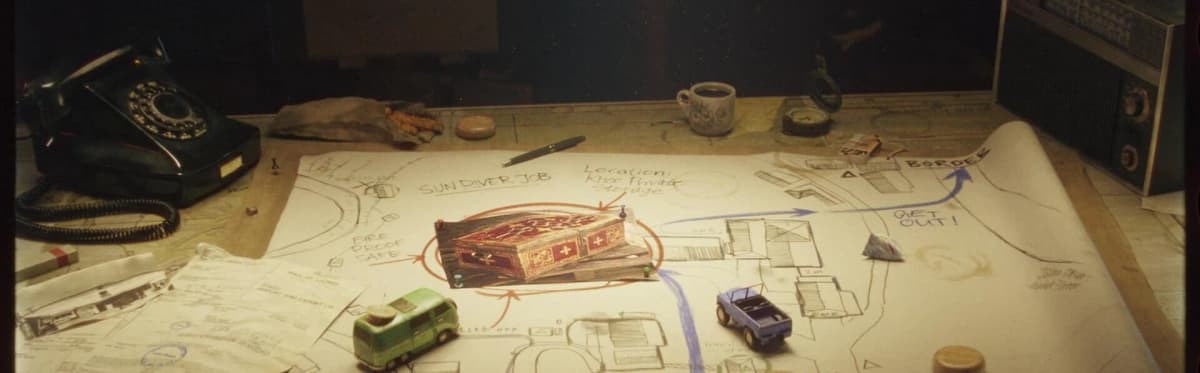
Welcome to Contraband, a co-op smuggler’s paradise set in the fictional world of 1970s Bayan.
This one stings, but the warning signs were all there. After four years of radio silence, multiple rounds of layoffs, and zero gameplay reveals, the writing was on the wall for Contraband—the open-world co-op heist from Avalanche Studios (yes, the Just Cause folks). Bloomberg’s Jason Schreier delivered the news that Xbox has officially “paused” development, a classic corporate euphemism that, in 2024, usually means “never going to see the light of day.”
- Why are big, bold Xbox exclusives trending toward the chopping block?
- Even Avalanche’s sandbox cred couldn’t save this ’70s-era heist dream.
- Mass layoffs and quiet studio closures point to Xbox’s risk-averse pivot.
- For fans craving co-op innovation, the future looks a lot thinner.
A Bleaker Outlook for Bold Exclusives
In theory, Microsoft’s studio acquisitions promised creative freedom. Obsidian, Ninja Theory, Bethesda—each purchase came with grand promises about daring new IPs and genre-bending experiences. Yet in practice, every quarter brings whispers of “paused” or “reassessed” projects. When those whispers become headlines, it exposes a growing contradiction: the more studios Microsoft picks up, the fewer truly original exclusives actually ship.
Why Contraband’s Demise Resonates
Contraband wasn’t a back-of-the-room side project. It was positioned as a marquee Xbox exclusive, tapping Avalanche’s reputation for over-the-top open worlds. Just Cause showed us how to launch cars into orbit; Rage 2 layered in neon pop and mid-air sandbox chaos. A co-op heist game set in the 1970s, complete with period muscle cars and sultry jazz radio, sounded like Avalanche’s perfect next big hit.
When that first teaser trailer landed in 2021, we got a taste of tropical archipelagos, synchronized vault breaks, and long-shot sniping from a speedboat. But after the hype wave, the silence was deafening. No gameplay demos. No developer diaries. Just sporadic PR statements: “We’re evaluating our roadmap.” For a studio that thrived on momentum, this evaporated any trust players had in a timely release.
The High Stakes of Heist Design
Designing a compelling co-op heist is no easy feat. Developers must balance emergent gameplay—letting players improvise tactics—with scripted set pieces that deliver cinematic punch. Imagine coordinating an AI-driven distraction while a teammate cracks a vault door mid-heist. That level of orchestration demands robust netcode, a polished physics engine, and a scenario editor capable of infinite permutations.
It’s precisely that complexity that can stretch production timelines into years of “stealth mode.” Refining guard AI, ensuring seamless drop-in/drop-out co-op, and layering period authenticity over open-world systems adds up. Yet when those systems don’t publicly tick through key milestones—vertical slices, alpha tests, community playtests—skepticism grows. Developers need to show their work as much as deliver the final product.
Avalanche Under the Microscope
Avalanche Studios isn’t alone in weathering industry turbulence. Over recent years, the team has faced staff cuts, restructuring, and rumors of prototypes that never left internal labs. It’s a reminder that even veteran developers with proven franchises can struggle under shifting corporate priorities and budget scrutiny.
Morale takes a nosedive when layoffs come mid-development. Remaining staff juggle extra responsibilities, deadlines shift, and burnout spikes. Instead of riskier creative bets, teams circled back to safer, proven formulas—ironically the opposite of what made us excited for Contraband in the first place.
Xbox’s Balancing Act: Innovation vs. Profit
Microsoft’s acquisition strategy was pitched as a renaissance for Xbox exclusives. Instead, we’re seeing a tilt towards live-service titles and annualized sequels—projects with predictable revenue through Game Pass subscriptions. Original IPs? They’re a line item too often deemed “expendable” when projections tighten.
Take other paused projects like the Everwild fantasy adventure or the long-awaited Perfect Dark revival. Each promised fresh experiences, yet neither has escaped indefinite hold. When corporate goals hinge on quarterly forecasts rather than creative roadmaps, bold experiments become collateral damage.
Want to Level Up Your Gaming?
Get access to exclusive strategies, hidden tips, and pro-level insights that we don't share publicly.
Ultimate Gaming Strategy Guide + Weekly Pro Tips
What This Means for Co-Op Heist Games
The co-op heist subgenre brims with potential. Titles like Payday and GTFO scratched the surface of tension and teamwork, and Sea of Thieves showed us that player-driven emergent moments can define a game’s legacy. Contraband aimed to push these ideas further with modular mission structures, dynamic security systems, and handcrafted vault scenarios.
Without a major AAA studio dedicating millions to R&D, those innovations rarely surface. Indie developers are picking up the slack, but few have the budget for large-scale world streaming or sophisticated AI. For players hungry for high-production-value heists, options remain limited to established franchises cycling through annual updates.
Fan Frustration and Community Response
On forums and social channels, fans aren’t hiding their disappointment. Community theories ranged from Avalanche pivoting to live-service DLC, to Xbox reallocating resources for holiday sequels. Now, with the “pause” official, many feel the narrative has been confirmed: when budgets tighten, creativity is the first casualty.
Some vocal supporters argue for more transparency—regular dev updates, inside looks at build progress, or open betas. Others suggest a crowdfunding model for high-ambition projects. While those ideas have merit, they clash with the realities of AAA development, where millions in overhead demand stable funding and publisher oversight.
Prospects for AAA Risk-Takers
Are we witnessing the death of big-budget experimentation? Not entirely. Some publishers outside the Microsoft orbit continue to greenlight daring projects, often in smaller studios or through co-development partnerships. Yet those initiatives are frequently overshadowed by blockbuster sequels and franchise expansions that maximize return on investment.
One silver lining: platforms like Game Pass can lower the barrier for mid-tier hits or episodic content to find audiences without massive marketing spend. However, without marquee AAA showcases, these titles struggle to build hype on the scale Contraband once enjoyed.
Lessons for the Next Generation of Games
Publishers must strike a balance between financial stewardship and genuine creative freedom. A rigid focus on predictable revenue can stifle the very innovation that attracts new subscribers and positive press. Offering safe harbor for high-risk prototypes—complete with transparent milestones—could help sustain a pipeline of originals.
Developers should advocate for clearer milestone communication. Even if details are rough, sharing playable snapshots or community demos builds credibility. Momentum matters; a stagnant project page breeds doubt faster than delays themselves.
Gamers can push for accountability by supporting indie studios experimenting with similar concepts and by demanding more openness from publishers. Pre-order culture has dulled the message that true AAA innovation carries inherent uncertainty.
Conclusion
Microsoft’s “pause” on Contraband likely signals permanent cancellation—and with it, another lost opportunity for co-op innovation at scale. When even Avalanche’s sandbox experts can’t see a project through under today’s constraints, it’s hard to remain optimistic about daring new ideas in AAA gaming. Let this serve as a wake-up call: if stakeholders don’t learn from this misstep, the medium’s next generation risks becoming a repetitive loop of sequels and safe bets—rather than the trailblazing playgrounds we crave.