
Microsoft’s latest Game Pass update is a reminder that the service has fully entered its “trust us, the indies are the point” era. That is not automatically a bad thing. In fact, some of the most interesting additions in this late-April/early-May wave are exactly the kind of oddball, day-one experiments subscription libraries are supposed to make easy to try. But let’s not pretend this is a blockbuster flex. This is Game Pass doubling down on discovery while the back half of April quietly turns into a pretty nasty month for departures.
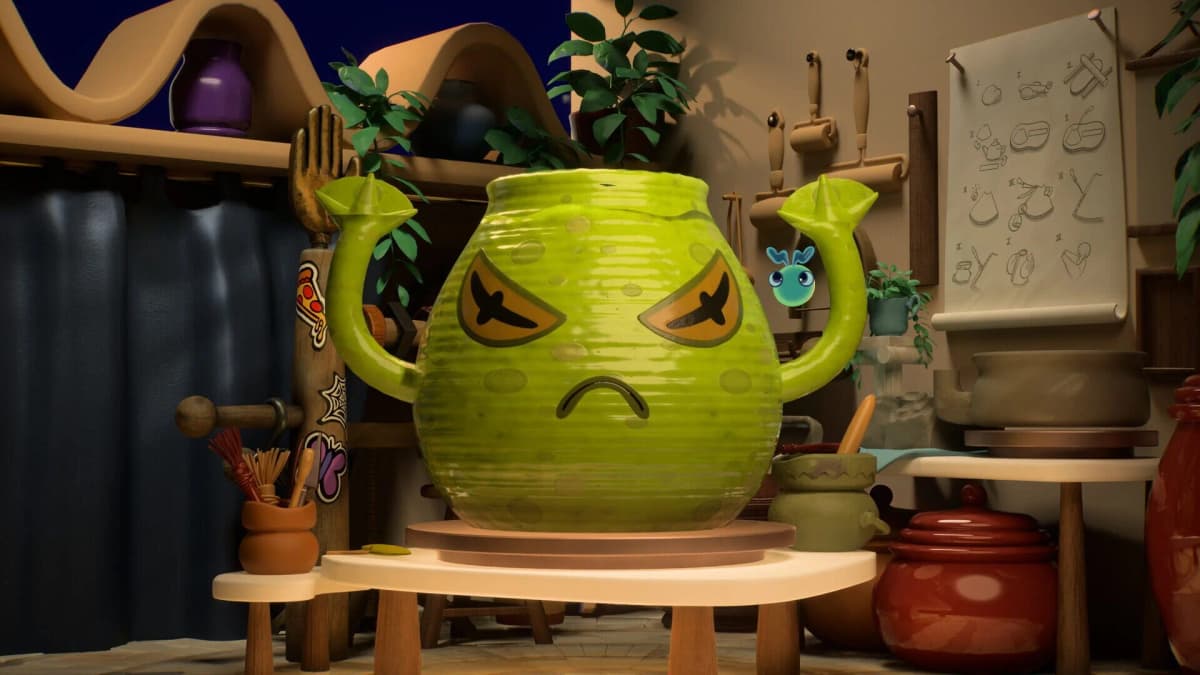
- Kiln is the headline for a reason: Double Fine making a pottery-based party brawler is precisely the kind of thing Game Pass can elevate from “cute indie curiosity” to actual conversation.
- This wave is heavy on niche bets, not mass-market anchors: Aphelion, Vampire Crawlers, Trepang2, and several Game Preview titles make the pitch clear – breadth over obvious mainstream pull.
- The real cost is on the way out: Nine more games leave on April 30, including Citizen Sleeper, Hunt: Showdown 1896, and Dragon Ball Xenoverse 2, after six titles already exited on April 15.
- Final Fantasy V matters more than it looks: Classic catalog additions still do quiet retention work, especially when the flashy new stuff is smaller-scale.
Table of Contents (6)
This isn’t a weak month – it’s a very specific kind of month
The easy read is that Xbox has added another batch of games. The more useful read is that Microsoft is telling you what Game Pass is for right now. And right now, it is less about giant first-party chest-thumping and more about being the safest place in the industry for games that would otherwise struggle to break through the noise.
That’s why Kiln stands out. Double Fine has spent years building goodwill as the studio that can make something strange, handcrafted, and immediately legible even when the pitch sounds ridiculous on paper. A pottery-based party brawler could have easily landed in “fun trailer, disappears in a week” territory. On Game Pass, it gets oxygen. Same story with Aphelion, the new Don’t Nod project, and Vampire Crawlers, which already has the kind of name that tells you exactly how hard it wants to ride the survivors-like wave.
That’s the uncomfortable observation the PR copy won’t say out loud: this wave is built around games that benefit from reduced purchase friction because many players would not have blind-bought them. Again, that is not an insult. It is literally the best argument for a subscription service. But it is a different argument than “look at all the megatons we dropped this month.”
The departure list is where the real value calculation happens
Here’s the part players should actually pay attention to: nine games are leaving Game Pass on April 30, 2026. That list includes Citizen Sleeper, Creatures of Ava, Dragon Ball Xenoverse 2, Endless Legend 2 on PC, Goat Simulator, Goat Simulator: Remastered, Hunt: Showdown 1896, Revenge of the Savage Planet, and NHL 24.
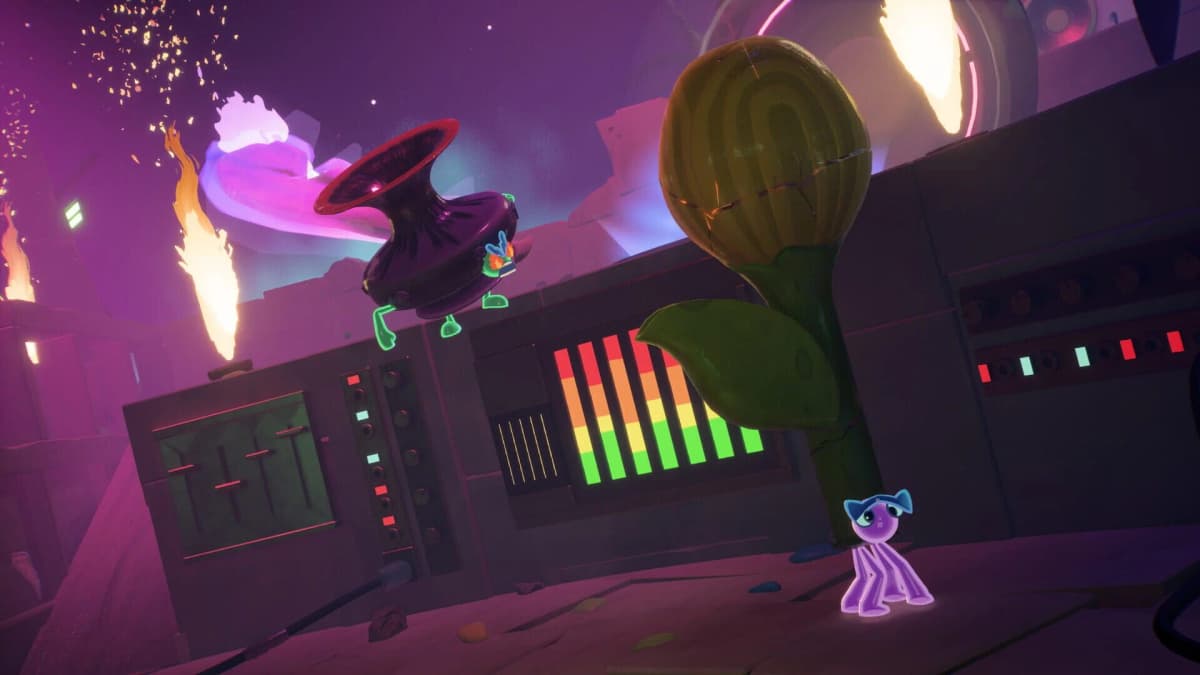
That would already be a meaningful trim. It looks worse once you remember April 15 already took out six more: Grand Theft Auto V, Ashen, Eiyuden Chronicle: Hundred Heroes, My Little Pony: A Zephyr Heights Mystery, and Terra Invicta on PC, among them. That makes 14 departures in one month.
So if you’re trying to judge whether this is a “good” Game Pass update, don’t just count the incoming titles and nod along. Compare what’s entering to what’s disappearing. Citizen Sleeper leaving hurts more than a lot of bigger names would, because it’s one of those library-defining games that helped sell the idea that Game Pass could surface brilliant smaller work. Hunt: Showdown 1896 leaving matters for a different reason: services love to advertise variety, but losing sticky multiplayer games chips away at the habit-forming side of the catalog.
Yes, subscribers can buy departing titles at a 20 percent discount before April 30. That is standard. It is also the usual little reminder that access is not ownership, and Game Pass still works best if you treat it as a rotating tasting menu, not a permanent shelf.
Final Fantasy V is the quiet smart play here
Buried in the wave is Final Fantasy V, arriving on May 5. It’s not the loudest addition, but it may be one of the smartest. Classic RPG catalog drops do a different job than day-one indies: they stabilize the library. They give subscribers something reliable to fall back on when the new-wave experiments aren’t to their taste. And in Square Enix terms, it’s another small but telling sign that Xbox remains willing to win on access even when it can’t always win on exclusivity.
If I were in the room with Microsoft’s PR team, the question I’d ask is simple: are these late-April updates supposed to be discovery tools, retention tools, or cover for a thinner marquee slate? Because the answer is probably “all three,” and gamers are smart enough to notice when a service is changing emphasis.
What this says about Game Pass in 2026
Game Pass has been here before, just in a slightly different costume. There was a time when every monthly refresh was judged by whether it included a giant logo you could slap in a thumbnail. That phase was great for hype, but not always for identity. What Xbox seems to be building now is a service where the pitch is curation and frequency: more day-one indies, more mid-tier oddities, more catalog fillers, more constant turnover.
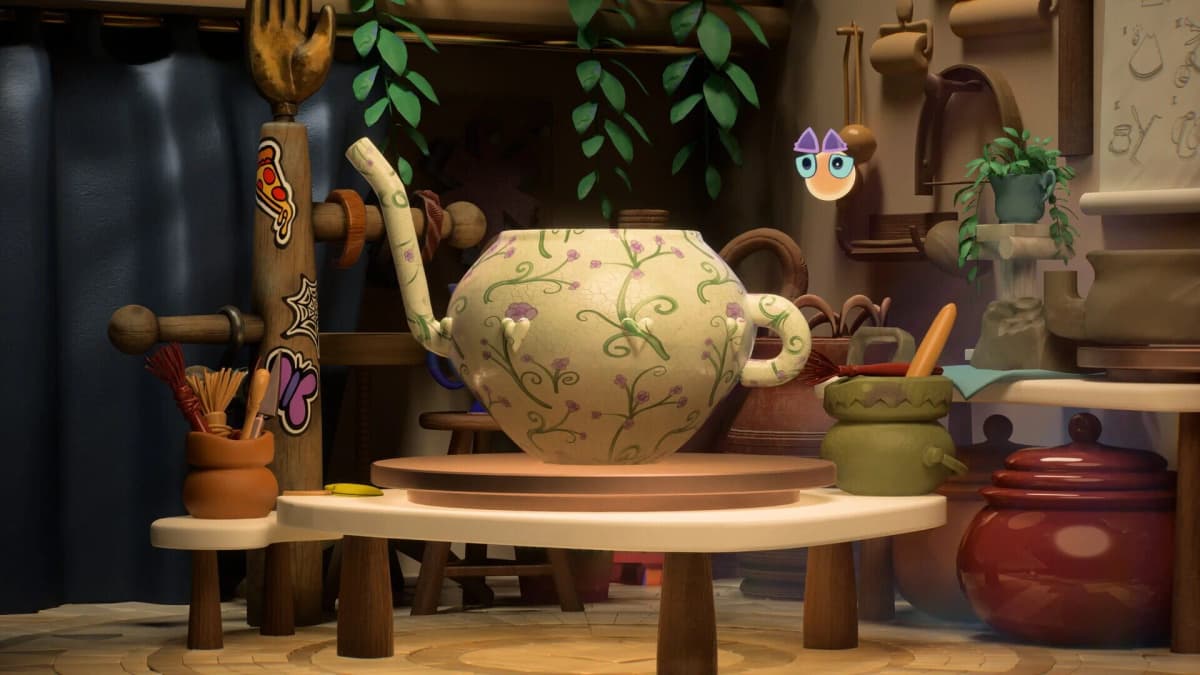
The upside is obvious. Weird games get discovered. Risky games get sampled. Something like Kiln has a real shot to become the sort of left-field hit people spend a week evangelizing to friends. The downside is also obvious. If the exits start feeling more valuable than the entries, the entire proposition gets shakier, especially for longtime subscribers who already burned through the back catalog.
That’s why this wave matters. Not because Kiln is secretly the biggest release of the month, and not because Final Fantasy V alone changes the service’s momentum. It matters because this is a clean snapshot of Xbox’s current subscription strategy: let smaller games punch above their weight, let classics smooth out the edges, and hope the churn doesn’t sting enough to trigger cancellations.
What to watch next
- April 30: Watch how loudly Microsoft pushes the departure list versus the new additions. That tells you how confident it is in this wave’s appeal.
- Early May: Pay attention to whether Kiln actually breaks through socially. Game Pass can put a game in front of you, but it still can’t force word of mouth.
- May 5: Final Fantasy V is the retention test. Catalog classics don’t trend, but they absolutely affect whether a subscription feels worth keeping.
- The next first-party beat: If Xbox follows a heavily indie-driven stretch with a major tentpole reveal or shadow drop, this whole update will look like smart spacing. If not, it starts to feel like substitution rather than strategy.
TL;DR
Game Pass is adding Kiln, Aphelion, Vampire Crawlers, Trepang2, several smaller titles, and Final Fantasy V on May 5. The bigger story is that Microsoft is leaning hard into discovery-friendly indies while removing nine more games on April 30, bringing April’s total departures to 14. My verdict: this is a smart wave for curious players, but a shaky one if you measure Game Pass by how many heavy hitters it keeps instead of how many weird bets it enables.
FinalBoss // Gear
Level up your setup
01Best-selling Xbox Series X|S gameson Amazon→02Xbox controllerson Amazon→03Top-rated gaming headsetson Amazon→04Discounted game keyson Kinguin→Affiliate links · As an Amazon Associate, FinalBoss earns from qualifying purchases.
Want to Level Up Your Gaming?
Get access to exclusive strategies, hidden tips, and pro-level insights that we don't share publicly.
Ultimate Editor's Pick Strategy Guide + Weekly Pro Tips