

For years, Xbox sold Game Pass through a promise so clean that arguing against it made you sound like you were rooting for worse deals: one subscription, a huge library, and major releases available without asking players to gamble another full game price. I loved that promise. Plenty of players did. It made trying something unfamiliar feel easy again, and it gave Xbox a clear identity when its hardware pitch alone was struggling to carry the conversation.
That promise also created a brutal obligation. A subscription library cannot survive on goodwill, old favorites, and the occasional surprise. It has to keep supplying reasons to stay. Every new release raises the expectation for the next release, every update becomes part of the retention machine, and every successful game teaches players to expect more value for the same monthly payment.
That is why I think the argument around Game Pass has been muddled. Game Pass was a good concept for players. Mike Brown, the former Forza Horizon 5 director from Playground Games who is now associated with Maverick Games, put the core problem plainly: the concept worked for players, but it did not attract enough subscribers at the price points Xbox needed for it to remain viable. The service gave people a compelling deal. Xbox then had to prove that deal could sustain the teams, release cadence, and ongoing support required to make it work.
That gap between player value and studio economics is where the whole strategy starts to hurt.
Table of Contents (5)
Forza Horizon 5: Hide & Seek Shows What the Game Pass Promise Demands
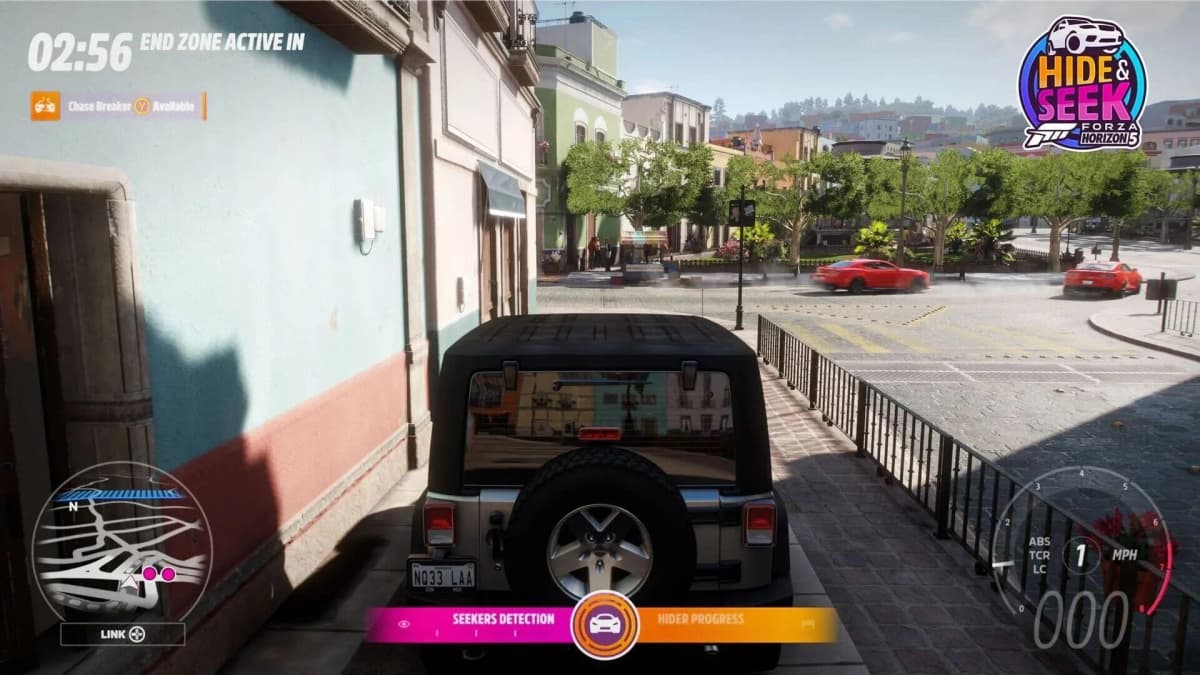
Forza Horizon 5: Hide & Seek is the kind of addition that makes a subscription catalogue feel alive. It gives an established game fresh energy, gives current players another reason to return, and gives curious subscribers an easy invitation to jump in. That is valuable. It is also the sort of value players quickly begin to treat as normal.
From the couch, that looks like a welcome mode added to a game people already enjoy. From the development side, it means designers, artists, engineers, quality assurance staff, online support, production coordination, and every other discipline needed to get a feature through the door without breaking what already works. Ongoing support for a major game carries a real cost long after its original launch campaign ends. A catalogue full of games needs that kind of care across many teams at once.
And Game Pass does not get to operate like a normal retail shelf. A conventional release can live or die on its individual sales performance. A subscription service needs a rolling stream of reasons for people to keep paying. That changes the question from, “Will this game earn its development budget back?” to, “Will this game help keep an entire audience from leaving next month?” Those are very different pressures, and the second one can push studios into a content cadence that no creative team can safely maintain forever.
The ugly truth is that a player can sample ten games in a month while generating the same subscription payment as someone who downloads one. That is the bargain Xbox offered, and I am not going to blame players for accepting it. Players did exactly what the service trained them to do: browse, experiment, dip in, drop out, and wait for the next big arrival. The responsibility for making that bargain add up belongs to the people who designed it.
Game Pass Did Not Fire Anyone, but Leadership Chose the Model
The claim that Game Pass alone broke Xbox studios is too neat. Studio closures, spin-offs, and layoffs are executive decisions made during a broader restructuring reset. A subscription spreadsheet does not close a studio by itself. People at the top decide which teams lose their projects, which studios lose their independence, and which employees carry the cost of a strategy that missed its financial target.
That matters because the easy version of this story lets Xbox leadership off the hook. It turns laid-off developers into collateral damage from an abstract market force, as though Sarah Bond, Phil Spencer, and Asha Sharma had no meaningful control over the size of the bet, the scope of the catalogue, or the expectations placed on studios. They did. Asha Sharma’s acknowledgement that the strategy failed to work out should be treated as an admission of that central failure: Xbox built a player-first offer without securing the scale required to fund it responsibly.
Brown’s concern that more studios could be shut down or spun off makes this even harder to ignore. A “reset” sounds harmless when it appears in a corporate presentation. For developers, it can mean an unfinished project, a dissolved team, or years of hard-won expertise scattered because the platform holder wanted a faster route to subscription growth.
I have little patience for the idea that players should feel guilty for wanting Game Pass to remain generous. Players were promised a library, day-one releases, and constant reasons to stay subscribed. The people who made those promises cannot turn around and scold the audience when the economics fail to cooperate. The problem was never that the offer was too good for players. The problem was treating an expensive, high-output development pipeline as though subscriber growth would automatically catch up.
The Real Cost Is the Content Treadmill
Game Pass requires far more than a list of games on a storefront. It requires a dependable release calendar, ongoing support for live communities, technical work across PC and Xbox platforms, marketing momentum, and enough variety that subscribers feel the library has something for them at every moment. That means Xbox cannot rely on one strong release or one popular update. It needs a pipeline.
For studios, a pipeline becomes a treadmill when the platform expects constant freshness while protecting a low barrier to entry for players. The moment the catalogue slows down, the service risks feeling stagnant. The moment budgets rise, the service needs more people paying enough money to cover them. The moment a premium release becomes a day-one subscription perk, Xbox gives up the simpler relationship between a game’s immediate success and the money it brings in.

That does not make subscriptions inherently doomed. It does mean the model has limits, and pretending otherwise is how a player-friendly idea turns into a studio-hostile machine. Xbox needed a clear line between the games that could thrive inside a subscription library and the games whose cost, scope, and long-term support demanded a more direct path to revenue. Instead, Game Pass became a defining promise, and every premium release was measured against that promise.
What Players Should Watch After the Restructuring
Xbox can talk about a reset all it wants. The only meaningful test is what happens next. The company’s actions will show whether Game Pass is being rebuilt around sustainable expectations or whether it remains trapped in the same cycle of generous promises followed by cuts when the numbers fail to cooperate.
- Release cadence: Watch whether studios are pushed to deliver major additions and recurring content at a pace that leaves room for stable development. A frantic catalogue schedule is a warning sign, even when the updates themselves look exciting.
- Subscriber momentum against price: If pricing rises and the subscriber base stays flat or declines, Xbox has a serious value problem. Higher payments mean little when the audience does not grow enough to carry the cost of the library.
- More closures after major investments: When a platform spends heavily on teams and content, then responds with closures or spin-offs, that signals portfolio simplification rather than a stable long-term plan.
- First-party games sold more directly: More full-price releases and wider platform availability would show Xbox is trying to recover value outside the subscription bundle. That would be a practical response, not a betrayal of players.
- A narrower day-one commitment: Selective day-one inclusion for the largest releases would reveal that Xbox finally accepts a basic fact: every game cannot carry the same subscription burden.
Any one of those signals can have an ordinary explanation. Taken together, they reveal whether Xbox has learned from this mess. The company does not need to abandon Game Pass. It needs to stop treating Game Pass as a blank cheque written against studios’ futures.
Game Pass Needs a Boundary, and Xbox Needs to Hold It
My position is simple: Xbox should keep Game Pass, because the service remains genuinely useful to players. It should remain a place for discovery, for a deep back catalogue, for games that benefit from a broader audience, and for well-supported additions such as Forza Horizon 5: Hide & Seek. There is real value in that ecosystem.
But Xbox should stop making every major first-party release carry the same day-one subscription expectation. Some games need room to launch as full-priced products before they enter the service. Some studios need the security of a clearer financial case before they are asked to become another retention tool. Some projects should be allowed to succeed on their own terms rather than being judged by whether they kept enough subscribers from hitting cancel.
That is the practical lesson here. Subscribe to Game Pass for the library you will actually use, buy the releases you genuinely want to support, and judge Xbox by whether it protects the teams making the games. A service built around player value is worth keeping. A service that devours studios to preserve that value is a failure, no matter how good the catalogue looks on a dashboard.
FinalBoss // Gear
Level up your setup
01Best-selling Xbox Series X|S gameson Amazon→02Xbox controllerson Amazon→03Top-rated gaming headsetson Amazon→04Discounted game keyson Kinguin→Affiliate links · As an Amazon Associate, FinalBoss earns from qualifying purchases.
Want to Level Up Your Gaming?
Get access to exclusive strategies, hidden tips, and pro-level insights that we don't share publicly.
Ultimate Gaming Strategy Guide + Weekly Pro Tips