
This caught my attention because Microsoft’s overall quarter looked strong – $81.3B in revenue led by cloud and AI – yet Xbox slipped noticeably. As someone who follows both platform strategy and player experience closely, the divergence between Microsoft’s corporate priorities and the console floor matters: it shapes the kinds of games you get, whether consoles remain affordable, and how Game Pass evolves.
Table of Contents (4)
Xbox Gaming Revenue Decline: 10 Key Factors Driving the Slump and What Enthusiasts Can Do Now
- Key takeaway: Xbox gaming revenue fell 9% YoY in Q2 FY26; hardware revenue plunged 32% and content/services fell ~5%.
- Microsoft’s broader business (cloud/AI) is booming, so Xbox is a smaller piece of corporate focus – expect continued service-first strategy.
- Price hikes, softer first-party releases and multi-platform moves matter most; Game Pass growth cushions but doesn’t fully offset hardware losses.
- Practical playbook: optimize Game Pass, consider cloud-first play, and delay hardware upgrades unless you need the performance jump.
{{INFO_TABLE_START}}
Publisher|Microsoft (Xbox)
Release Date|Jan 28, 2026
Category|Earnings / Industry News
Platform|Xbox consoles, PC, Cloud
{{INFO_TABLE_END}}

Main analysis — the 10 drivers, ranked by impact
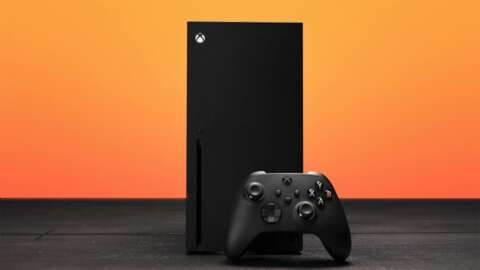
- Hardware collapse (-32%): Console unit sales dropped sharply after two price increases in 2025. Hardware is the gateway for new customers; fewer consoles = fewer long-term platform buyers. Action: delay nonessential upgrades and test cloud before buying.
- Weaker first‑party slate: Q2 releases didn’t match previous-year blockbusters, trimming content revenue ~5%. First-party hits still drive spending and Game Pass retention. Action: prioritize must-play first-party titles on Game Pass when available.
- Tough year‑ago comps: Strong Q2 FY25 content set a high bar, making this year’s numbers look worse even where engagement stayed steady. Action: judge momentum across multiple quarters, not one headline quarter.
- Console price hikes: Two hikes (May and Oct 2025) pushed some buyers to rivals or used markets. Affordability is a clear brake on impulse holiday purchases. Action: look for refurbished/discounted Series S bundles or wait for seasonal deals.
- Multi‑platform strategy eroding exclusivity: More Xbox studios shipping on PS5/PC dilutes the console-only incentive. That protects revenue from platforms but reduces console hardware pull. Action: focus on cross‑platform features you care about (cross-save, cross-play).
- Game Pass growth ≠ full offset: Subscriptions and streaming rose, but services alone couldn’t counter hardware declines. Game Pass still reduces friction for many buyers, but it shifts revenue mix. Action: maximize value from Game Pass (annual/Ultimate deals).
- Holiday quarter underperformance: Typical Black Friday/Cyber Monday lift failed to materialize as higher prices and fewer tentpole releases reduced buy-in. Action: claim post-holiday bundles and trials for best value.
- Corporate focus on cloud/AI: Microsoft’s investment priorities (Azure, AI) are clear; Xbox benefits but must compete with bigger internal initiatives for attention and capex. Action: watch cloud improvements (latency/quality) — they’ll affect your experience soon.
- Aging install base growth: Series X|S launched in 2020; three years of hardware declines suggest limited upgrade cycles. Action: extend life of current consoles with SSDs and maintenance tips.
- Macro shift to PC/cloud/cross‑device: Industry momentum favors subscriptions and streaming, especially in regions where consoles are a higher-cost entry. Action: experiment with cloud streaming on mobile/PC to see if it replaces console ownership for you.
What this means for players
In short: you don’t need to panic. Xbox’s ecosystem is shifting from hardware-driven growth to a service-oriented model. That’s great if you value access (Game Pass, cloud), less great if you buy new consoles to chase exclusives. Expect more day‑one Game Pass releases, more cross‑platform launches, and periodic discounts on hardware rather than aggressive new-console pushes.
Practical playbook — 5 steps to thrive
- Audit use: If you play <10 hrs/week, consider selling hardware and lean on cloud/subscriptions.
- Maximize Game Pass: Switch to Ultimate during a sale or buy annual to lower per‑month cost.
- Delay upgrades: Keep Series X|S unless you need performance for a specific new title.
- Optimize cloud: Use 25+ Mbps and Edge for lowest latency; test xbox.com/play on mobile before switching fully.
- Follow cross‑save paths: Link accounts (Xbox/PSN/Steam) when supported so you can chase the best platform deals.
TL;DR — Xbox’s gaming revenue dip (‑9%) is real but explained: big hardware declines, softer first‑party output, and a deliberate shift toward subscriptions and cloud. For players the immediate takeaway is practical: get the most from Game Pass and cloud, wait on expensive hardware upgrades, and treat console ownership as one of several ways to play rather than the default.

FinalBoss // Gear
Level up your setup
01Best-selling Xbox Series X|S gameson Amazon→02Xbox controllerson Amazon→03Top-rated gaming headsetson Amazon→04Discounted game keyson Kinguin→Affiliate links · As an Amazon Associate, FinalBoss earns from qualifying purchases.