
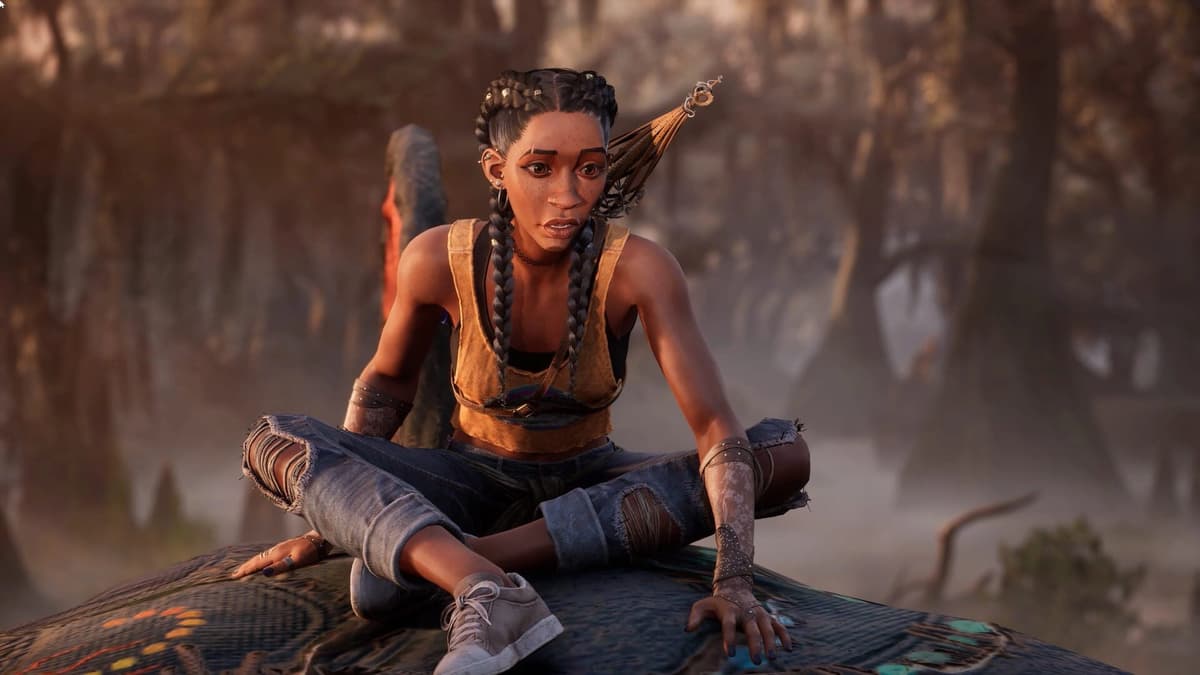
Microsoft is moving to shut down Compulsion Games while Ninja Theory and Double Fine negotiate their exit from Xbox Game Studios. If you have South of Midnight on your wishlist, if you are waiting for Ninja Theory’s newly announced PlayStation 5 project Senua, or if you are holding out for the next Double Fine release, the timelines, budgets, and platform guarantees you assumed six months ago are no longer reliable. This is not a routine restructuring you can safely ignore until the press releases land. The changes are already affecting what gets made, when it ships, and who is left to finish it. More importantly, they are exposing the gap between Microsoft’s first-party promises and the corporate reality of its current “Xbox reset” — the profitability-first restructuring now tied to new Xbox leadership under Asha Sharma and broader management changes around figures such as Craig Duncan and Matt Booty.
The core of the shakeup is straightforward, and the distinction matters. Compulsion Games, the Montreal-based studio behind We Happy Few and South of Midnight, is dealing with closure risk. Ninja Theory and Double Fine are dealing with spinout talks meant to preserve some form of independence. Those are not the same outcome. Bloomberg said an Xbox spokesperson declined to comment, and Microsoft has not published a detailed public statement confirming either a Compulsion closure or a Ninja Theory/Double Fine exit. GamesBeat put the Compulsion cut at 90 people, while other public staff counts place the studio somewhere around 90 to 115 people depending on whether you count credits, contractors, and non-LinkedIn staff. Either way, this is not Microsoft gently pruning a branch. It is pulling apart part of the first-party network it spent years and billions assembling, and it is doing so while projects are mid-flight and employees at several studios have been told their status is still in flux.
Table of Contents (6)
What “Independence” Actually Means for Release Dates and Quality
When a studio leaves a corporate umbrella, the PR framing is almost always about creative freedom, agility, and a return to the studio’s roots. The reality is usually about funding, staffing, and survival. Ninja Theory and Double Fine both operated as independent developers before Microsoft acquired them, and both accepted buyouts in part because projects at the scale of Hellblade II or Psychonauts 2 are hard to finance cleanly without a major platform holder footing a meaningful part of the bill. Psychonauts 2 is the easy example here: its final form only exists because Microsoft’s backing gave the team more room than a traditional independent production pipeline would have allowed. If these teams spin out now, they do not simply snap back to their pre-2018 identities like nothing happened. They come back smaller, leaner, and under immediate pressure to replace the money, support staff, technology access, and scheduling certainty they had inside Xbox. That transition costs months. It often costs years. It nearly always costs scope.
That is why “independence” should not be read as a feel-good ending. In the best version, a studio preserves its name, keeps a core leadership group, and buys enough time to finish one game while hunting for fresh funding. In the more common version, the brand survives but a large chunk of the staff does not. The reporting around this Xbox reset has been unusually blunt on that point: a spinout may save a studio from disappearing on paper while still leading to significant layoffs because the team no longer has Microsoft’s funding and support. For players, the practical result is not abstract. Smaller teams mean slower content production, fewer safety nets for technical problems, and a lot less room to absorb expensive course corrections late in development.
For Ninja Theory specifically, the timing is brutal. The studio officially announced Senua on June 7, 2026 through Xbox News, describing it as an action-adventure game set after both prior Hellblade entries. The official plan attached to that announcement is concrete in one narrow sense: the game is scheduled for 2027 on Xbox Series X|S, Xbox on PC, cloud, Steam, and PlayStation 5, with Game Pass availability on Xbox platforms. What that announcement does not explain is what happens to budget authority, milestone approvals, or platform commitments if the studio itself stops sitting safely inside Xbox Game Studios. That gap matters. A game can stay announced and still lose momentum. A publisher credit can remain in place while the internal structure around the team changes completely. And even if the public-facing release plan survives, the timetable attached to it becomes far less trustworthy the second the studio has to renegotiate how it operates.
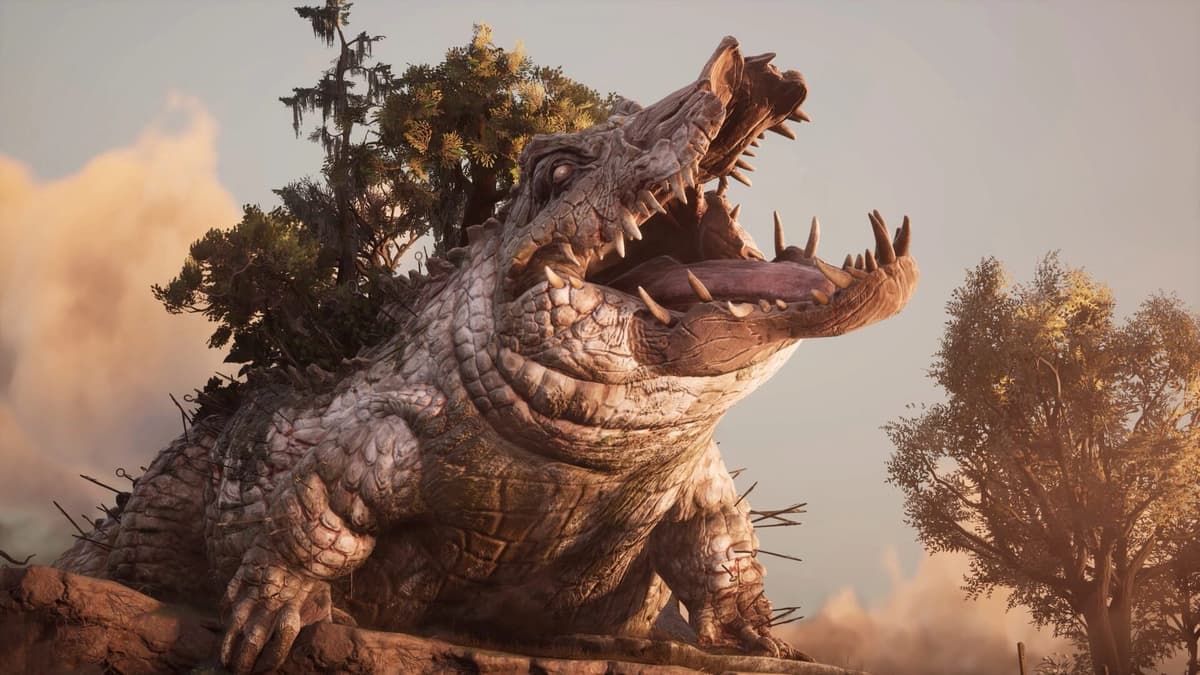
The same logic applies to Double Fine, even with less public detail about its current project. If a team has spent years building on Microsoft’s internal timelines, tooling, support infrastructure, and budget assumptions, separation is not a romantic reset button. It is legal work, financial work, staffing triage, and a hard conversation about what the studio can still afford to make. That is why the most honest way to read a spinout is this: it can preserve the chance that a game still happens, but it rarely preserves the original schedule, original staffing level, or original comfort zone.

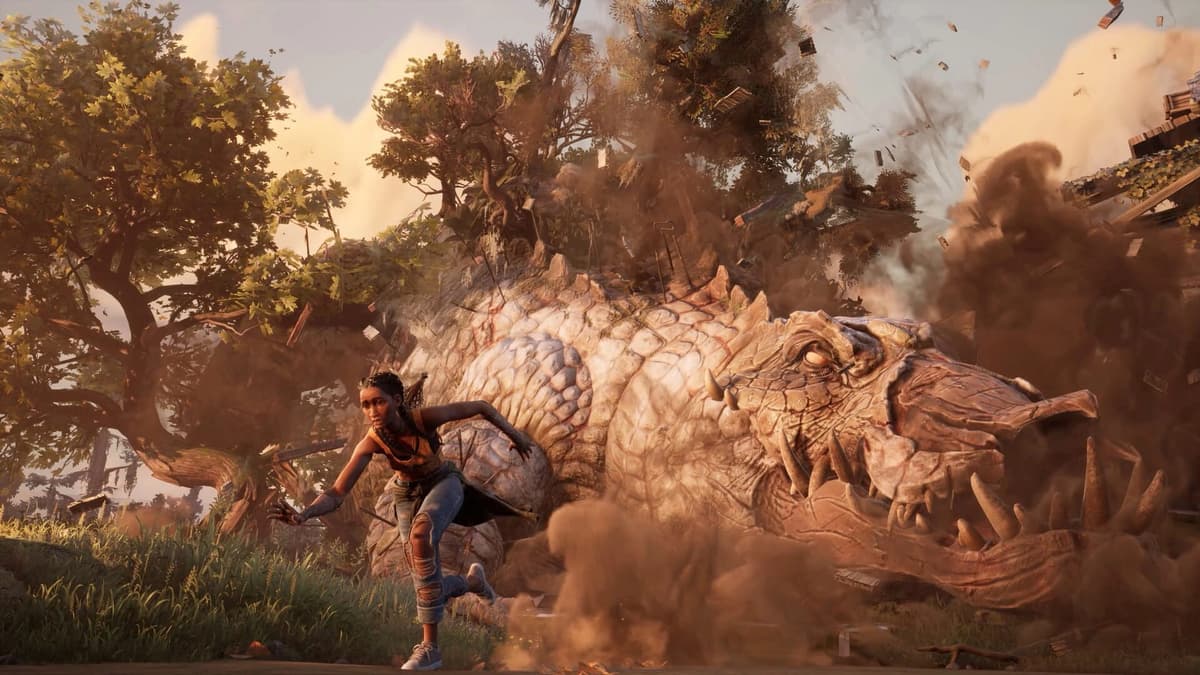
Why South of Midnight Is the Canary in the Coal Mine
Compulsion Games is not in the same category as Ninja Theory or Double Fine. It is not the clean “maybe they go independent” version of the story. It is the blunt end of it. That distinction matters because it tells you what happens to a game when the parent company decides the team behind it no longer fits the portfolio. South of Midnight launched on April 8, 2025 for Windows and Xbox Series X|S, then later received a March 31, 2026 announcement for PlayStation 5 and Nintendo Switch 2. Public performance data is limited, but the shape of it is clear enough: Microsoft has not disclosed unit sales, the game reached more than 1 million players since launch, and Metacritic listed it as “Generally Favorable” with a 77 score across 91 critic reviews. That is respectable. It is not the kind of giant public victory lap that protects a mid-sized studio during a profitability reset.
Under normal circumstances, a studio of Compulsion’s size would move from launch into support, patching issues, maintaining storefront visibility, and deciding whether the game has room for a sequel, an expansion, or at least a stronger long-tail push. Under a closure scenario, that support logic changes immediately. The people who know the project’s internal tools, build pipeline, scripting quirks, and platform certification history are the same people who become vulnerable first. If the studio is closed outright, South of Midnight does not vanish from your library tomorrow, and I would not pretend otherwise. What it loses is something less dramatic but more important over time: continuity. Patch cadence can slow. Post-launch plans can freeze. The odds of meaningful add-on support or a direct follow-up fall sharply because the institutional memory behind the game is being removed from the building.
This is the pattern with orphaned first-party titles. They do not usually disappear overnight; they enter stasis. Bugs that would have been chased down stay on the board longer. Minor issues never reach the top of anyone’s priority stack. Compatibility work becomes a cost center instead of a promise. For a narrative action-adventure like South of Midnight, the risk is lower than it would be for a live-service game that needs constant server upkeep, but the principle is the same. Once the team is gone, the IP becomes an asset on a spreadsheet rather than a world with active champions inside the company.
The Player Checklist — What to Verify Before You Spend Money
Instead of doomscrolling for the next executive quote, audit your own plans. That is the useful move while these studios hang in limbo. The big question is no longer “is Xbox restructuring?” The answer to that is already yes. The useful question is what you should verify before you buy, subscribe, or assume a release window means what it used to mean.
- Store status and support signals: If South of Midnight is a game you already want to play, judge it as the package that exists now, not as a title that is certain to get a long, healthy runway of post-launch support. Check whether store listings still receive updates, whether patch notes continue at a normal pace, and whether Microsoft keeps treating the game like an active part of the portfolio rather than a completed obligation.
- Release timeline skepticism: Any project currently tied to Ninja Theory or Double Fine should be treated as vulnerable to delay until the business structure around the studio is settled. A spinout is not a one-line paperwork fix. It means new financing, revised production schedules, legal separation, and sometimes fresh approvals for tools, middleware, or platform commitments. Announcements made under the old Xbox structure may still stand, but the timetable underneath them is the part most likely to crack.
- Publisher involvement: Check who is actually listed as publisher on store pages, trailers, and official posts. In the case of Senua, the official announcement establishes Xbox Game Studios publishing. If that changes later, it is not cosmetic. It would tell you the money, oversight, and contractual backing around the game have changed too.
- Platform planning: Senua mattered partly because it pushed Microsoft’s multiplatform strategy into sharper focus. Xbox was willing to publish a Ninja Theory game on PlayStation 5 while still positioning it inside the Xbox ecosystem through Game Pass and PC. If the studio’s corporate status changes, multiplatform support stops feeling like a stable strategic plan and starts feeling like a clause that may need to be renegotiated.
- Wishlist discipline: Do not treat a studio logo as a guarantee that a project is marching cleanly toward release. Until the structure is settled, a wishlist entry is a bookmark, not a promise. That applies to Senua, to whatever Double Fine is building, and to any future Compulsion-adjacent plans that may never reach the point of formal announcement.
This did not start this week, and that is the uncomfortable part
The easiest mistake here is to treat Compulsion, Ninja Theory, and Double Fine as isolated cases. They are not. Xbox has been moving through a longer cycle of expansion, retrenchment, and now overt pruning. Microsoft cut about 1,900 gaming jobs in January 2024. It then spent 2024 closing studios including Tango Gameworks and Arkane Austin, a reminder that even acclaimed teams were not immune once the portfolio was judged too large or too expensive. In July 2025, Microsoft announced another companywide cut of more than 9,000 jobs, with part of that pain landing in gaming. The June 2026 studio negotiations sit inside that bigger arc. This is not one bad month. It is a strategy changing shape over multiple years.
That is also why the phrase “Xbox reset” should be taken literally. The shorthand coming out of this period is not about a cosmetic rebrand. It describes a shift away from growth by acquisition and toward profitability by pruning. Analysts have framed Microsoft’s current posture in exactly those terms: the company spent years stretching across subscriptions, cloud, devices, studios, and content, and it is now narrowing focus because not every branch of that expansion paid off the way Xbox needed. Once you read the studio moves through that lens, the logic becomes harsh but clear. Closure is what happens when a team no longer fits the trimmed plan. Spinout is what happens when Microsoft would rather stop funding a studio than keep owning it outright.
The Xbox reset is a retreat, not a pivot
Microsoft’s defenders will call this a necessary reset under new Xbox leadership. On a spreadsheet, I understand the argument. Asha Sharma and the current management layer inherited a first-party network that had become sprawling, expensive, and difficult to justify at the same scale forever. But I have watched enough publisher restructurings to know the difference between a pivot and a retreat, and this looks like a retreat. Microsoft bought studios such as Double Fine, Ninja Theory, and Compulsion to build a constant content machine for Game Pass and the broader Xbox ecosystem. It is now stepping back from that machine because the cost of carrying it is running harder against a profitability wall. That is not some clean quality-over-quantity reinvention. It is a reversal of a first-party growth strategy while games are still in production.
The uncomfortable observation is that Microsoft spent the last several years telling players that Game Pass represented a future built on dependable first-party flow: games arriving day one, teams protected by platform-holder money, and a library that would keep compounding value. The future on display here is messier. Games can still be announced. Studios can still have logos. Publishing plans can still sit on official web pages. But the structure underneath those promises is shakier than it was even a year ago. If Compulsion closes, if Ninja Theory buys itself back, and if Double Fine returns to independence, the net effect is the same even if the legal paths differ: Xbox’s internal lineup gets thinner, its production certainty gets weaker, and more of the risk gets pushed back onto developers and players.
What to watch now
The next signals that matter are concrete, not rhetorical. Watch for whether Microsoft moves from silence to an actual public statement; right now, the absence of a detailed official explanation is part of the story. Watch for whether Compulsion’s leadership secures an independence path or whether the studio is simply wound down. Watch for any change in the publisher credit on Senua materials, because that is where business reality tends to surface first. Watch for whether Double Fine goes unusually quiet for an extended stretch, because prolonged silence around an in-development game often means financing, scope, or platform planning is being renegotiated behind the scenes. And watch whether employees keep signaling that their status remains in flux, because that tells you more about the stability of these projects than any polished executive line ever will.
If you are invested in the Xbox ecosystem, the practical takeaway is simple: stop treating first-party releases as safe bets backed by infinite corporate patience. That version of the safety net is gone, or at least weaker than the branding suggests. Judge games like South of Midnight on what is already in your hands. Treat release years for games like Senua as provisional until the studio structure around them stops moving. And pay close attention to publisher labels, support cadence, and platform commitments instead of assuming the trailer logo tells the whole story. Those logos used to mean stability. Right now, they mean negotiation.
FinalBoss // Gear
Level up your setup
01Best-selling Xbox Series X|S gameson Amazon→02Xbox controllerson Amazon→03Top-rated gaming headsetson Amazon→04Discounted game keyson Kinguin→
Affiliate links · As an Amazon Associate, FinalBoss earns from qualifying purchases.
Want to Level Up Your Gaming?
Get access to exclusive strategies, hidden tips, and pro-level insights that we don't share publicly.
Ultimate Gaming Strategy Guide + Weekly Pro Tips