
Xbox Isn’t Ditching Consoles—Here’s the Real Story Behind the Rumors
The rumor mill said Xbox was done with consoles. Microsoft says it isn’t.
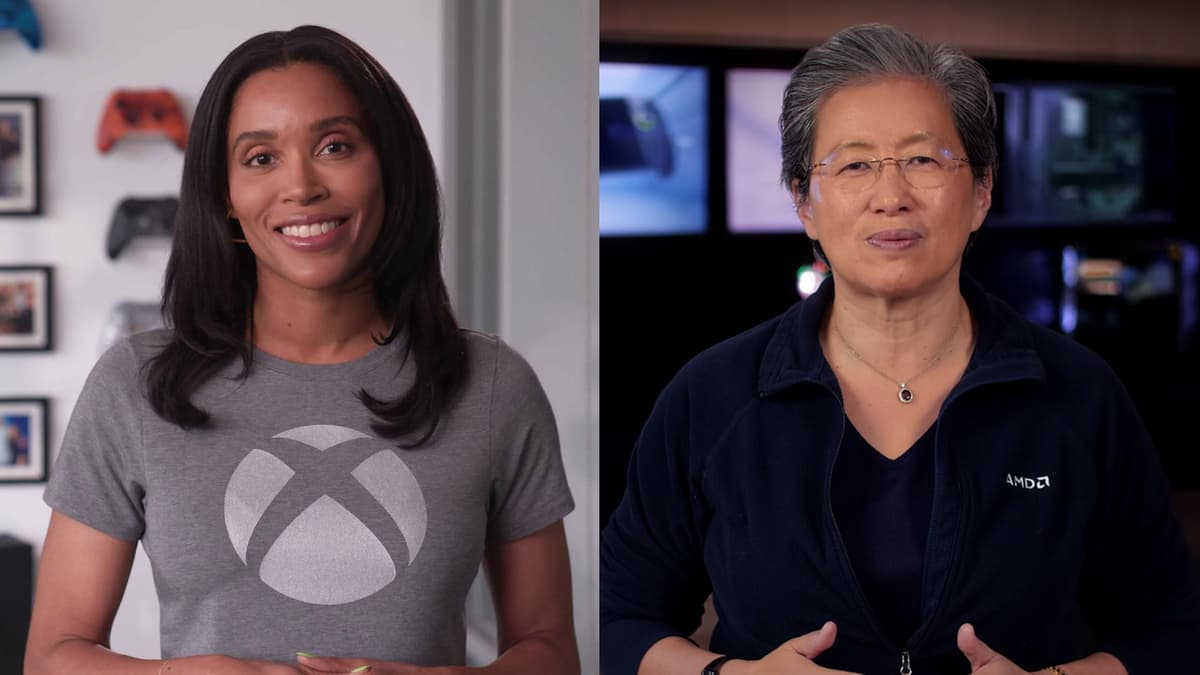
This caught my attention because hardware identity matters. After a rough stretch-studio closures, cancellations, and a Game Pass price hike-whispers started that Xbox would ditch consoles and go all-in on services. Microsoft pushed back via Windows Central, pointing to its fresh, multi-year AMD deal and reiterating that future consoles and devices “developed and manufactured by Xbox” are in the pipeline. That’s PR-speak, sure, but it’s also specific: custom silicon, real hardware, not just cloud.
Key Takeaways
- Microsoft reaffirmed investment in new Xbox hardware-expect a next-gen console and potentially other form factors.
- The AMD partnership signals custom chips for consoles, PC-adjacent devices, and cloud—cloud is a complement, not a replacement.
- A handheld Xbox is possible but unconfirmed; if it happens, expect an Xbox-first experience rather than a generic Windows tablet.
- Short term, your Series X|S isn’t getting abandoned; long term, watch for signs like dev kit chatter and OS updates tailored to new devices.
Breaking Down the Denial
Microsoft didn’t just say “we’re committed” and walk away. The company specifically pointed to ongoing investment in future consoles and devices made by Xbox, which matters because it rules out a white-label, OEM-only strategy. That aligns with what Sarah Bond has been saying since last year: Xbox sees a family of devices, not one box parked under the TV.
And the AMD piece isn’t window dressing. Custom APUs have powered Xbox for two generations. Renewing that partnership tells us the next Xbox will once again pair Ryzen-class CPU cores with Radeon-class graphics, likely with upgraded ray tracing, AI-assisted upscaling, and smarter power management. None of that screams “we’re done making consoles.”
Industry Context: Why the Rumors Stuck
Let’s be real: the rumors felt plausible because Microsoft’s recent moves haven’t inspired fan confidence. Price bumps on subscriptions, fewer big exclusives landing than promised, and the steady drumbeat of “cloud-first” messaging made some players wonder if Xbox was becoming an app rather than a platform.
But the business reality hasn’t changed: cloud gaming isn’t ready to replace local hardware for the majority of players. Latency, bandwidth caps, and content rights all get in the way. Cloud supplements hardware—great for sampling games or playing on the road—but it doesn’t kill the console any time soon. Sony knows it. Nintendo knows it. Microsoft certainly knows it.
The Handheld Question
Everyone wants to know if Xbox will do a handheld. The safe answer: it’s being explored, but there’s no official confirmation. If Microsoft jumps in, here’s what would matter to players:
FinalBoss // Gear
Level up your setup
01Best-selling Xbox Series X|S gameson Amazon→02Xbox controllerson Amazon→03Top-rated gaming headsetson Amazon→04Discounted game keyson Kinguin→Affiliate links · As an Amazon Associate, FinalBoss earns from qualifying purchases.
- True Xbox experience: Quick Resume, offline library management, and instant access to your purchases—no PC launcher gymnastics.
- Battery and thermals: an AMD APU that balances power draw with performance. Think modern RDNA efficiency, not “mini-laptop that gets hot in 20 minutes.”
- Controls that feel first-party: proper sticks, Hall sensors if we’re lucky, quiet fans, and robust sleep/wake behavior.
- Seamless cross-save with Series X|S and PC. If I pause on the couch and resume on a train, it should just work.
That’s the bar. The market already has decent Windows handhelds from ASUS and Lenovo, but they live in launcher purgatory. If Xbox ships one, it has to be an Xbox device first, a PC second.
What This Actually Means for You Right Now
If you own a Series X|S, don’t panic-sell. Microsoft’s playbook for the last decade has been backward compatibility, cross-gen support, and platform-wide enhancements. Expect current hardware to keep getting updates to the dashboard, store, and cloud integration. The big question is cadence: a new console likely targets the back half of the decade. Between now and then, first-party games and OS improvements will do more for your day-to-day than any rumor.
Game Pass remains central, even after price hikes. Value now hinges on day-one drops and library stability. If Microsoft wants to reassure players, it’ll do it with software—big exclusives that remind people why the hardware exists. Perfect Dark, Fable, and whatever The Coalition is cooking with Unreal tech will matter more than any press line about “the future of devices.”
What to Watch Next
Ignore doomsaying. Watch for signals. New dev kit codenames. OS features clearly built for portable or low-power modes. First-party games touting advanced ray tracing or AI upscaling pipelines that hint at next-gen silicon. And if Microsoft starts talking about a unified Xbox OS experience across “home and mobile form factors,” that’s your tell that a handheld or hybrid device is more than a thought experiment.
TL;DR
Xbox says it isn’t exiting hardware, and the renewed AMD partnership backs that up. Expect more consoles—and maybe a handheld—down the line, with cloud as a sidekick, not a replacement. Keep your expectations measured and your eye on the games.