
Table of Contents (6)
Why this leadership shake-up actually changes the conversation about Xbox
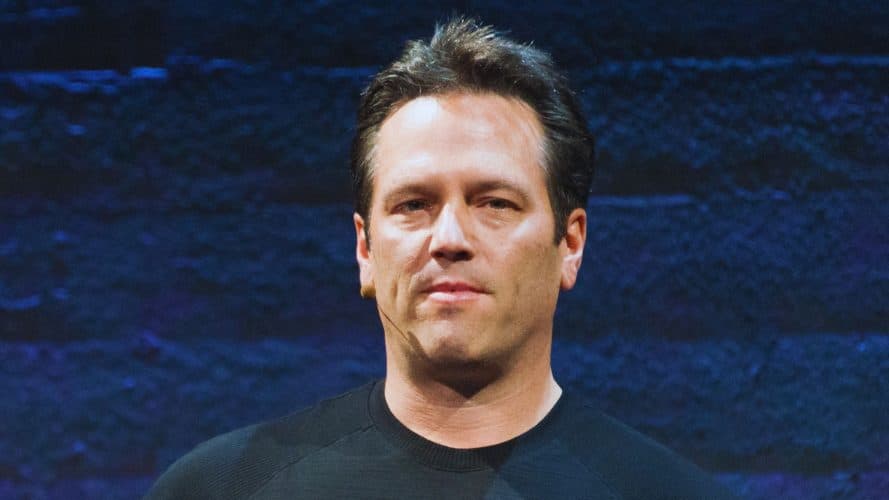
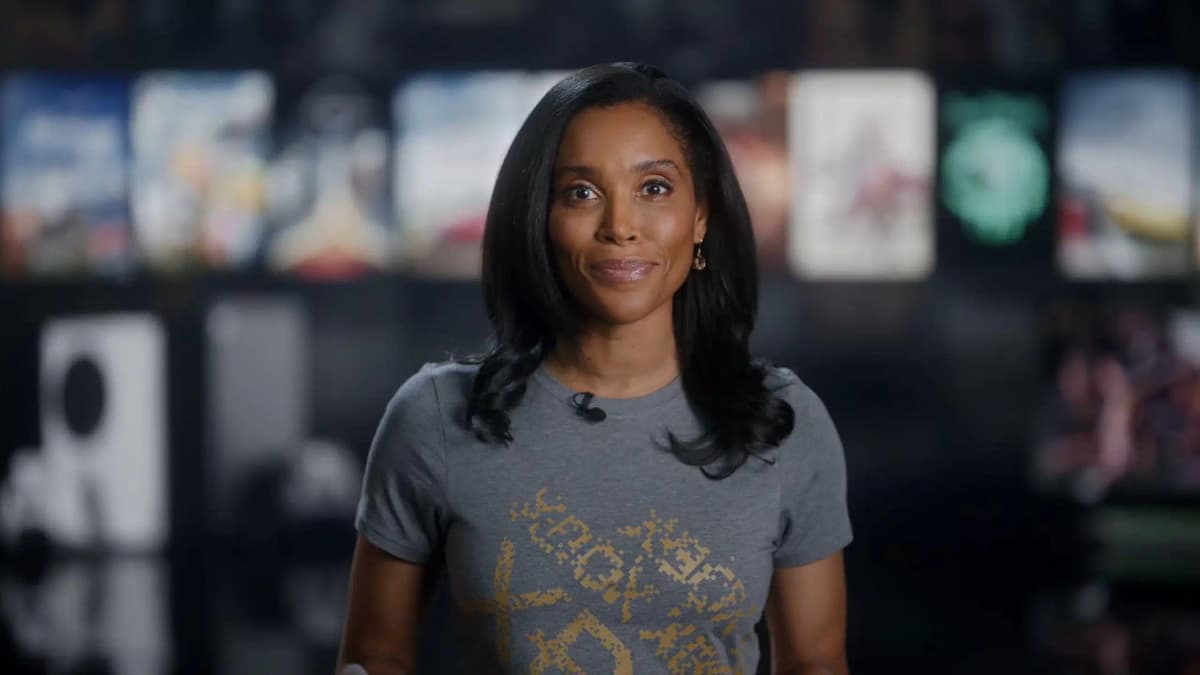
This caught my attention because it doesn’t look like a routine CEO swap – it reads like Microsoft folding Xbox into its broader AI-first strategy while promising ( loudly) to keep games front and center. Phil Spencer, the executive who rebuilt Xbox’s reputation after the Xbox One era and championed Game Pass, is retiring effective February 23 and will serve as a consultant through the summer. Sarah Bond is also leaving. In her place comes Asha Sharma, until now president of products for Microsoft CoreAI and a former Meta executive.
- Major pivot: Xbox is now led by an AI product executive, signaling integration of generative AI across Xbox’s roadmap.
- Promise vs. proof: Sharma vows to restore Xbox’s console identity and back studios – but she brings little public gaming track record.
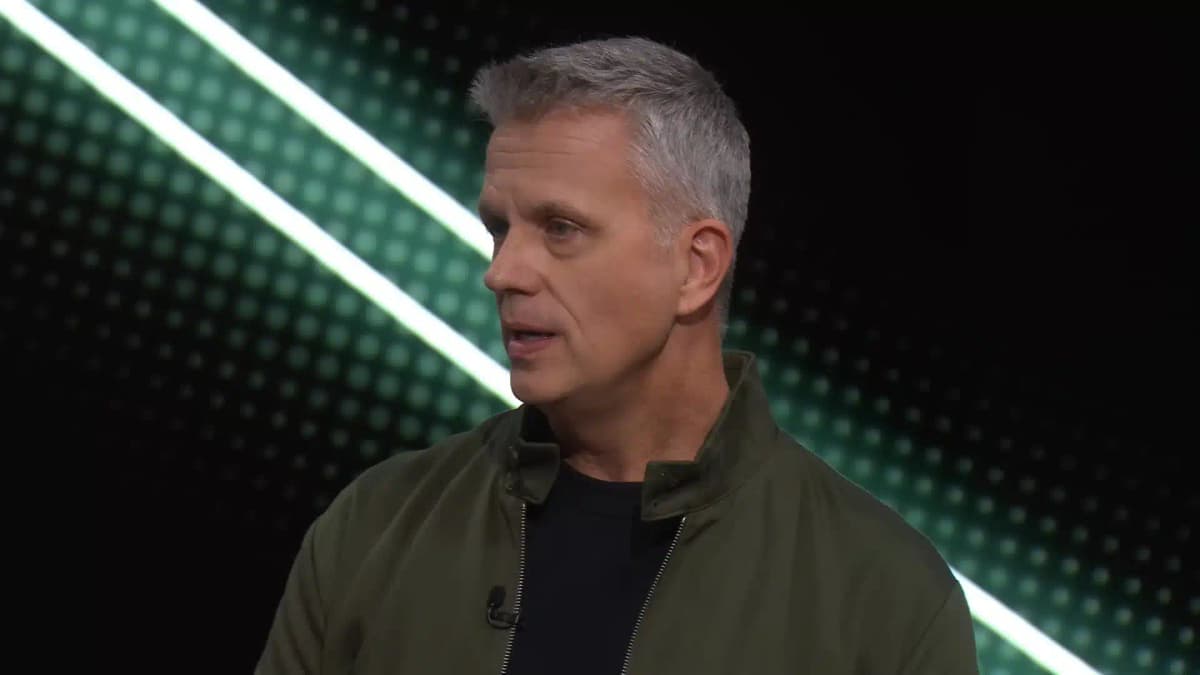
- Organizational reality: Matt Booty is promoted to Chief Content Officer, keeping studio leadership inside Xbox Game Studios while reporting to Sharma.
- Timing matters: This change happens as Microsoft doubles down on AI under Satya Nadella and as Xbox faces hardware and growth challenges.
Breaking down the shake-up
Phil Spencer’s departure closes a big chapter. He took Xbox from the aftermath of the Xbox One misstep to an era defined by acquisitions (hello, Activision deal), Game Pass ubiquity, and a more open, cross-platform stance. He leaves during a rough patch: the current console generation hasn’t had a clear sales surge for Xbox, Game Pass growth has slowed compared with earlier hype, and the company has weathered public friction around studio restructures and project cancellations.
Sarah Bond’s exit adds another layer of instability; she’d been visible in recent Xbox messaging and many assumed she might succeed Spencer. Instead Microsoft tapped Asha Sharma – a leader from inside Microsoft’s AI machine rather than from the traditional games talent pool.
What Sharma says — and what she didn’t quite answer
Sharma framed her priorities around three commitments. Translated from her internal remarks: first, “exceptional games” — she says everything begins with great titles and promises to give studios the resources and license to take risks. Second, “the return of Xbox” — a renewed commitment to the console and the communities built around it, while keeping Xbox’s multi-platform expansion (PC, cloud, mobile) intact. Third, “the future of games,” where she intends to build platforms and tools for creators and players and to use AI as an enabler without “flooding our ecosystem with soulless games designed by mediocre AIs.”
Those are reassuring lines — pragmatic and PR-savvy — but they raise a straightforward question: can someone whose public resume is centered on CoreAI and product at Meta convert credibility into trust with game studios and the hardcore Xbox community? Saying AI won’t replace human creativity is necessary but not sufficient.
Why now: the Nadella effect
Satya Nadella’s Microsoft has put generative AI at the center of its corporate narrative. Appointing an AI product leader to run Xbox is consistent with that push — the company wants to accelerate tools, cloud services, personalization, and new monetization models that AI can enable. The risk: a culture clash. Game development is artisanal and iterative; publishers and players will be wary of cost-cutting nudges dressed as “AI efficiency.”
What gamers should realistically expect
Short term: structural continuity. Matt Booty, now Chief Content Officer, keeps studio leadership in-house which should help maintain day-to-day creative continuity. Expect messaging that mixes new AI-enabled features (smarter cloud streaming, developer tools, personalized experiences) with renewed promises for console-first flagship titles.
Medium term: the test will be dollars and autonomy. Will Sharma back deep-pocketed, risk-taking projects? Will Game Pass remain a growth priority or be reshaped to emphasize AI-driven personalizations and live-service mechanics? Those are the real signals to watch.
Final take — cautious optimism, guarded skepticism
Putting an AI executive at the helm gives Microsoft flexibility to push game development tooling and cloud features forward faster than a traditional media exec might. That could be great for streamlining dev pipelines and unlocking new player experiences. But the appointment also looks like a corporate alignment: Xbox is now visibly inside Microsoft’s AI agenda. Sharma’s promise to preserve human creativity matters — and will be judged by what actually ships.
TL;DR: Phil Spencer’s exit is the end of an era; Asha Sharma’s arrival is the start of a different one — one where AI is baked into strategy, not just a feature. Gamers should hope for more resources for studios and better hardware commitment; they should also keep an eye on how AI is used—tool, partner, or shortcut.
FinalBoss // Gear
Level up your setup
01Best-selling Xbox Series X|S gameson Amazon→02Xbox controllerson Amazon→03Top-rated gaming headsetson Amazon→04Discounted game keyson Kinguin→Affiliate links · As an Amazon Associate, FinalBoss earns from qualifying purchases.