
Table of Contents (9)
Strategic Reset at Xbox
When Phil Spencer announced his retirement after 38 years at Microsoft—and Sarah Bond quietly stepped away alongside him—fans and insiders braced for a typical succession story. Instead, Microsoft tapped Asha Sharma, a veteran CoreAI executive whose résumé centers on AI platform-building rather than studio leadership. This change landed amid leaks that Sony’s next console rival is in development and Microsoft’s broader pivot toward artificial intelligence (AI). Put simply, gaming at Xbox is about to be run through an AI-and-platform lens from the top down.
Key Takeaways
- Leadership pivot: Phil Spencer remains on as special advisor until summer; Asha Sharma is the new Gaming CEO and EVP; Matt Booty takes over as chief content officer. (Sources: GamesIndustry.biz, internal memo)
- PR vs. reality: Sharma promises “no short-term efficiency or soulless AI slop,” but her CoreAI background and Satya Nadella’s platform agenda raise questions about future trade-offs. (GamesIndustry.biz)
- Creator concerns: Xbox co-creator Seamus Blackley warns the company may be “sunsetting” its hardware and studio model in favor of AI-driven services. (IGN)
- Next 90 days: Watch console funding, greenlight decisions, and cross-studio AI tooling rollouts to see if this is a genuine creative boost or a stealth reprioritization. (Editorial analysis)
What the Announcements Actually Say—and What They Don’t
On February 20, a premature leak forced Microsoft to confirm Spencer’s exit and Sharma’s arrival ahead of a planned February 23 announcement. In Nadella’s internal memo, he praised Spencer for “thoughtful leadership” and signaled a smooth handoff. Bond’s simultaneous departure was noted in a LinkedIn farewell, where she thanked Spencer and Nadella and hinted at an undisclosed next chapter as a special advisor.
Publicly, Microsoft framed this as continuity: Sharma “vows no tolerance for bad AI” and “will not chase short-term efficiency or flood our ecosystem with soulless AI slop,” according to GamesIndustry.biz. She further pledged that “games are and always will be art, crafted by humans.” But the real story is subtler. Promoting a CoreAI leader—Schwarzschild defines CoreAI as Microsoft’s internal AI platform division—into a creative role inevitably shifts executive KPIs (key performance indicators) toward scalable AI tooling and platform synergies. In practice, that means every investment, studio service, and hardware feature will be measured against AI-driven growth targets that Nadella already applies across Microsoft.
The Uncomfortable Observation
Historically, Spencer championed studios and nuance in console hardware design—balancing exclusive titles with first-party development budgets. Sharma’s background suggests a different playbook: shared tooling, cross-product hooks, and platform integration as the path to scale. On one hand, this can deliver strong developer support, smarter analytics, and new revenue streams like AI-enabled in-game assistants. On the other, it may deprioritize bespoke, high-risk creative bets if they don’t fit an AI-driven ROI model.
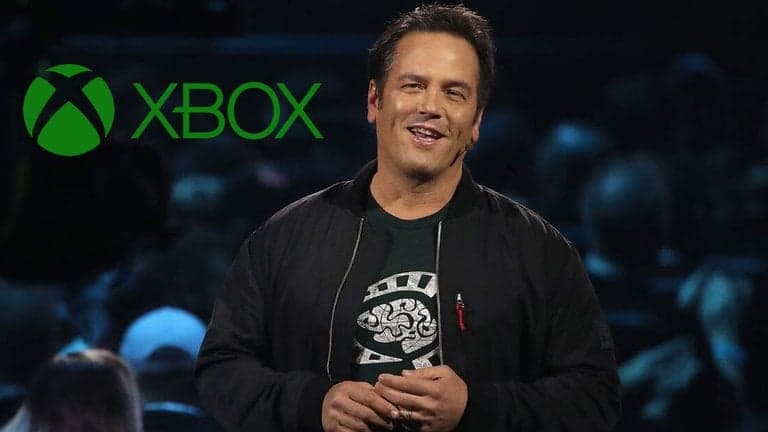
Seamus Blackley’s comment—reported by IGN—that Xbox could be “sunsetting” its traditional console and studio approach is extreme but telling. Even if that outcome never materializes, the fear itself signals internal tension: console-first engineers worry design decisions may be filtered through AI opportunity maps, sidelining deep narrative or big-budget exclusives that defined Xbox’s identity.
Where AI Could Help—But Also Harm
Positive scenario: Microsoft rolls out AI-powered tools to speed up repetitive tasks—procedural asset generation, bug detection, localization support—and pools data to improve game testing. Studios gain cost savings and can iterate faster, potentially allowing smaller teams to deliver richer experiences.
Negative scenario: Those same AI tools could become gatekeepers. If milestones hinge on AI-driven performance metrics, studios might replace human designers with generative systems for art or dialogue. That risks homogenizing game worlds, diluting creative vision, and even triggering layoffs if AI services promise cheaper labor.
Why Matt Booty’s Promotion Matters
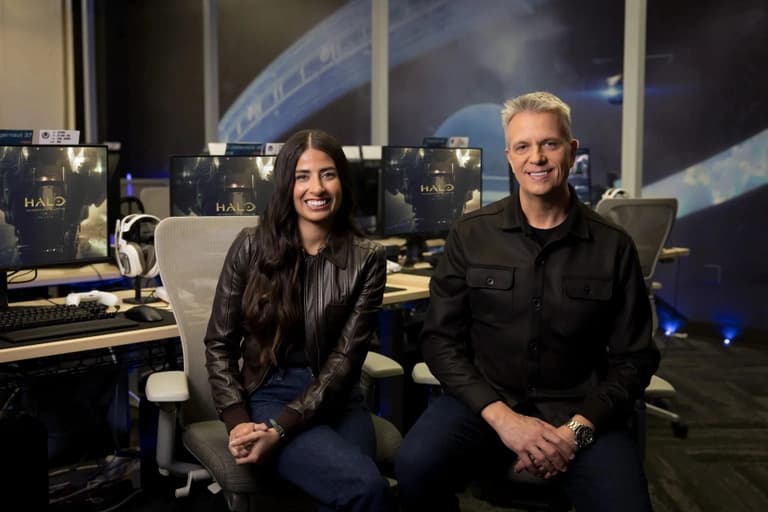
Ahead of Sharma’s start date, Microsoft elevated Matt Booty to chief content officer—an olive branch to creators. Booty’s track record includes shepherding hits like Minecraft and building the ID@Xbox indie program, giving him deep studio credibility. His role is twofold: champion first-party projects and temper any overzealous AI directives. If studios need room for risk and innovation, Booty will be the executive ally they look to.
Industry Reactions and Skepticism
Beyond Blackley’s alarm, other voices remain circumspect. GamesIndustry.biz commentators note Sharma’s pledge against “soulless AI slop” but question if that’s marketing talk or a genuine guardrail. Veteran developers fear platform teams—who prioritize Game Pass subscription metrics—may override creative leads when it comes to budget allocation.
Meanwhile, early player chatter on Reddit and Discord is muted. That absence of organized backlash suggests most fans are still processing the news or trusting Sharma’s assurances. But as AI tooling starts to appear in studio pipelines, community reaction will crystallize around tangible changes—good or bad.
What to Watch Next (Actionable Signs)
- Console roadmap and funding: Monitor Microsoft’s next financial report and any organizational restructuring around Xbox hardware. Are development kits and R&D for the rumored new console holding steady?
- Greenlights and cancellations: Track which first-party titles receive fresh budgets or face axing. A sudden surge in small, quick-turn projects versus fewer big-budget exclusives would be a red flag.
- AI tooling rollouts: If cross-studio AI services start shipping—especially as part of Game Pass dev pipelines—that confirms Sharma’s platform-first influence.
- Public signals from Satya Nadella: Any investor presentations or blog posts framing gaming as a “data and services” play rather than hardware and creativity will hint at a long-term shift.
- Phil Spencer’s advisory role: Watch for his comments through summer. If he publicly defends console autonomy or champions flagship studios, that could check AI overreach.
Conclusion
Microsoft’s handoff to Asha Sharma is more than a farewell tour—it’s a clear statement that gaming will be viewed through an AI and platform lens from now on. While Sharma and Matt Booty’s appointments promise a balance of tools and creative advocacy, the true test will be in funding decisions, greenlight patterns, and the first AI services rolling out to studios. In the next 90 days, these signs will reveal whether Xbox’s new leadership delivers a modern boost for developers or quietly reprioritizes the business for AI-driven efficiency.
FinalBoss // Gear
Level up your setup
01Best-selling Xbox Series X|S gameson Amazon→02Xbox controllerson Amazon→03Top-rated gaming headsetson Amazon→04Discounted game keyson Kinguin→Affiliate links · As an Amazon Associate, FinalBoss earns from qualifying purchases.
Want to Level Up Your Gaming?
Get access to exclusive strategies, hidden tips, and pro-level insights that we don't share publicly.
Ultimate Gaming Strategy Guide + Weekly Pro Tips